Distribution Agreement Format India In Clark
Description

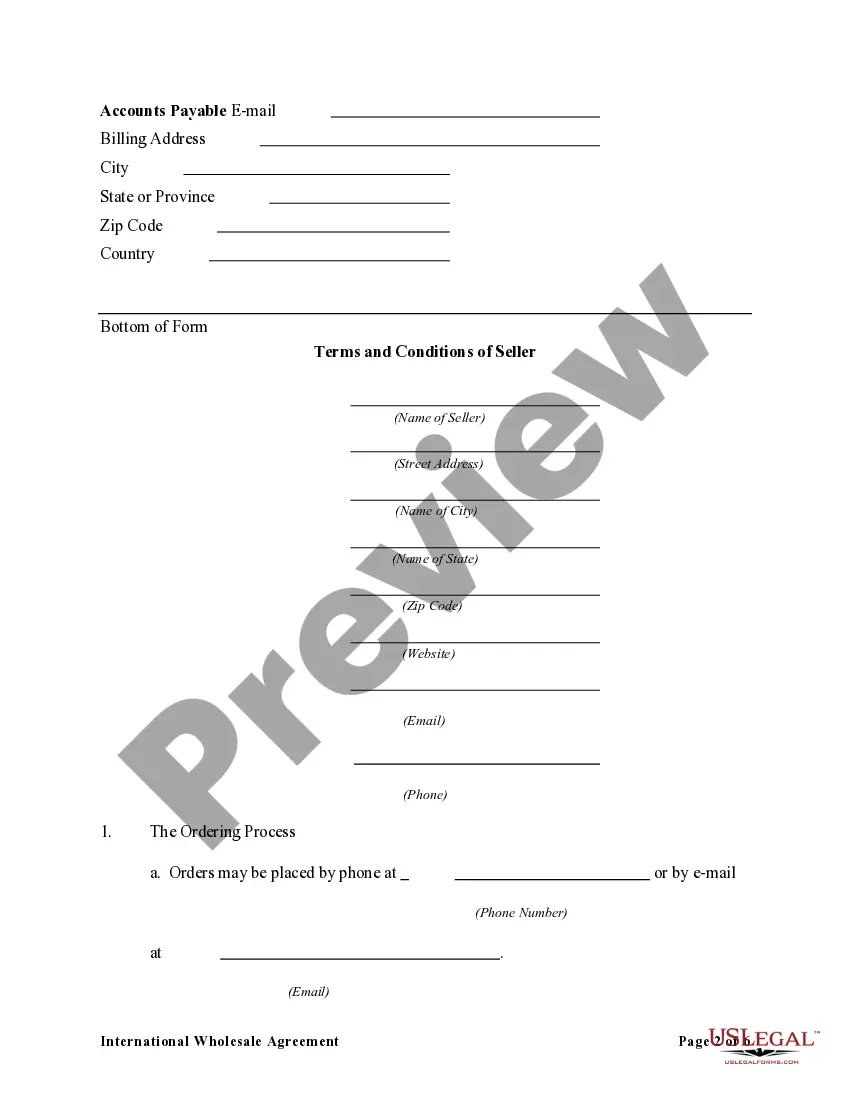
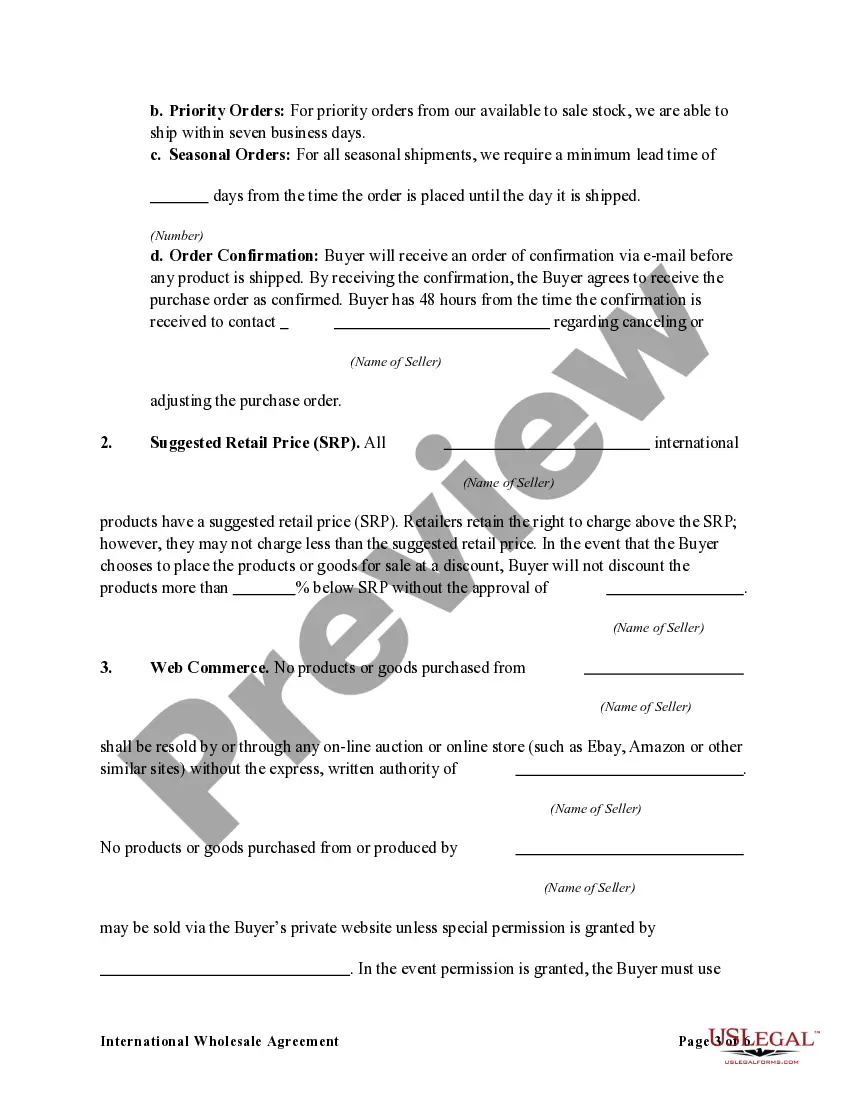
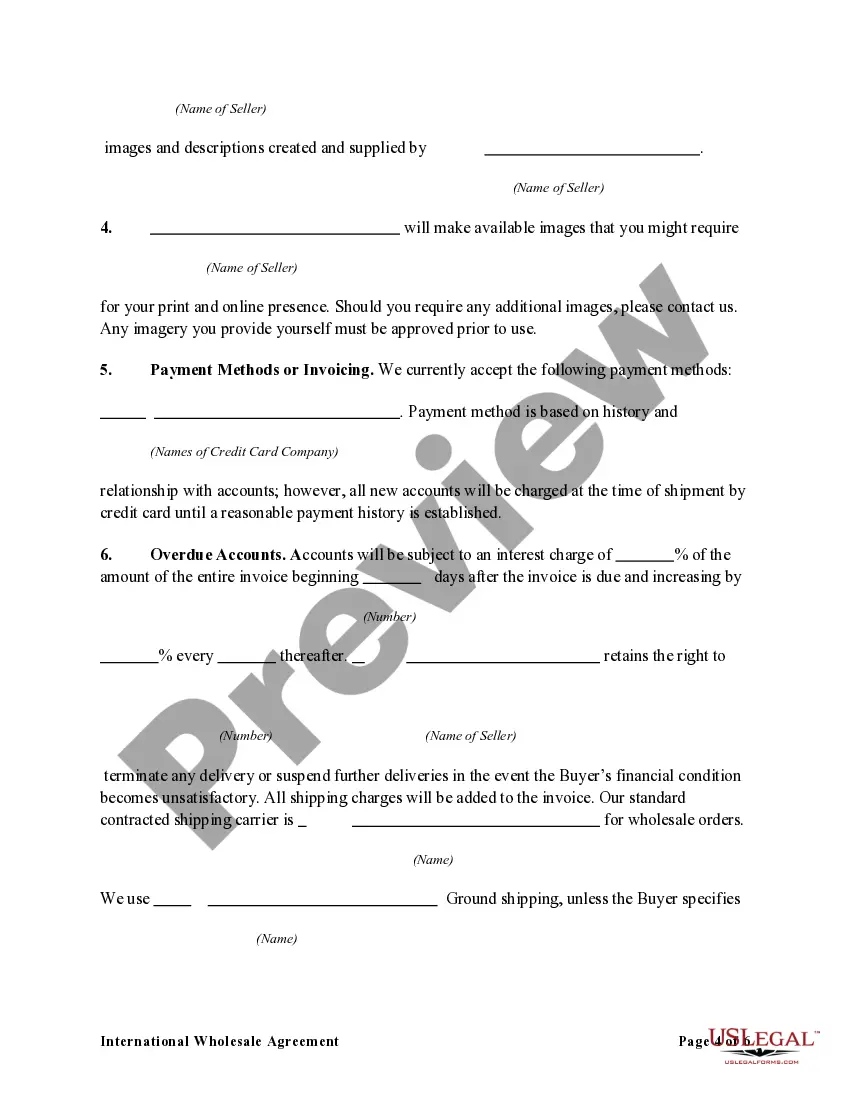
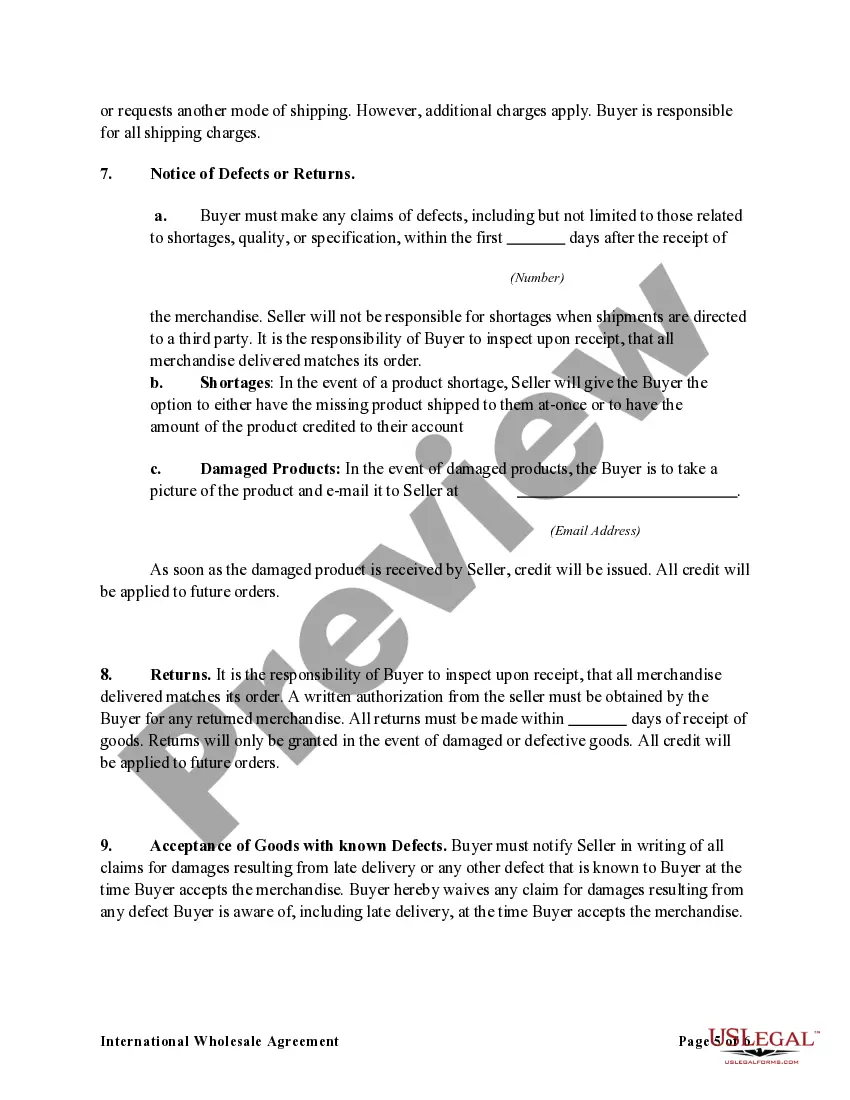
Get your form ready online
Our built-in tools help you complete, sign, share, and store your documents in one place.
Make edits, fill in missing information, and update formatting in US Legal Forms—just like you would in MS Word.
Download a copy, print it, send it by email, or mail it via USPS—whatever works best for your next step.
Sign and collect signatures with our SignNow integration. Send to multiple recipients, set reminders, and more. Go Premium to unlock E-Sign.
If this form requires notarization, complete it online through a secure video call—no need to meet a notary in person or wait for an appointment.
We protect your documents and personal data by following strict security and privacy standards.

Make edits, fill in missing information, and update formatting in US Legal Forms—just like you would in MS Word.

Download a copy, print it, send it by email, or mail it via USPS—whatever works best for your next step.

Sign and collect signatures with our SignNow integration. Send to multiple recipients, set reminders, and more. Go Premium to unlock E-Sign.

If this form requires notarization, complete it online through a secure video call—no need to meet a notary in person or wait for an appointment.

We protect your documents and personal data by following strict security and privacy standards.
Looking for another form?








Form popularity
FAQ
In terms of content, an Estate distribution letter should include: the deceased's personal details; a detailed and complete list of all assets and liabilities; the Beneficiary names and the details of their respective inheritances; any details on debt settlement and creditor communication;
The term for Distribution Agreements varies, with terms being anywhere from 5 to 15 years. I try to limit the term as much as possible—especially when there is no advance, or a meager one.
When it comes to distribution agreements, there are four main types: exclusive, sole, non-exclusive and selective. It is important for suppliers as well as distributors to recognizse the advantages and disadvantages of each arrangement in order to pick the one that best fits their needs and objectives.
Negotiating a Distributorship Agreement: Five Critical Steps to Success Execute a master agreement. Define the relevant goods subject to the agreement. Address all relevant intellectual property issues. Make sure renewal options and termination clauses allow the parties to adjust to changing market conditions.
A distribution agreement is one under which a supplier or manufacturer of goods agrees that an independent third party will market the goods. The distributor buys the goods on their own account and trades under their own name.