Distribution Agreement For Services In Broward
Description

Get your form ready online
Our built-in tools help you complete, sign, share, and store your documents in one place.
Make edits, fill in missing information, and update formatting in US Legal Forms—just like you would in MS Word.
Download a copy, print it, send it by email, or mail it via USPS—whatever works best for your next step.
Sign and collect signatures with our SignNow integration. Send to multiple recipients, set reminders, and more. Go Premium to unlock E-Sign.
If this form requires notarization, complete it online through a secure video call—no need to meet a notary in person or wait for an appointment.
We protect your documents and personal data by following strict security and privacy standards.

Make edits, fill in missing information, and update formatting in US Legal Forms—just like you would in MS Word.

Download a copy, print it, send it by email, or mail it via USPS—whatever works best for your next step.

Sign and collect signatures with our SignNow integration. Send to multiple recipients, set reminders, and more. Go Premium to unlock E-Sign.

If this form requires notarization, complete it online through a secure video call—no need to meet a notary in person or wait for an appointment.

We protect your documents and personal data by following strict security and privacy standards.
Looking for another form?









Form popularity
FAQ
Real Estate Contracts. The UCC doesn't apply to commercial real estate purchases or leases. Another way to put it: The UCC covers personal property, not real property. To find laws for real estate contracts, you'll need to look to other state laws, regulations, and court cases that specifically relate to real property.
Thus, the question of whether a distributorship contract is governed by the UCC will depend on the exact nuances of the contract. To determine whether the UCC applies, “courts generally examine the transaction to determine whether the sale of goods predominates.” Princess Cruises v. GE, 143 F. 3d 828, 833 (4th Cir.
Service contracts For example, you could hire a painting company to refresh your office space or an agency to perform digital marketing services. In any of these cases, your service contract is between your business and another business or person, so the UCC doesn't consider the transaction under their rules.
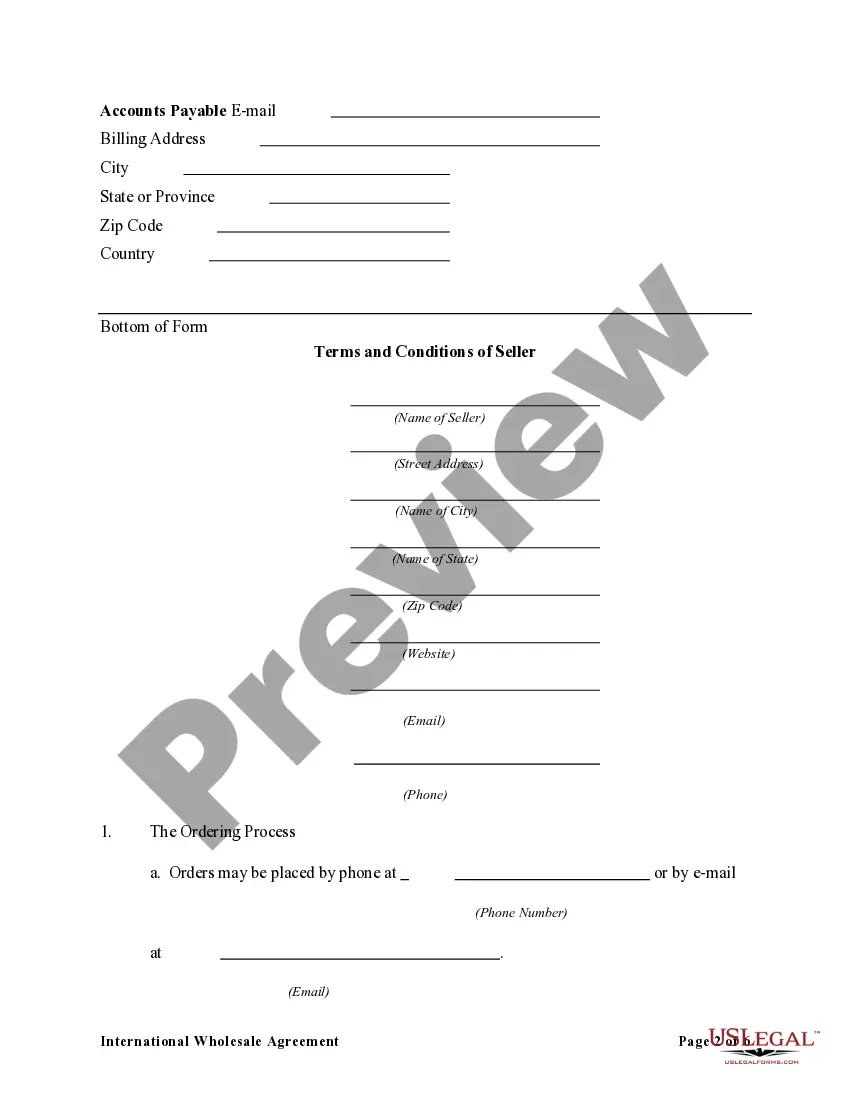
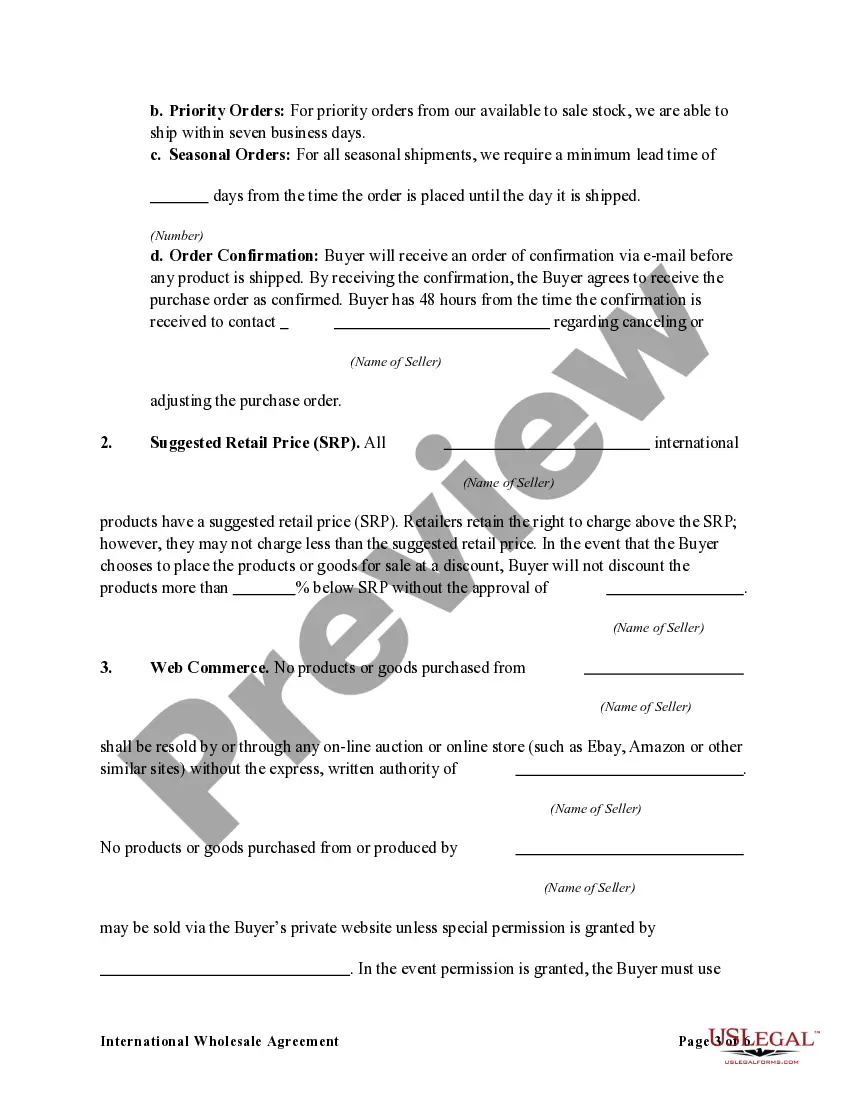
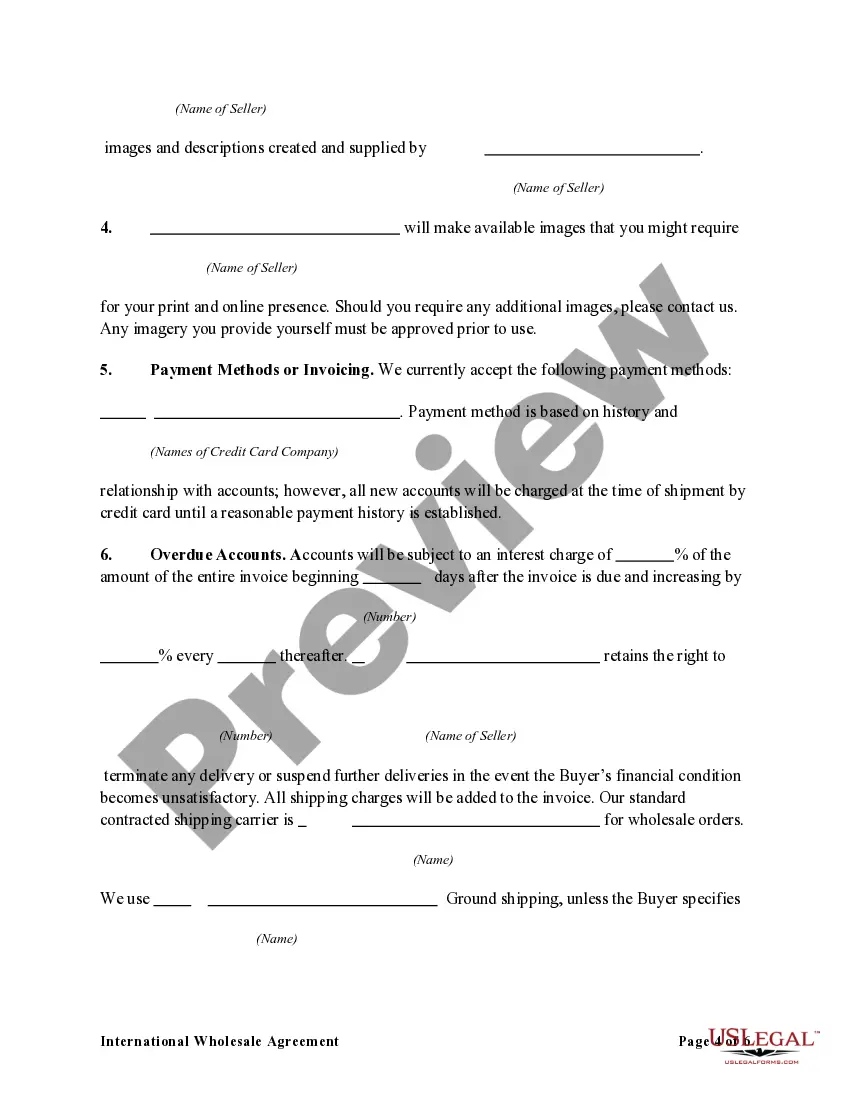
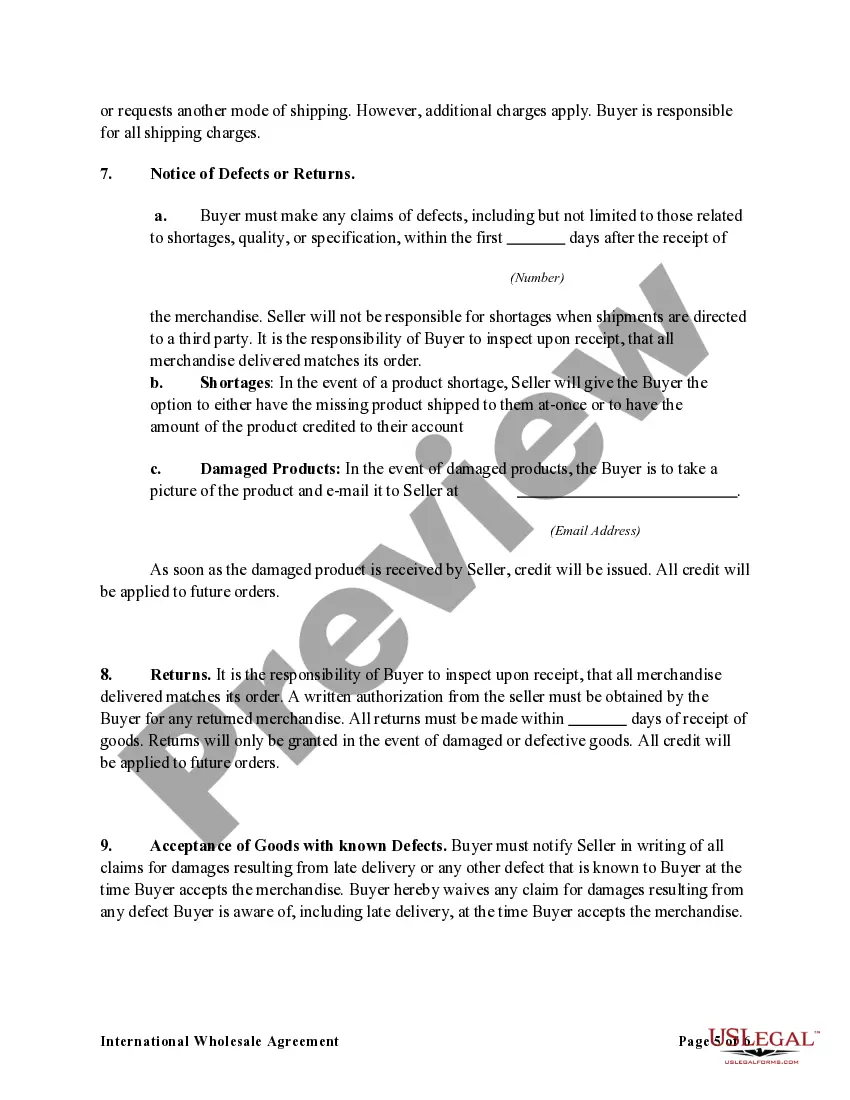
A distribution agreement, also known as a distributor agreement, is a contract between a supplying company with products to sell and another company that markets and sells the products. The distributor agrees to buy products from the supplier company and sell them to clients within certain geographical areas.
When it comes to distribution agreements, there are four main types: exclusive, sole, non-exclusive and selective. It is important for suppliers as well as distributors to recognizse the advantages and disadvantages of each arrangement in order to pick the one that best fits their needs and objectives.
The UCC applies to the sale of goods and securities, whereas the common law of contracts generally applies to contracts for services, real estate, insurance, intangible assets, and employment. If the contract is for both the sale of goods and for services, the dominant element in the contract controls.
Advantages of distribution A supplier will not usually suffer any liability incurred as a result of the distributor's activities, whereas under an agency relationship, the principal is liable for the acts of its agent.
A distribution agreement is the perfect place to establish the sales goals and expectations for both parties. The manufacturer wants to ensure that the distributor will actively promote and sell its products in the designated territory or channel and generate a certain level of revenue and profit.
A distribution agreement is a powerful tool that defines the rules of engagement between suppliers and distributors. These agreements can not only streamline your distribution process but also shield your business from potential pitfalls.
Distribution agreements are frequently used between suppliers and distributors to reach new or larger sales markets. A distribution agreement is an agreement between a supplier of products and a distributor that purchases and resells these products. The distributor purchases the products at its own expense and risk.
