All Business Purchase Format In Wake
Description

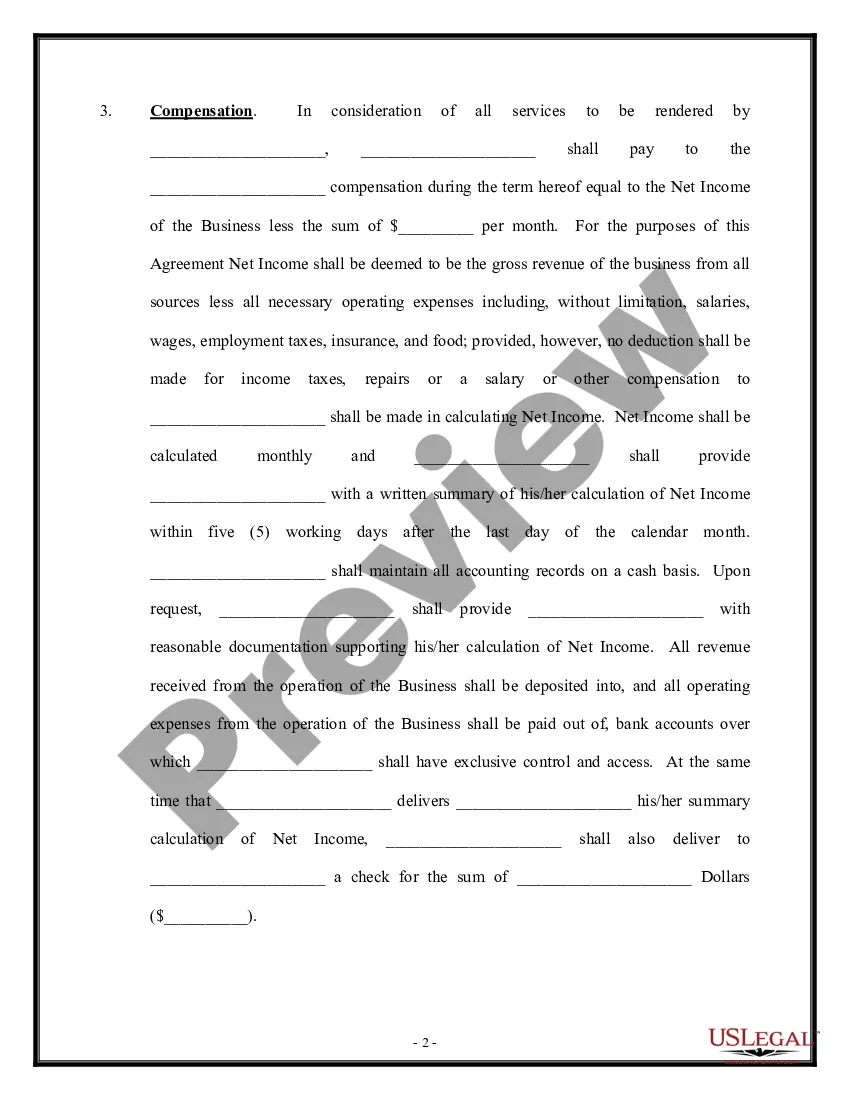
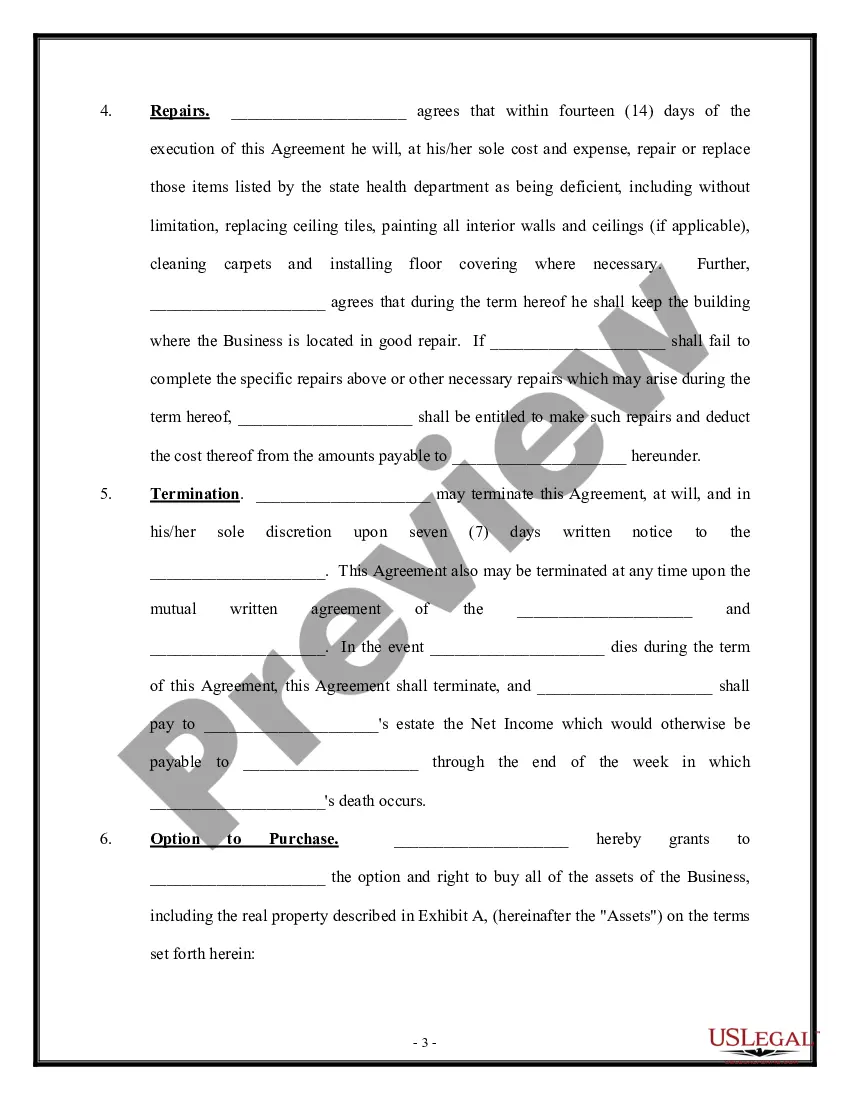
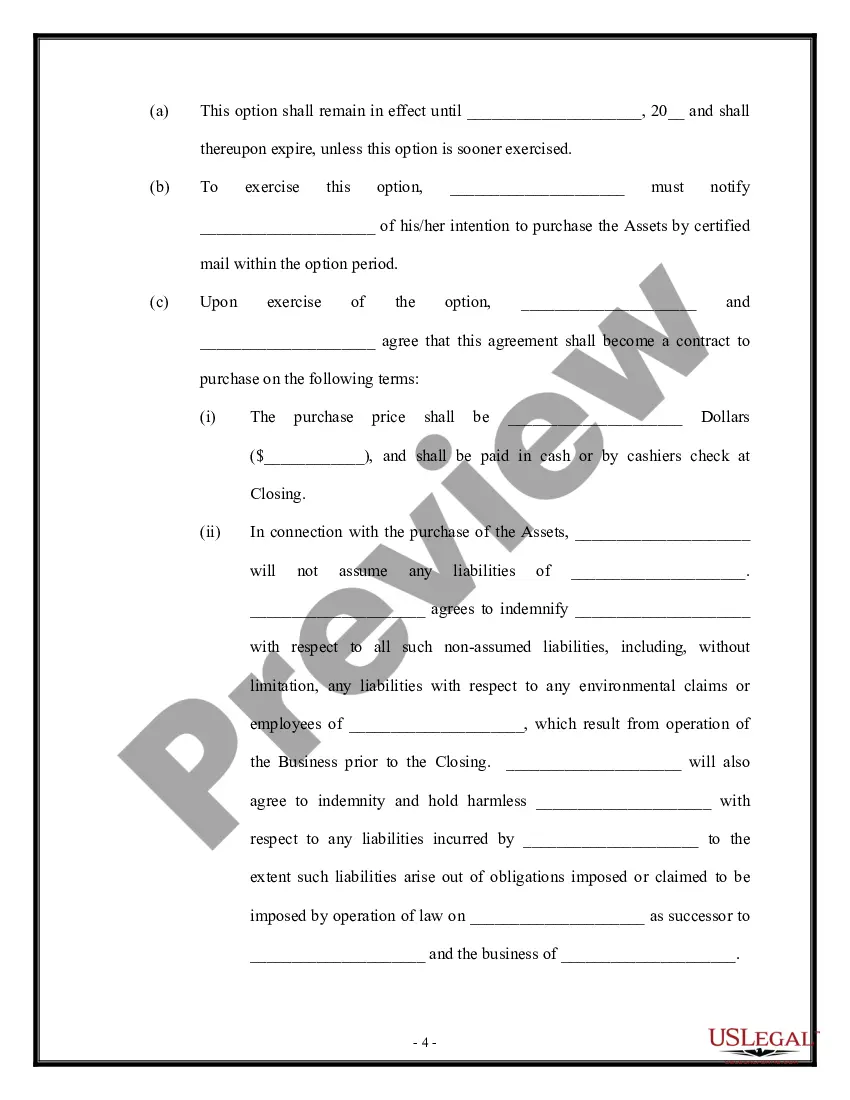
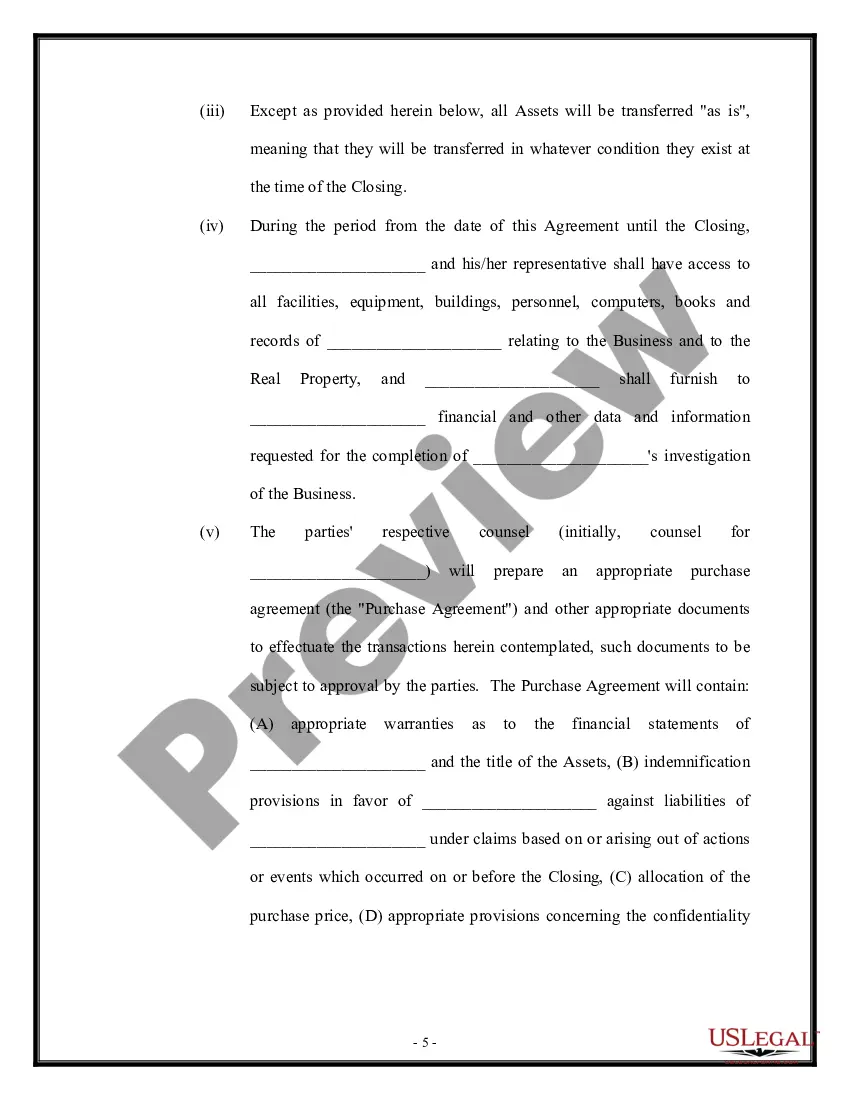
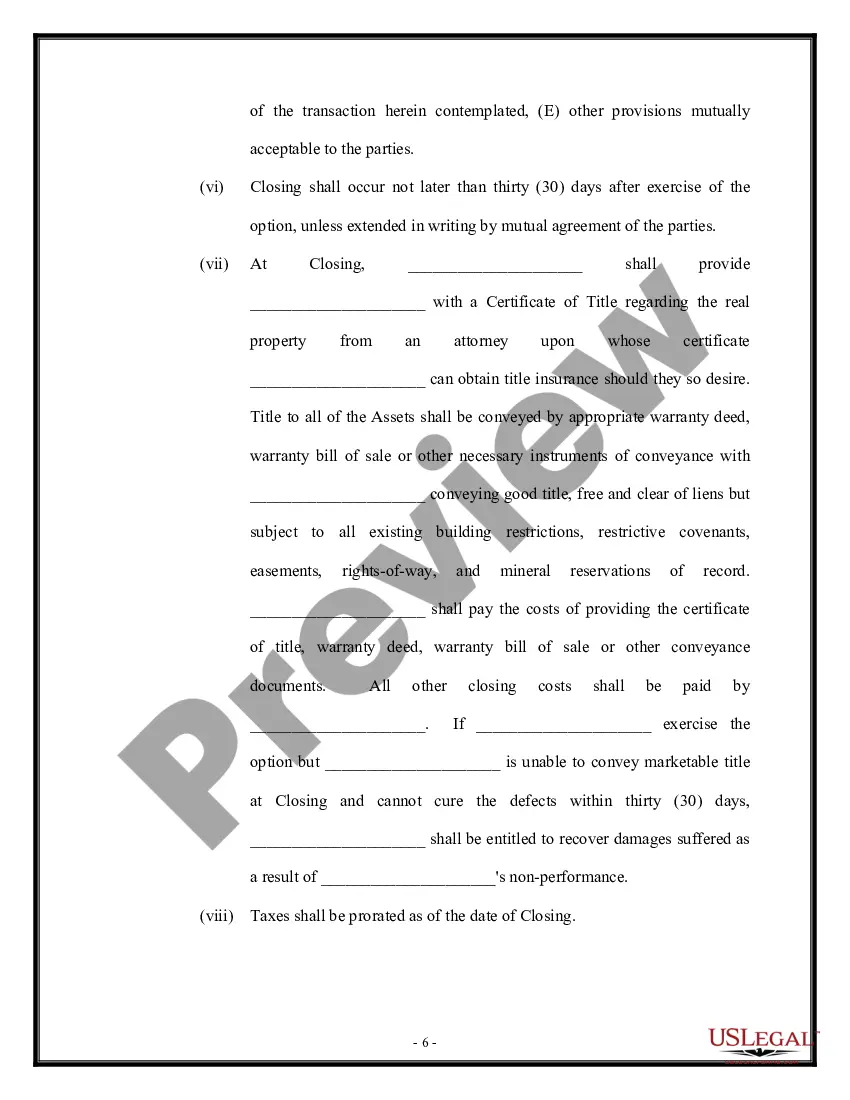
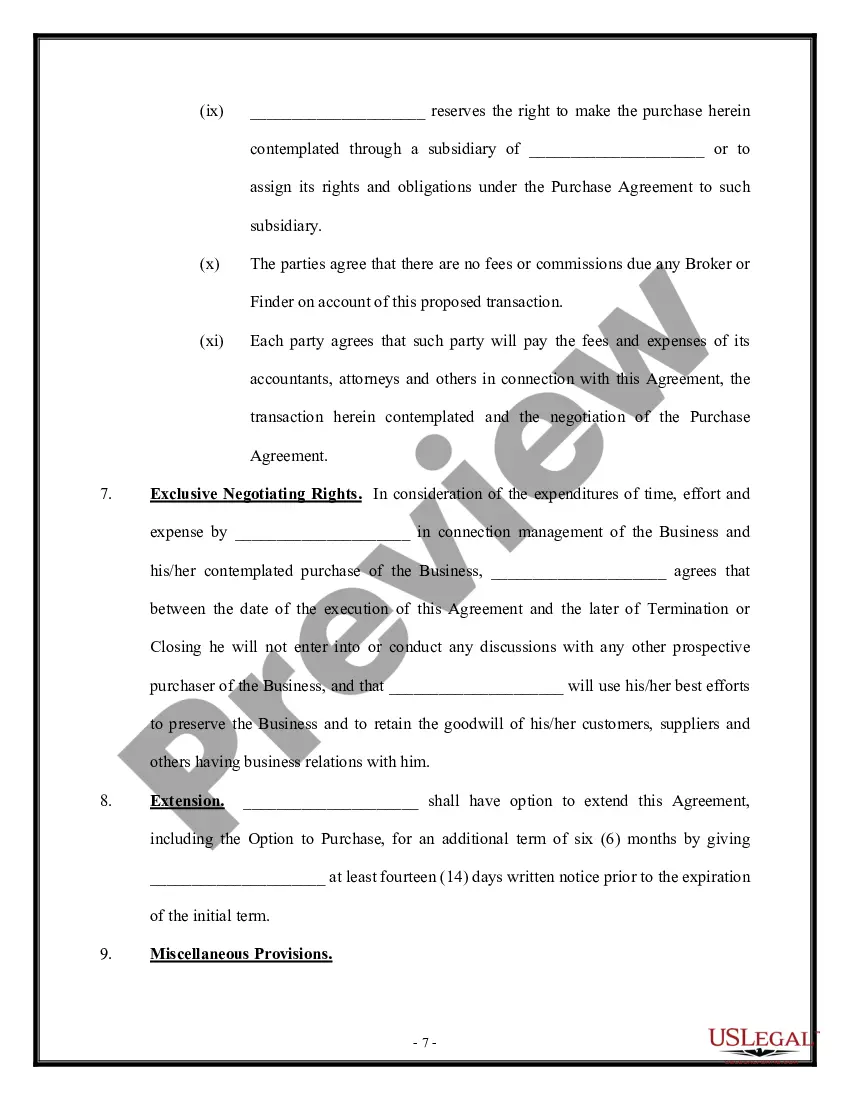
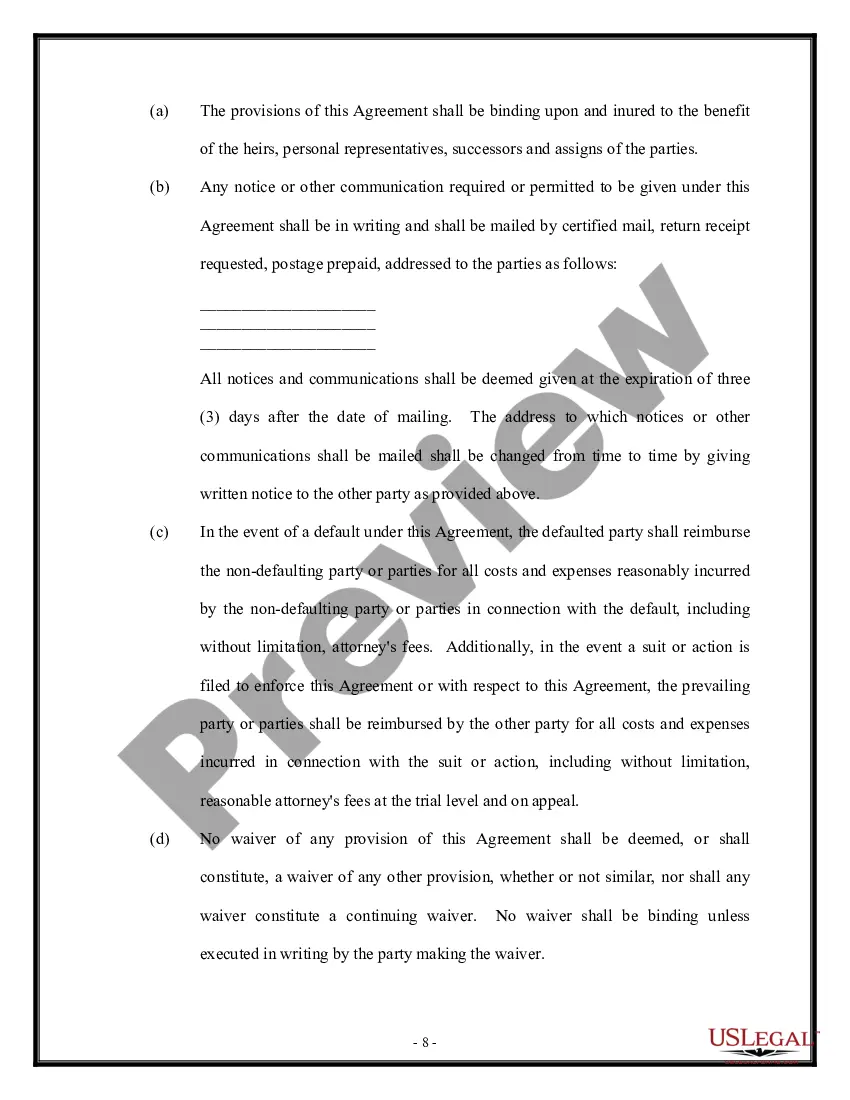
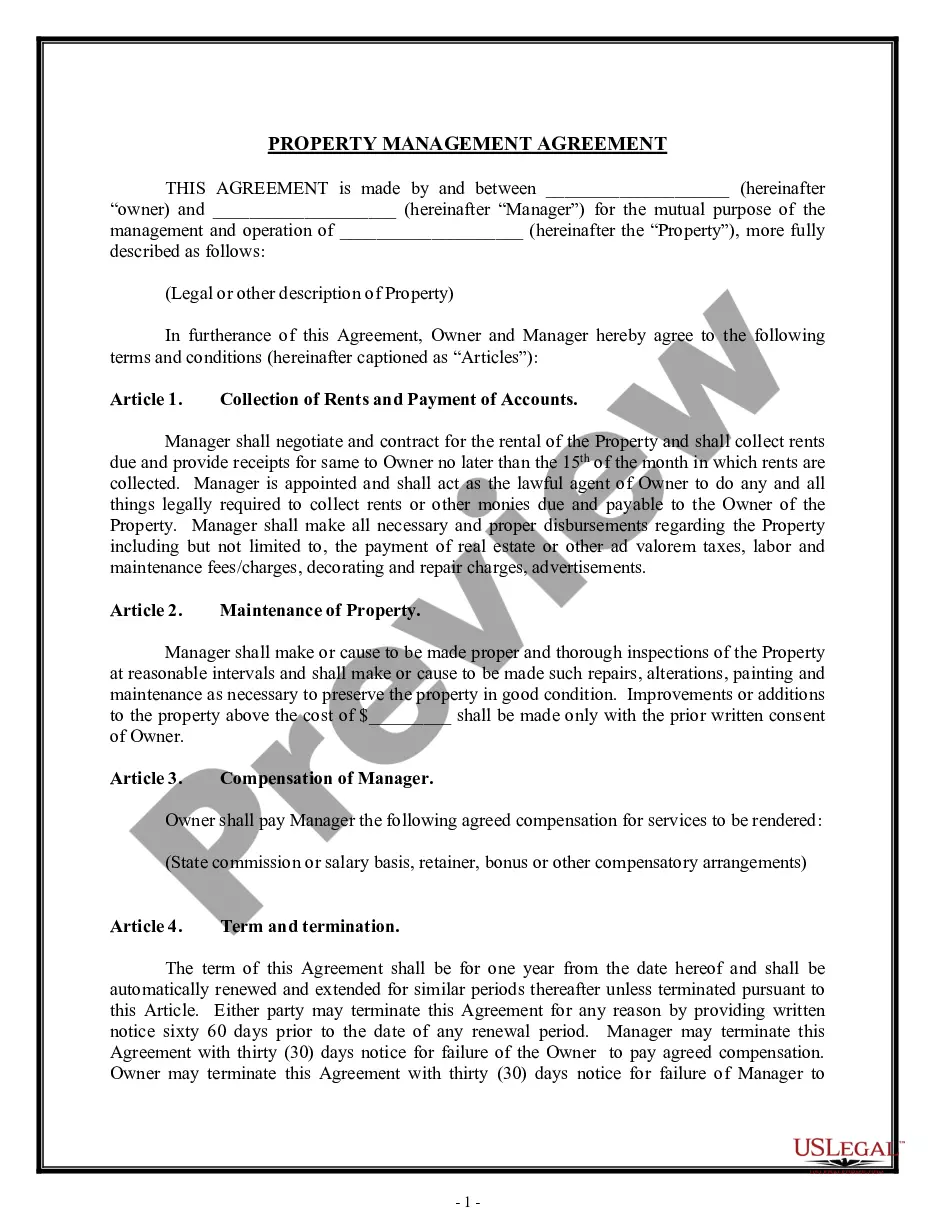
Get your form ready online
Our built-in tools help you complete, sign, share, and store your documents in one place.
Make edits, fill in missing information, and update formatting in US Legal Forms—just like you would in MS Word.
Download a copy, print it, send it by email, or mail it via USPS—whatever works best for your next step.
Sign and collect signatures with our SignNow integration. Send to multiple recipients, set reminders, and more. Go Premium to unlock E-Sign.
If this form requires notarization, complete it online through a secure video call—no need to meet a notary in person or wait for an appointment.
We protect your documents and personal data by following strict security and privacy standards.

Make edits, fill in missing information, and update formatting in US Legal Forms—just like you would in MS Word.

Download a copy, print it, send it by email, or mail it via USPS—whatever works best for your next step.

Sign and collect signatures with our SignNow integration. Send to multiple recipients, set reminders, and more. Go Premium to unlock E-Sign.

If this form requires notarization, complete it online through a secure video call—no need to meet a notary in person or wait for an appointment.

We protect your documents and personal data by following strict security and privacy standards.
Looking for another form?






Form popularity
FAQ
How to write a letter of intent for business Write the introduction. Describe the transaction and timeframes. List contingencies. Go through due diligence. Include covenants and other binding agreements. State that the agreement is nonbinding. Include a closing date.
Best Practices for Writing a Letter of Intent to Buy a Business Use clear language. Vague language leads to confusion. Include all major deal points. Define confidentiality and exclusivity. Identify binding vs. Clarify closing conditions. Include a well-defined timeline. Work with professional advisors.
Propose a casual meeting (in-person or virtual) to discuss your interest further. Be flexible with your availability. If you don't hear back within a week or two, consider sending a polite follow-up message to reiterate your interest. Dear (Owner's Name), I hope this message finds you well.
A SPA is a legally binding contract that sets out the terms and conditions of a sale between a buyer and a seller. It is typically used in the context of buying and selling a business or a significant asset, such as shares in a company.
While a letter of intent is not a legal document and need not be notarized, it is wise to discuss what it should include with a well-informed estate planning attorney before you begin.
A letter of intent (LOI) is a succinct summary of an M&A transaction. Usually written by the buy-side, the LOI clearly outlines what is being acquired, for how much, by whom, in what timeframe, and under what terms and conditions.
Components of a LOI Opening Paragraph: Your summary statement. Statement of Need: The "why" of the project. ( ... Project Activity: The "what" and "how" of the project. ( ... Outcomes (1–2 paragraphs; before or after the Project Activity) ... Credentials (1–2 paragraphs) ... Budget (1–2 paragraphs) ... Closing (1 paragraph) ... Signature.
Legally binding contracts are extremely important because they protect the interests of your business and define the relationship between parties. Although many attorneys are skilled in drafting legally valid contracts, it is possible for you, as a small business owner to draft your own.
A letter of intent (LOI) is a succinct summary of an M&A transaction. Usually written by the buy-side, the LOI clearly outlines what is being acquired, for how much, by whom, in what timeframe, and under what terms and conditions.
What is an LOI in Business? A LOI or Letter of Intent is a written document a potential buyer or their representative sends to you as a business seller to express their genuine interest in buying your business.
