Operating Agreement Template For Corporation In Virginia
Description

Get your form ready online
Our built-in tools help you complete, sign, share, and store your documents in one place.
Make edits, fill in missing information, and update formatting in US Legal Forms—just like you would in MS Word.
Download a copy, print it, send it by email, or mail it via USPS—whatever works best for your next step.
Sign and collect signatures with our SignNow integration. Send to multiple recipients, set reminders, and more. Go Premium to unlock E-Sign.
If this form requires notarization, complete it online through a secure video call—no need to meet a notary in person or wait for an appointment.
We protect your documents and personal data by following strict security and privacy standards.

Make edits, fill in missing information, and update formatting in US Legal Forms—just like you would in MS Word.

Download a copy, print it, send it by email, or mail it via USPS—whatever works best for your next step.

Sign and collect signatures with our SignNow integration. Send to multiple recipients, set reminders, and more. Go Premium to unlock E-Sign.

If this form requires notarization, complete it online through a secure video call—no need to meet a notary in person or wait for an appointment.

We protect your documents and personal data by following strict security and privacy standards.
Looking for another form?





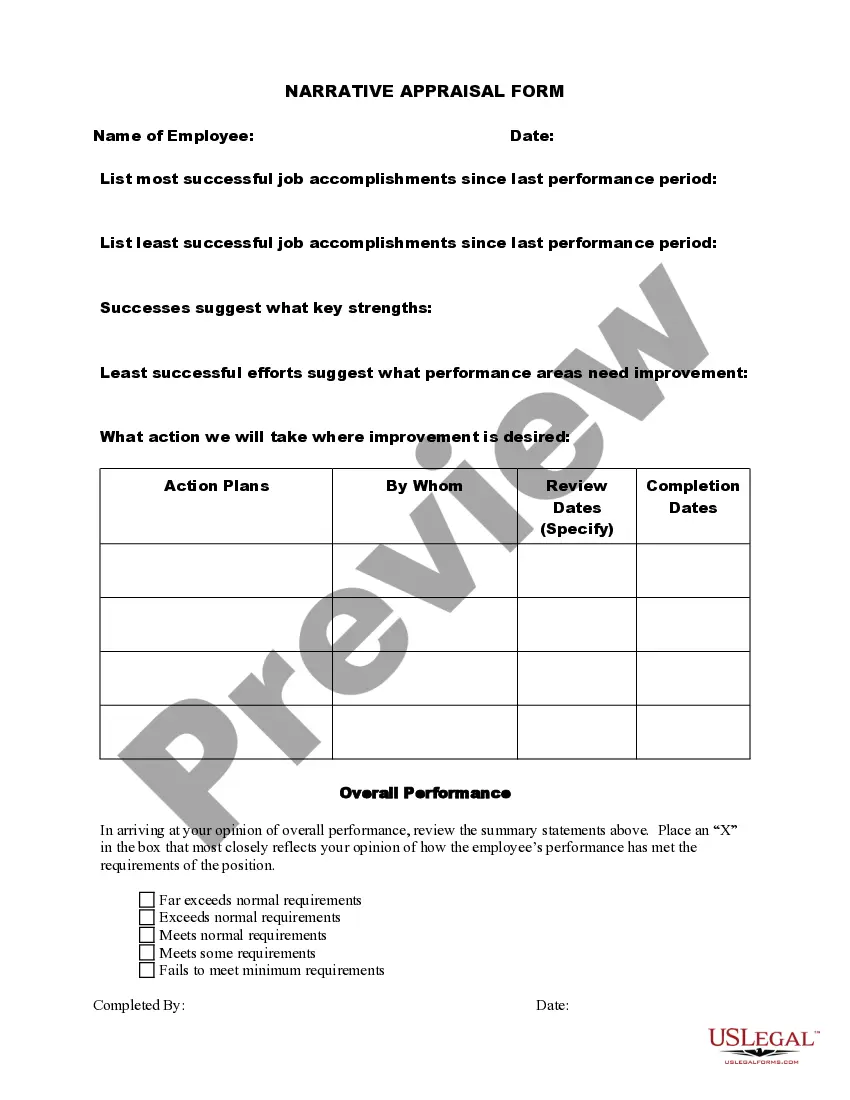
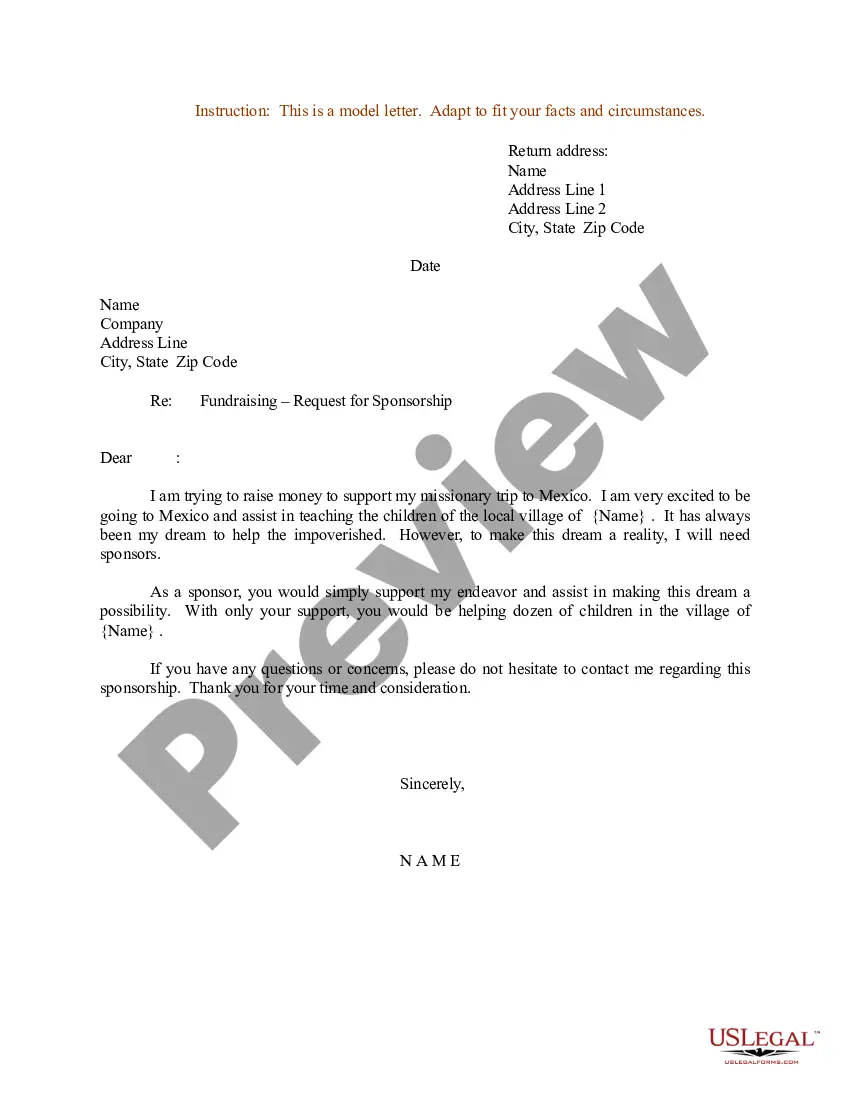


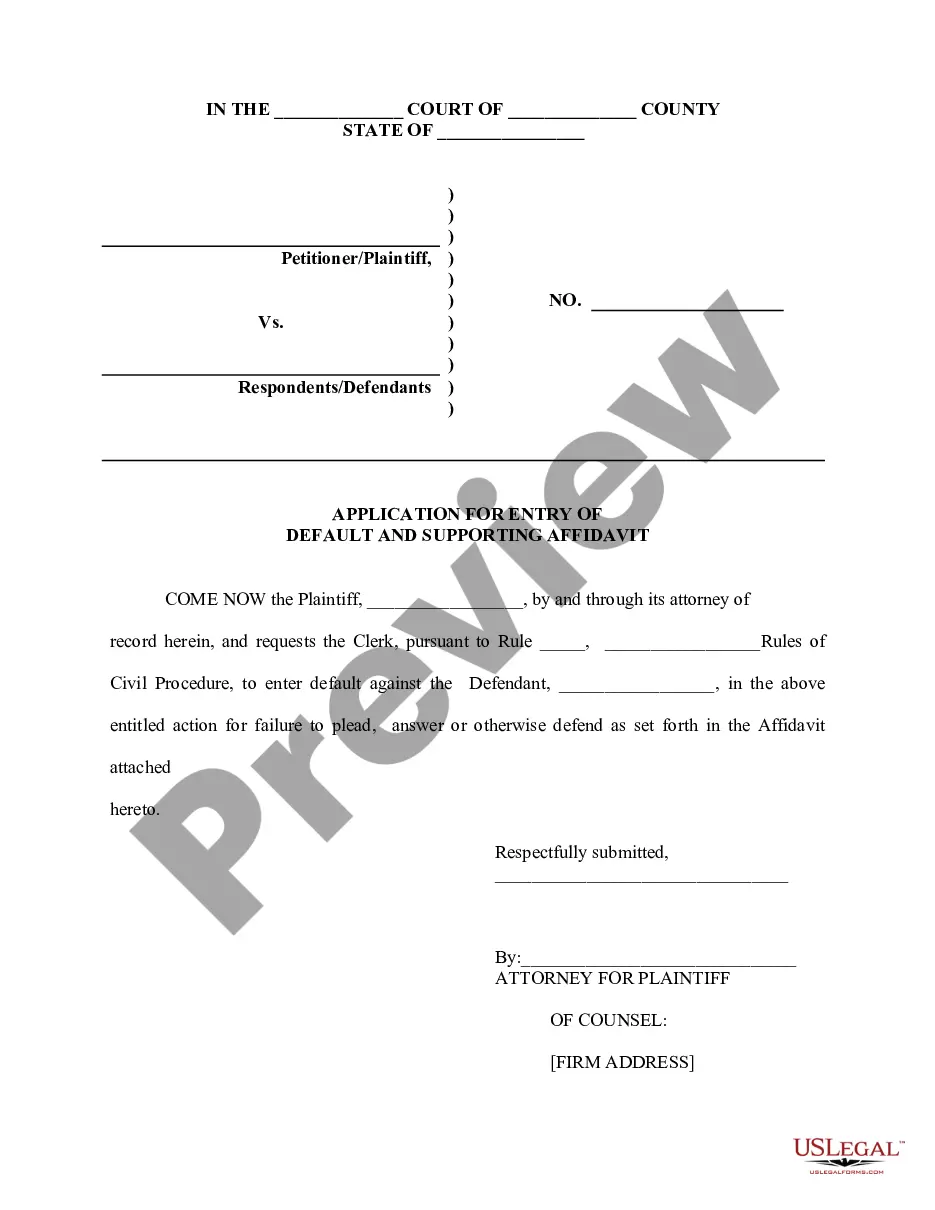
Form popularity
FAQ
It is required by state law – CA Corporations Code Section 17701.02(s) requires every California LLC to have an operating agreement. Therefore, having this agreement can help ensure you comply with the law. An operating agreement establishes the business as a separate entity – One of the most important.
The key components of an operating agreement include the following: Ownership and Membership Interests. Management Structure. Profit and Loss Distribution. Voting Rights and Procedures. Roles and Responsibilities. Capital Contributions. Dissolution and Exit Strategy.
No state requires an LLC to file its operating agreement with the state government. The five states that do require LLCs to have an operating agreement—California, Delaware, Maine, Missouri, and New York—only require that LLCs keep a copy in their own records.
The operating agreement is not required in Virginia but is strongly recommended. It can be a crucial document for outlining how your company operates. This can ensure that members are on the same page in times of conflict.
Although Virginia doesn't mandate an operating agreement for LLCs, it serves as a vital tool for delineating member responsibilities and company protocols, even in a Single Member LLC scenario.
It is not a legal requirement in most states, but if you're in one of the five states that do require it, you'll need to have it ready to file along with your Articles of Organization. Operating agreements are required in the following states: California.
If there is no operating agreement, you and the co-owners will not be suitably equipped to reach any settlements concerning misunderstandings over management and finances. Worse still, your LLC will be required to follow any of your state's default operating conditions.
Once the document is signed by the members of the limited liability company, it acts as an official contract binding them to its terms.
Increased Legal Vulnerability: An operating agreement strengthens the LLC's limited liability status, protecting your personal assets from business debts. Without it, there's a higher risk of personal liability for business obligations if the LLC is sued.
