Management Option Purchase For Air Pollution In Philadelphia
Description

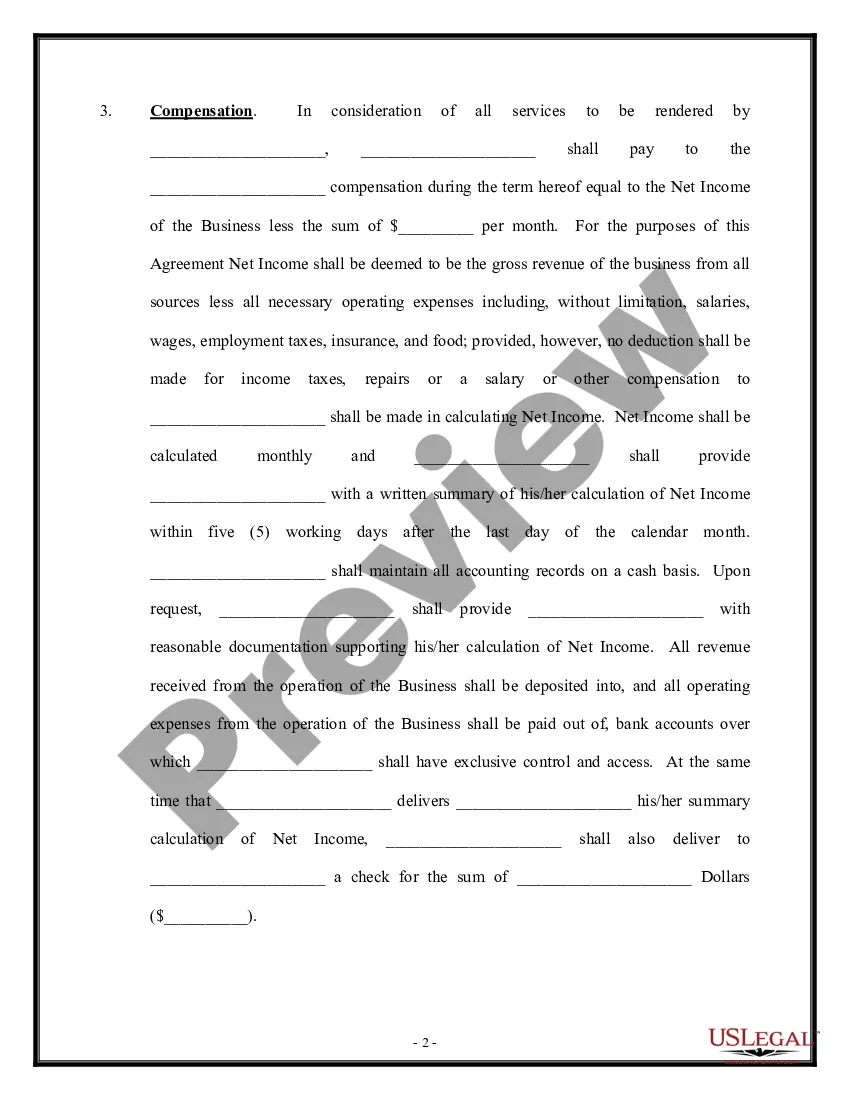
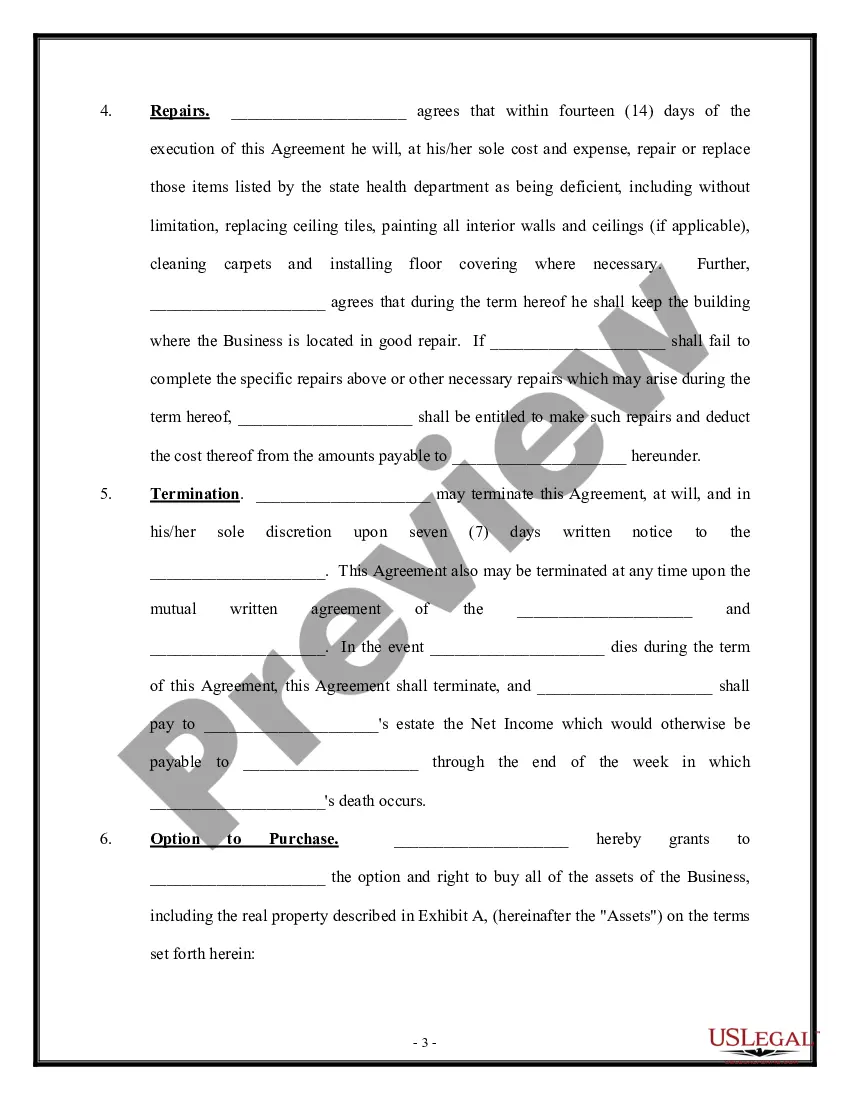
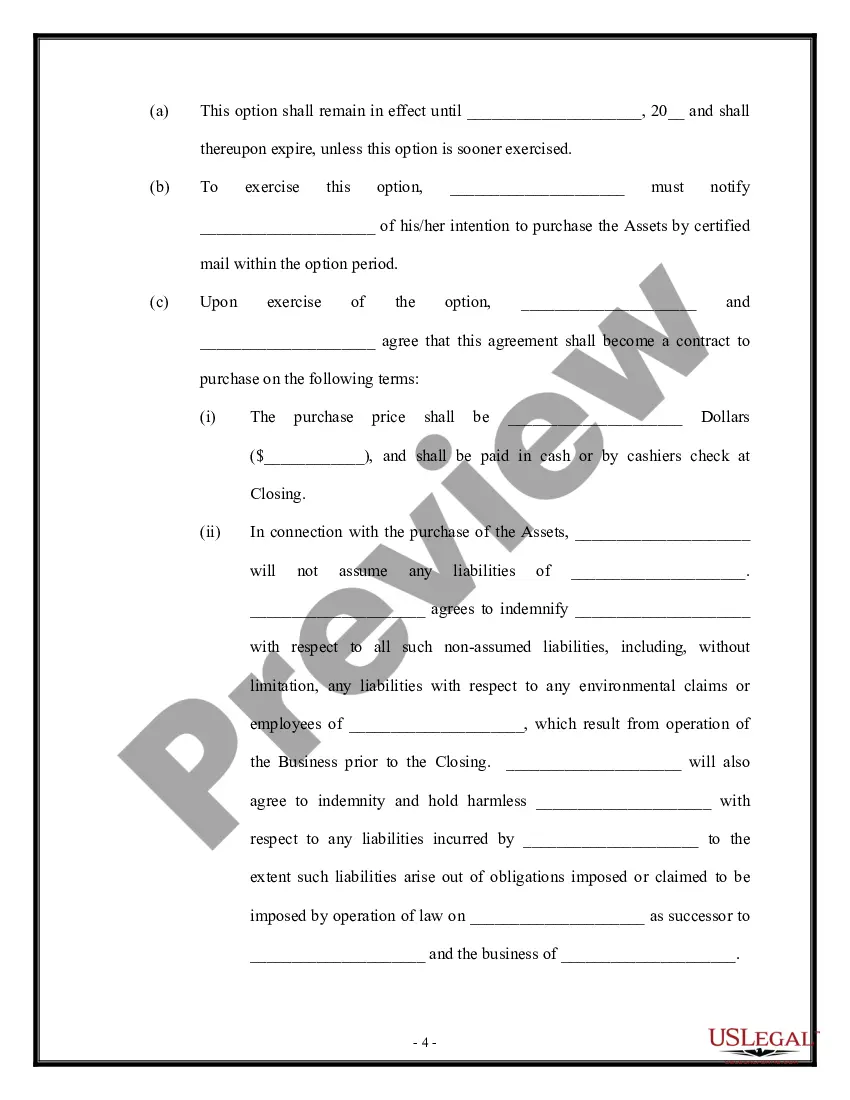
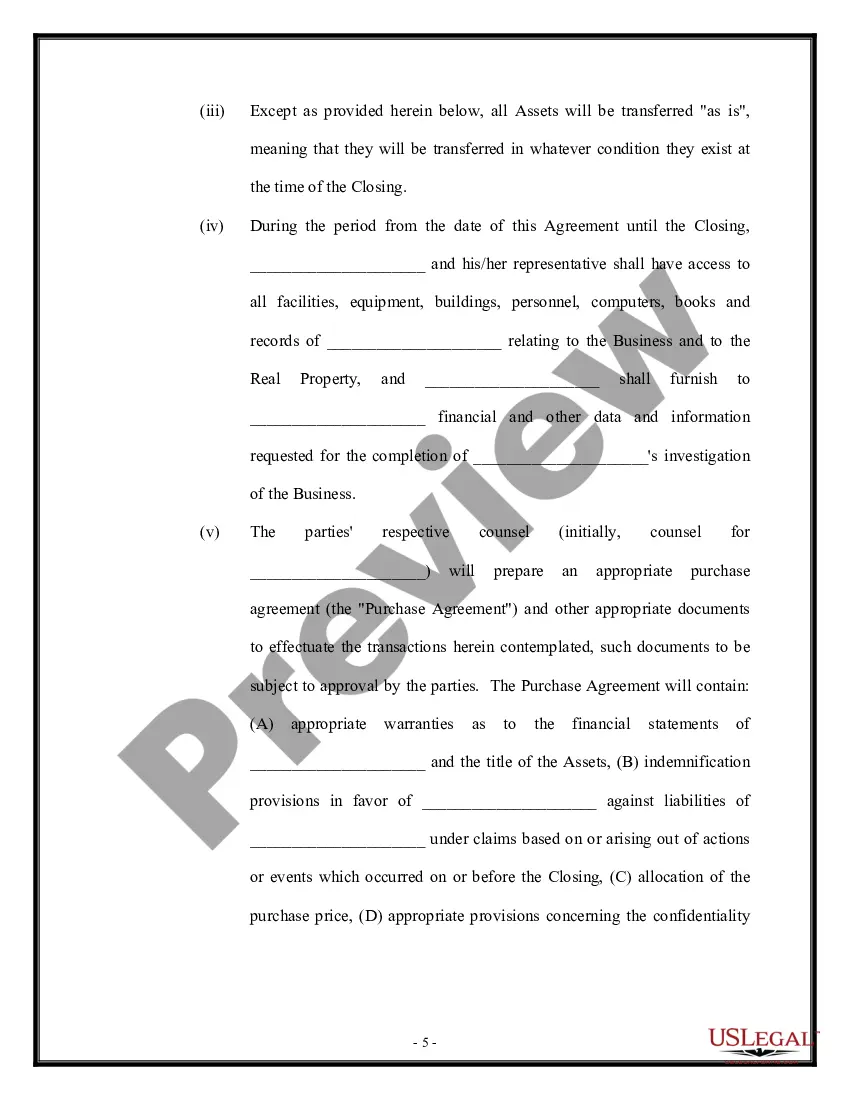
Get your form ready online
Our built-in tools help you complete, sign, share, and store your documents in one place.
Make edits, fill in missing information, and update formatting in US Legal Forms—just like you would in MS Word.
Download a copy, print it, send it by email, or mail it via USPS—whatever works best for your next step.
Sign and collect signatures with our SignNow integration. Send to multiple recipients, set reminders, and more. Go Premium to unlock E-Sign.
If this form requires notarization, complete it online through a secure video call—no need to meet a notary in person or wait for an appointment.
We protect your documents and personal data by following strict security and privacy standards.

Make edits, fill in missing information, and update formatting in US Legal Forms—just like you would in MS Word.

Download a copy, print it, send it by email, or mail it via USPS—whatever works best for your next step.

Sign and collect signatures with our SignNow integration. Send to multiple recipients, set reminders, and more. Go Premium to unlock E-Sign.

If this form requires notarization, complete it online through a secure video call—no need to meet a notary in person or wait for an appointment.

We protect your documents and personal data by following strict security and privacy standards.
Looking for another form?





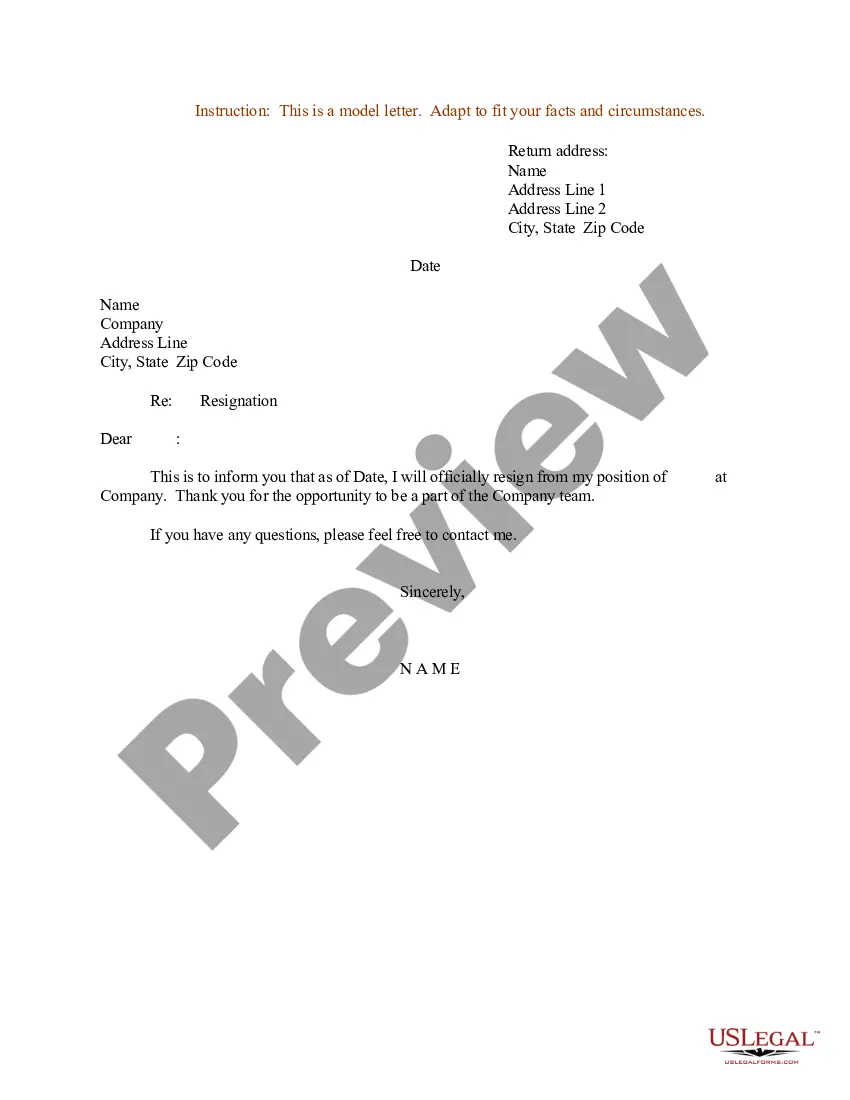


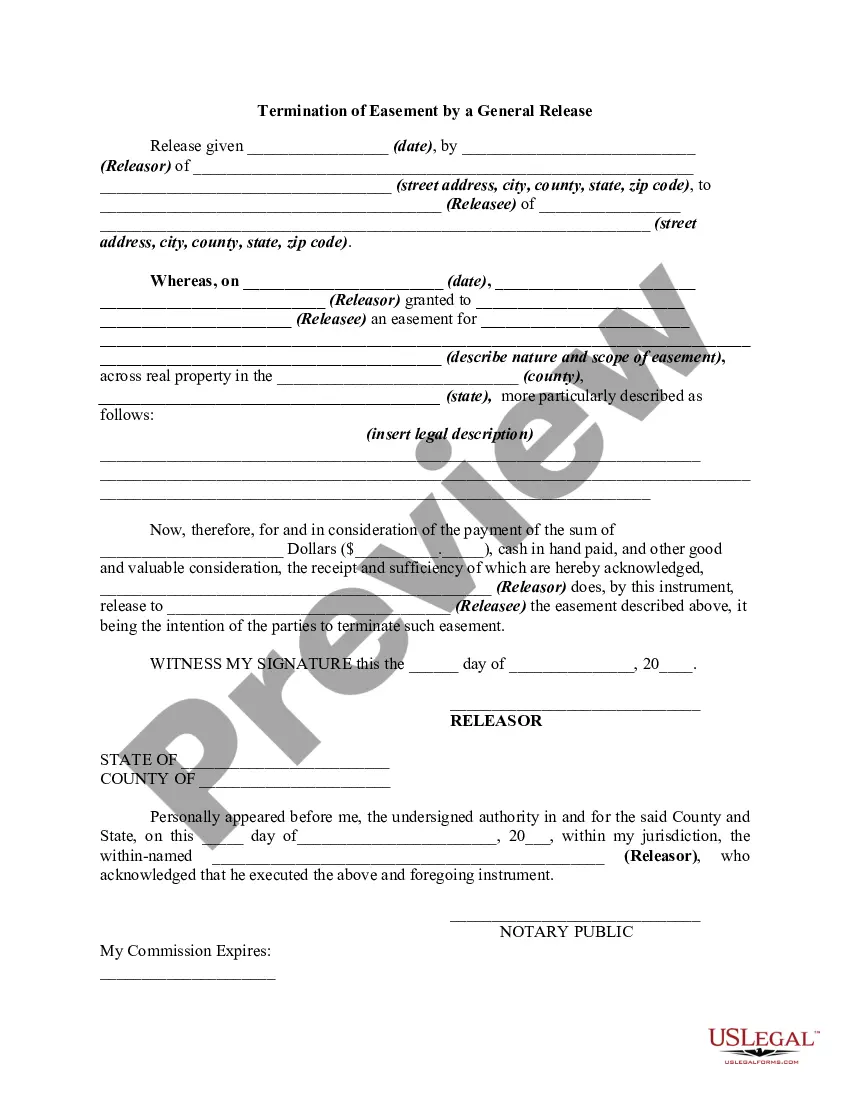

Form popularity
FAQ
Air pollution control, the techniques employed to reduce or eliminate the emission into the atmosphere of substances that can harm the environment or human health.
The Clean Air Act is the law that defines EPA's responsibilities for protecting and improving the nation's air quality and the stratospheric ozone layer.
Air pollution control facility means any property designed, constructed, or installed for the primary purpose of eliminating or reducing the emission of, or ground level concentration of, air contaminants generated at an industrial or commercial plant or site that renders air harmful or inimical to the public health or ...
The Clean Air Act (CAA) (42 U.S.C. 7401 et seq.) is a comprehensive Federal law that regulates all sources of air emissions. The 1970 CAA authorized the U.S. Environmental Protection Agency (EPA) to establish National Ambient Air Quality Standards (NAAQS) to protect public health and the environment.
A pollution control facility is defined as any waste storage site, sanitary landfill, waste disposal site, waste transfer station, waste treatment facility, or waste incinerator.
What you can do about air pollution Drive your car less. Keep your car in good repair. Turn off your engine. Don't burn your garbage. Limit backyard fires in the city. Plant and care for trees. Switch to electric or hand-powered lawn equipment. Use less energy.
State law vests local air districts with the primary responsibility for establishing and enforcing air pollution control regulations applicable to stationary sources.
Air Management Services permits and licenses. This page includes documents related to the installation and operation of equipment that emits or controls air pollution.
Operating permits are legally enforceable documents that permitting agencies issue to air pollution sources.
