Management Contract Example In Hillsborough
Description

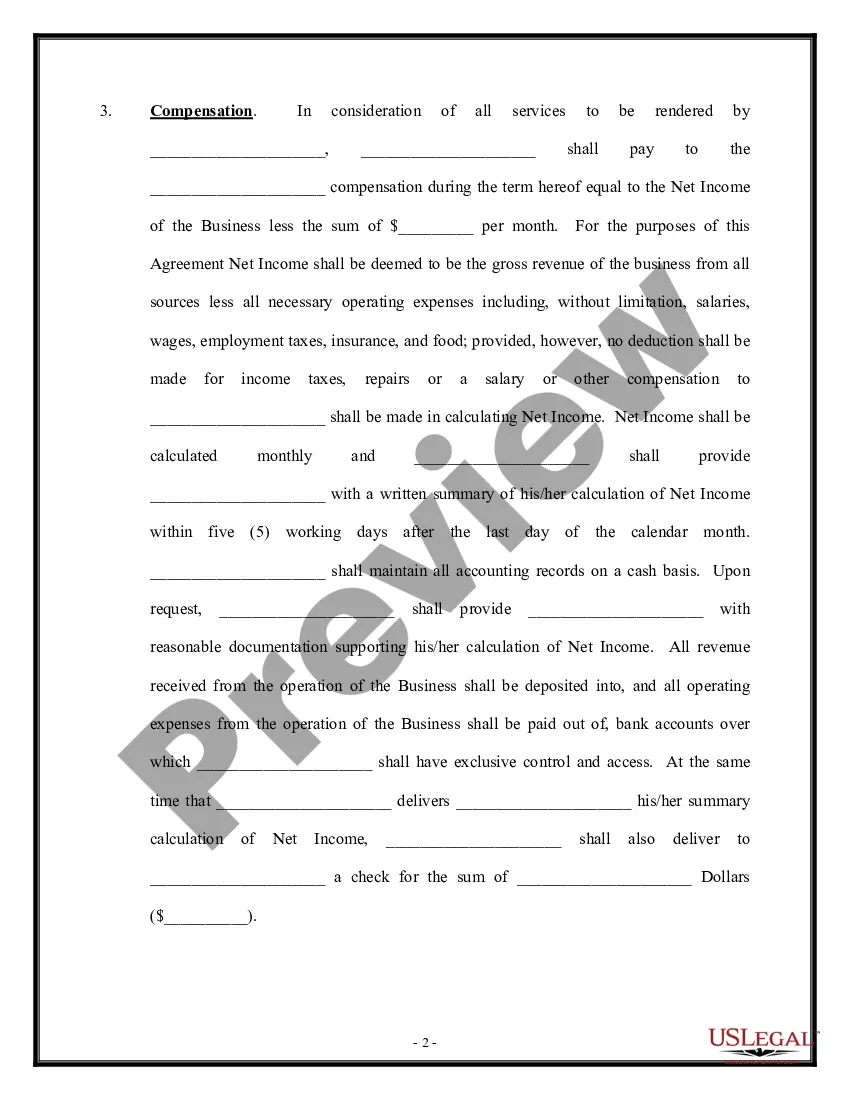
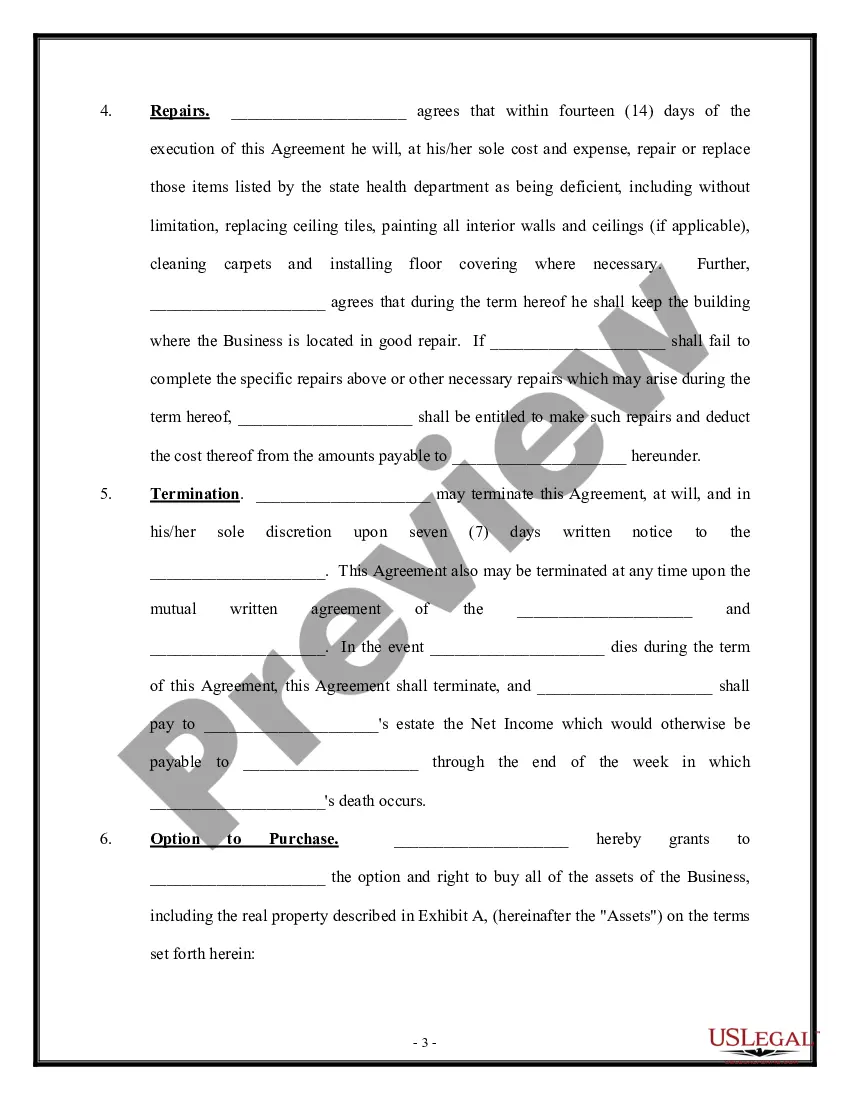
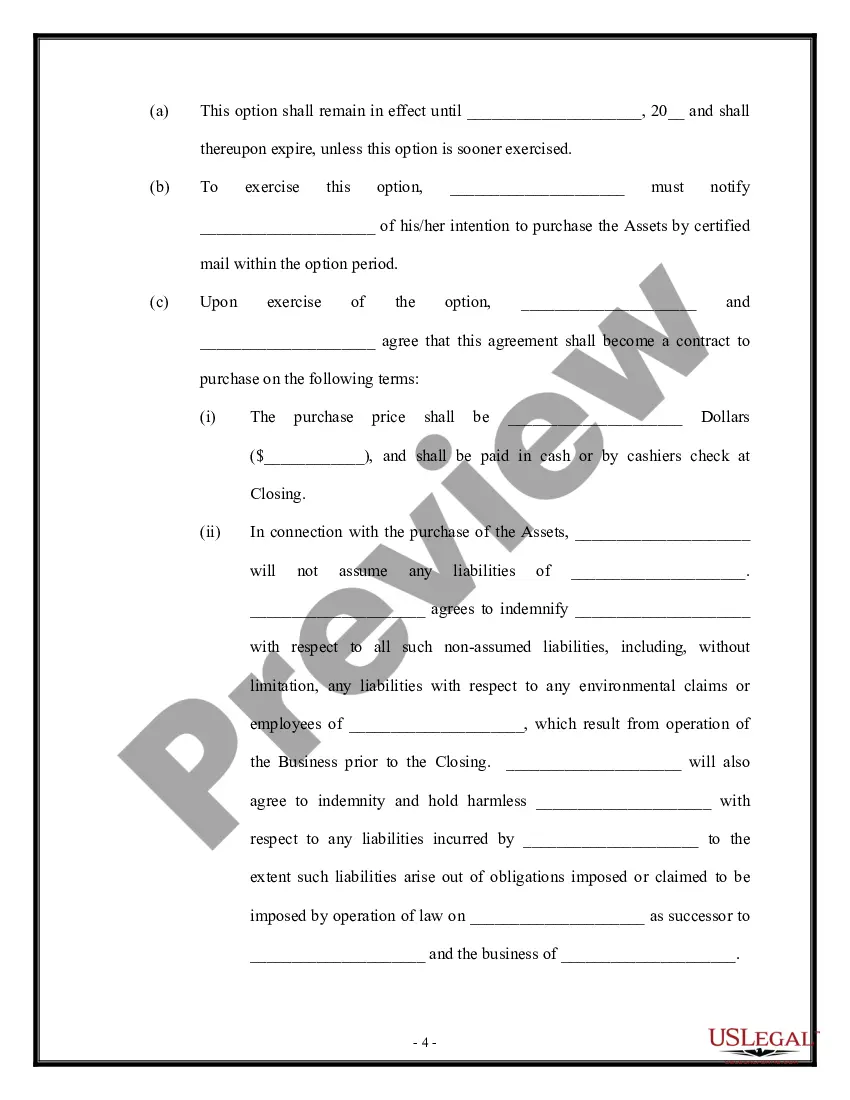
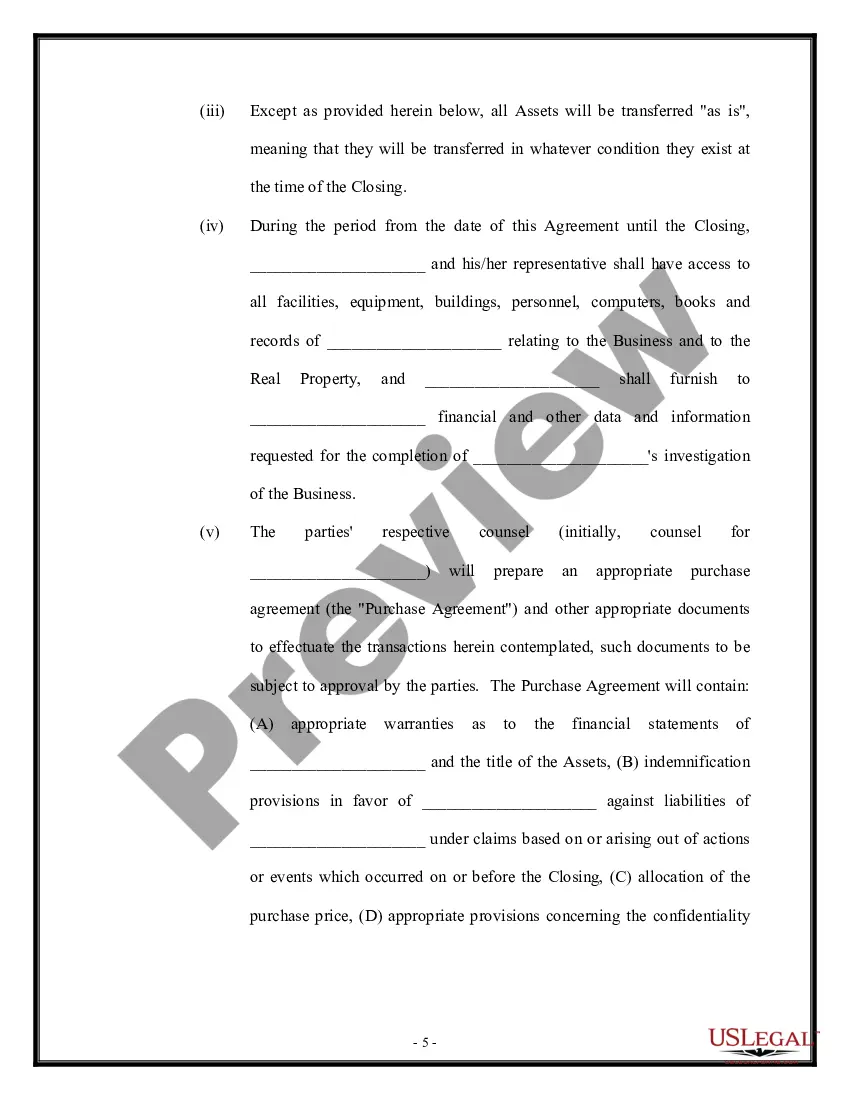
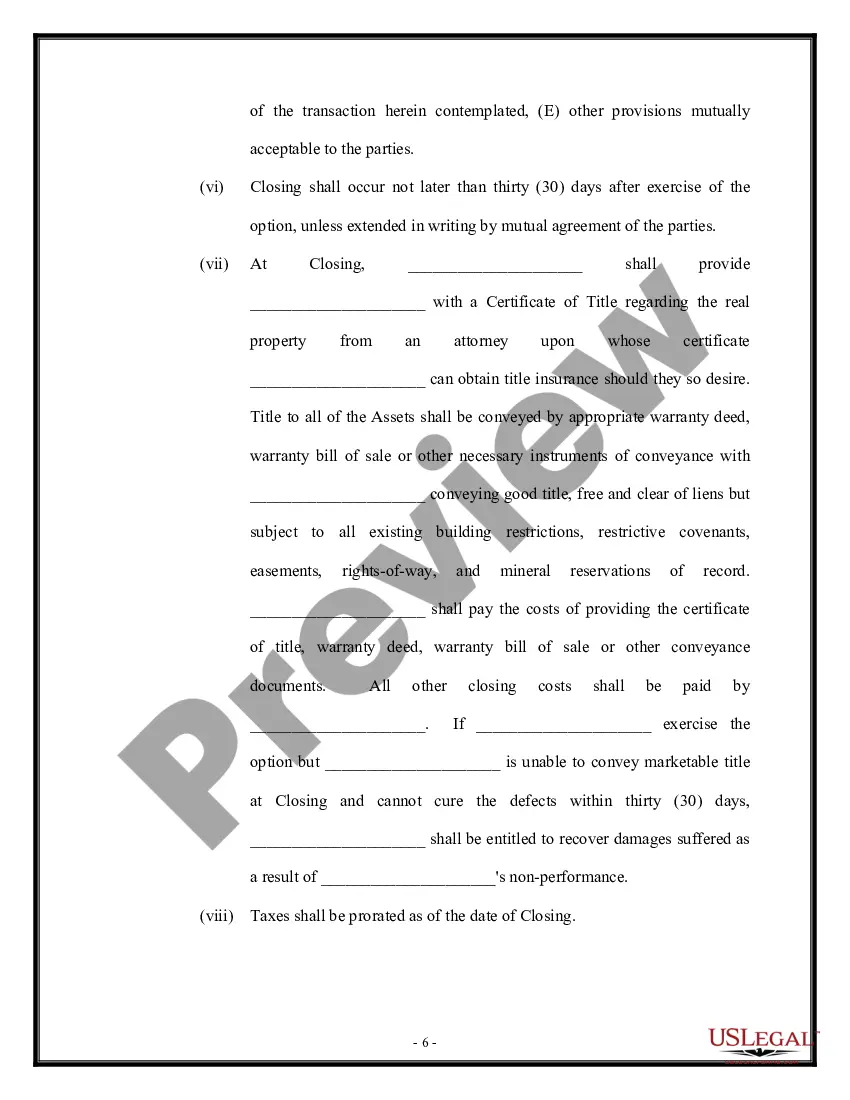
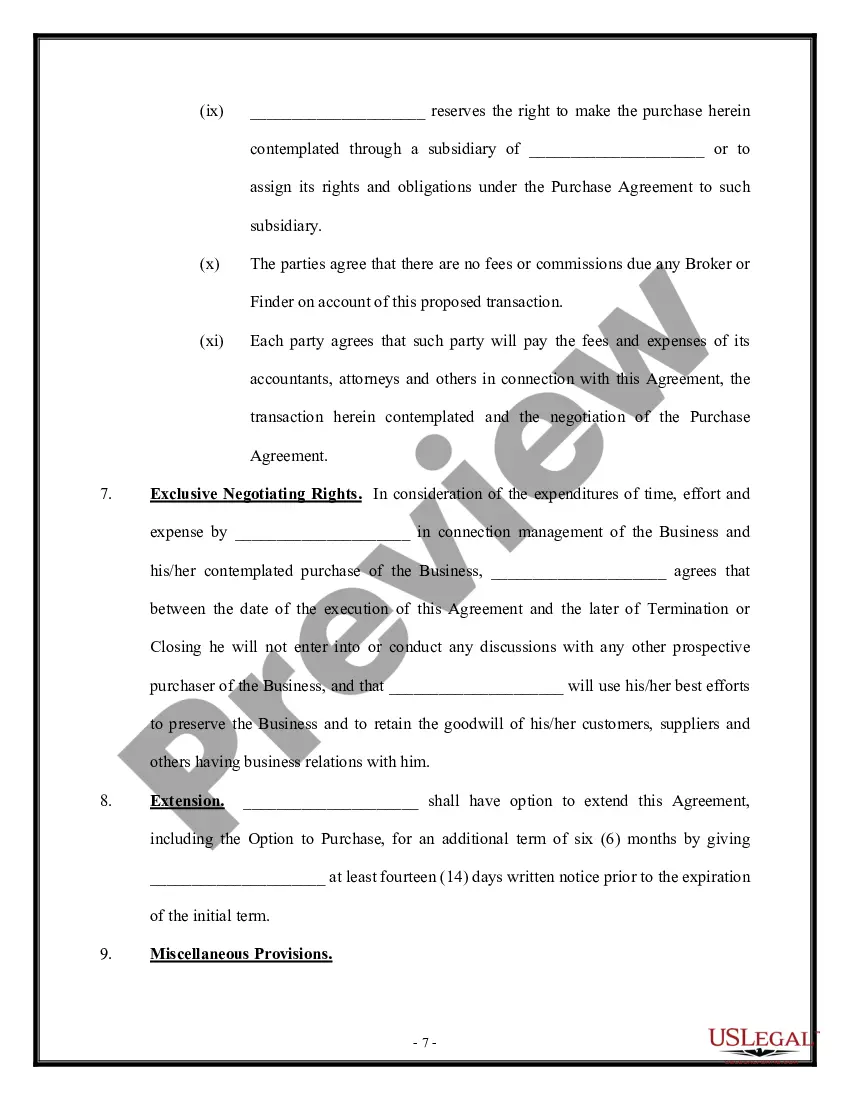
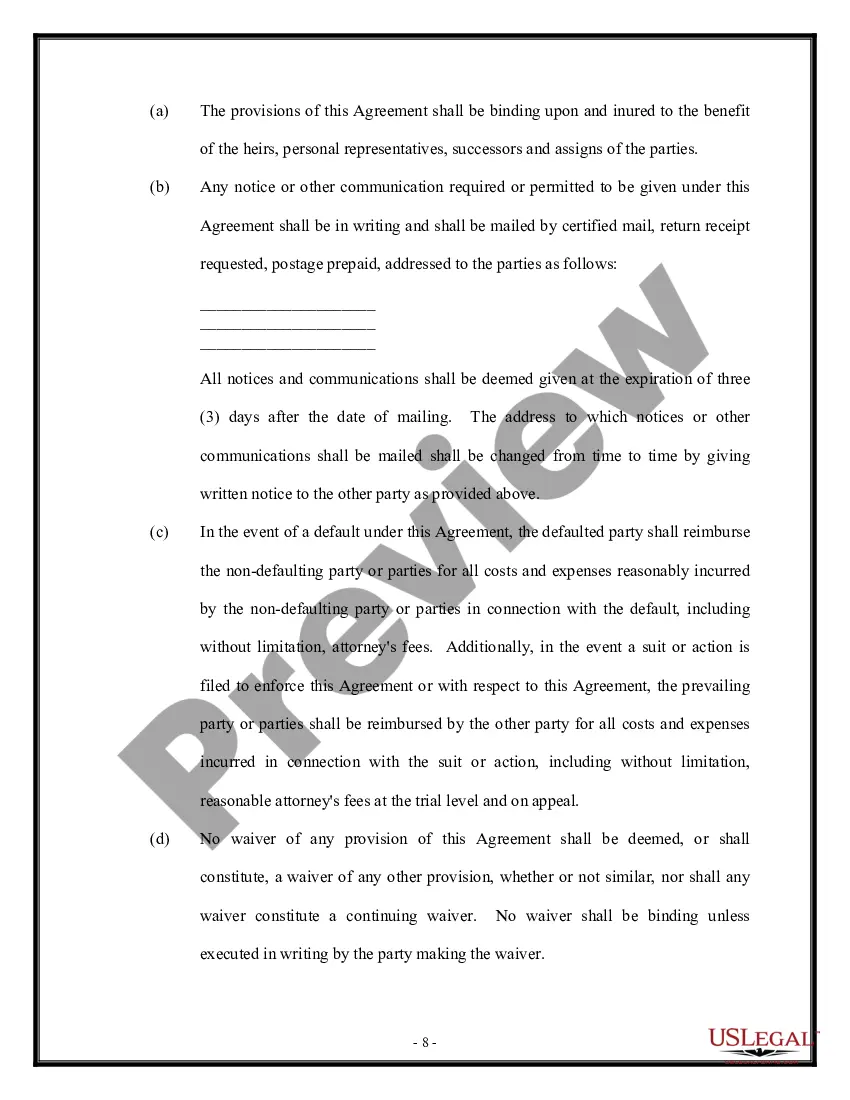
Get your form ready online
Our built-in tools help you complete, sign, share, and store your documents in one place.
Make edits, fill in missing information, and update formatting in US Legal Forms—just like you would in MS Word.
Download a copy, print it, send it by email, or mail it via USPS—whatever works best for your next step.
Sign and collect signatures with our SignNow integration. Send to multiple recipients, set reminders, and more. Go Premium to unlock E-Sign.
If this form requires notarization, complete it online through a secure video call—no need to meet a notary in person or wait for an appointment.
We protect your documents and personal data by following strict security and privacy standards.

Make edits, fill in missing information, and update formatting in US Legal Forms—just like you would in MS Word.

Download a copy, print it, send it by email, or mail it via USPS—whatever works best for your next step.

Sign and collect signatures with our SignNow integration. Send to multiple recipients, set reminders, and more. Go Premium to unlock E-Sign.

If this form requires notarization, complete it online through a secure video call—no need to meet a notary in person or wait for an appointment.

We protect your documents and personal data by following strict security and privacy standards.
Looking for another form?



Form popularity
FAQ
A construction management agreement (CMA) outlines and formalizes the distinct roles, duties, and commitments of both parties during the contract period. It also specifies compensation and potential financial responsibilities for both parties.
Contract documents contain two technical parts of every design package: 1) construction drawings (sometimes called “blueprints” or “schematics”), and 2) written specifications either directly on the drawings or as an additional booklet.
The contract documents will typically comprise of the following: The agreement. The particular conditions of contract. The general conditions of contract. The specification. The drawings. The bills of quantities. Any other documents.
And even though contracts are infinitely varied in length, terms, and complexity, all contracts must contain these six essential elements. Offer. Acceptance. Awareness. Consideration. Capacity. Legality.
A means to protect the rights of both the client/owner and the contractor, a construction contract typically contains specifications on the definition of the project, the rights and duties for each party, compensation and how it will be distributed, conditions (general and specific), as well as delay terms and other ...
Essentially, a CM contract is one whereby the Owner enters into an arrangement for someone, often a registered builder although it is not a requirement, to manage the construction works. This is in contrast to a 'traditional' building contract whereby the Owner enters into a contract with a Builder directly.
Best Practices for Writing Documentation: Include a README file that contains. Allow issue tracker for others. Write an API documentation. Document your code. Apply coding conventions, such as file organization, comments, naming conventions, programming practices, etc. Include information for contributors.
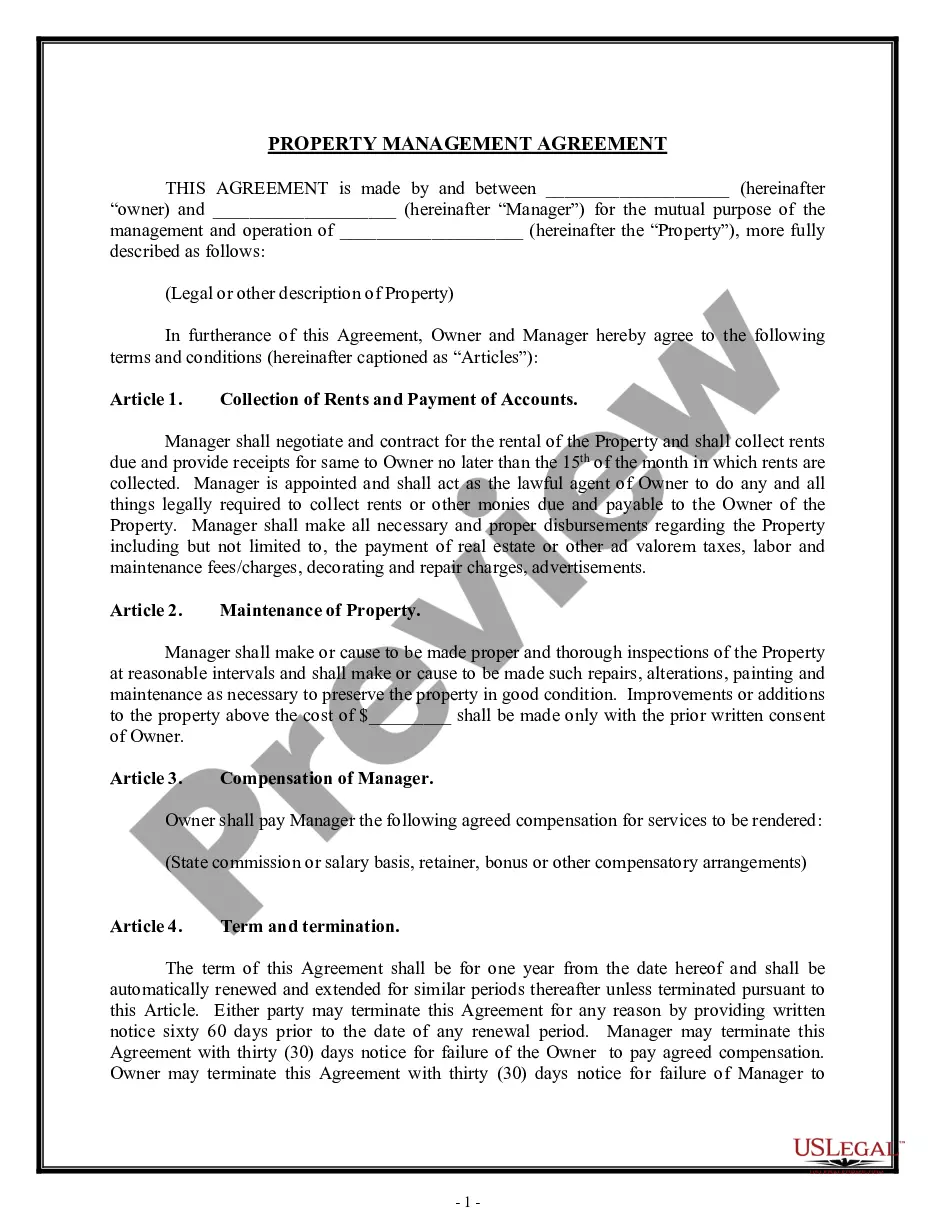
A property management agreement is a contract offered to an individual on behalf of the owner, which outlines the property's management, whether commercial or residential.
Can anyone make a legally binding contract? Yes, almost anyone can make a legally binding contract between two parties if all the abovementioned conditions are met. The contract must involve legal subject matter, and both parties must freely consent to the terms.
The stages of contract management can be broken down into pre-signature (creation, negotiation/collaboration, and review/approval) and post-signature (administration/execution, renewal/termination, and reporting/tracking).
