Formal Agreement Example In Hillsborough
Description

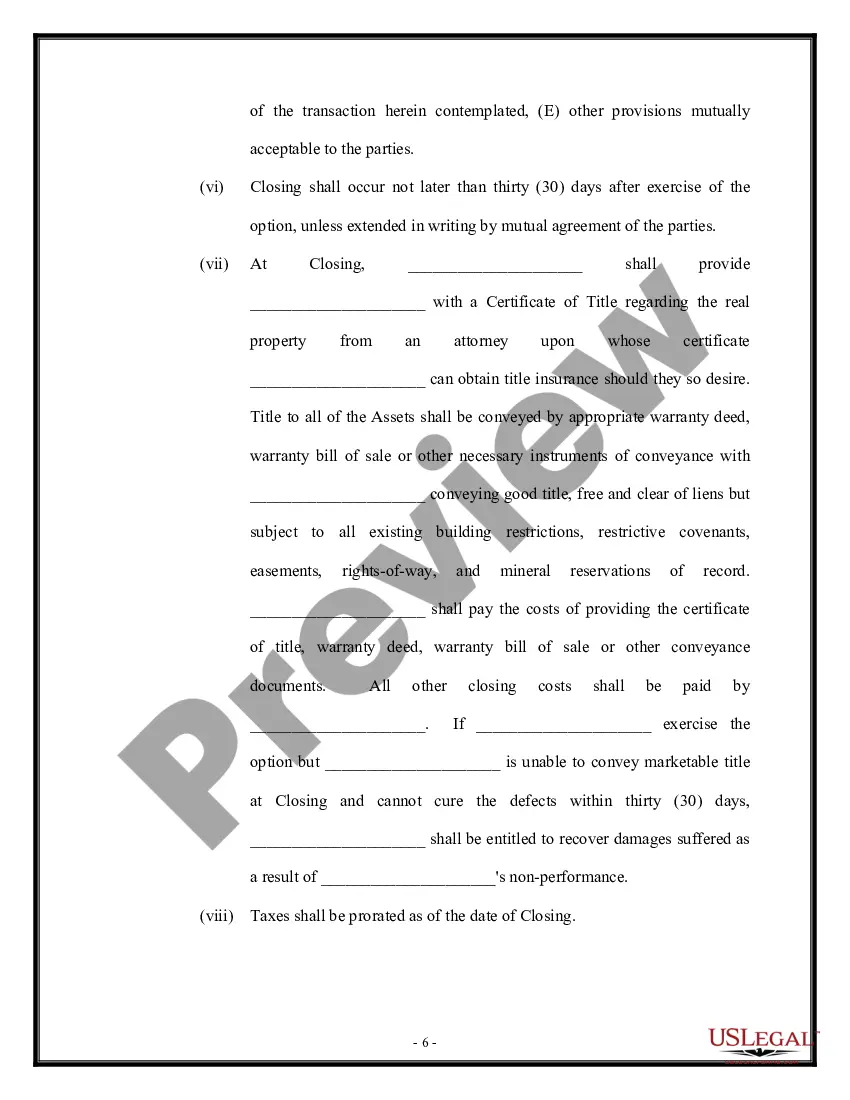
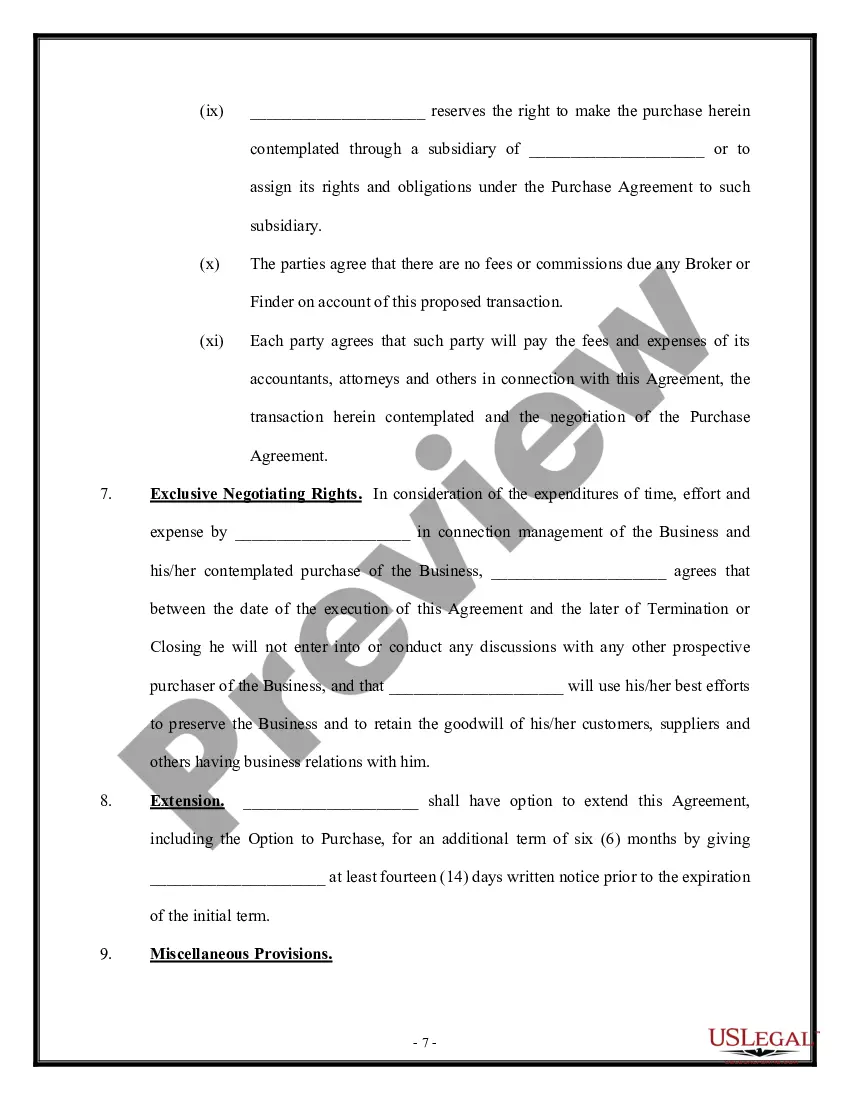
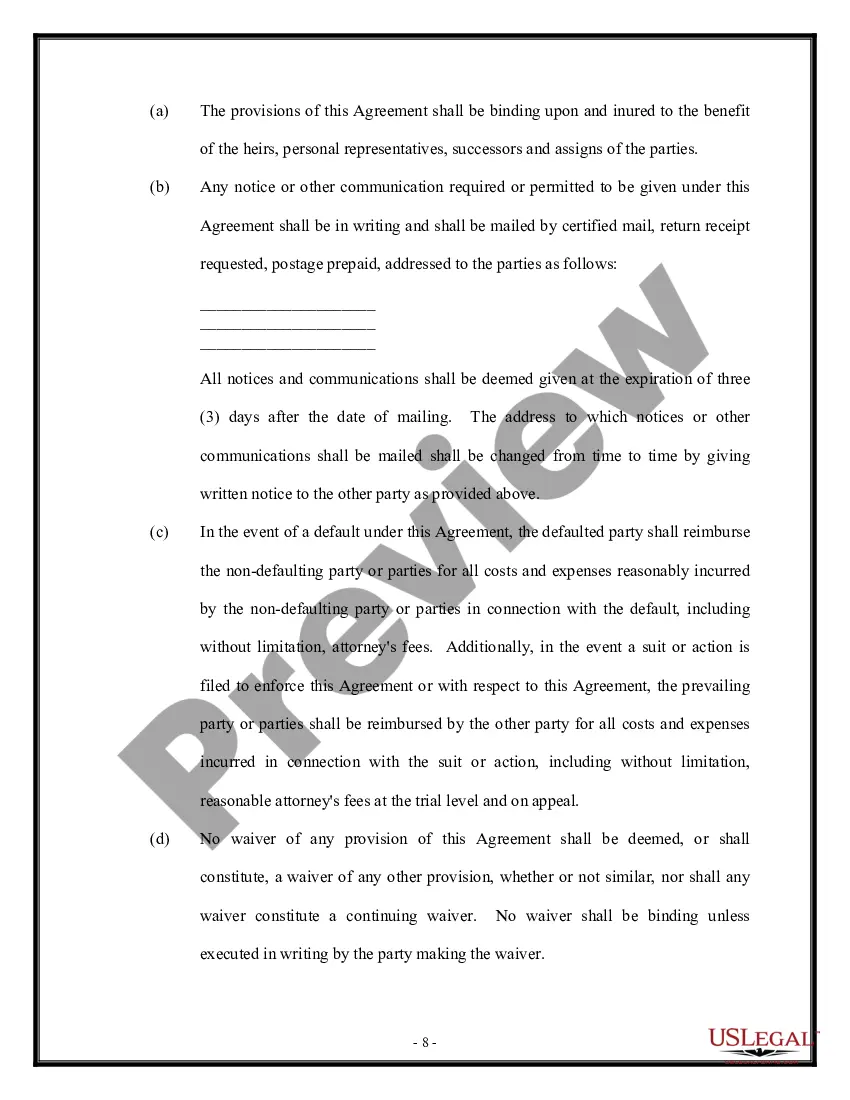
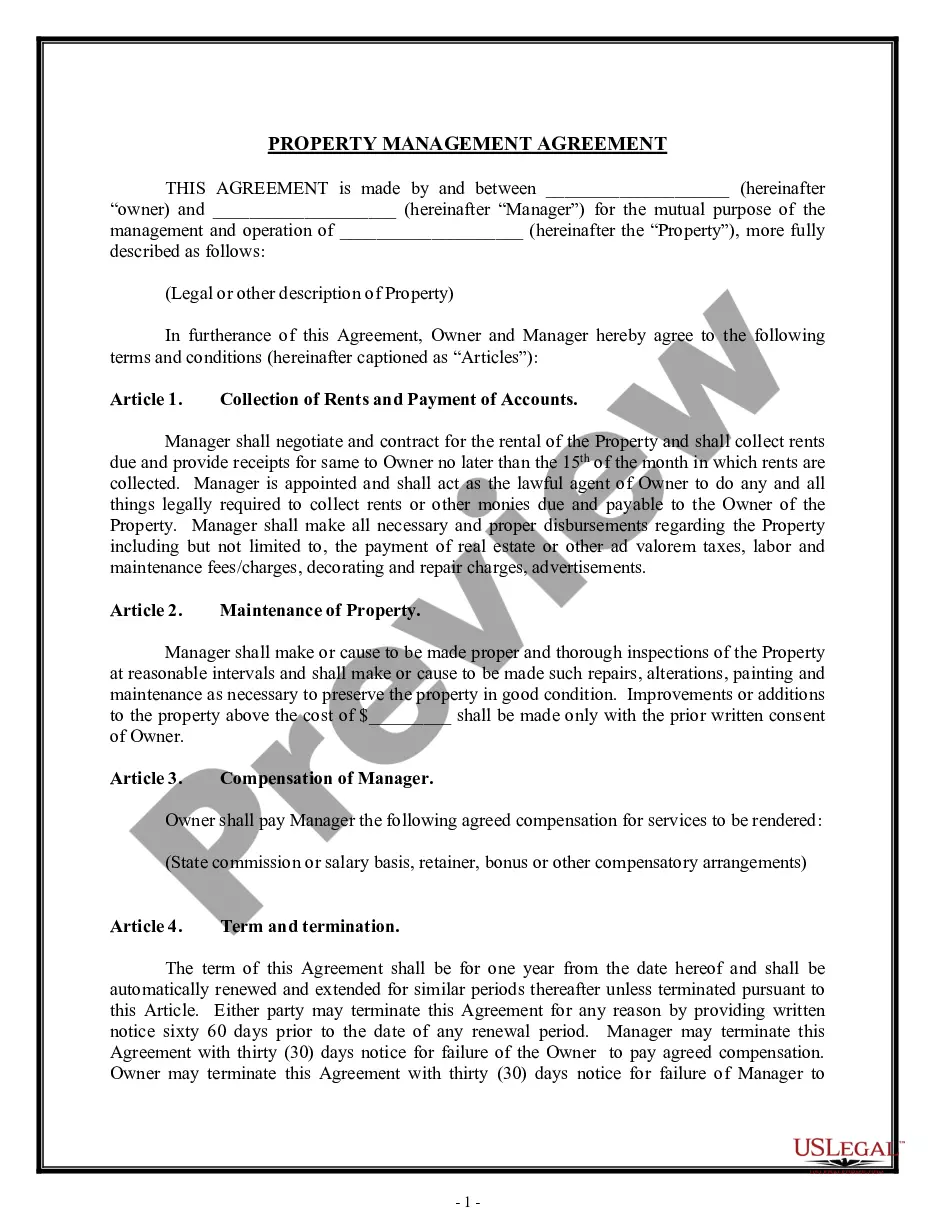
Get your form ready online
Our built-in tools help you complete, sign, share, and store your documents in one place.
Make edits, fill in missing information, and update formatting in US Legal Forms—just like you would in MS Word.
Download a copy, print it, send it by email, or mail it via USPS—whatever works best for your next step.
Sign and collect signatures with our SignNow integration. Send to multiple recipients, set reminders, and more. Go Premium to unlock E-Sign.
If this form requires notarization, complete it online through a secure video call—no need to meet a notary in person or wait for an appointment.
We protect your documents and personal data by following strict security and privacy standards.

Make edits, fill in missing information, and update formatting in US Legal Forms—just like you would in MS Word.

Download a copy, print it, send it by email, or mail it via USPS—whatever works best for your next step.

Sign and collect signatures with our SignNow integration. Send to multiple recipients, set reminders, and more. Go Premium to unlock E-Sign.

If this form requires notarization, complete it online through a secure video call—no need to meet a notary in person or wait for an appointment.

We protect your documents and personal data by following strict security and privacy standards.
Looking for another form?







Form popularity
FAQ
The basic elements required for the agreement to be a legally enforceable contract are: mutual assent, expressed by a valid offer and acceptance; adequate consideration; capacity; and legality. In some states, elements of consideration can be satisfied by a valid substitute.
It is still legally binding and enforceable, but it may not have all the formalities of a traditional contract. For example, if you agree to mow your neighbor's lawn every week in exchange for them walking your dog, that is an informal contract.
Informal contracts generally become legally binding contracts when there is: Mutual assent: This is fairly objective and can be shown when both parties agree to a singular offer. This can be either simple or complex. Consideration: This element conveys the intent between both parties toward the agreement.
Write the contract in six steps Start with a contract template. Open with the basic information. Describe in detail what you have agreed to. Include a description of how the contract will be ended. Write into the contract which laws apply and how disputes will be resolved. Include space for signatures.
An informal contract becomes binding when one party makes an offer and the other party accepts that offer. Life and health insurance policies are considered unilateral contracts because one party makes a promise, and the other party can only accept by performance.
Generally, a contract is only binding when all parties to the agreement sign. However, in some cases, you can still enforce an unsigned written contract. In such scenarios, if a party shows that they intend for the agreement to bind them, the contract can be legally binding and enforceable.
They're often written down and are, therefore, legally enforceable. However, informal contracts aren't formalized in this way. This means most informal contracts aren't legal agreements. Instead, they're based on trust between the two parties.
Recording Department Fees Document TypeCost Letter or Legal Size Documents First page of each document $13.00 Each additional page $5.00 Each additional page larger than legal size $10.006 more rows
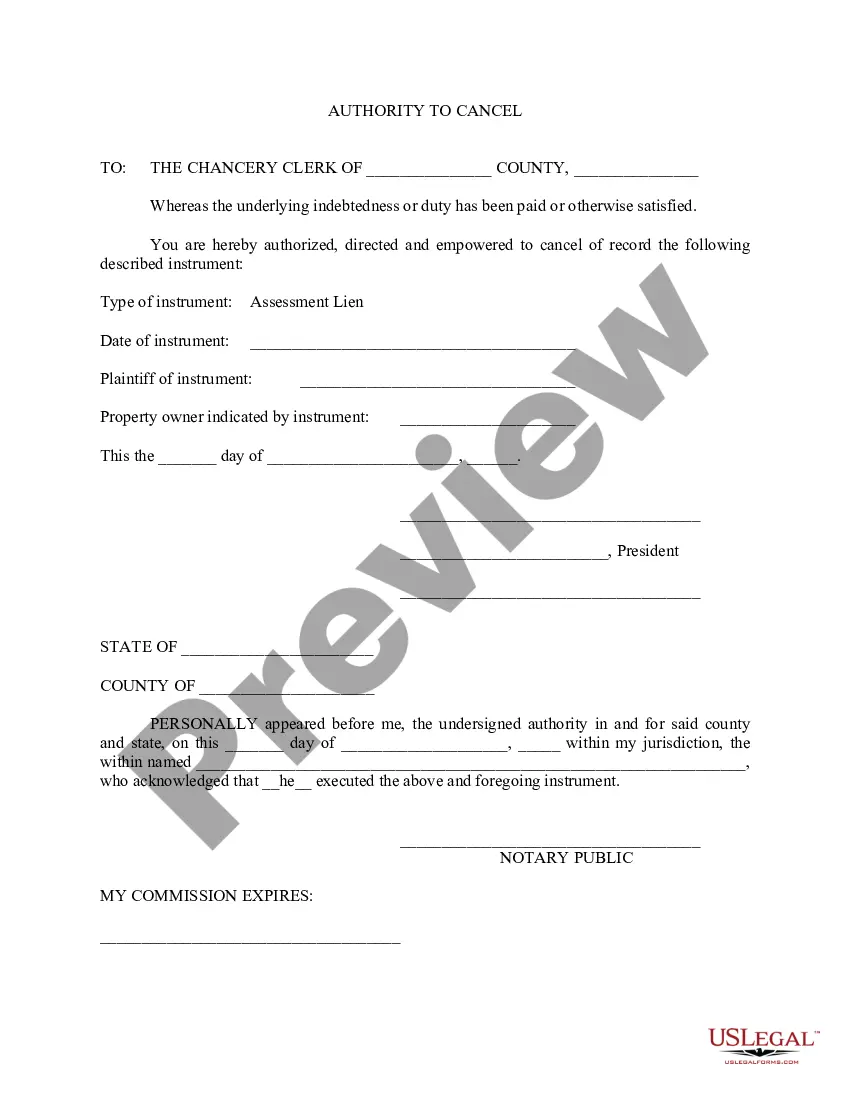
Identifying a lien If not known, verify owner of record by searching the owner name, address, or folio number of the property on the Property Appraiser's website. Check the property address for liens. Verify and obtain the lien information in the Clerk of Circuit Court Records.
A person can file a quitclaim deed by (1) entering the relevant information on a quitclaim deed form, (2) signing the deed with two witnesses and a notary, and (3) recording the deed at the county comptroller's office. In Florida, quitclaim deeds must have the name and address of both the grantor and the grantee.
