Management Option Purchase Formula In Harris
Description

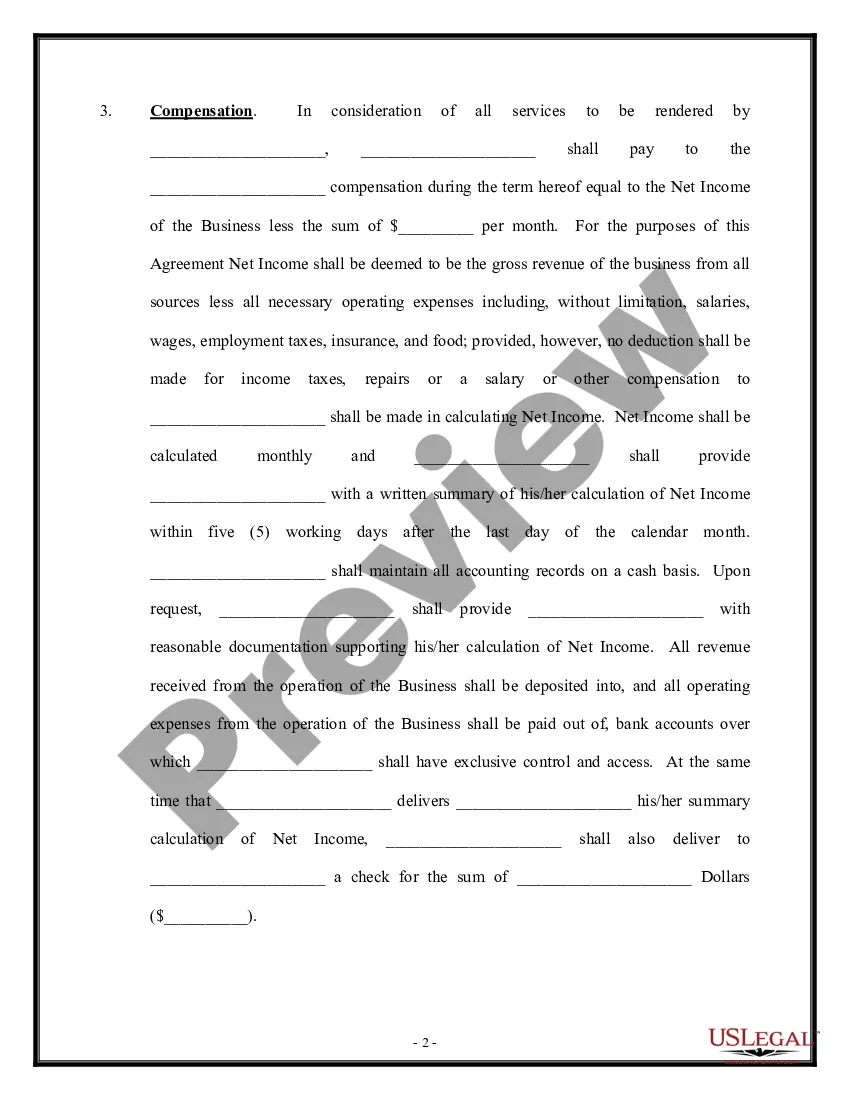
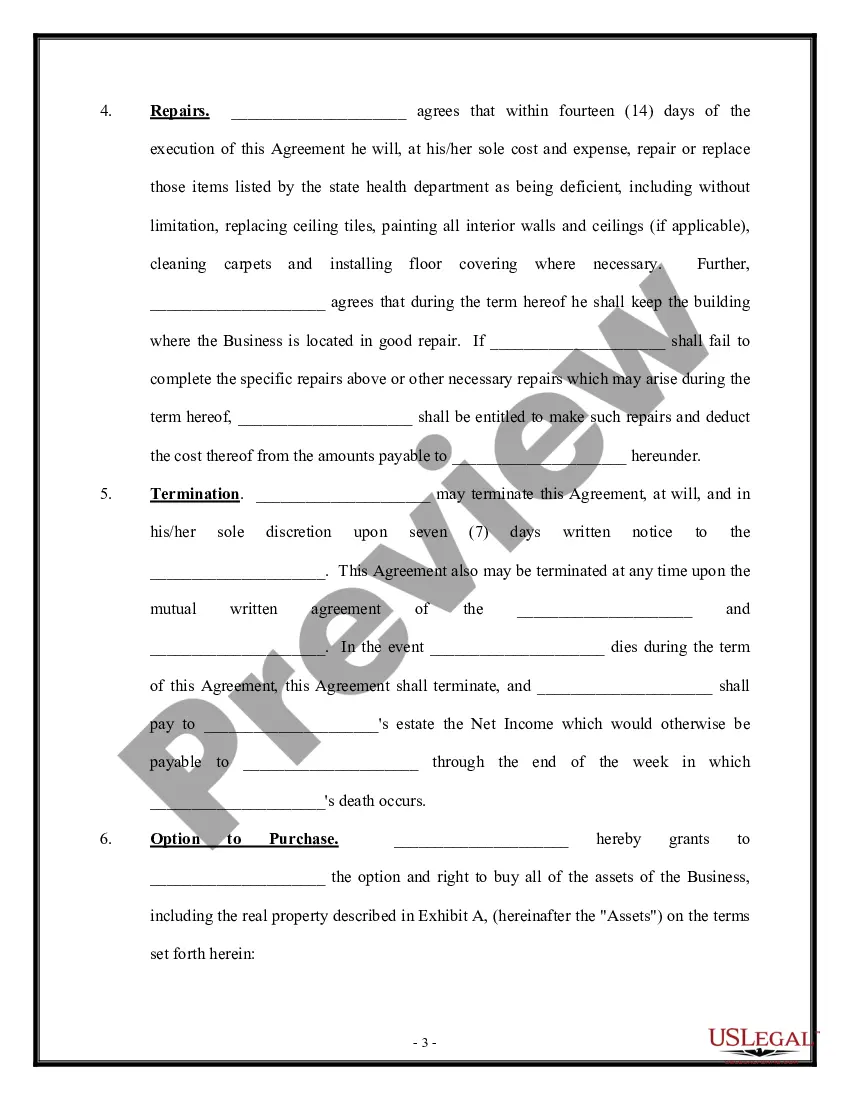
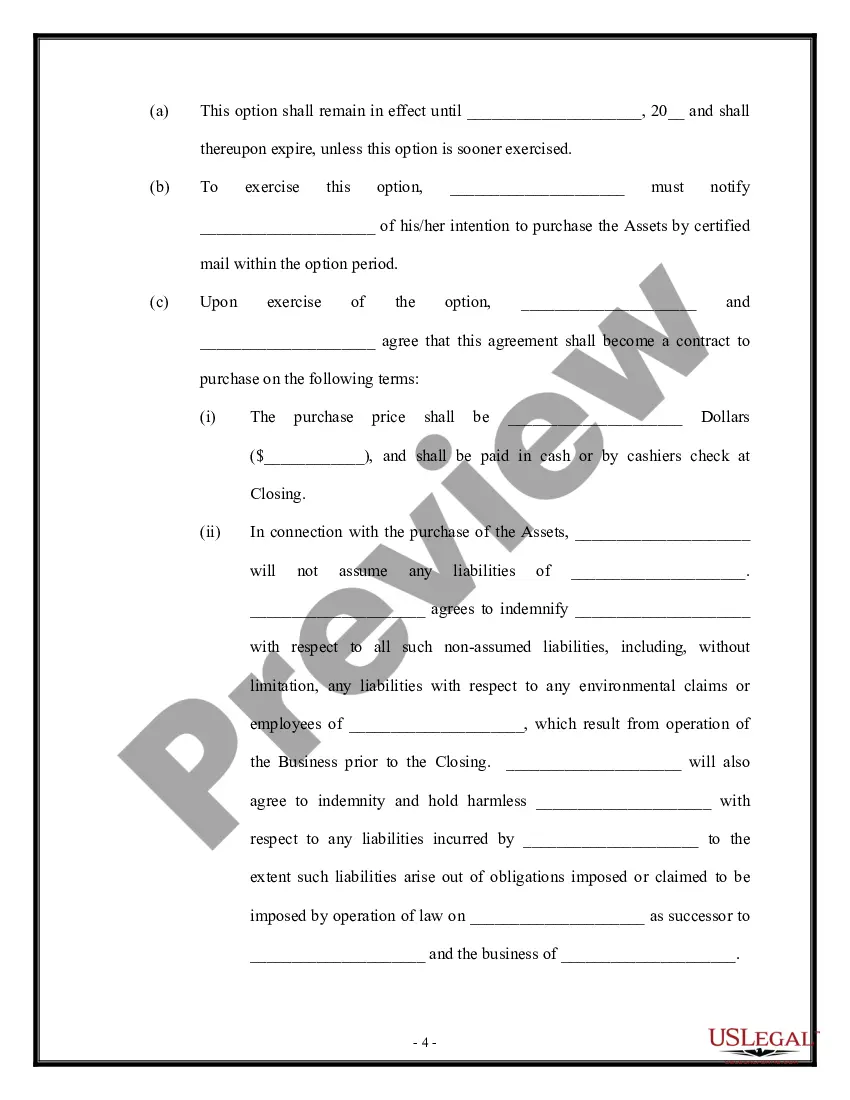
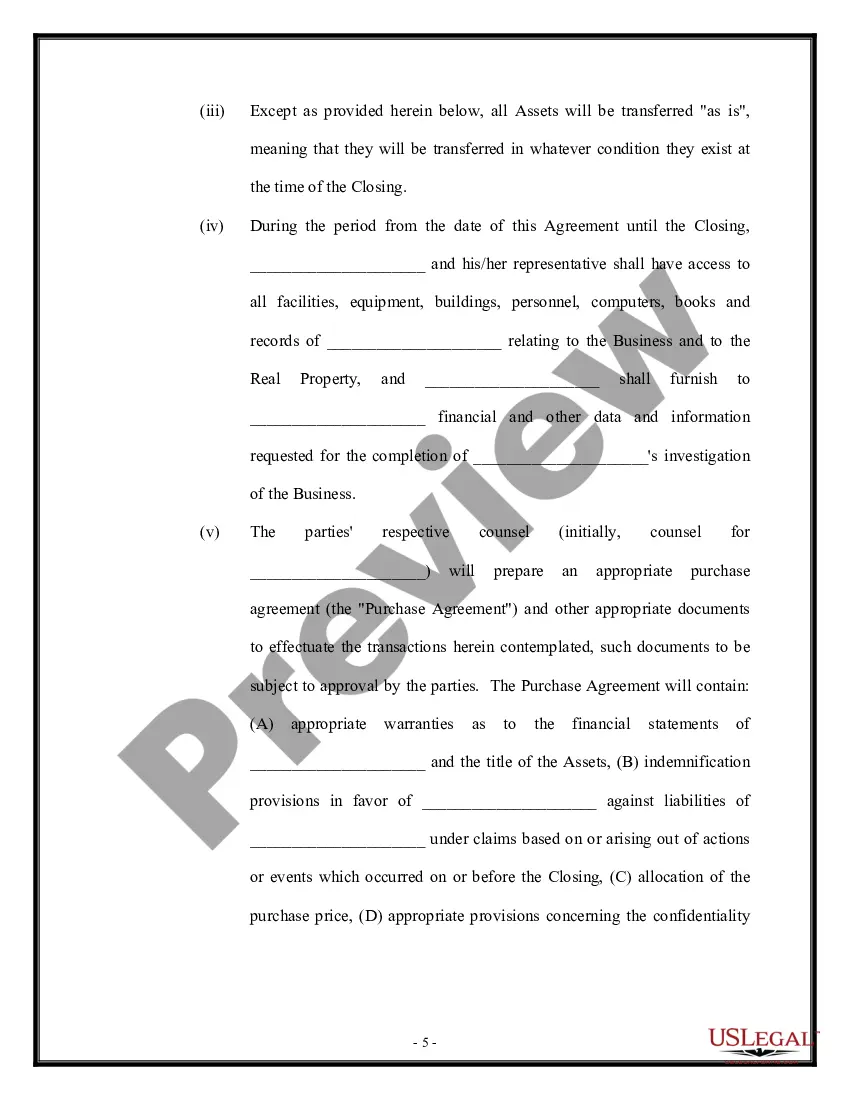
Get your form ready online
Our built-in tools help you complete, sign, share, and store your documents in one place.
Make edits, fill in missing information, and update formatting in US Legal Forms—just like you would in MS Word.
Download a copy, print it, send it by email, or mail it via USPS—whatever works best for your next step.
Sign and collect signatures with our SignNow integration. Send to multiple recipients, set reminders, and more. Go Premium to unlock E-Sign.
If this form requires notarization, complete it online through a secure video call—no need to meet a notary in person or wait for an appointment.
We protect your documents and personal data by following strict security and privacy standards.

Make edits, fill in missing information, and update formatting in US Legal Forms—just like you would in MS Word.

Download a copy, print it, send it by email, or mail it via USPS—whatever works best for your next step.

Sign and collect signatures with our SignNow integration. Send to multiple recipients, set reminders, and more. Go Premium to unlock E-Sign.

If this form requires notarization, complete it online through a secure video call—no need to meet a notary in person or wait for an appointment.

We protect your documents and personal data by following strict security and privacy standards.
Looking for another form?







Form popularity
FAQ
Dannemiller version: C = D × V × F > R Dannemiller reframed the formula with a focus on overcoming resistance to change: C = D × V × F > R.
The change equation is a nice and simple way to demonstrate how to overcome resistance to change. Developed by Richard Beckhard and David Gleicher, the change equation shows us that certain forces added together need to be greater than resistance in order for change to succeed and stick.
If the current and voltage drop through the resistor is known, the resistance can be calculated using Ohm's law. This law states that R=V/I.
In summary, the DxVxF > R formula is a helpful tool for change management as it helps organizations to understand the drivers of resistance to change and how to overcome it by highlighting the importance of dissatisfaction with the current state, a clear vision of the future, and the benefits of the change outweighing ...
The higher the volatility of the underlying asset, the higher the option premium. The formula for calculating the option premium is as follows: Option premium = Intrinsic value + Time value + Volatility value.
