All Business Purchase Formulas Edexcel In Florida
Description


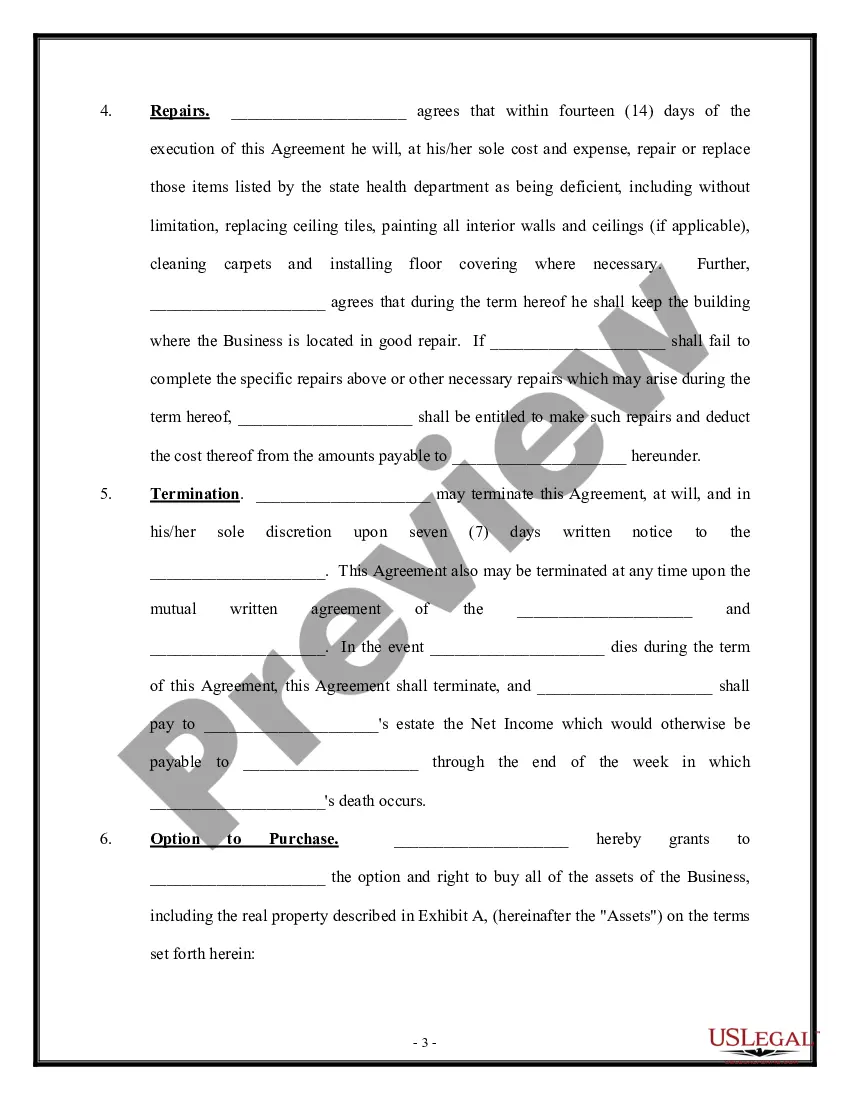
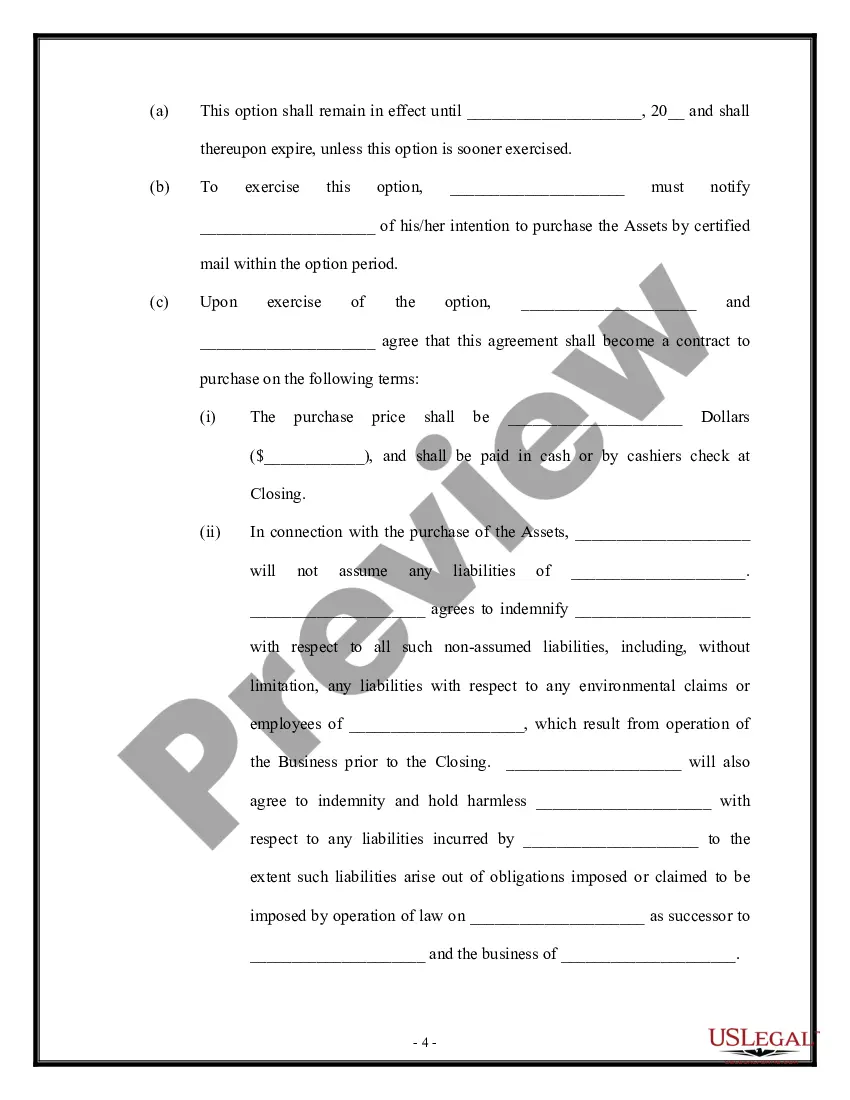
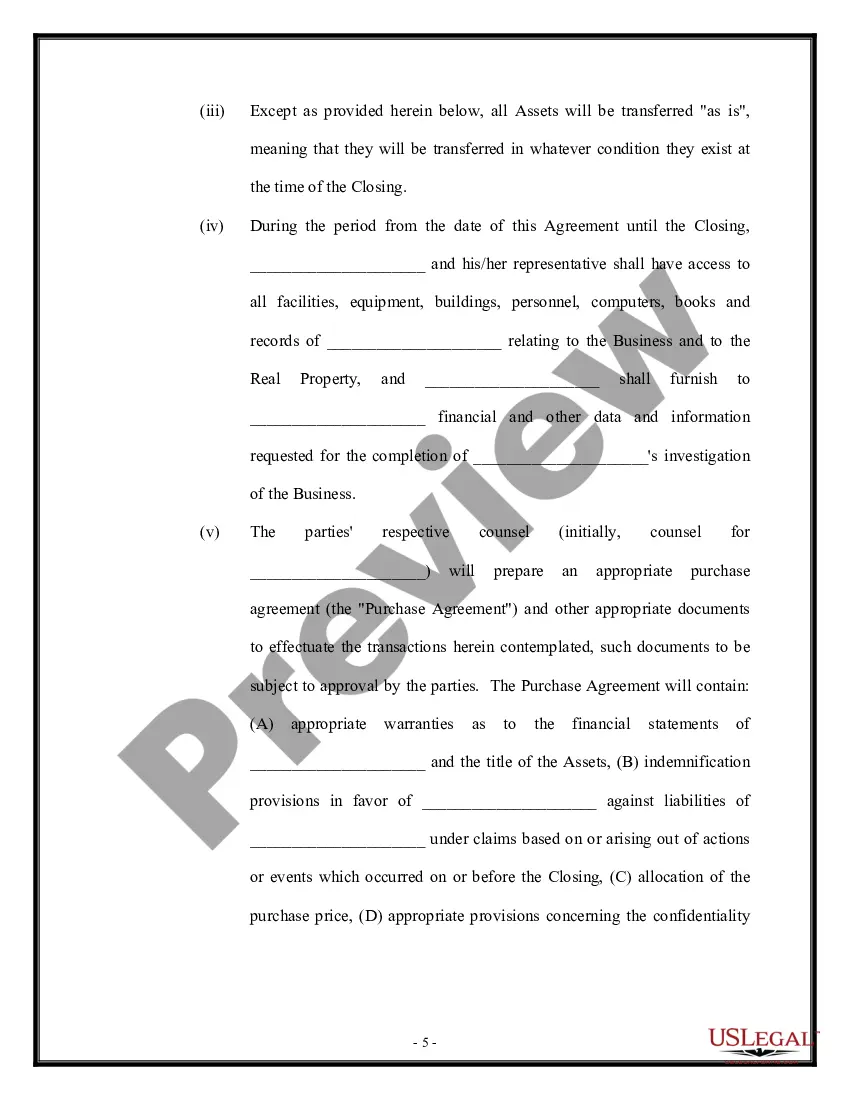
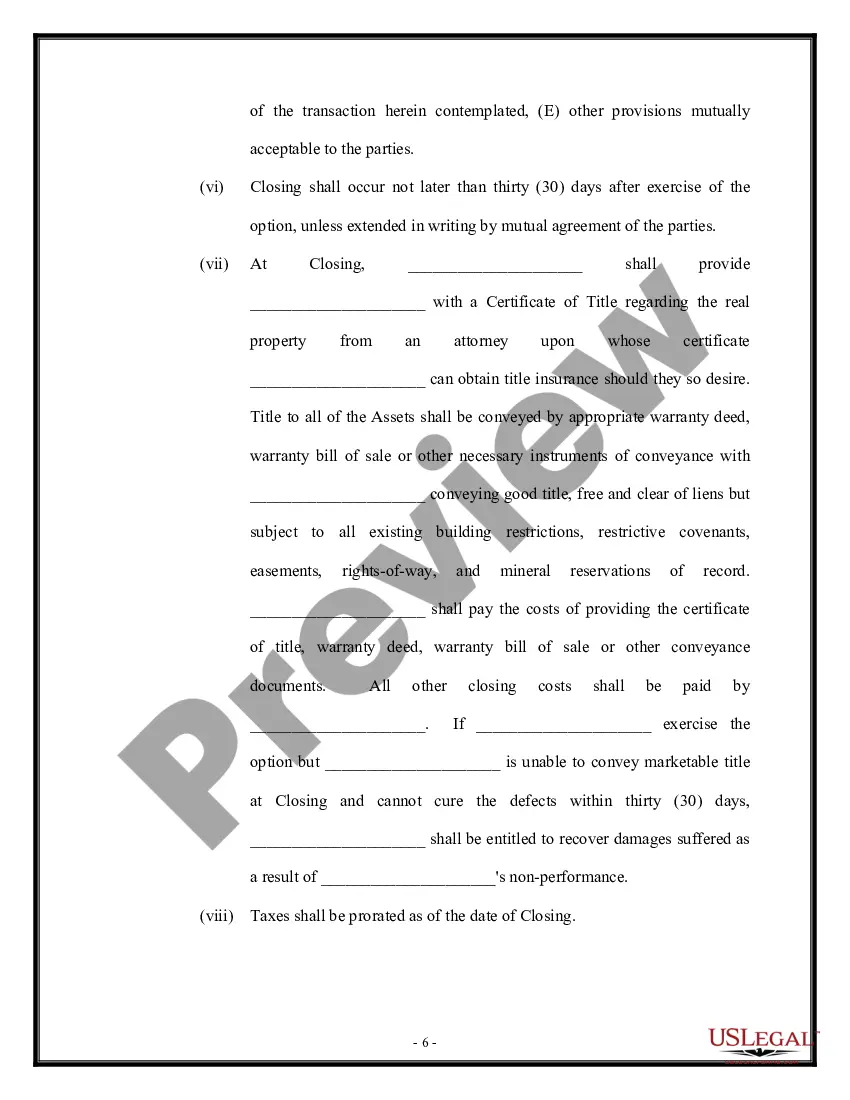
Get your form ready online
Our built-in tools help you complete, sign, share, and store your documents in one place.
Make edits, fill in missing information, and update formatting in US Legal Forms—just like you would in MS Word.
Download a copy, print it, send it by email, or mail it via USPS—whatever works best for your next step.
Sign and collect signatures with our SignNow integration. Send to multiple recipients, set reminders, and more. Go Premium to unlock E-Sign.
If this form requires notarization, complete it online through a secure video call—no need to meet a notary in person or wait for an appointment.
We protect your documents and personal data by following strict security and privacy standards.

Make edits, fill in missing information, and update formatting in US Legal Forms—just like you would in MS Word.

Download a copy, print it, send it by email, or mail it via USPS—whatever works best for your next step.

Sign and collect signatures with our SignNow integration. Send to multiple recipients, set reminders, and more. Go Premium to unlock E-Sign.

If this form requires notarization, complete it online through a secure video call—no need to meet a notary in person or wait for an appointment.

We protect your documents and personal data by following strict security and privacy standards.
Looking for another form?








Form popularity
FAQ
Who Must File? All corporations (including tax-exempt organizations) doing business, earning income, or existing in Florida.
To file your annual income tax return, you will need to use Schedule C (Form 1040), Profit or Loss from Business (Sole Proprietorship), to report any income or loss from a business you operated or profession you practiced as a sole proprietor, or gig work performed.
What are business rules? Business rules guide the everyday decision-making within businesses by outlining the relationships between objects, such as customer names and their corresponding orders.
One way to calculate a business's valuation is to subtract liabilities from assets. However, this simple method doesn't always provide the full picture of a company's value. This is why several other methods exist.
Profit Margin = (Net Income / Revenue) x 100 To use this formula, you need to first calculate the net income and revenue for the relevant period. Net income is the total income earned by a business or product minus all expenses, including operating expenses, taxes, and interest payments.
