Operating Agreement Template For Corporation In Cook
Description

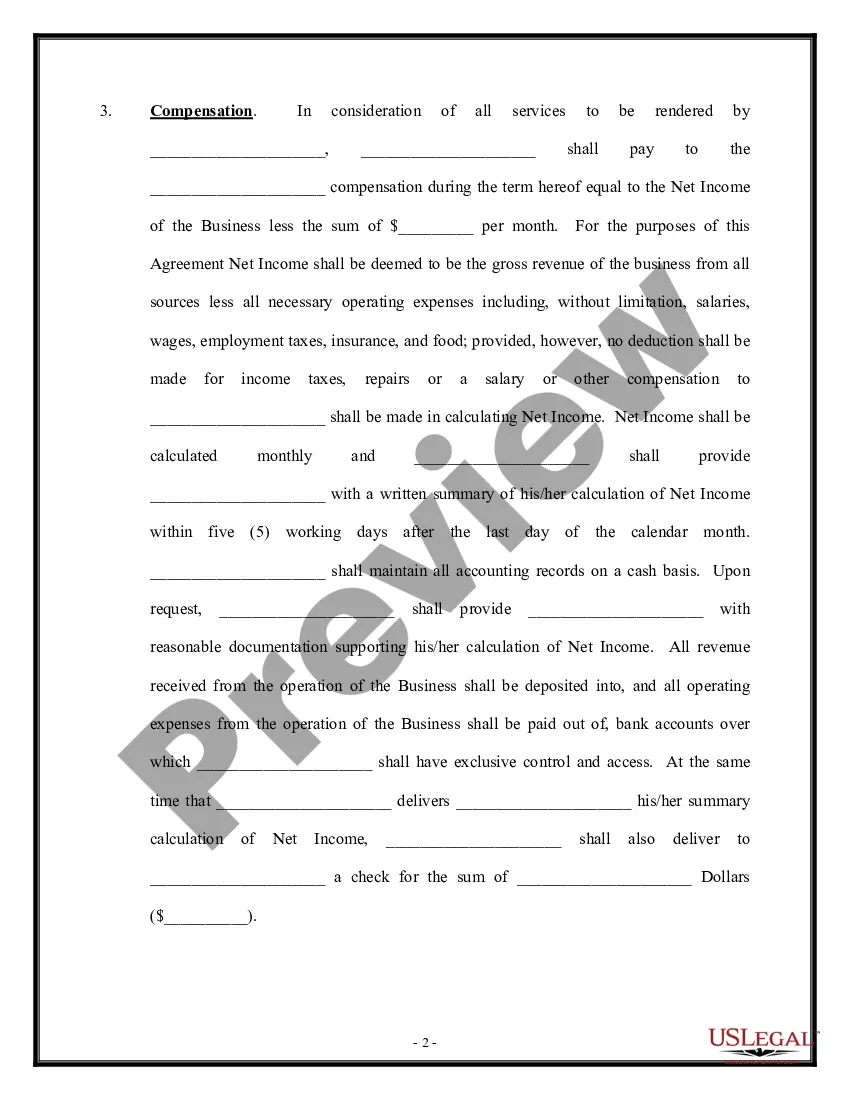
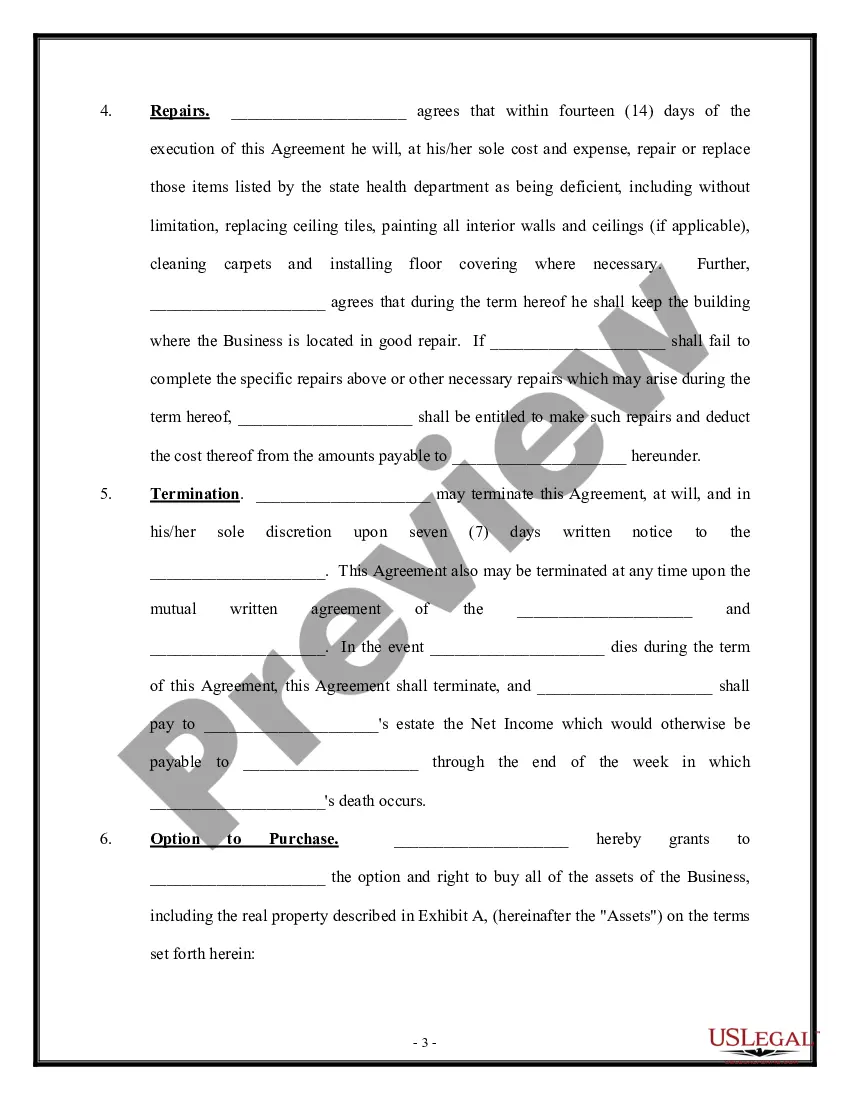
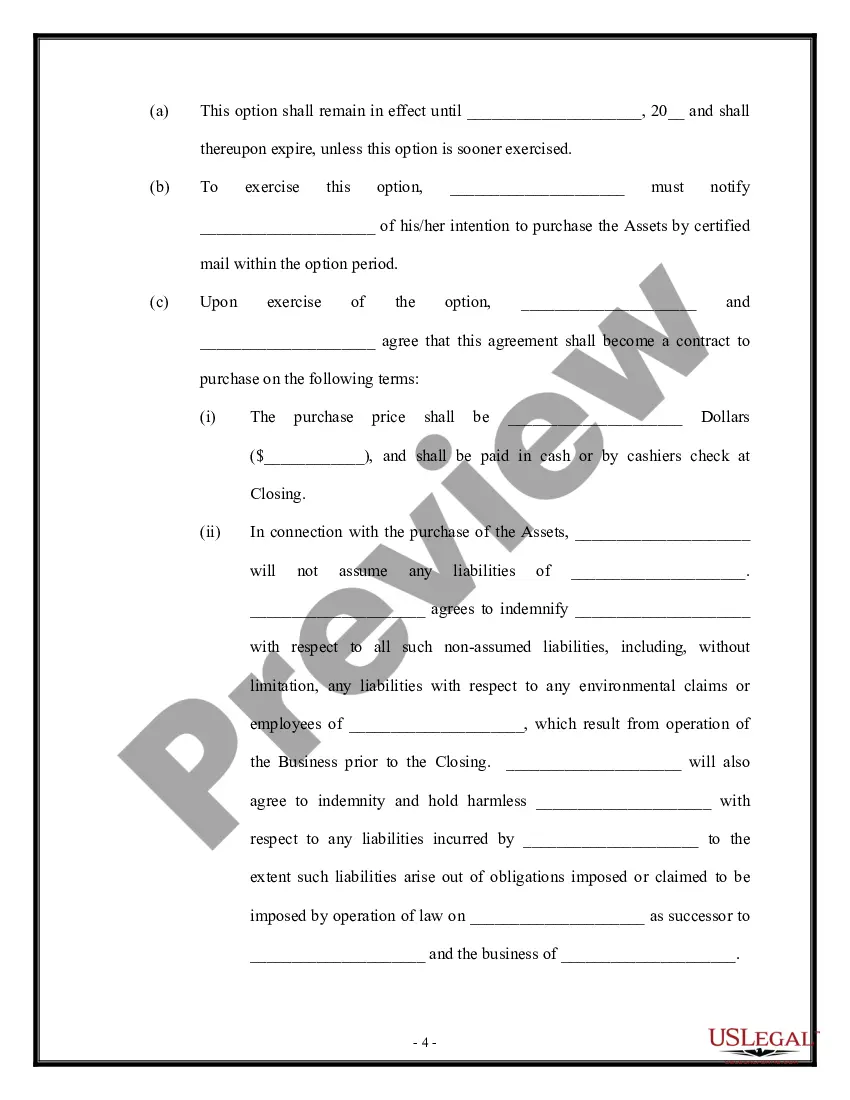
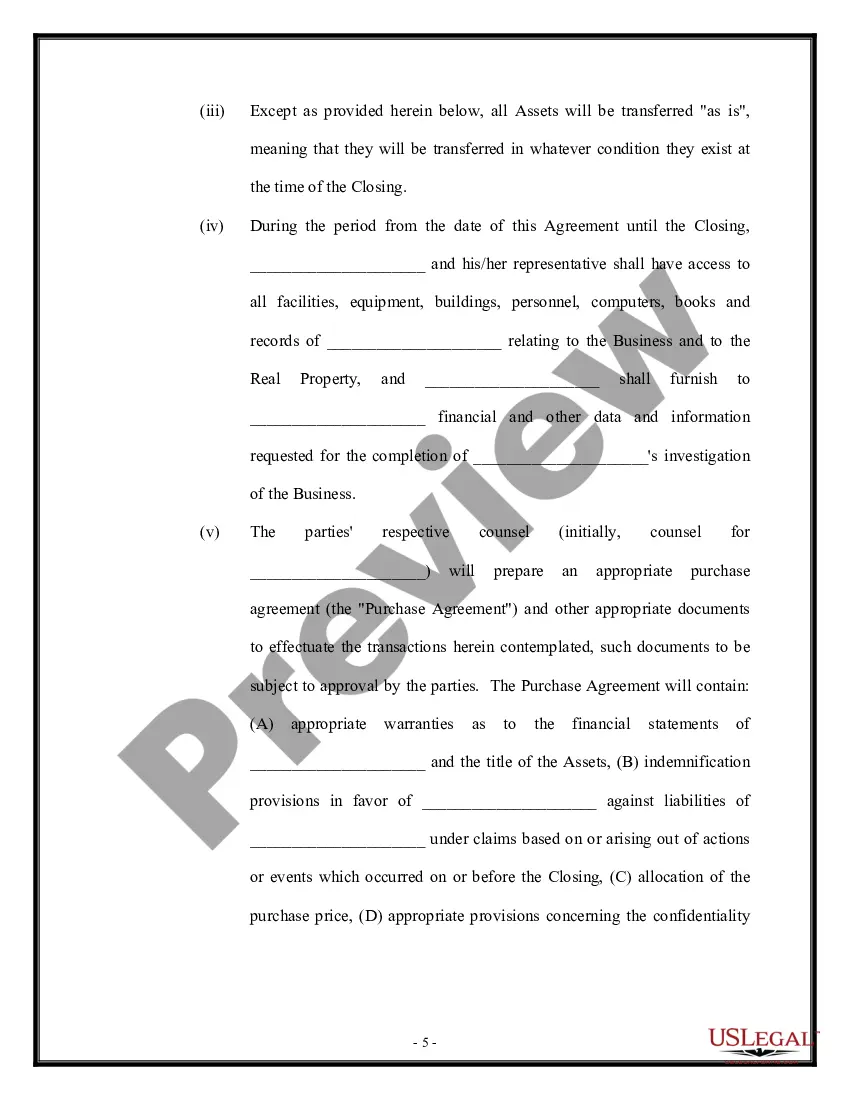
Get your form ready online
Our built-in tools help you complete, sign, share, and store your documents in one place.
Make edits, fill in missing information, and update formatting in US Legal Forms—just like you would in MS Word.
Download a copy, print it, send it by email, or mail it via USPS—whatever works best for your next step.
Sign and collect signatures with our SignNow integration. Send to multiple recipients, set reminders, and more. Go Premium to unlock E-Sign.
If this form requires notarization, complete it online through a secure video call—no need to meet a notary in person or wait for an appointment.
We protect your documents and personal data by following strict security and privacy standards.

Make edits, fill in missing information, and update formatting in US Legal Forms—just like you would in MS Word.

Download a copy, print it, send it by email, or mail it via USPS—whatever works best for your next step.

Sign and collect signatures with our SignNow integration. Send to multiple recipients, set reminders, and more. Go Premium to unlock E-Sign.

If this form requires notarization, complete it online through a secure video call—no need to meet a notary in person or wait for an appointment.

We protect your documents and personal data by following strict security and privacy standards.
Looking for another form?

Form popularity
FAQ
The first step in creating your operating agreement involves determining whether you'll draft it yourself or hire an attorney to do it for you. If you have a single-member LLC, you may decide to create it on your own using a template.
Their absence can lead to governance by default state laws, management, and financial disorganization, and increased legal vulnerabilities. LLCS should draft and maintain an operating agreement tailored to their specific business needs.
It is not a legal requirement in most states, but if you're in one of the five states that do require it, you'll need to have it ready to file along with your Articles of Organization. Operating agreements are required in the following states: California.
How to Write an Operating Agreement – Step by Step Step One: Determine Ownership Percentages. Step Two: Designate Rights, Responsibilities, and Compensation Details. Step Three: Define Terms of Joining or Leaving the LLC. Step Four: Create Dissolution Terms. Step Five: Insert a Severability Clause.
Increased Legal Vulnerability: An operating agreement strengthens the LLC's limited liability status, protecting your personal assets from business debts. Without it, there's a higher risk of personal liability for business obligations if the LLC is sued.
Once the document is signed by the members of the limited liability company, it acts as an official contract binding them to its terms.
For LLCs that document is your operating agreement. For Corporations, Social Purpose Corporations, Benefit Corporations, and Nonprofit Corporations, that document is your bylaws.
The key components of an operating agreement include the following: Ownership and Membership Interests. Management Structure. Profit and Loss Distribution. Voting Rights and Procedures. Roles and Responsibilities. Capital Contributions. Dissolution and Exit Strategy.
Bylaws and resolutions are the initial decisions of your corporation's board of directors and basic "operating rules" of your corporation. An operating agreement is a key document used by LLCs because it outlines the business' financial and functional decisions including rules, regulations and provisions.
