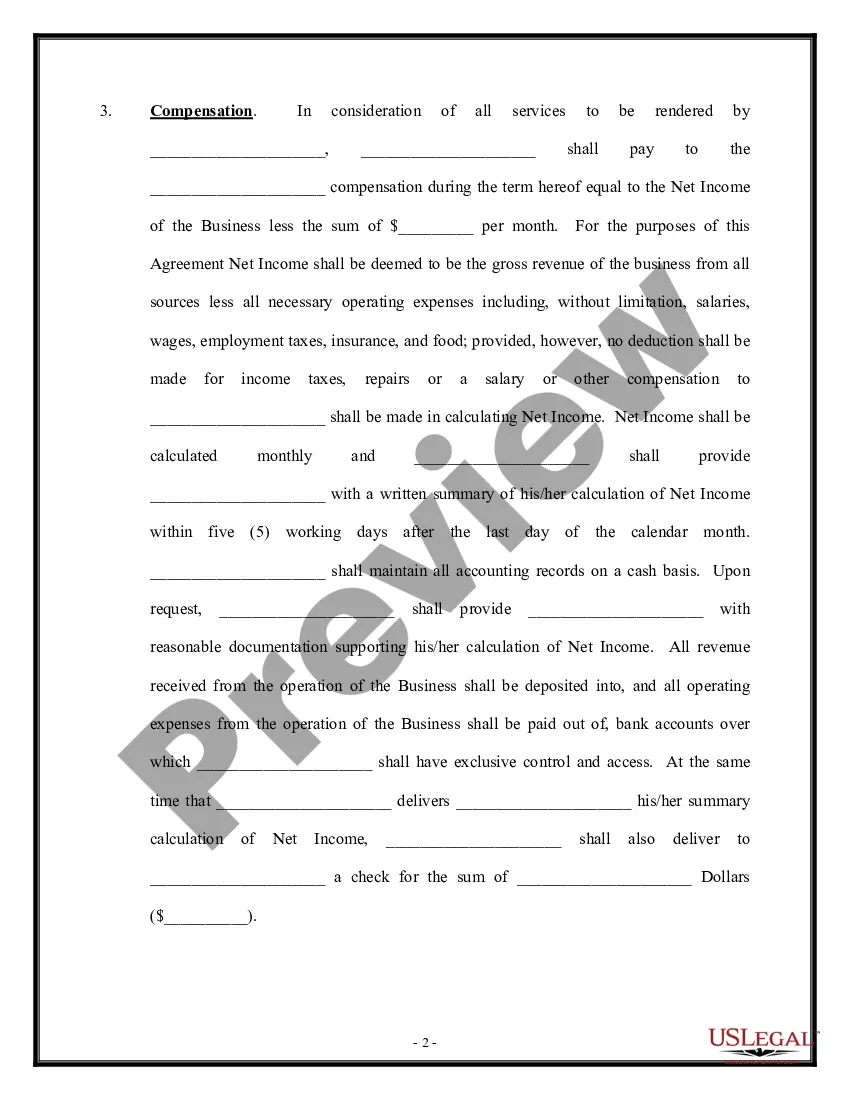
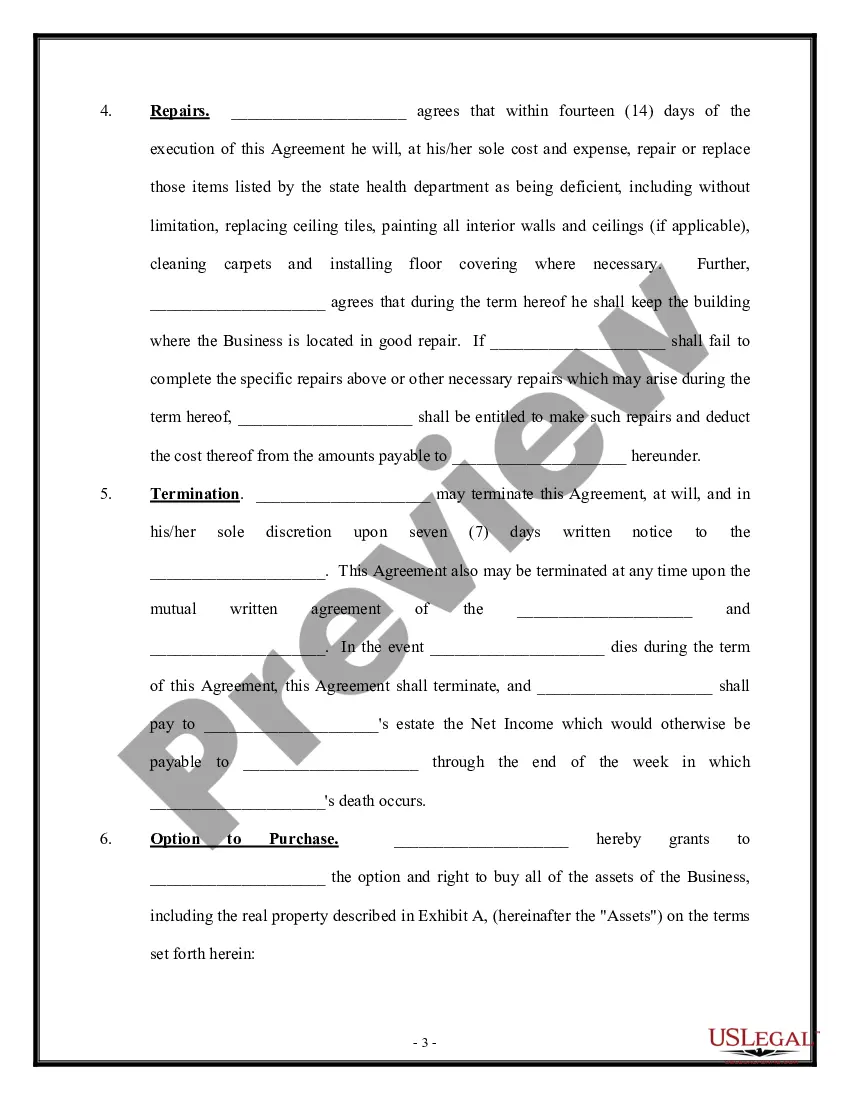
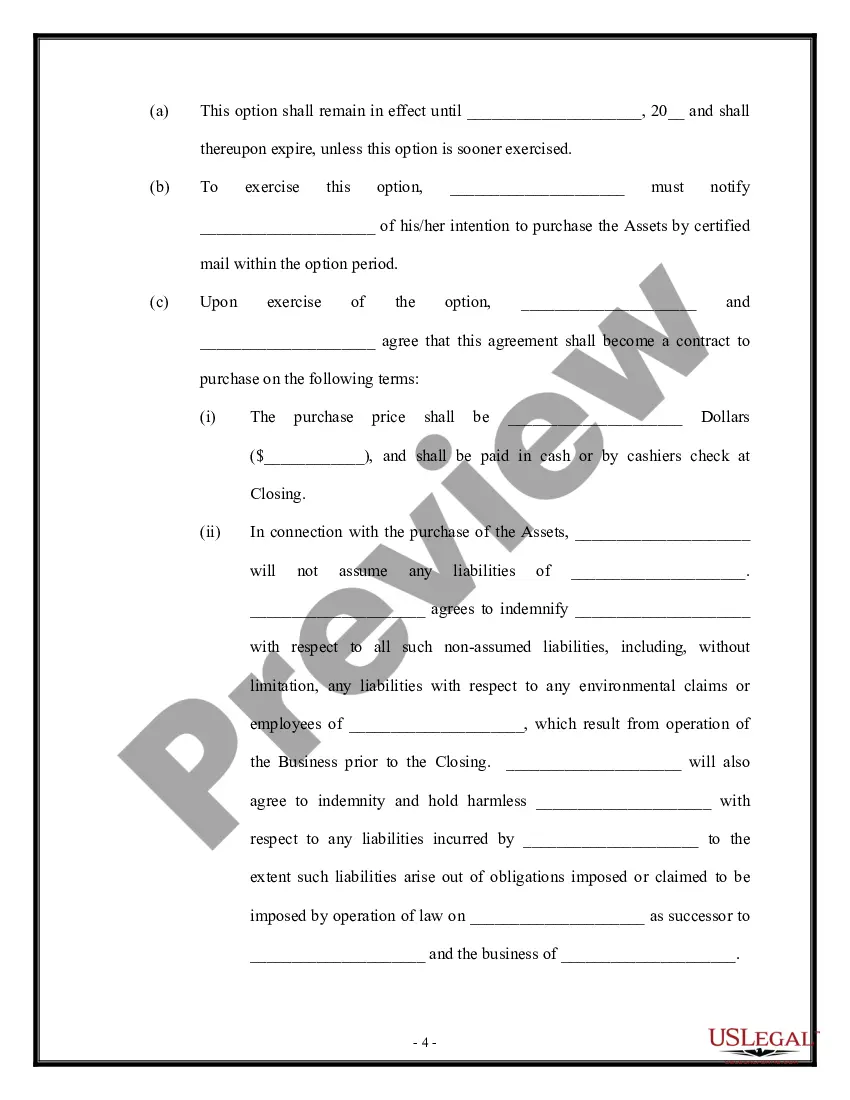
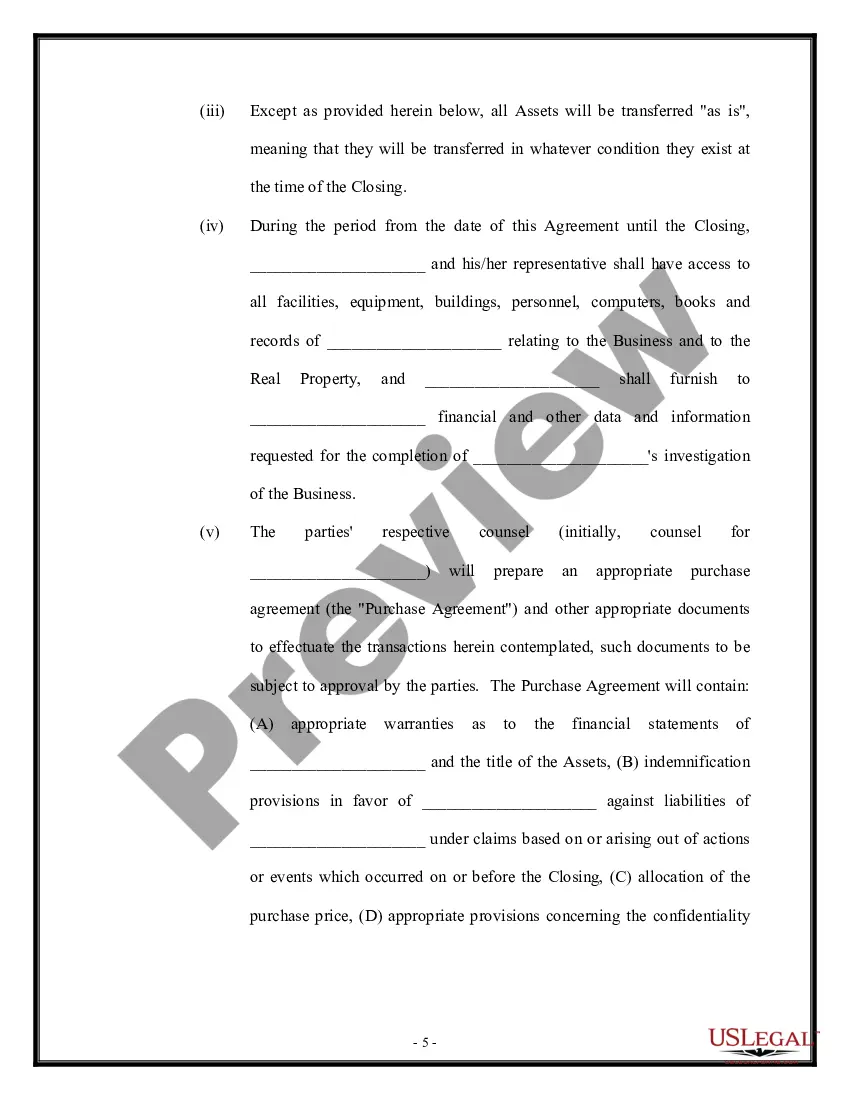
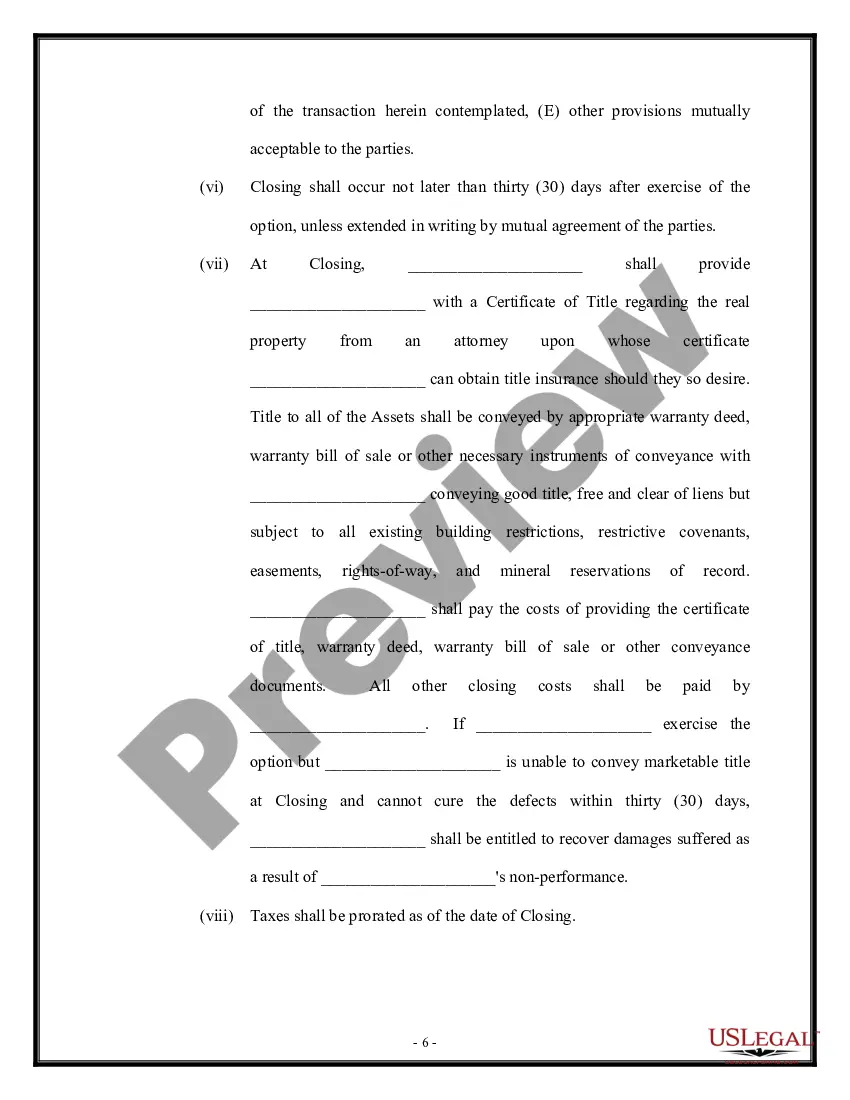
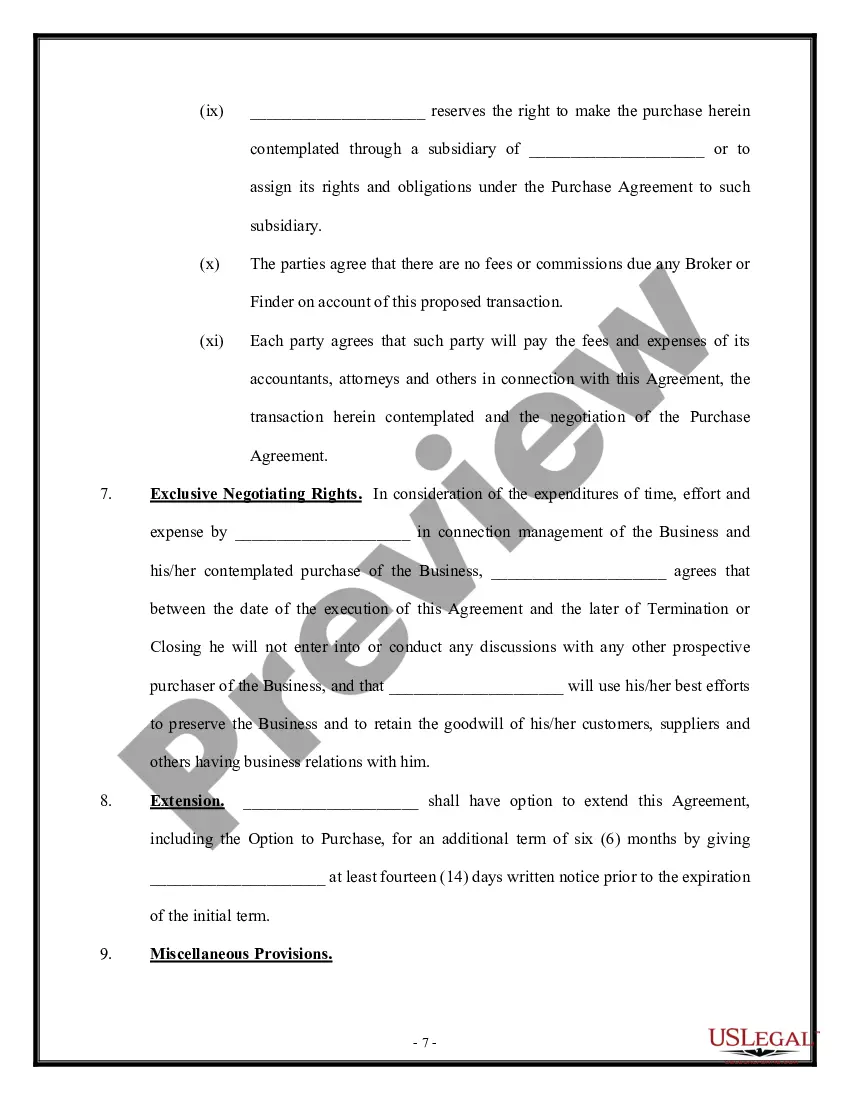
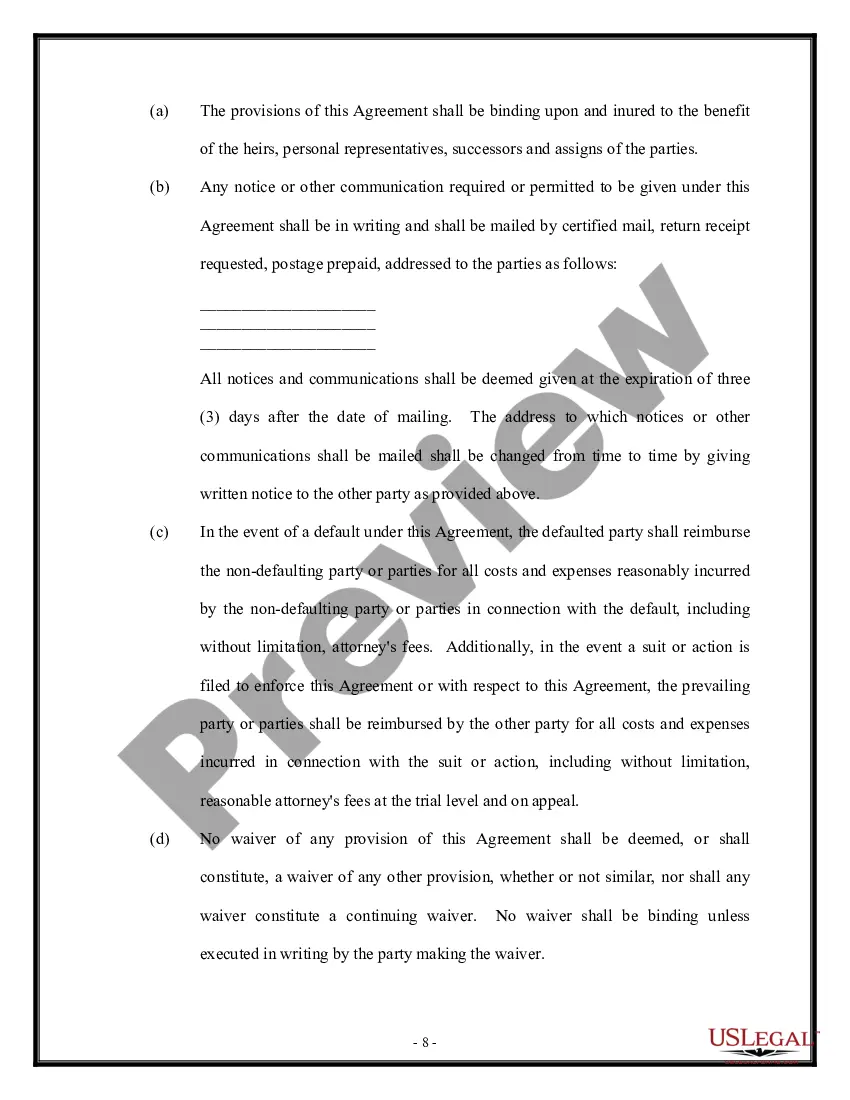
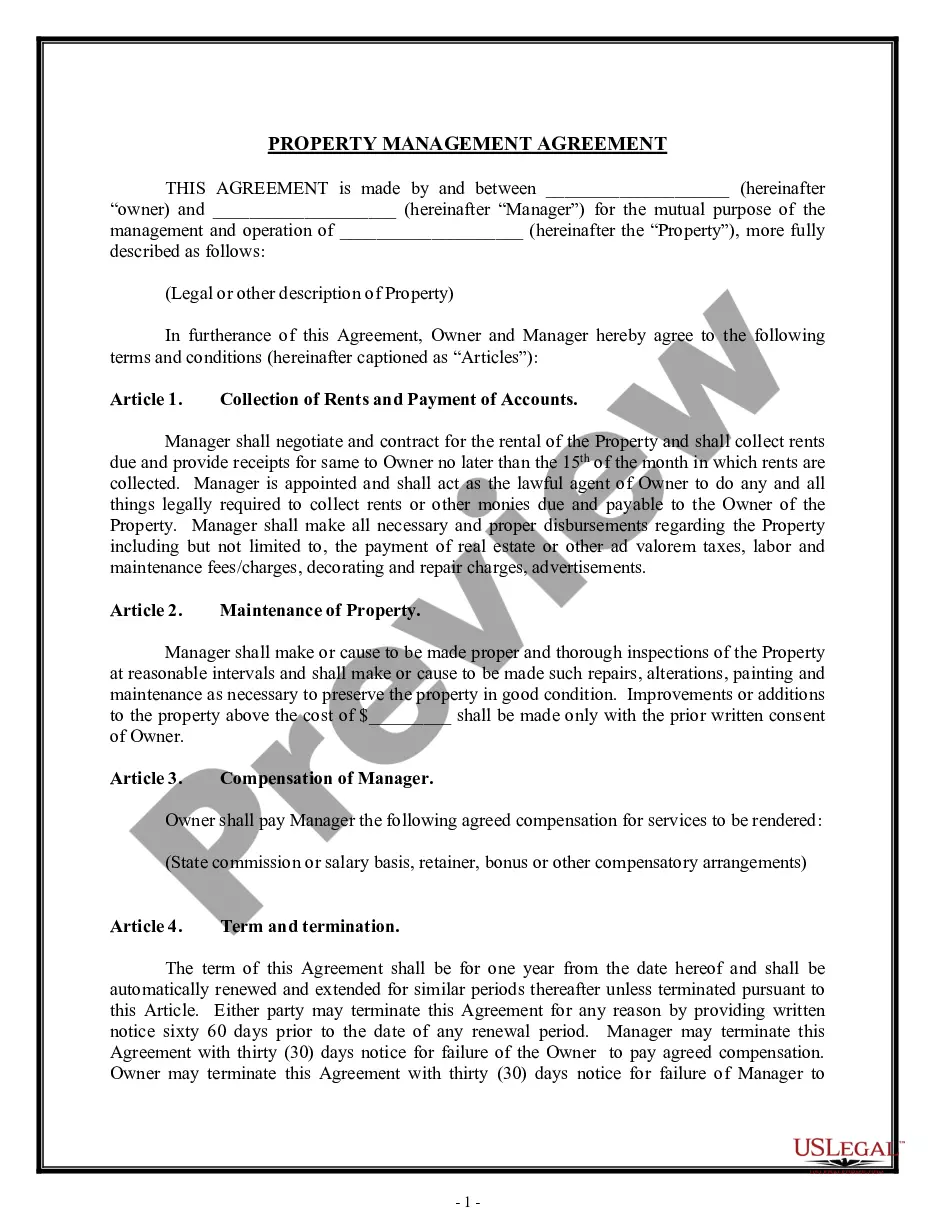
All Business Purchase Formula In Chicago
Description

Get your form ready online
Our built-in tools help you complete, sign, share, and store your documents in one place.
Make edits, fill in missing information, and update formatting in US Legal Forms—just like you would in MS Word.
Download a copy, print it, send it by email, or mail it via USPS—whatever works best for your next step.
Sign and collect signatures with our SignNow integration. Send to multiple recipients, set reminders, and more. Go Premium to unlock E-Sign.
If this form requires notarization, complete it online through a secure video call—no need to meet a notary in person or wait for an appointment.
We protect your documents and personal data by following strict security and privacy standards.

Make edits, fill in missing information, and update formatting in US Legal Forms—just like you would in MS Word.

Download a copy, print it, send it by email, or mail it via USPS—whatever works best for your next step.

Sign and collect signatures with our SignNow integration. Send to multiple recipients, set reminders, and more. Go Premium to unlock E-Sign.

If this form requires notarization, complete it online through a secure video call—no need to meet a notary in person or wait for an appointment.

We protect your documents and personal data by following strict security and privacy standards.
Looking for another form?





Form popularity
FAQ
While most states have repealed their bulk sales statutes, in some states across the U.S., such as California, Delaware, Illinois, New Jersey and Pennsylvania, the practice of bulk sales compliance remains alive and well.
If the Buyer fails to comply with these terms, the sale proceeds as usual, but they assume responsibility for liability payments equal to the difference between the creditor's owed debts and the amount the creditor may have obtained if the Buyer complied with California Bulk Sale Law.
A bulk sale occurs when, outside the normal course of business, a business entity (seller or transferor) sells or transfers the major part of any of the following: • stock of goods that it is in the business of selling; or • furniture or fixtures, machinery and equipment, or real property of the business that is ...
In Illinois, various "Bulk Sales Acts" impose an obligation on purchasers of a business or a major portion of the assets of a business, which can include the transfer of real estate, for certain unpaid taxes and even debts for which the seller of such property was responsible.
A monthly return is due the 20th day of the month following the month for which the return is filed. A quarterly return is due the 20th day of the month following the quarter for which the return is filed. An annual return is due January 20th of the year following the year for which the return is filed.
To make Illinois income tax payments, you must be registered with the Illinois Department of Revenue and have an Illinois Taxpayer Identification Number (also known as the Illinois Department of Revenue (IDOR) Account ID Number, which was formerly called the Illinois Business Tax Number (IBT)).
Current Value = (Asset Value) / (1 – Debt Ratio) To quickly value a business, find its total liabilities and subtract them from the total assets. This will give you an idea of its book value. This formula estimates the worth of a business by looking at its assets and subtracting any liabilities.
Asset-Based Valuation is a method used in company valuations to determine a company's worth based on its tangible assets. This approach calculates the company's value by summing up the value of its assets and subtracting its liabilities. Tangible assets may include property, equipment, inventory, and investments.
Current Value = (Asset Value) / (1 – Debt Ratio) To accurately ascertain a business's value efficiently, calculate its total liabilities and subtract that figure from the sum of all assets—the resulting number is known as book value.
Current Value = (Asset Value) / (1 – Debt Ratio) To quickly value a business, find its total liabilities and subtract them from the total assets. This will give you an idea of its book value. This formula estimates the worth of a business by looking at its assets and subtracting any liabilities.
