Management Options Purchase With Its Description In Bronx
Description

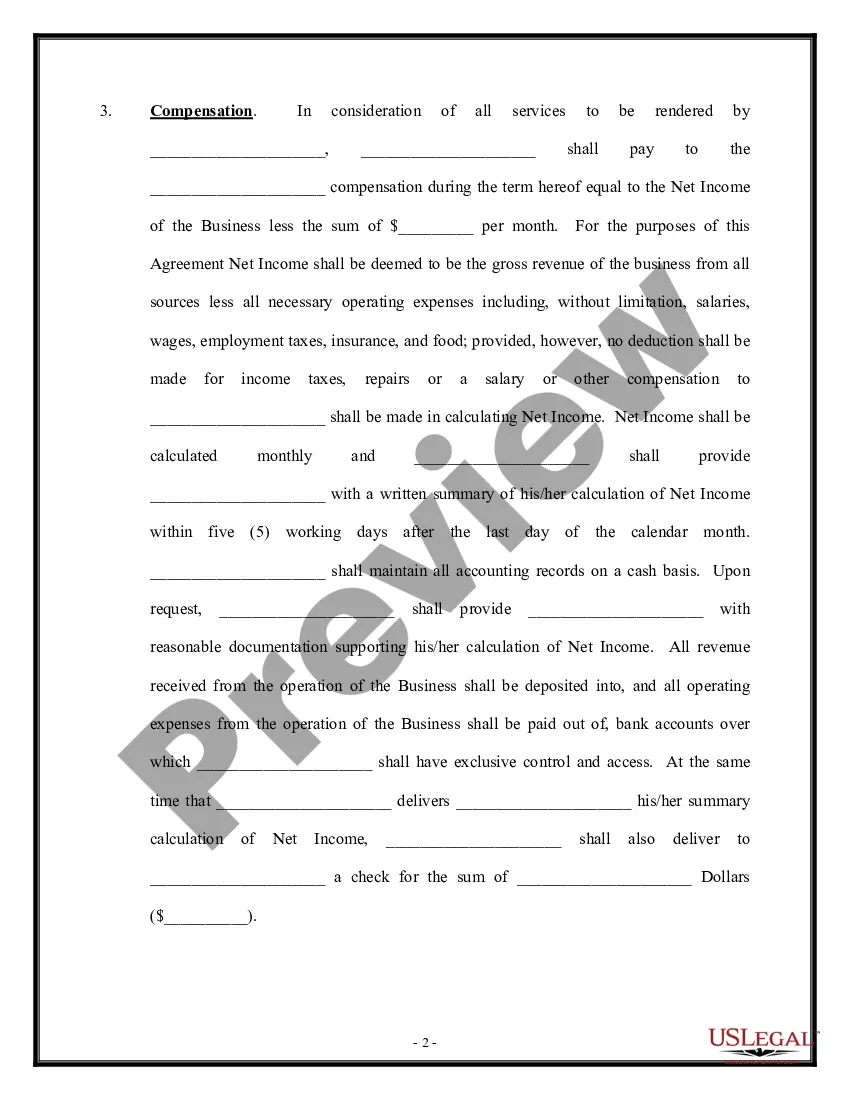
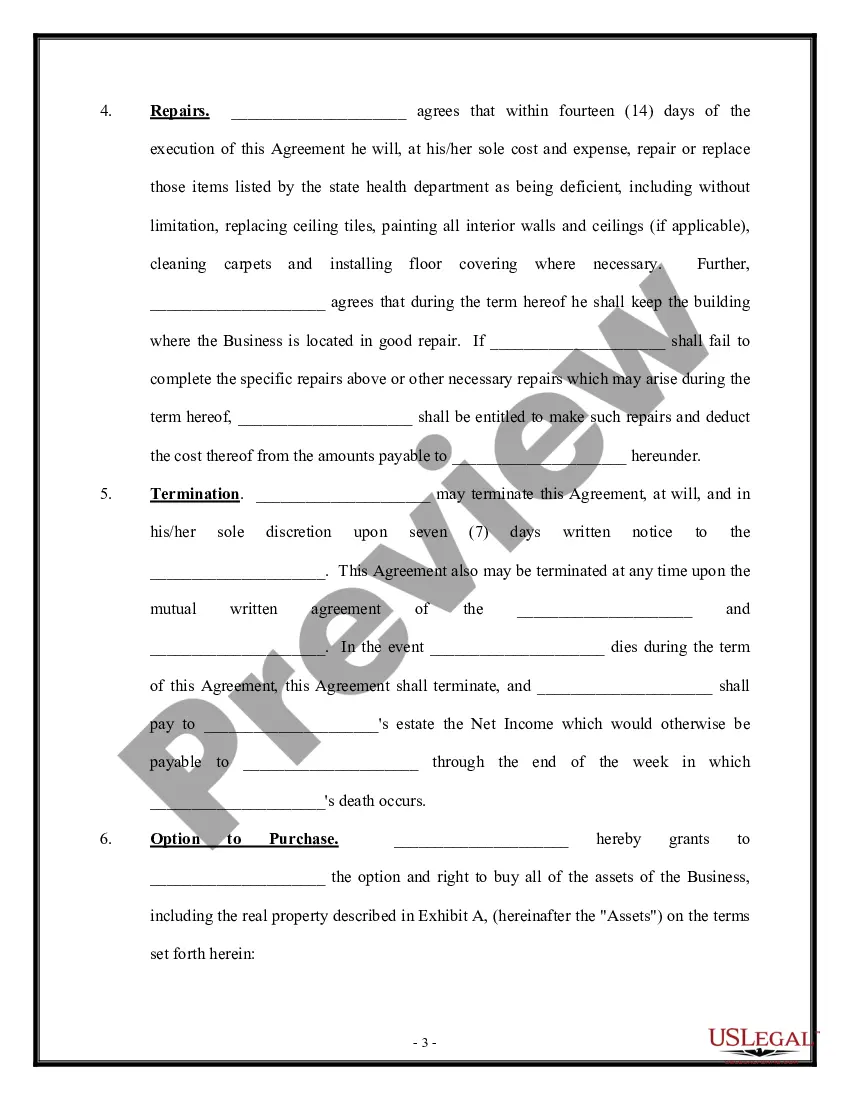
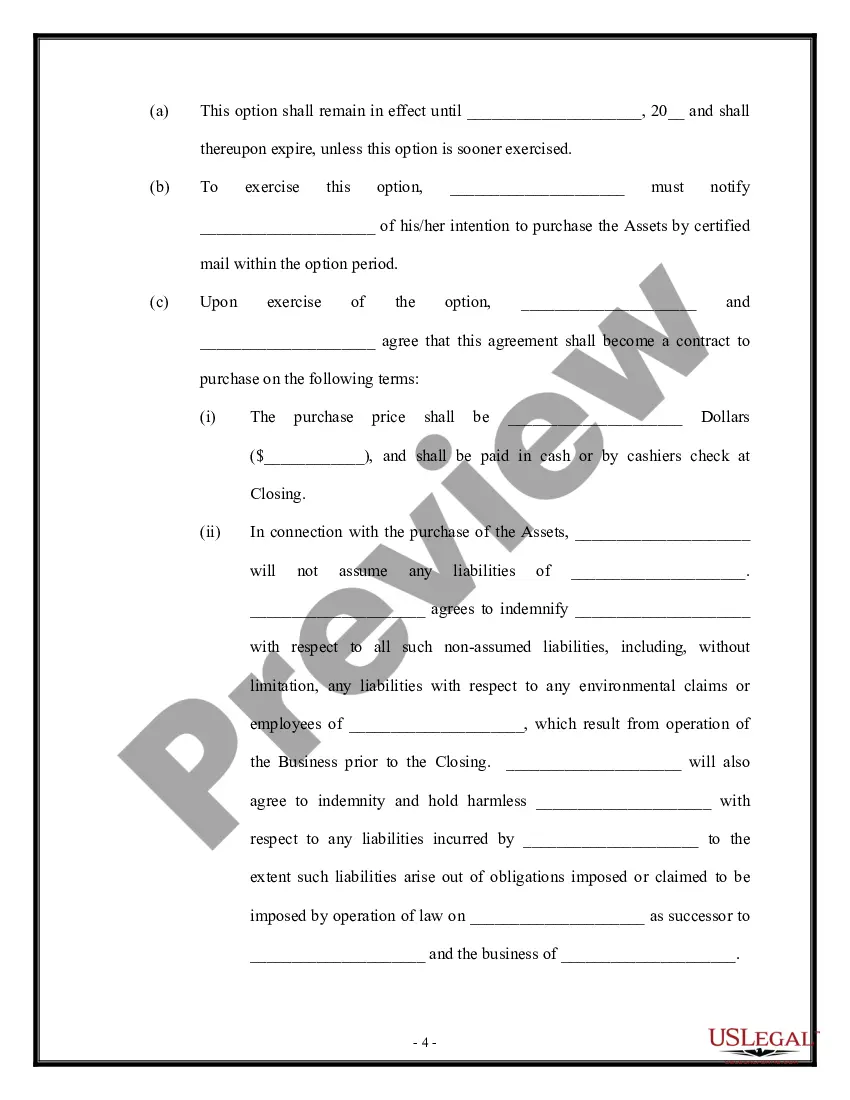
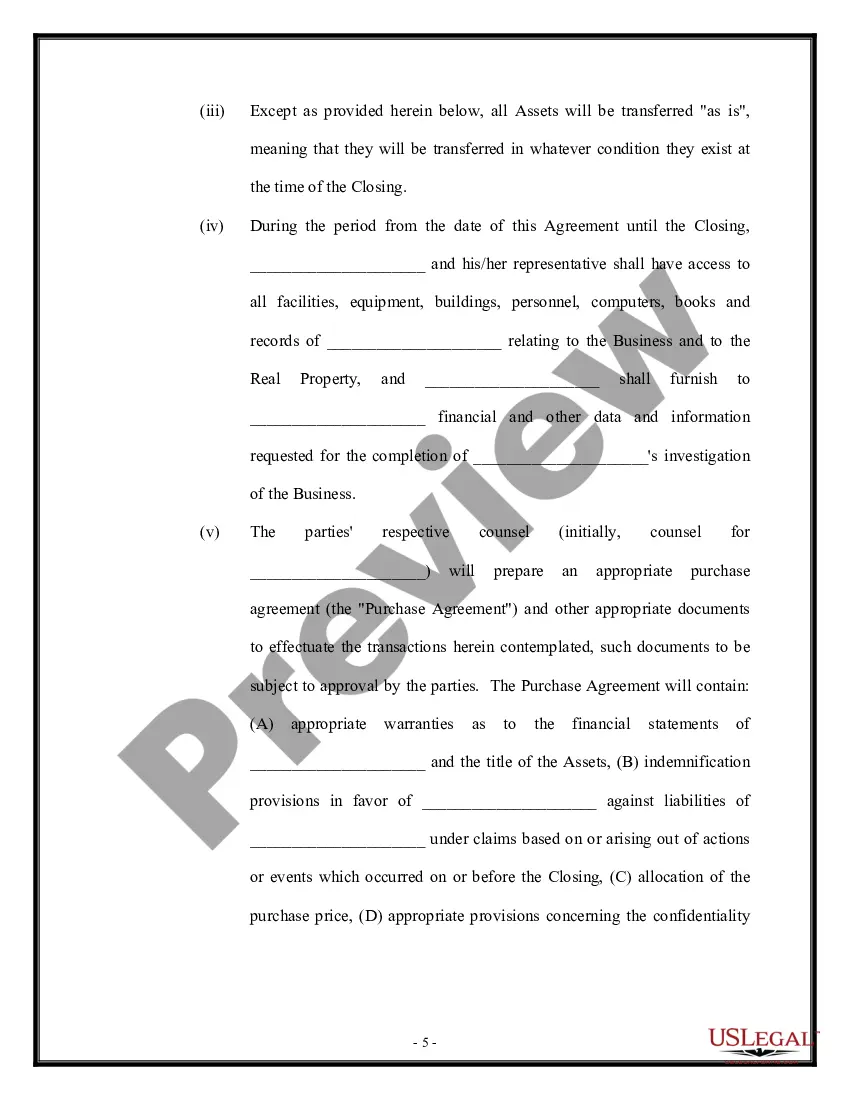
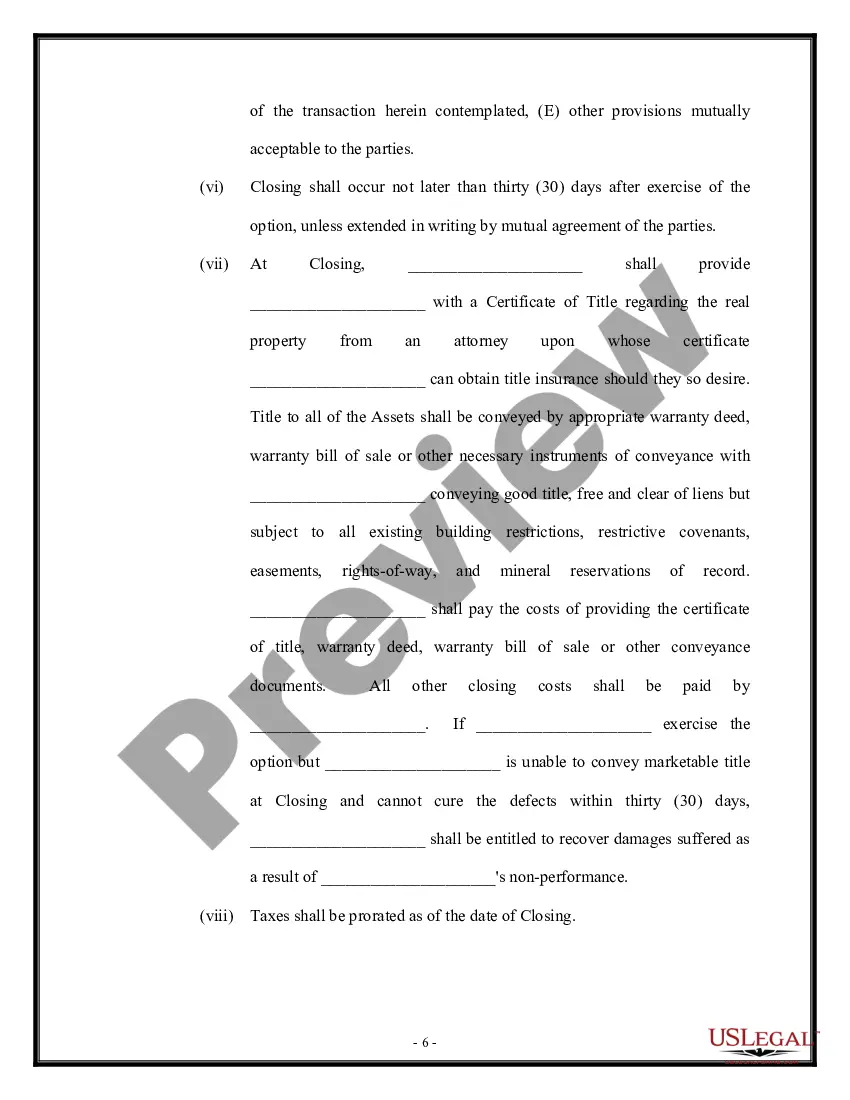
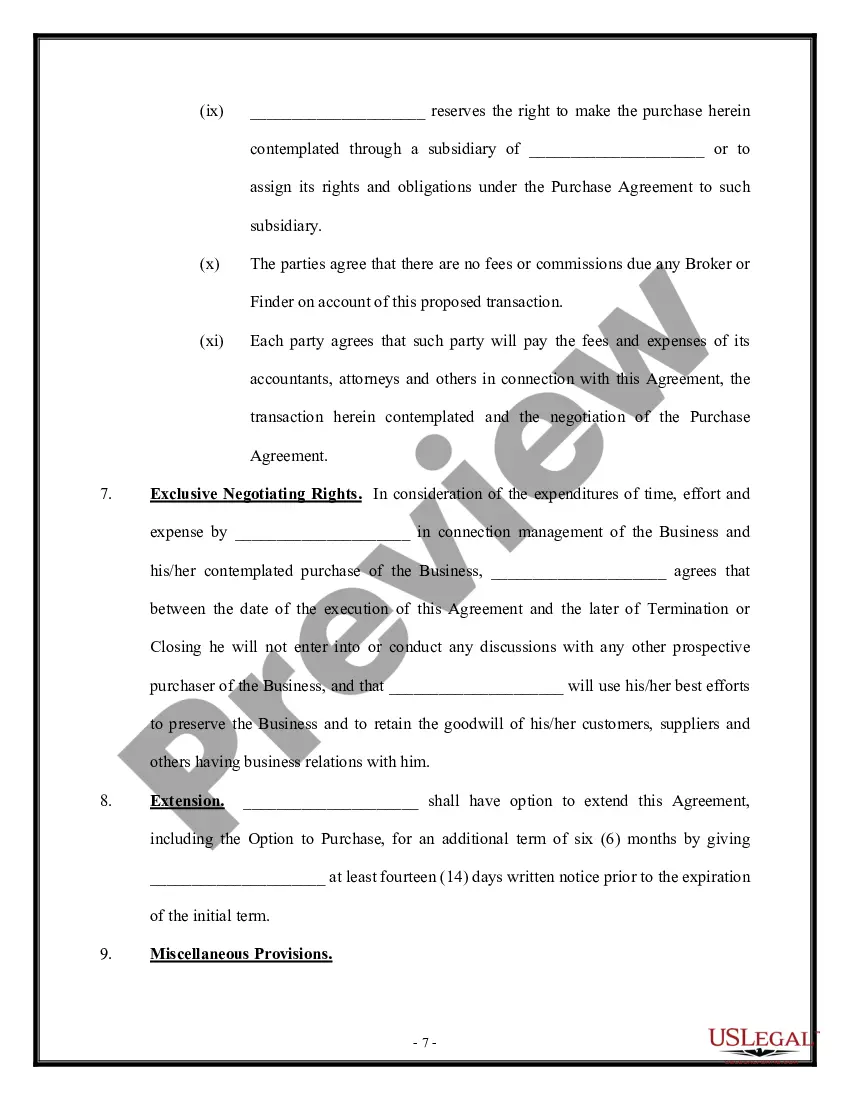
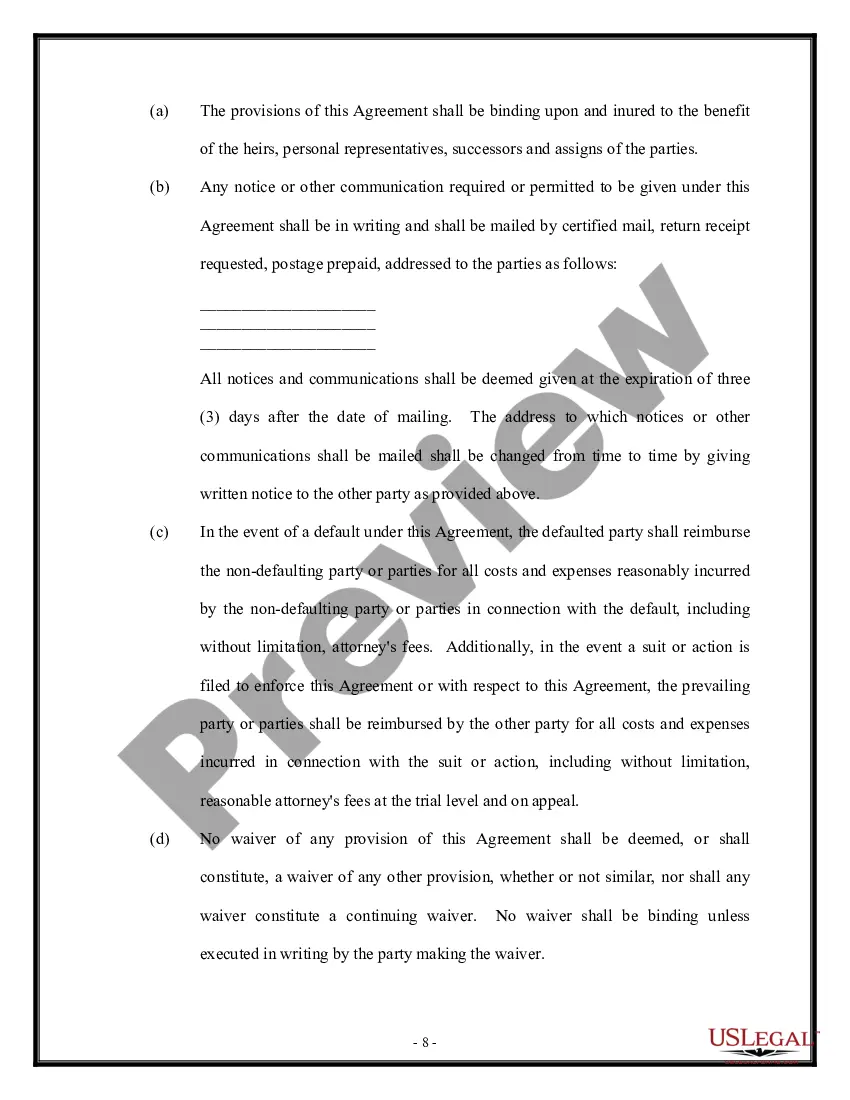
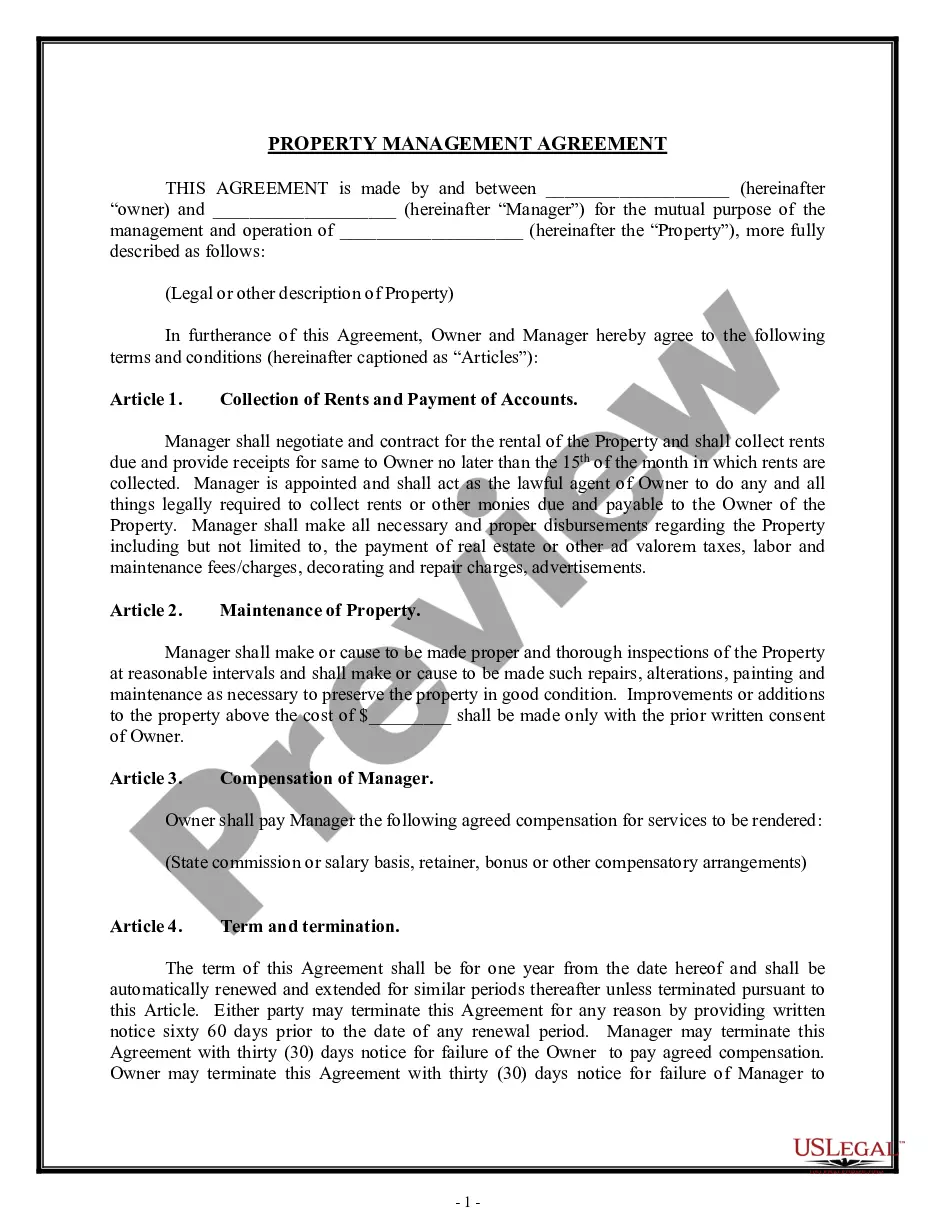
Get your form ready online
Our built-in tools help you complete, sign, share, and store your documents in one place.
Make edits, fill in missing information, and update formatting in US Legal Forms—just like you would in MS Word.
Download a copy, print it, send it by email, or mail it via USPS—whatever works best for your next step.
Sign and collect signatures with our SignNow integration. Send to multiple recipients, set reminders, and more. Go Premium to unlock E-Sign.
If this form requires notarization, complete it online through a secure video call—no need to meet a notary in person or wait for an appointment.
We protect your documents and personal data by following strict security and privacy standards.

Make edits, fill in missing information, and update formatting in US Legal Forms—just like you would in MS Word.

Download a copy, print it, send it by email, or mail it via USPS—whatever works best for your next step.

Sign and collect signatures with our SignNow integration. Send to multiple recipients, set reminders, and more. Go Premium to unlock E-Sign.

If this form requires notarization, complete it online through a secure video call—no need to meet a notary in person or wait for an appointment.

We protect your documents and personal data by following strict security and privacy standards.
Looking for another form?






Form popularity
FAQ
Where are motions returnable? Motions are returnable to 851 Grand Concourse Bronx, New York 10451 in room 217.
Notice of Petition to Administer Estate: This form is used for two purposes: 1) for newspaper publication, and 2) to notify the persons who are entitled to receive notice about the hearing date. Complete the front side of the form and file it with the Petition for Probate.
In New York State, an eviction of a tenant is lawful only if an owner has brought a court proceeding and obtained a judgment of possession from the court. A sheriff, marshal or constable can carry out a court ordered eviction. An owner may not evict a tenant by use of force or unlawful means.
The warrant of eviction authorizes the sheriff or marshal to perform the eviction. An eviction is the removal of a tenant and his or her personal belongings from an apartment. The marshal sees that any entrance locks on the premises to which the tenant may have access are changed.
Timeline for Eviction Proceedings It takes about 14 to 90 days from the issuance of the Notice to Vacate, depending on the reason for eviction and the lease agreement.
You must file tort claims against the City with the City Comptroller. By law, claims must be filed within 90 days of the incident. The New York City Comptroller's Office is responsible for overseeing the resolution and settlement of claims filed against or on behalf of the City of New York.
Comptroller Brad Lander is New York City's Chief Financial Officer. An independently elected official, he safeguards the City's fiscal health, roots out waste, fraud and abuse in local government, and ensures that municipal agencies serve the needs of all New Yorkers.
The law places strict timelines on bringing a lawsuit against the City. You must wait 30 days after filing a notice of claim and comply with the hearing demand before filing a lawsuit in court. Thereafter, lawsuits must be filed in court within 1 year and 90 days of the date of the incident.
Filing a Claim with The Comptroller's Office. New York City Administrative Code § 7‐201 requires a notice of claim to be submitted to the Comptroller's Office prior to the commencement of any action or proceeding against the City of New York.
