Operating Agreement Template For S Corp In Allegheny
Description

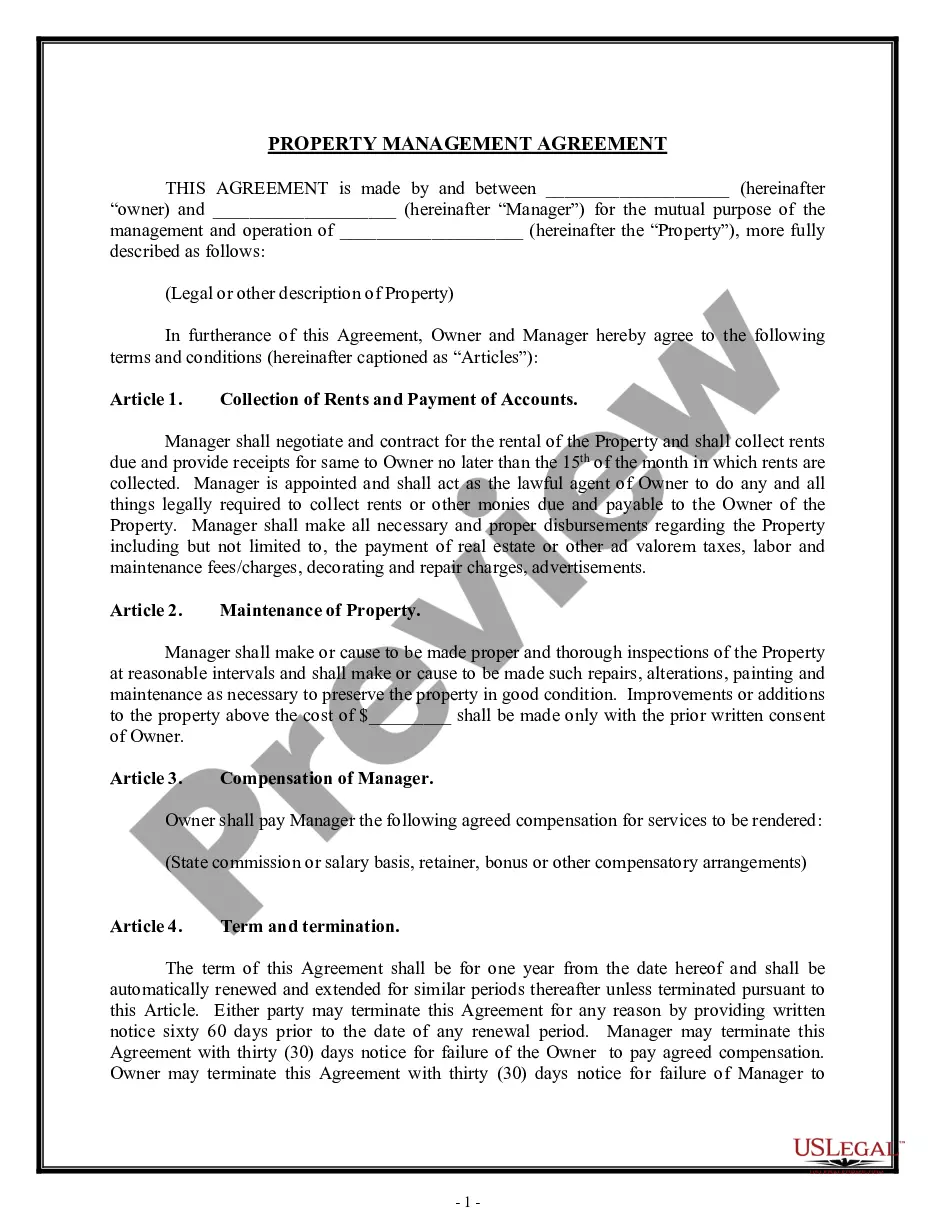
Get your form ready online
Our built-in tools help you complete, sign, share, and store your documents in one place.
Make edits, fill in missing information, and update formatting in US Legal Forms—just like you would in MS Word.
Download a copy, print it, send it by email, or mail it via USPS—whatever works best for your next step.
Sign and collect signatures with our SignNow integration. Send to multiple recipients, set reminders, and more. Go Premium to unlock E-Sign.
If this form requires notarization, complete it online through a secure video call—no need to meet a notary in person or wait for an appointment.
We protect your documents and personal data by following strict security and privacy standards.

Make edits, fill in missing information, and update formatting in US Legal Forms—just like you would in MS Word.

Download a copy, print it, send it by email, or mail it via USPS—whatever works best for your next step.

Sign and collect signatures with our SignNow integration. Send to multiple recipients, set reminders, and more. Go Premium to unlock E-Sign.

If this form requires notarization, complete it online through a secure video call—no need to meet a notary in person or wait for an appointment.

We protect your documents and personal data by following strict security and privacy standards.
Looking for another form?








Form popularity
FAQ
Bylaws focus on the roles and responsibilities of the board of directors, officers, and shareholders. Operating Agreements focus on the roles and responsibilities of members and managers.
An S Corporation operating agreement is a critical document outlining the rights, responsibilities, and expectations of shareholders, directors, and officers.
The first step in creating your operating agreement involves determining whether you'll draft it yourself or hire an attorney to do it for you. If you have a single-member LLC, you may decide to create it on your own using a template.
If you're forming—or have formed—an LLC in California, New York, Missouri, Maine, or Delaware, state laws require you to create an LLC Operating Agreement. But no matter what state you're in, it's always a good idea to create a formal agreement between LLC members.
Unlike a partnership, which can take advantage of a Sec. 754 election to help a successor partner equalize her inside and outside basis, an S corporation has no similar option.
LLCs are required by law to have operating agreements. However, other entities, such as S-corporations, sole proprietorships, and partnerships, can also benefit from having operating agreements.
Pennsylvania does not require you to submit an Operating Agreement to form your LLC.
The Certificate of Organization PA is a document that contains important information about your company and filing this document is a requirement to form your LLC in Pennsylvania.
Once the operating agreement is signed, put it in a secure location with your LLC's other legal documents. All the members should have access to it. You don't need to file it with any state agency, even in the states that require an operating agreement.