Listing Agreement Document For Rental Property In North Carolina
Description
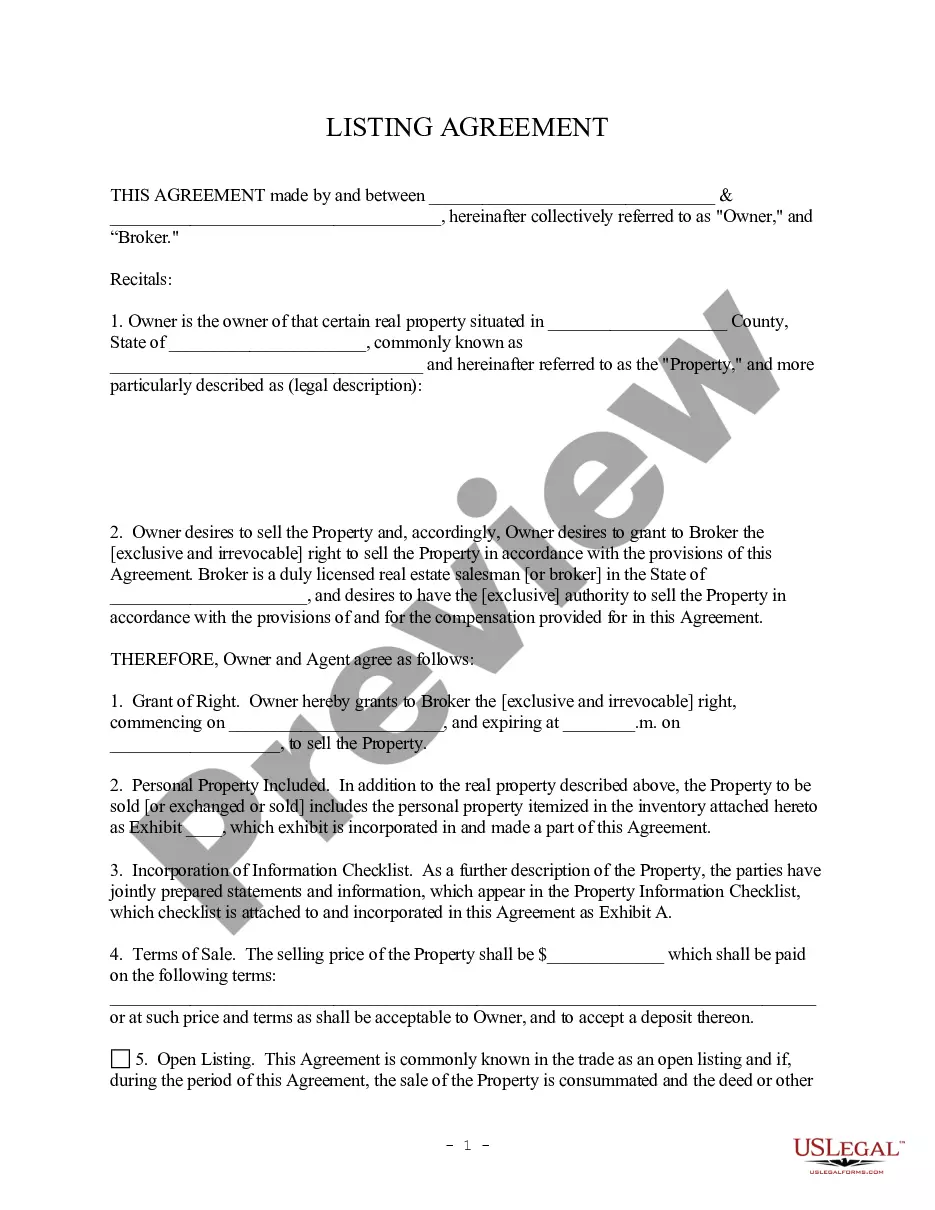
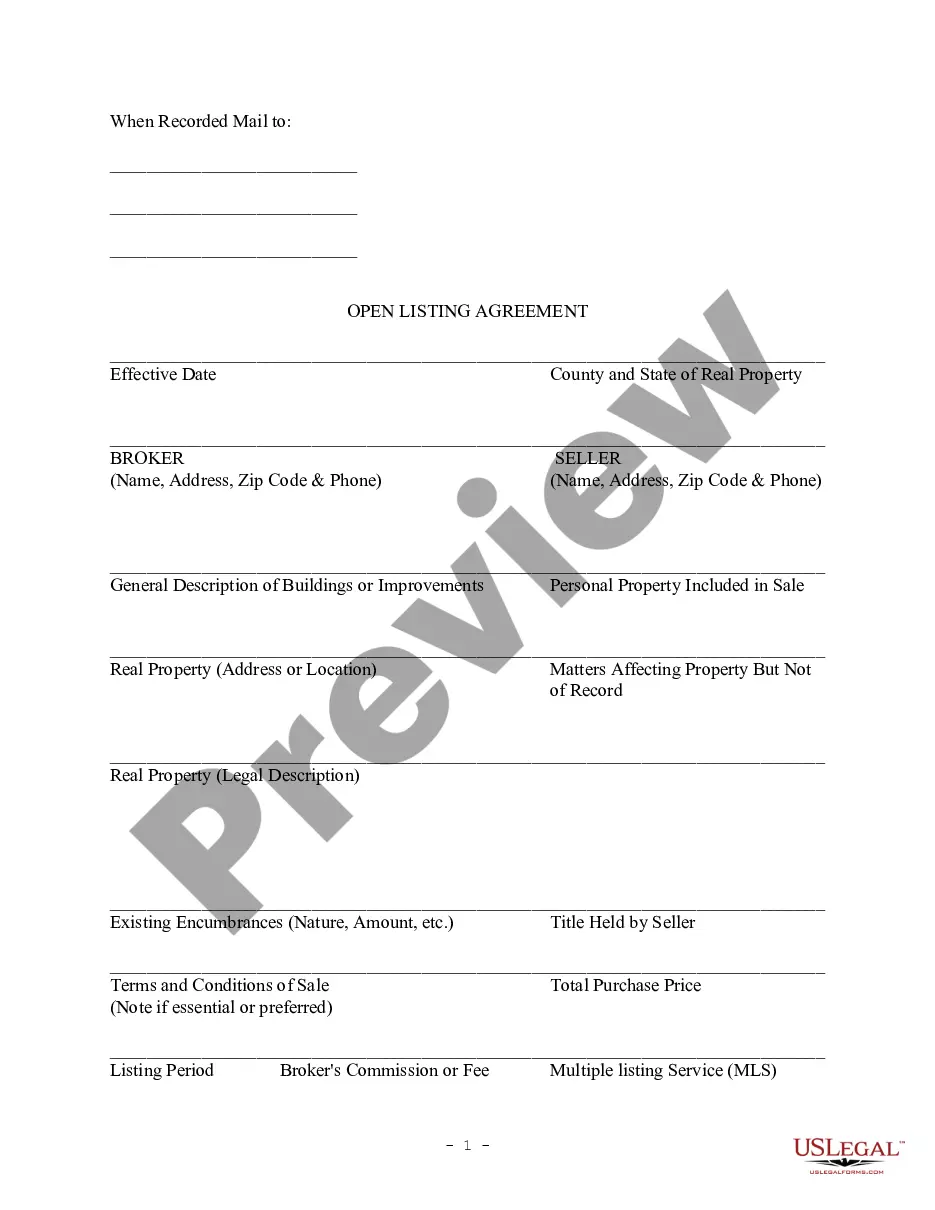
Get your form ready online
Our built-in tools help you complete, sign, share, and store your documents in one place.
Make edits, fill in missing information, and update formatting in US Legal Forms—just like you would in MS Word.
Download a copy, print it, send it by email, or mail it via USPS—whatever works best for your next step.
Sign and collect signatures with our SignNow integration. Send to multiple recipients, set reminders, and more. Go Premium to unlock E-Sign.
If this form requires notarization, complete it online through a secure video call—no need to meet a notary in person or wait for an appointment.
We protect your documents and personal data by following strict security and privacy standards.

Make edits, fill in missing information, and update formatting in US Legal Forms—just like you would in MS Word.

Download a copy, print it, send it by email, or mail it via USPS—whatever works best for your next step.

Sign and collect signatures with our SignNow integration. Send to multiple recipients, set reminders, and more. Go Premium to unlock E-Sign.

If this form requires notarization, complete it online through a secure video call—no need to meet a notary in person or wait for an appointment.

We protect your documents and personal data by following strict security and privacy standards.
Looking for another form?


Form popularity
FAQ
As such, most states do not allow net listings in real estate, with the exception of California, Texas and Florida. These states do allow net listings, however there are regulations around how they work.
What States Are Net Listings Legal? Because of the chance for issues, net listings are illegal or banned in most states. However, there are still three states where they are legal. In California, net listing agreements are legal but can only be used with highly sophisticated or independently represented clients.
They're often used as a last resort for sellers who want to sell their properties quickly, and with the knowledge that it could mean a potentially high commission for the agent. Those agents who do use net listing agreements are often seen as unethical due to the conflict of interest.
"Exclusive right to sell listing agreement" means a listing agreement whereby the owner grants to a seller's agent, for a specified period of time, the exclusive right to sell, find, or obtain a buyer for the real property, and the seller's agent is entitled to the agreed compensation if, during that period of time, ...
Some property owners may lean toward an open listing because it can sell a property faster. However, it's typically not favored by listing agents because it increases competition and can lead to shared commission costs. Some brokerages may not allow this type of listing agreement.
Open listing: Definition An open listing enables multiple real estate agents to try to sell your home. This setup gives the seller the ability to work with multiple agents at once. This differs from an exclusive listing, in which the seller works exclusively with one listing agent to find a buyer.
In an open listing, the person who takes the biggest risk is the seller. This is because in an open listing, the seller is not working exclusively with one agent, and therefore, has to rely on multiple agents to sell their property.
An exclusive right-to-sell listing agreement can terminate legally without the seller owing a commission if the listing agent stops working on the listing.
The three types of real estate listing agreements are open listing, exclusive agency listing, and exclusive right-to-sell listing.

