One Time Showing Agreement With Real Estate Agent In Minnesota
Description
Get your form ready online
Our built-in tools help you complete, sign, share, and store your documents in one place.
Make edits, fill in missing information, and update formatting in US Legal Forms—just like you would in MS Word.
Download a copy, print it, send it by email, or mail it via USPS—whatever works best for your next step.
Sign and collect signatures with our SignNow integration. Send to multiple recipients, set reminders, and more. Go Premium to unlock E-Sign.
If this form requires notarization, complete it online through a secure video call—no need to meet a notary in person or wait for an appointment.
We protect your documents and personal data by following strict security and privacy standards.

Make edits, fill in missing information, and update formatting in US Legal Forms—just like you would in MS Word.

Download a copy, print it, send it by email, or mail it via USPS—whatever works best for your next step.

Sign and collect signatures with our SignNow integration. Send to multiple recipients, set reminders, and more. Go Premium to unlock E-Sign.

If this form requires notarization, complete it online through a secure video call—no need to meet a notary in person or wait for an appointment.

We protect your documents and personal data by following strict security and privacy standards.
Looking for another form?

Form popularity
FAQ
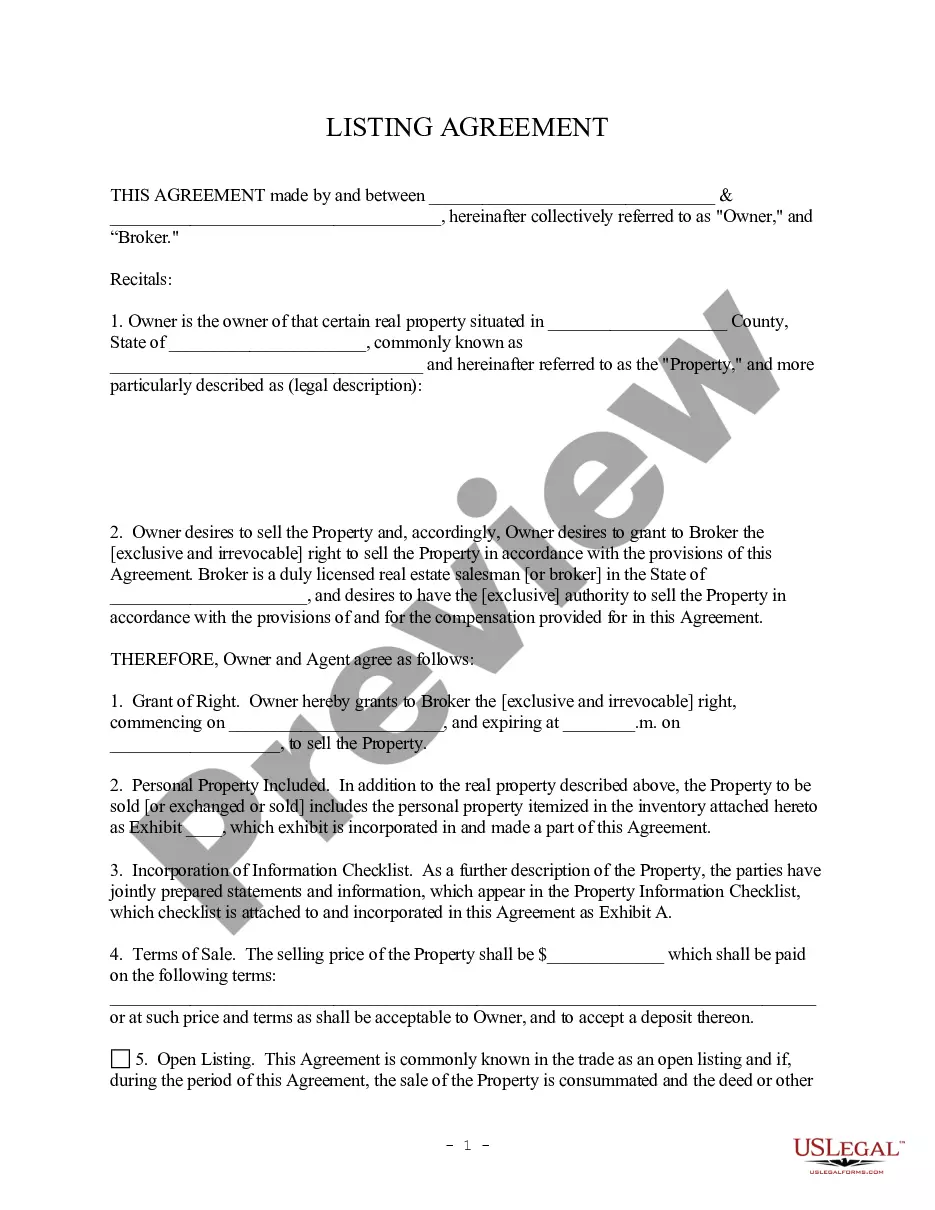
This document grants the agent the right to show the property to the interested buyer for a single occasion. It's a key tool in real estate transactions, especially when dealing with properties not officially listed on the market or when an agent is working with a buyer in a non-exclusive capacity.
A showing agreement is a document that allows real estate agents to show a home to a potential buyer without committing them to a long-term exclusive relationship. Think of it as a "first date" rather than a "marriage" contract.
Single agency is when an agent represents a client (either the buyer or the seller) and is solely responsible for representing them with their best interests in mind. The buyer's agent and the buyer will sign a buyer's broker agreement, and the listing agent and seller will sign a listing agreement.
Yes. You and your real estate professional can mutually agree to change your agreement. Agreements may have specific conditions under which they can be exited, so read the text of the agreement and speak with your real estate professional if you would like to change or exit your agreement.
Off contract lasts “until completion of the obligations of the parties”. A deadline (i.e. a given date, not a month) will be clearly stipulated for the delivery of each deliverable.
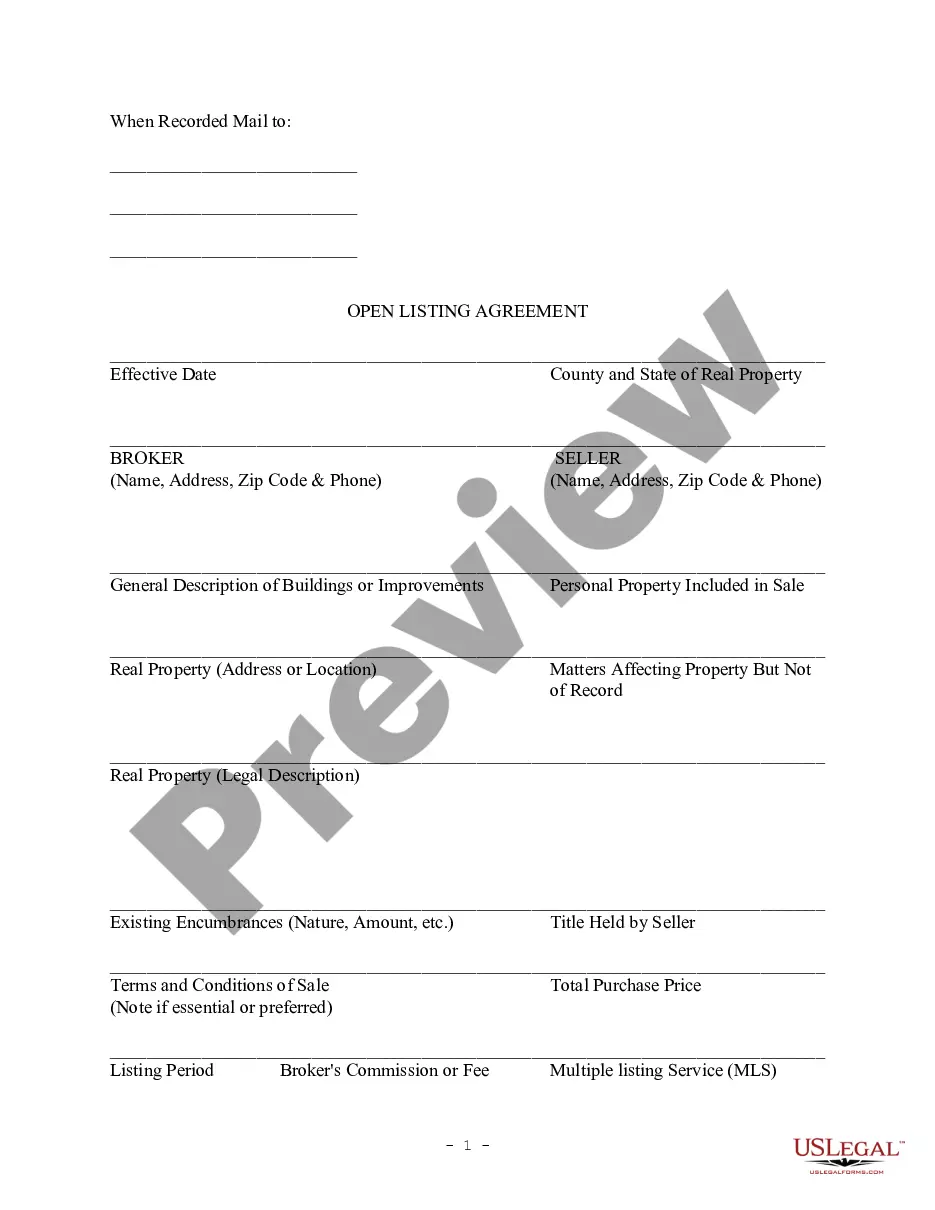
Exclusive right to sell listing agreement An exclusive right to sell listing is the most widely-used listing agreement. Under this agreement, the broker has the exclusive right to market the property for a specified period of time.
Because the parties may have conflicting interests, broker and its salespersons are prohibited from advocating exclusively for either party. Broker cannot act as a dual agent in this transaction without the consent of both seller(s) and buyer(s).
Dual agency is illegal in the following eight states: Wyoming, Alaska, Vermont, Colorado, Flroida, Maryland, Texas, and Kansas. All the other states and the District of Columbia, permit dual agency.
The Minnesota Real Estate Commission offers full reciprocity for active real estate licenseholders and residents of Colorado, Iowa, Nebraska, North Dakota, South Dakota, and Oklahoma. It offers partial reciprocity for Wisconsin license holders, who will need to take a 13-hour special course.
All other information will be shared. Broker cannot act as a dual agent unless both the seller(s) and the buyer(s) agree to it. By agreeing to a possible dual agency, the seller(s) will be giving up the right to exclusive representation in an in-house transaction.
