Equipment Maintenance Policy In Wake
Description
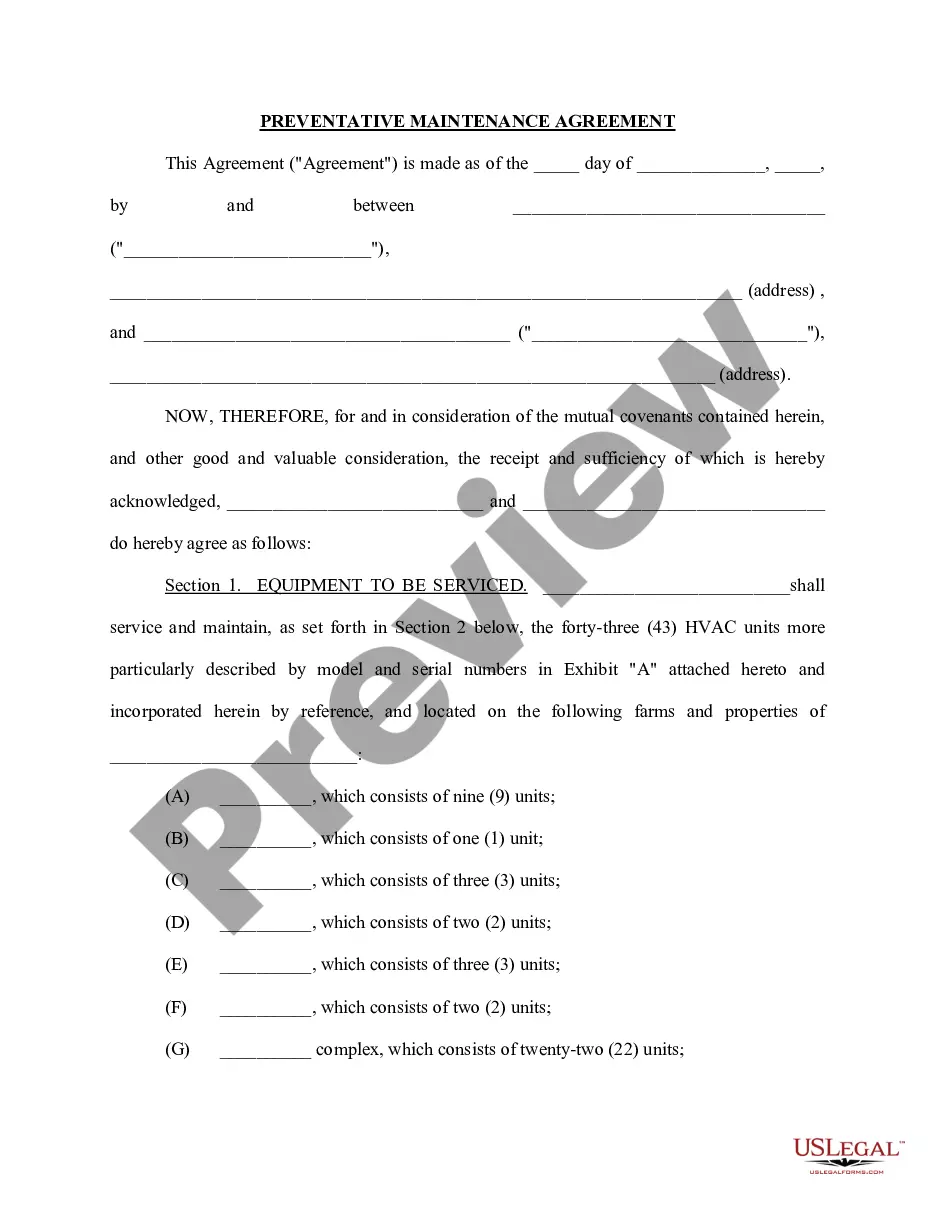
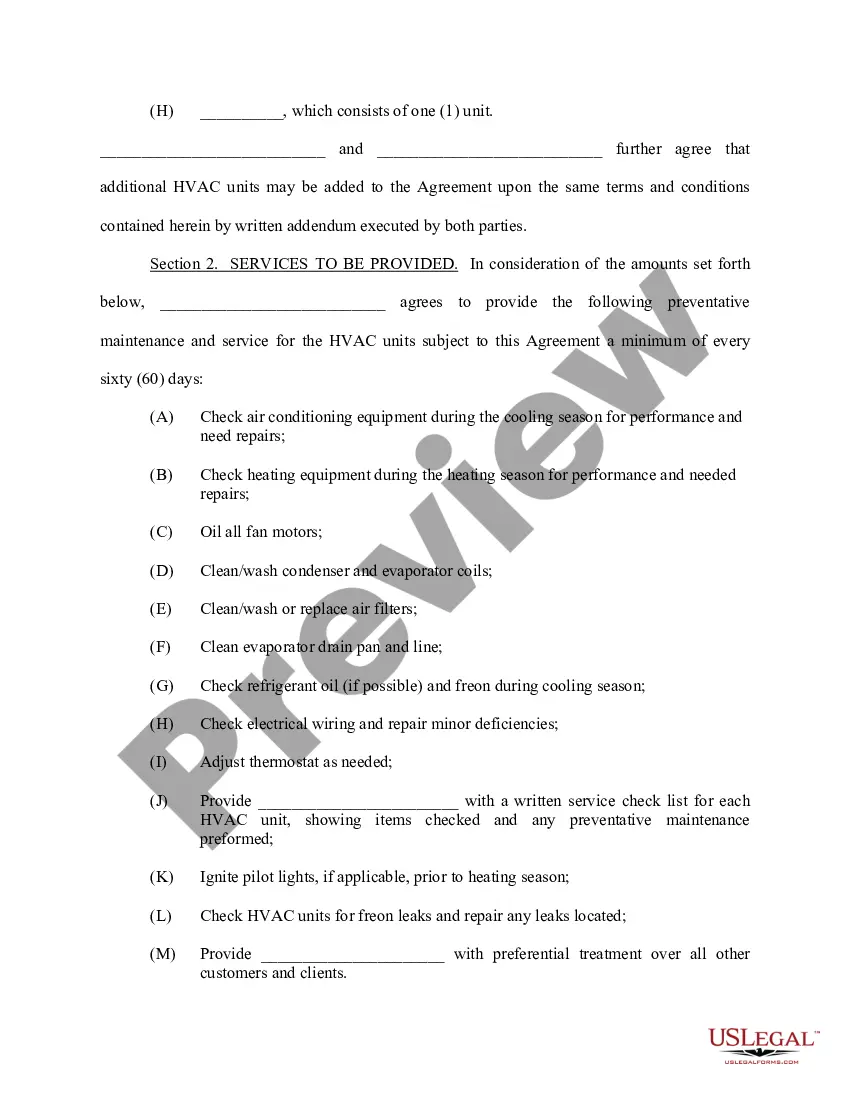
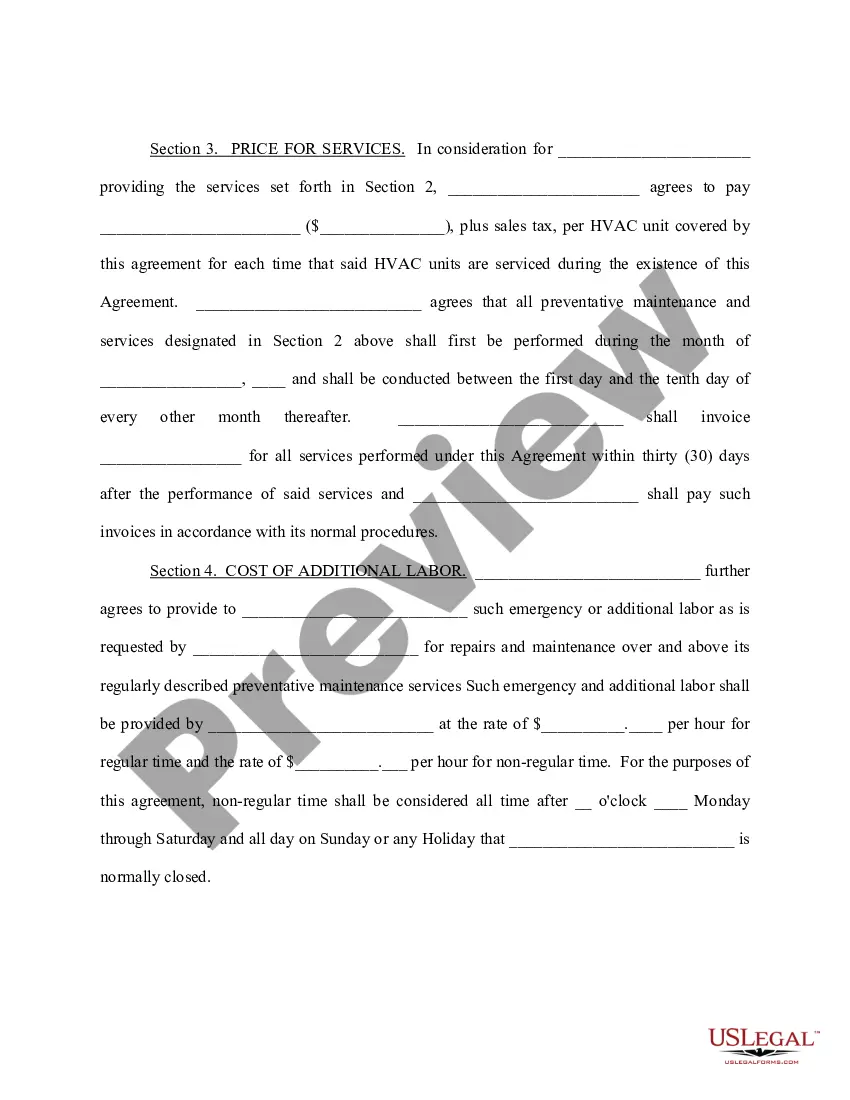
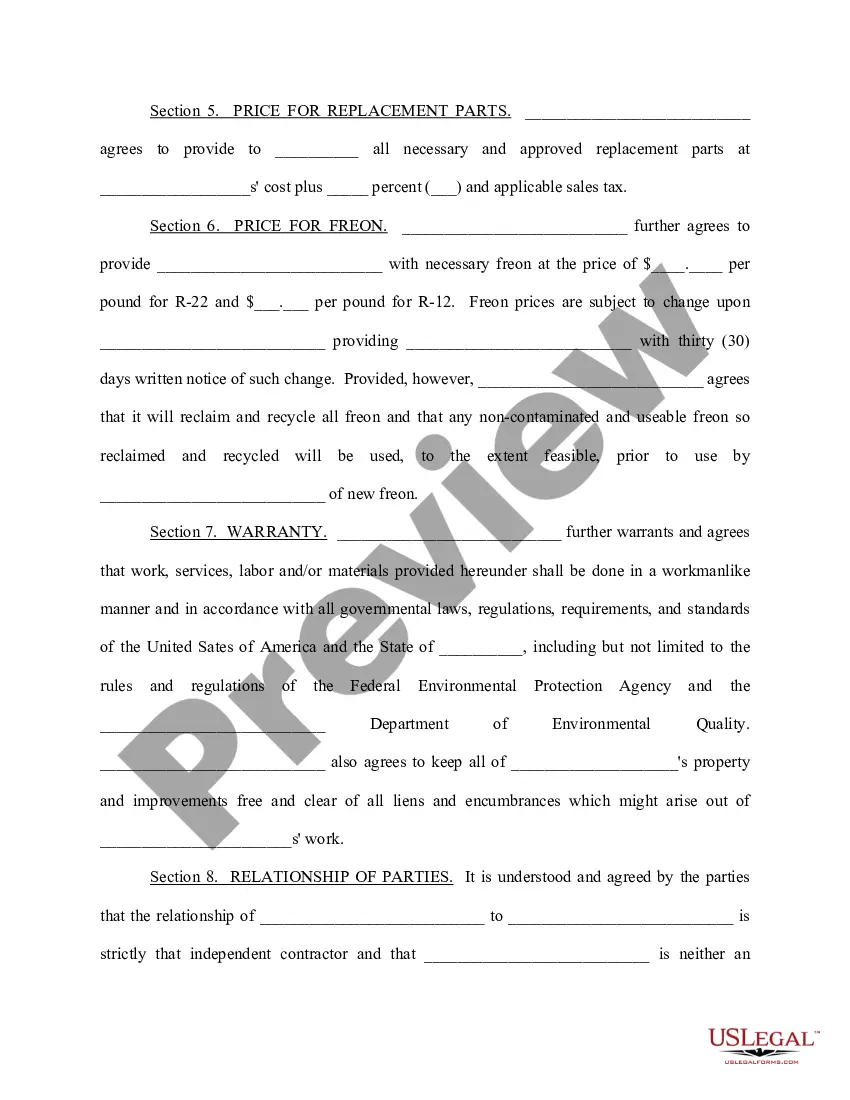
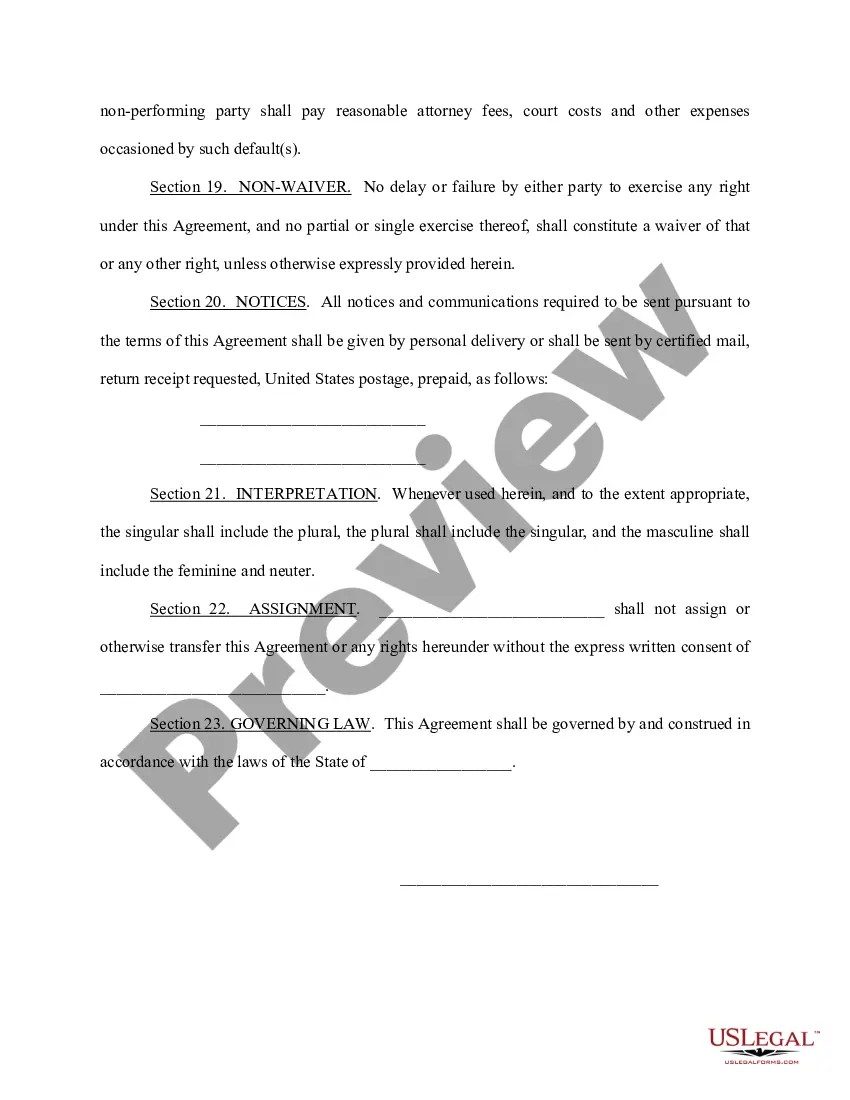
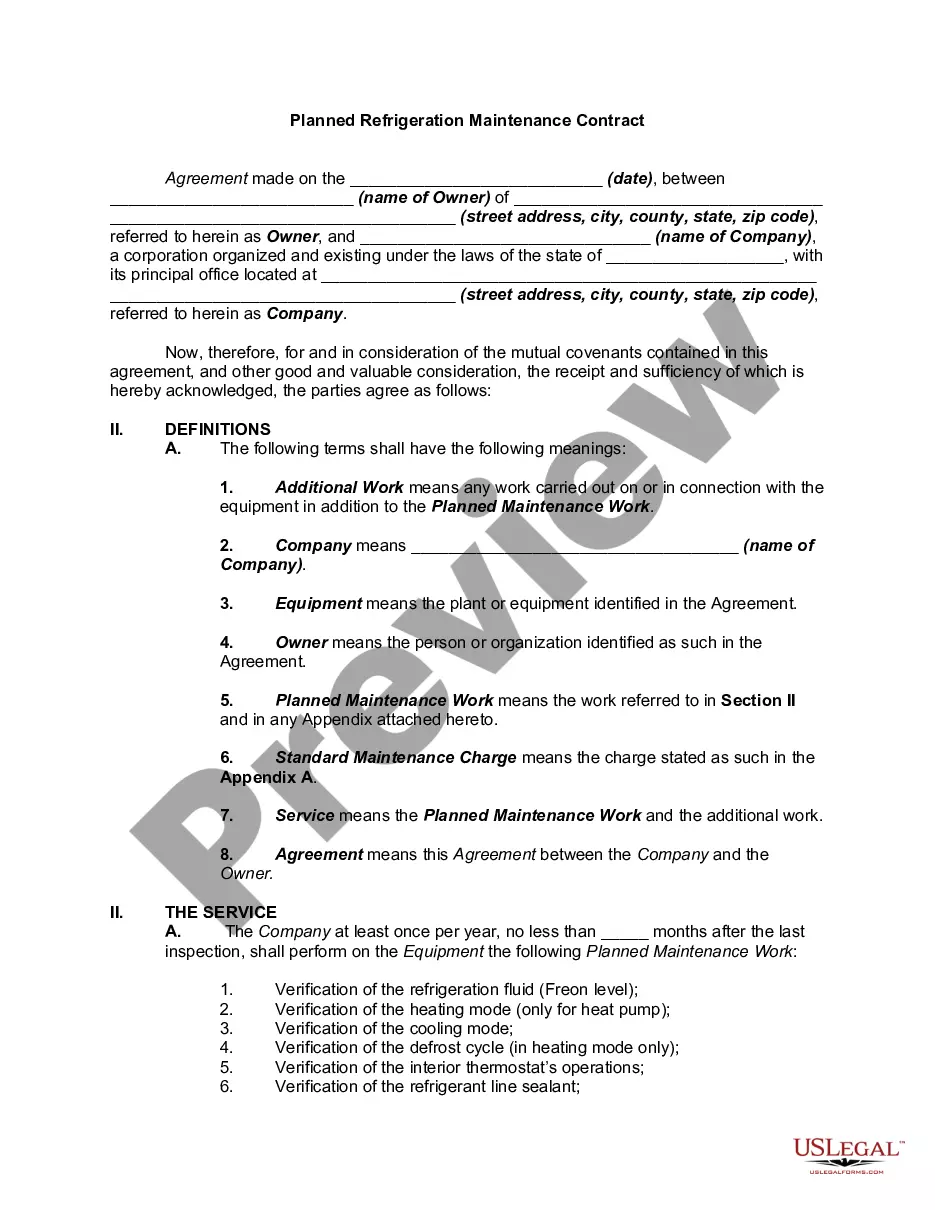
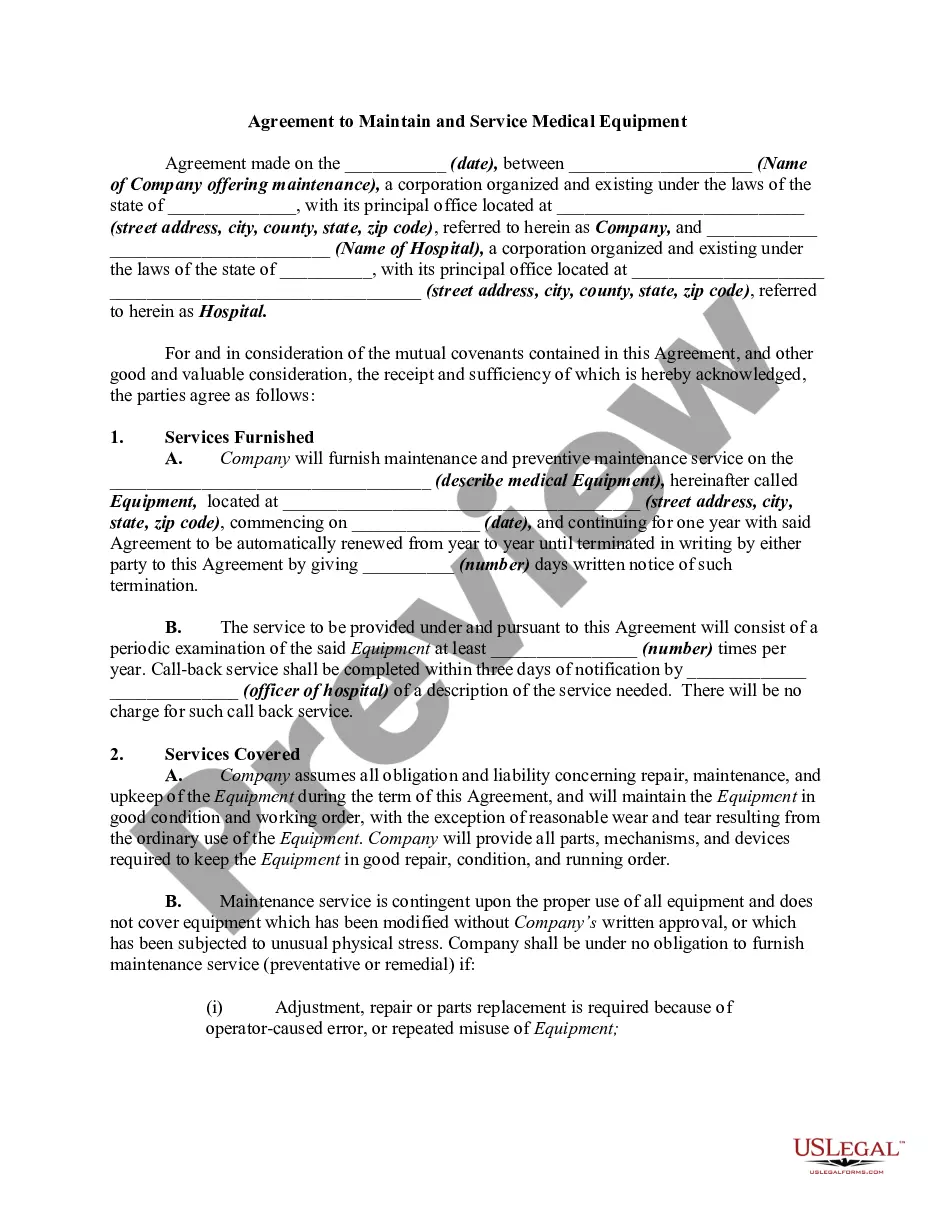
Get your form ready online
Our built-in tools help you complete, sign, share, and store your documents in one place.
Make edits, fill in missing information, and update formatting in US Legal Forms—just like you would in MS Word.
Download a copy, print it, send it by email, or mail it via USPS—whatever works best for your next step.
Sign and collect signatures with our SignNow integration. Send to multiple recipients, set reminders, and more. Go Premium to unlock E-Sign.
If this form requires notarization, complete it online through a secure video call—no need to meet a notary in person or wait for an appointment.
We protect your documents and personal data by following strict security and privacy standards.

Make edits, fill in missing information, and update formatting in US Legal Forms—just like you would in MS Word.

Download a copy, print it, send it by email, or mail it via USPS—whatever works best for your next step.

Sign and collect signatures with our SignNow integration. Send to multiple recipients, set reminders, and more. Go Premium to unlock E-Sign.

If this form requires notarization, complete it online through a secure video call—no need to meet a notary in person or wait for an appointment.

We protect your documents and personal data by following strict security and privacy standards.
Looking for another form?





Form popularity
FAQ
To create an effective maintenance schedule and ensure that equipment is always reviewed, maintained and replaced as needed, follow these four steps. List All the Equipment to Maintain. Identify Maintenance Activities. Determine the Frequency of Maintenance. Define Maintenance Dates.
Steps to creating an effective maintenance plan Detail the work that you'll need to do on each asset. Schedule the work – Use a dating frequency, running hours, or measures that will provide insight into the condition of an asset. Add workers or contractors – including the estimated working hours. Add spare parts.
Every maintenance policy you read will be different, but good policies should address the following areas: Introduction. Purpose of the policy. The statement of intent. The scope of the maintenance policy and procedures. Policy requirements. Allocation of responsibilities. Related documents.
How to implement a planned maintenance strategy in 7 steps Identify equipment failure modes. Conduct a criticality analysis to outline the scope of work to be completed. Inspect assets. Define work processes. Create Priority Levels. Schedule & assign work orders. Implement an asset management system. Track KPIs.
Key Steps in Developing a Maintenance Policy Define Objectives and Goals. Assess Assets and Maintenance Requirements. Identify Maintenance Tasks and Frequencies. Assign Roles and Responsibilities. Establish Performance Metrics.
Steps to creating an effective maintenance plan Detail the work that you'll need to do on each asset. Schedule the work – Use a dating frequency, running hours, or measures that will provide insight into the condition of an asset. Add workers or contractors – including the estimated working hours. Add spare parts.
Example of equipment maintenance For instance, their motor grader needs certain types of maintenance every 500 hours. These tasks include replacing oil, air, and fuel filters, changing out the hydraulic tank, lubricating bearings and gears, and inspecting fuel tank caps.
Some determining factors that support maintenance planning include maintenance prioritization, condition monitoring, maintenance strategies, spare parts inventory, and maintenance schedules.
10 Steps to Create a Comprehensive Facility Maintenance Plan Step 1: Conduct a Facility Audit. Step 2: Define Maintenance Tasks. Step 3: Prioritize Maintenance Activities. Step 4: Schedule Maintenance Tasks. Step 5: Allocate Resources. Step 6: Implement the Plan. Step 7: Implement Health, Safety, and Environmental Protocols.
10 steps for creating and implementing a maintenance plan Step 1: Conduct an asset inventory. Step 2: Perform a criticality assessment. Step 3: Define your Key Performance Indicators (KPIs) ... Step 4: Identify essential maintenance tasks. Step 5: Establish metrics for task scheduling.
