Equipment Maintenance Policy In Kings
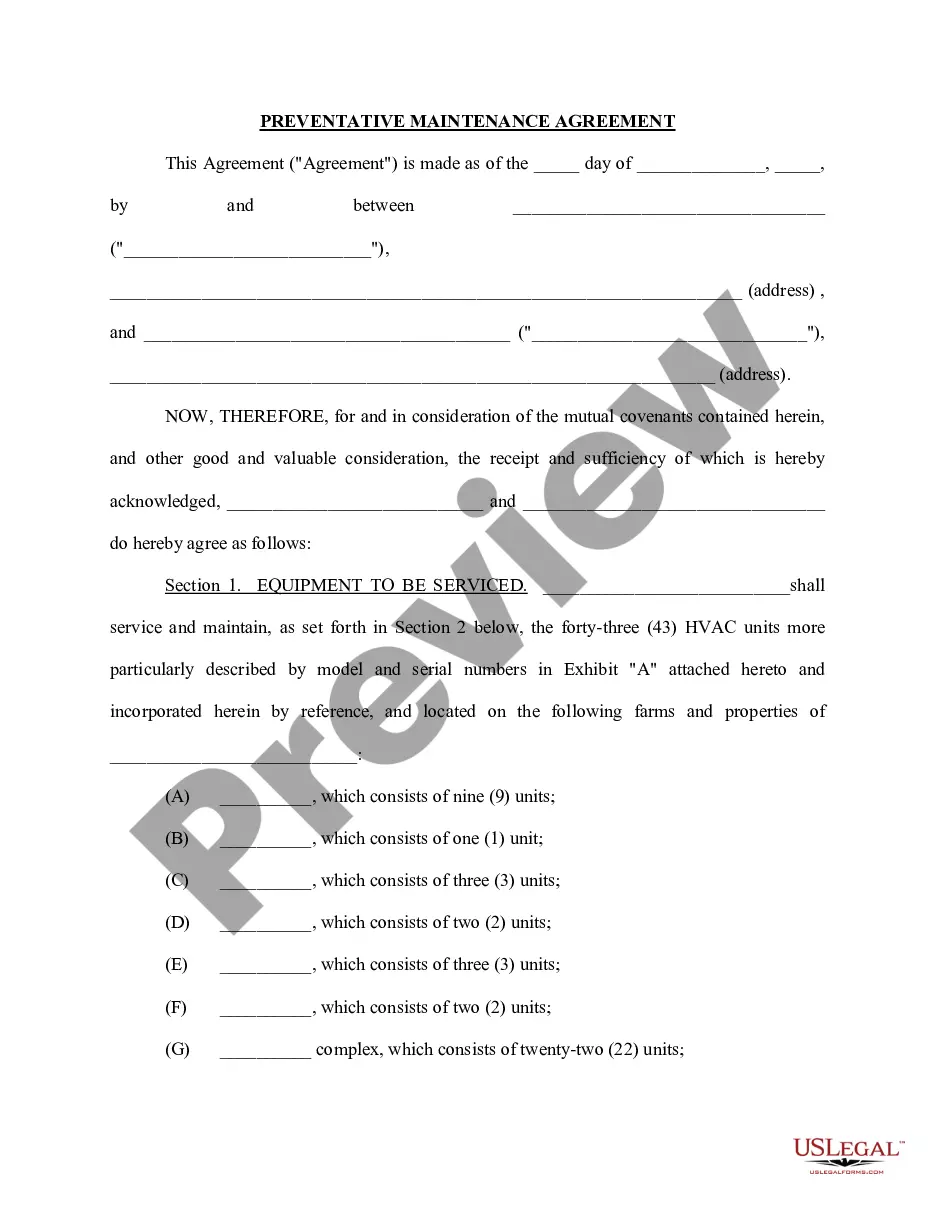
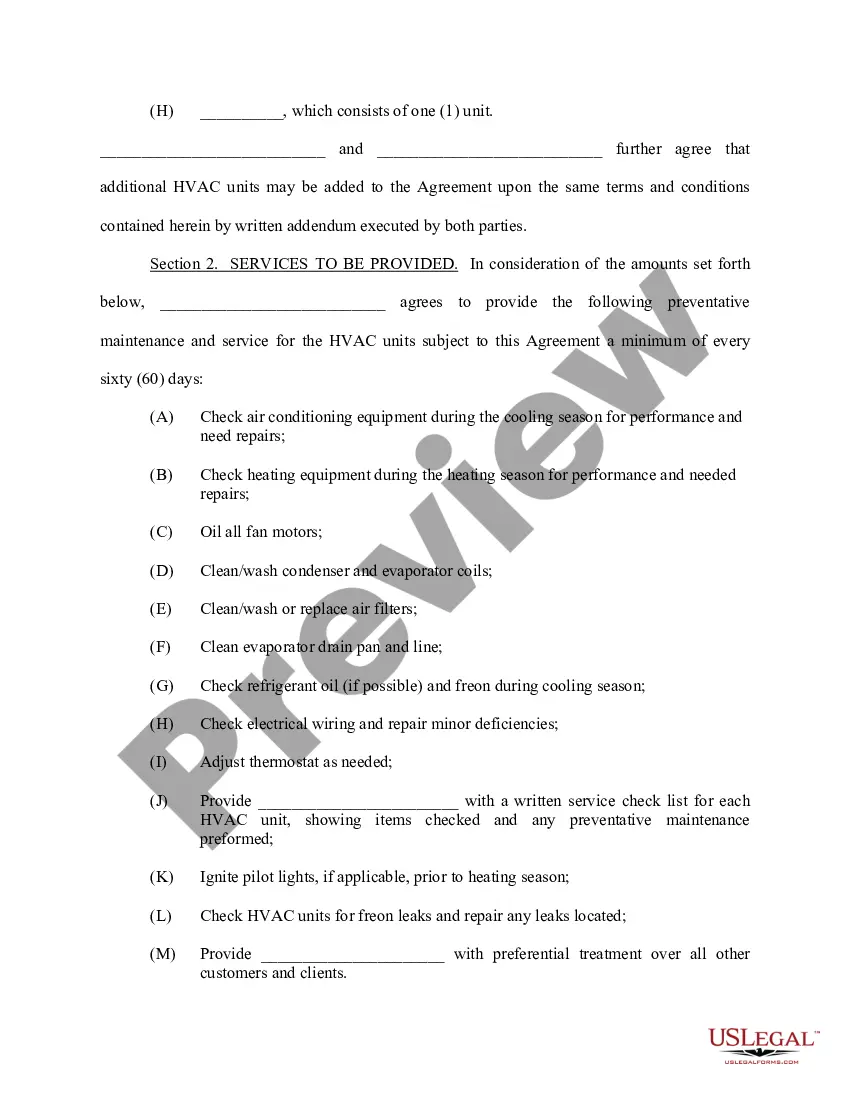
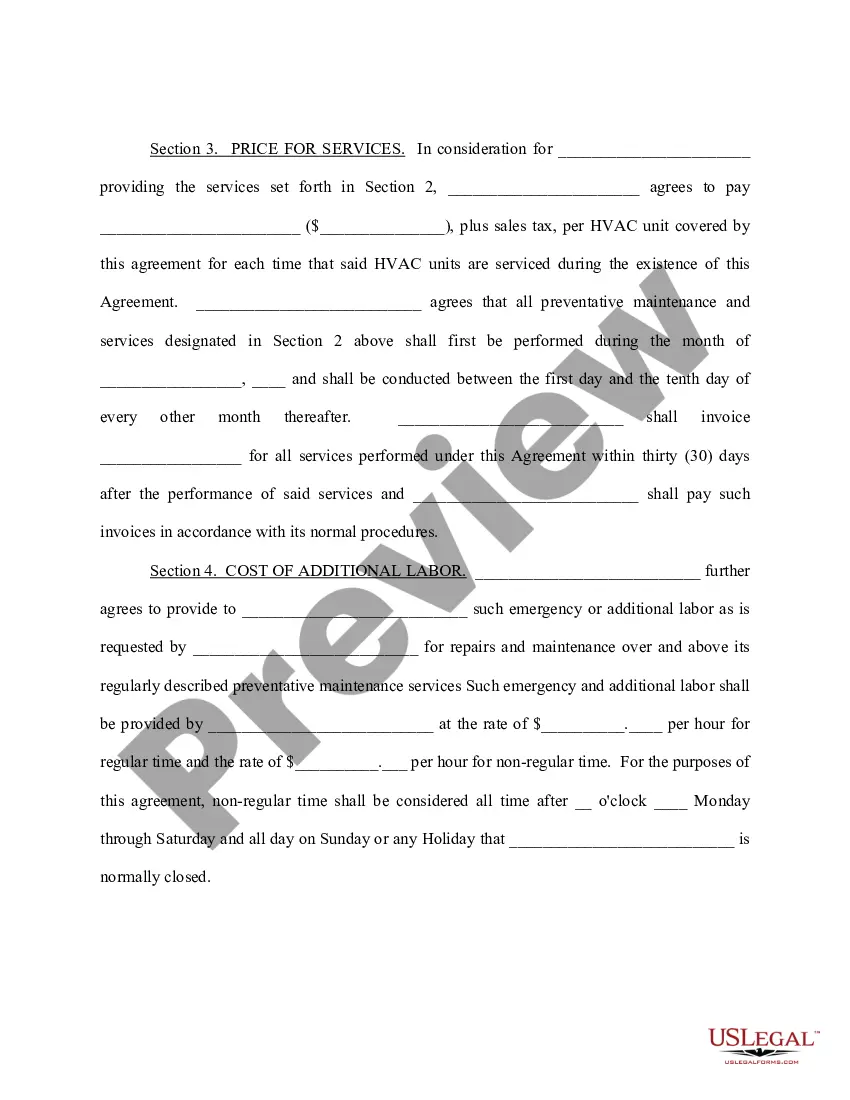
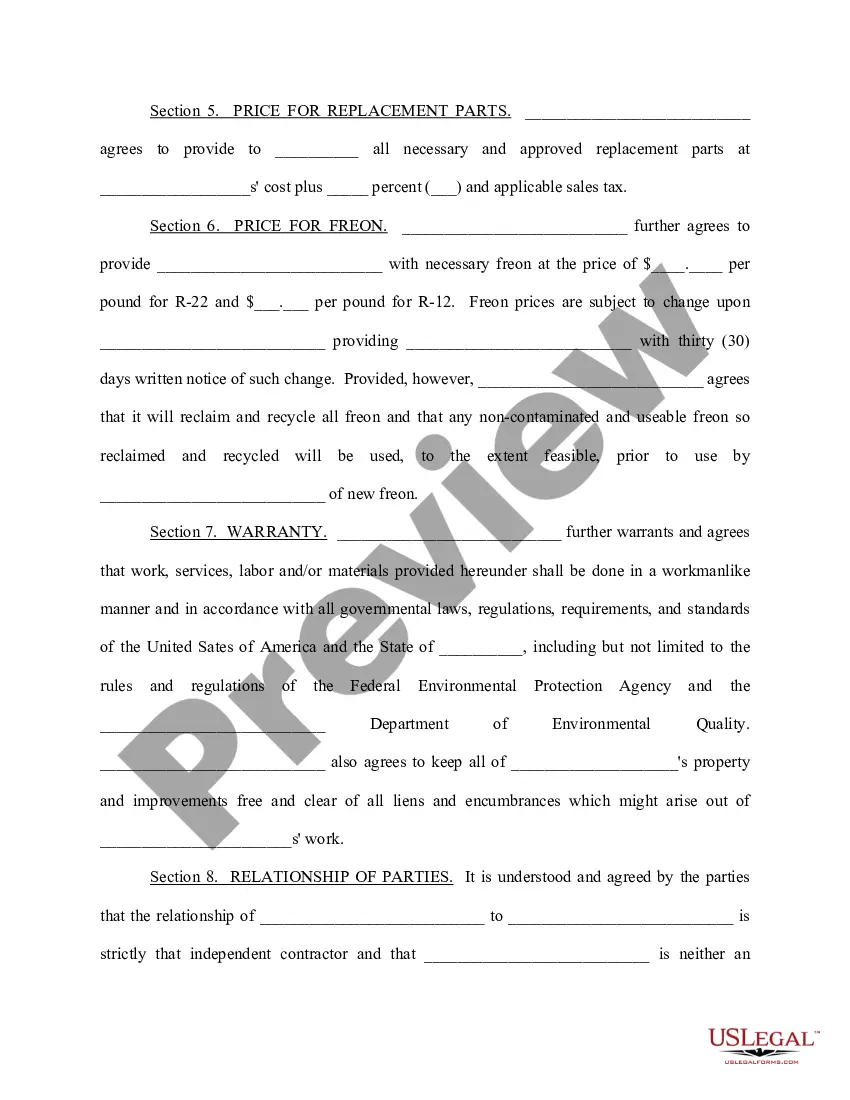
Description
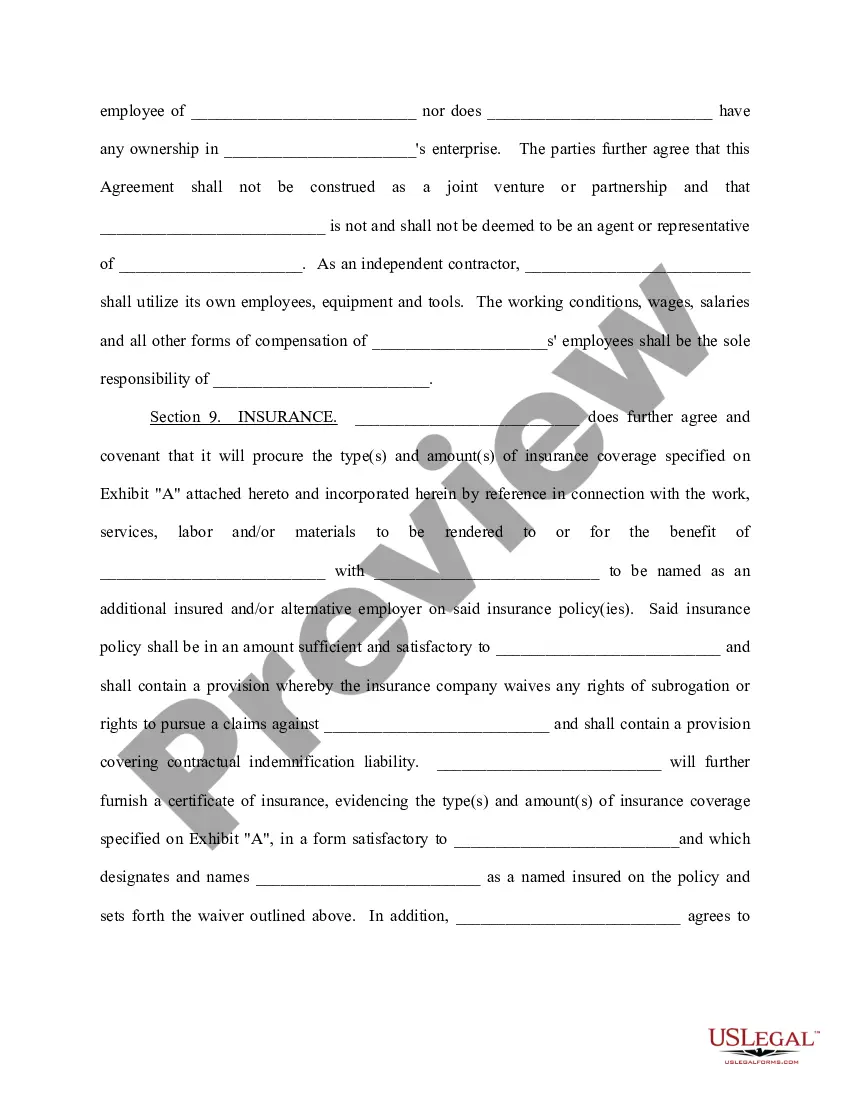
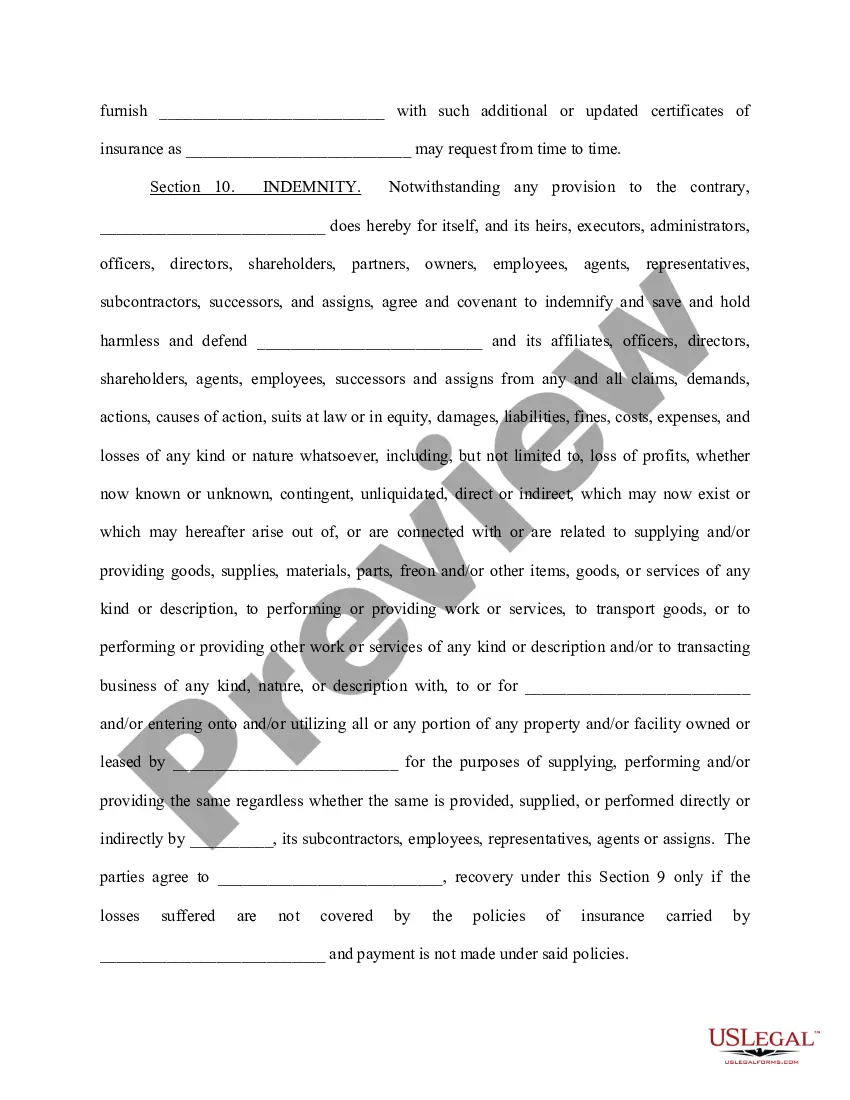
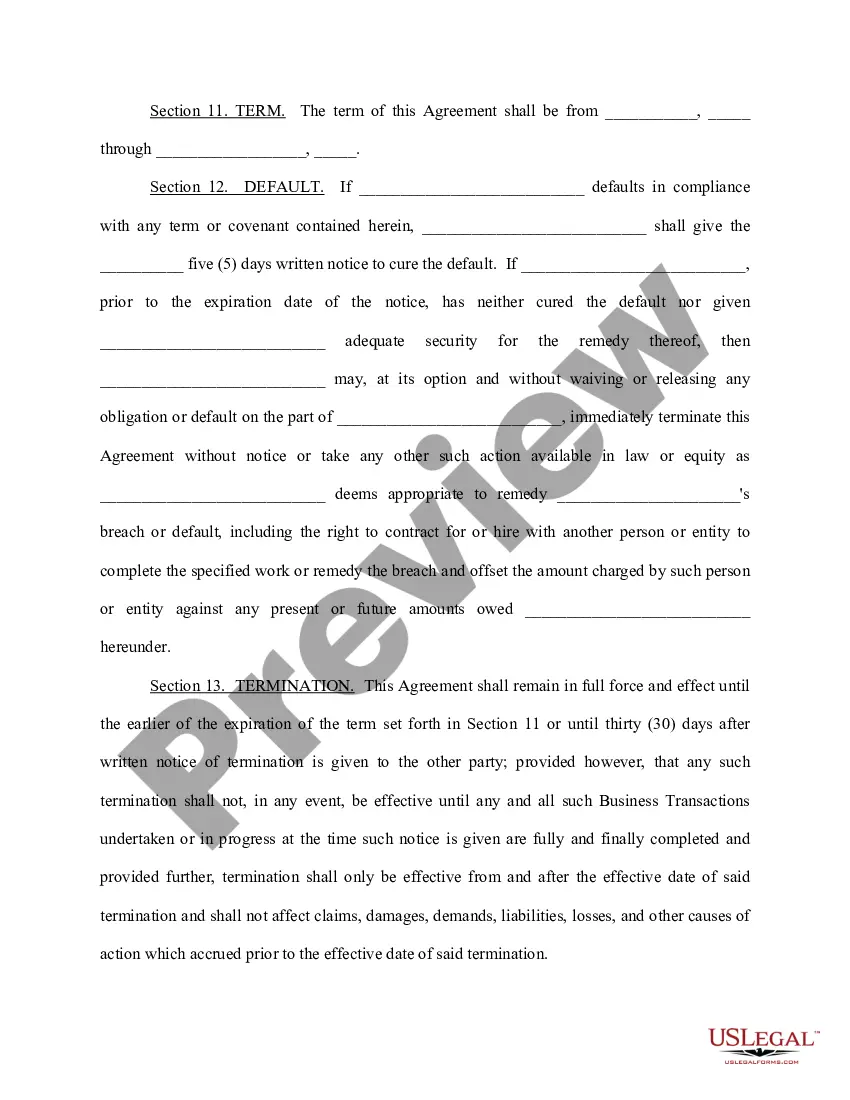
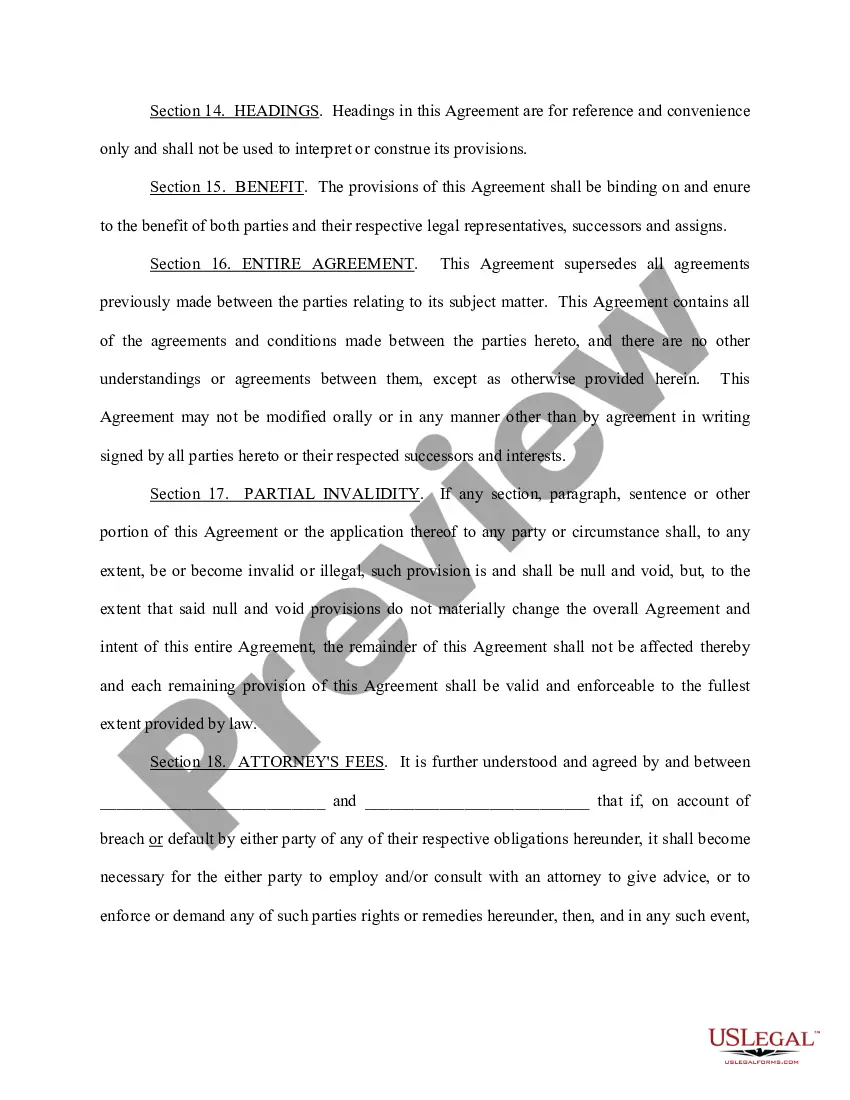
Get your form ready online
Our built-in tools help you complete, sign, share, and store your documents in one place.
Make edits, fill in missing information, and update formatting in US Legal Forms—just like you would in MS Word.
Download a copy, print it, send it by email, or mail it via USPS—whatever works best for your next step.
Sign and collect signatures with our SignNow integration. Send to multiple recipients, set reminders, and more. Go Premium to unlock E-Sign.
If this form requires notarization, complete it online through a secure video call—no need to meet a notary in person or wait for an appointment.
We protect your documents and personal data by following strict security and privacy standards.

Make edits, fill in missing information, and update formatting in US Legal Forms—just like you would in MS Word.

Download a copy, print it, send it by email, or mail it via USPS—whatever works best for your next step.

Sign and collect signatures with our SignNow integration. Send to multiple recipients, set reminders, and more. Go Premium to unlock E-Sign.

If this form requires notarization, complete it online through a secure video call—no need to meet a notary in person or wait for an appointment.

We protect your documents and personal data by following strict security and privacy standards.
Looking for another form?




Form popularity
FAQ
A maintenance schedule is a detailed plan that includes the timing and frequency of maintenance activities for equipment, machinery and facilities within an organization. The purpose is to make sure that these assets are in optimal working condition, reducing downtime and extending the life of the equipment.
Maintenance Technicians: Maintenance technicians perform all kinds of maintenance tasks, including the inspection, servicing, and repair of assets. Maintenance Mechanics: Maintenance mechanics are responsible for the servicing of different types of machinery and mechanical equipment.
General maintenance and repair workers fix and maintain machines, mechanical equipment, and buildings. They paint, repair flooring, and work on plumbing, electrical, and air-conditioning and heating systems.
The different types of maintenance strategies include: Preventive maintenance – includes regular and periodic (time-based) schedules. Corrective maintenance – occurs when an issue is noticed. Predetermined maintenance – follows a factory schedule.
Maintenance strategies encompass various methodologies organizations implement to uphold operational efficiency and asset reliability. These approaches typically include reactive (run-to-failure), predetermined, preventive, corrective, condition-based, and predictive maintenance.
Daily equipment maintenance checks should be performed to identify any potential problems or areas of needed repair. This includes visually inspecting machines for signs of wear and tear, checking all connection points, and ensuring that all parts are securely fastened and lubricated.
Equipment maintenance is any process used to keep a business's equipment in reliable working order. It may include routine upkeep as well as corrective repair work. Equipment may include mechanical assets, tools, heavy off-road vehicles, and computer systems.
What is equipment maintenance? Equipment maintenance is any upkeep performed on a facility's critical assets, equipment, and heavy machinery. It covers everything from corrective repairs to preventive maintenance and inspections.
Equipment Maintenance and Preventive Maintenance Best Practices Correct Use. The first step in caring for your equipment is using it correctly. Cleaning and Storage. Clean and store your equipment correctly to extend its lifespan. Proper Lubrication. Regular Inspections. Timely Repairs.
Every maintenance policy you read will be different, but good policies should address the following areas: Introduction. Purpose of the policy. The statement of intent. The scope of the maintenance policy and procedures. Policy requirements. Allocation of responsibilities. Related documents.
