Equipment Maintenance Policy In Chicago
Description
Get your form ready online
Our built-in tools help you complete, sign, share, and store your documents in one place.
Make edits, fill in missing information, and update formatting in US Legal Forms—just like you would in MS Word.
Download a copy, print it, send it by email, or mail it via USPS—whatever works best for your next step.
Sign and collect signatures with our SignNow integration. Send to multiple recipients, set reminders, and more. Go Premium to unlock E-Sign.
If this form requires notarization, complete it online through a secure video call—no need to meet a notary in person or wait for an appointment.
We protect your documents and personal data by following strict security and privacy standards.

Make edits, fill in missing information, and update formatting in US Legal Forms—just like you would in MS Word.

Download a copy, print it, send it by email, or mail it via USPS—whatever works best for your next step.

Sign and collect signatures with our SignNow integration. Send to multiple recipients, set reminders, and more. Go Premium to unlock E-Sign.

If this form requires notarization, complete it online through a secure video call—no need to meet a notary in person or wait for an appointment.

We protect your documents and personal data by following strict security and privacy standards.
Looking for another form?





Form popularity
FAQ
Steps to creating an effective maintenance plan Detail the work that you'll need to do on each asset. Schedule the work – Use a dating frequency, running hours, or measures that will provide insight into the condition of an asset. Add workers or contractors – including the estimated working hours. Add spare parts.
10 steps for creating and implementing a maintenance plan Step 1: Conduct an asset inventory. Step 2: Perform a criticality assessment. Step 3: Define your Key Performance Indicators (KPIs) ... Step 4: Identify essential maintenance tasks. Step 5: Establish metrics for task scheduling.
Steps to creating an effective maintenance plan Detail the work that you'll need to do on each asset. Schedule the work – Use a dating frequency, running hours, or measures that will provide insight into the condition of an asset. Add workers or contractors – including the estimated working hours. Add spare parts.
10 Steps to Create a Comprehensive Facility Maintenance Plan Step 1: Conduct a Facility Audit. Step 2: Define Maintenance Tasks. Step 3: Prioritize Maintenance Activities. Step 4: Schedule Maintenance Tasks. Step 5: Allocate Resources. Step 6: Implement the Plan. Step 7: Implement Health, Safety, and Environmental Protocols.
Every maintenance policy you read will be different, but good policies should address the following areas: Introduction. Purpose of the policy. The statement of intent. The scope of the maintenance policy and procedures. Policy requirements. Allocation of responsibilities. Related documents.
Steps to Create Standard Maintenance Procedures Identify the Equipment to be Covered. Document the Current Maintenance Process. Analyze and Improve the Existing Process. Develop Detailed Step-by-Step Procedures. Include Safety Measures and Guidelines. Verify and Validate Procedures.
A maintenance schedule, simply put, is a plan that outlines when, who, and how maintenance will be performed. It should extend beyond merely listing maintenance activities and assign specific tasks to technicians based on their availability, skill sets, timeframe, and location for each task.
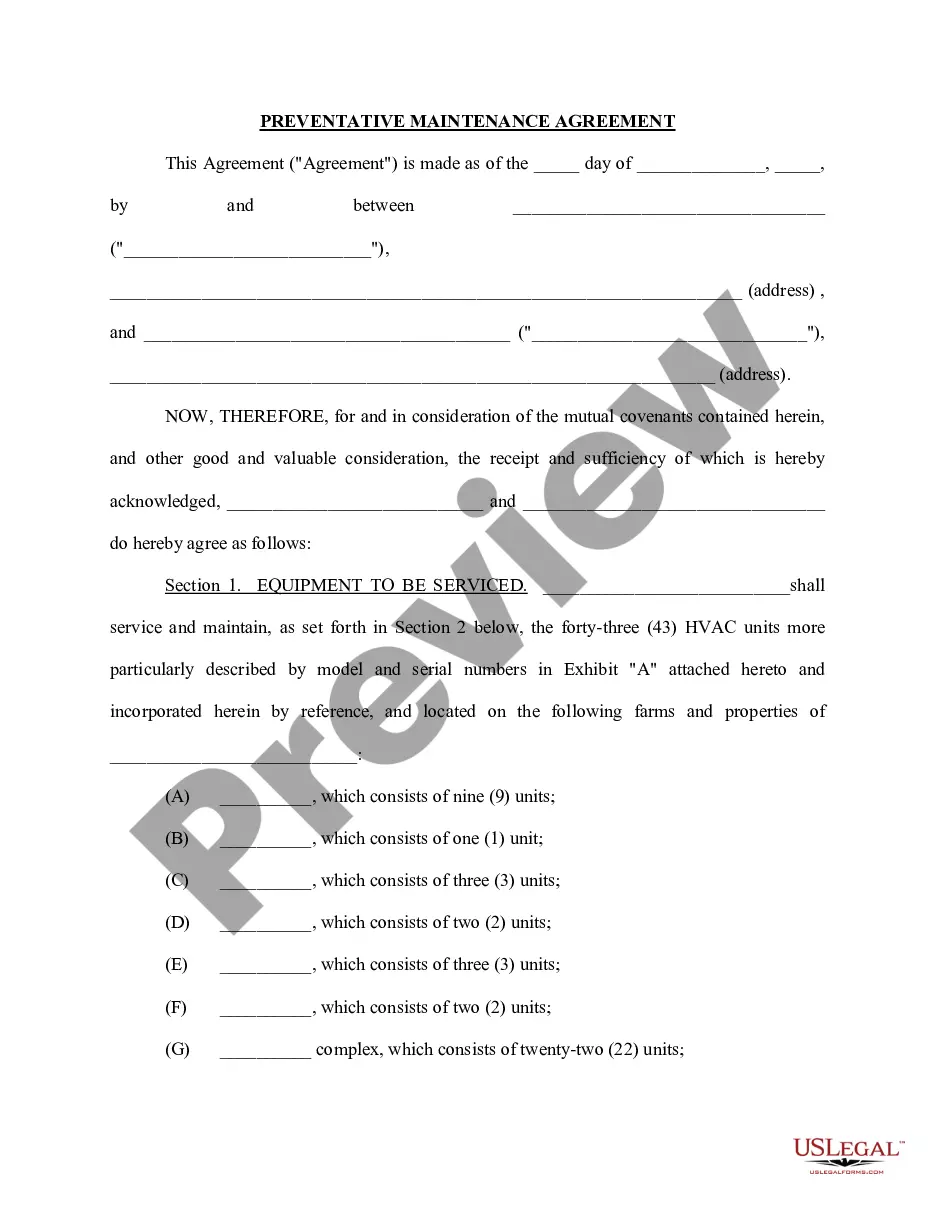
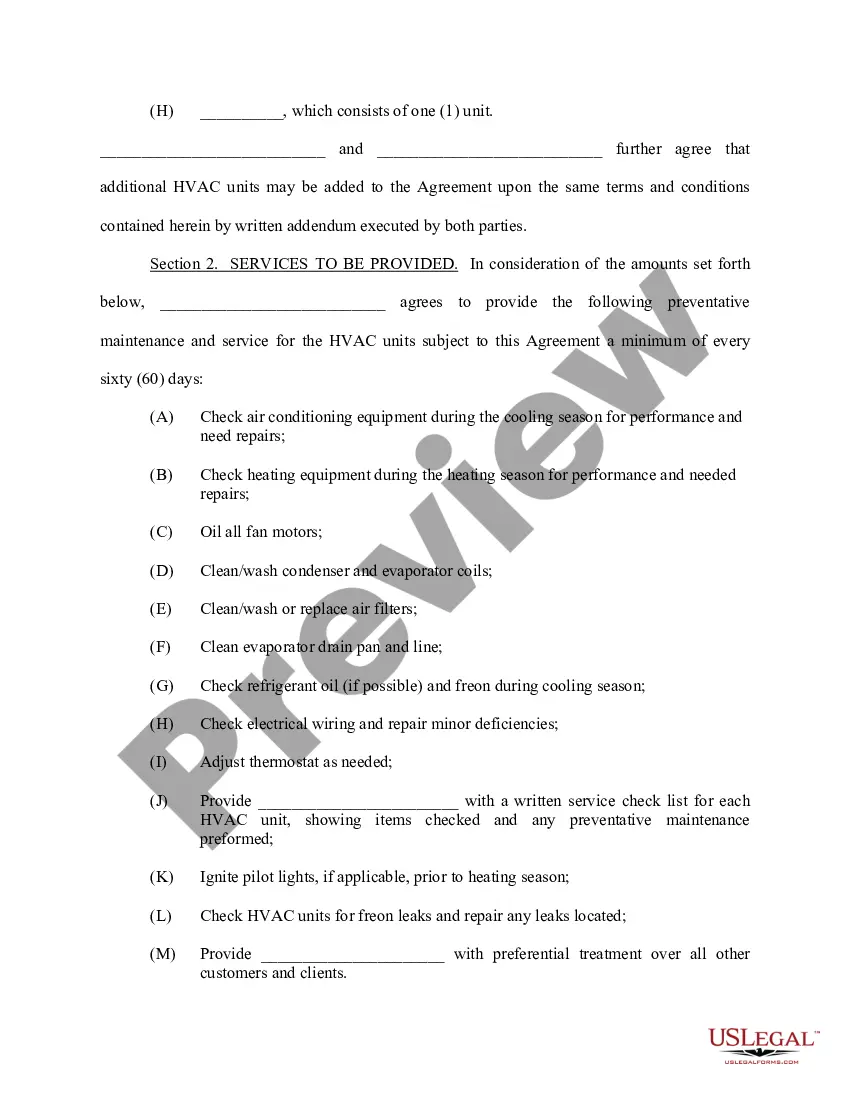
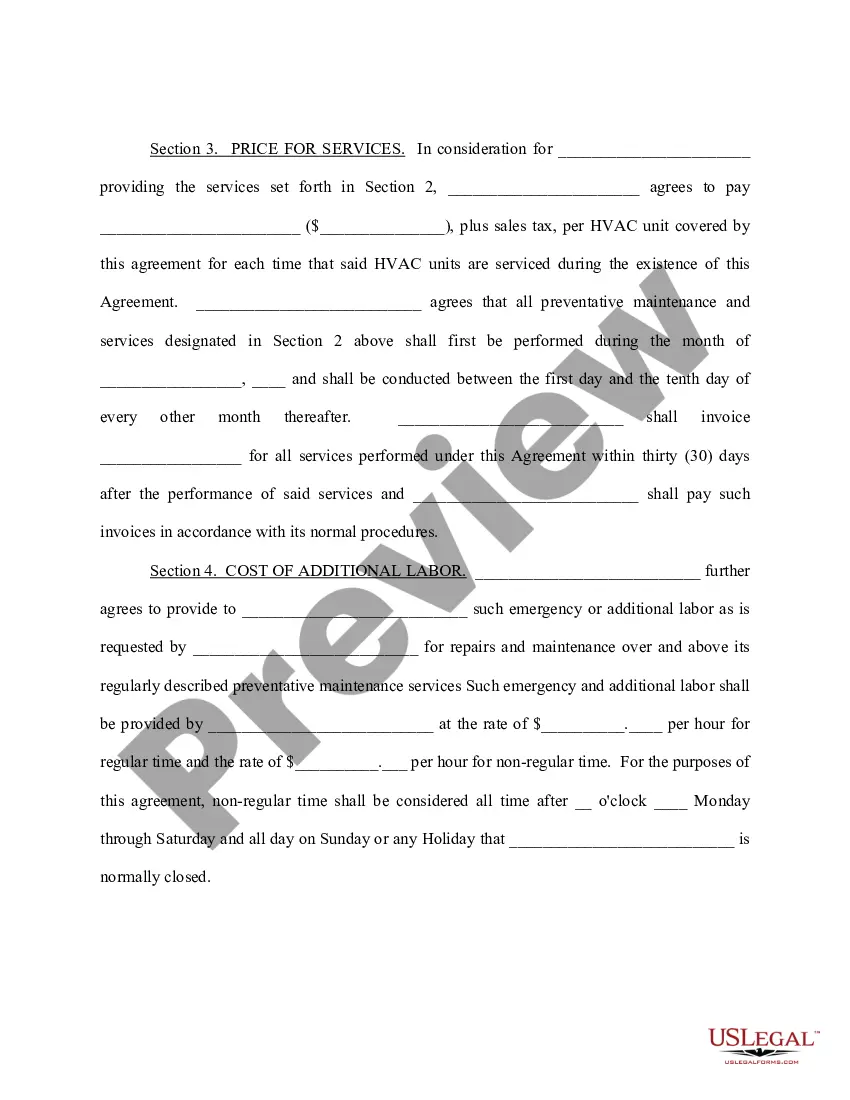
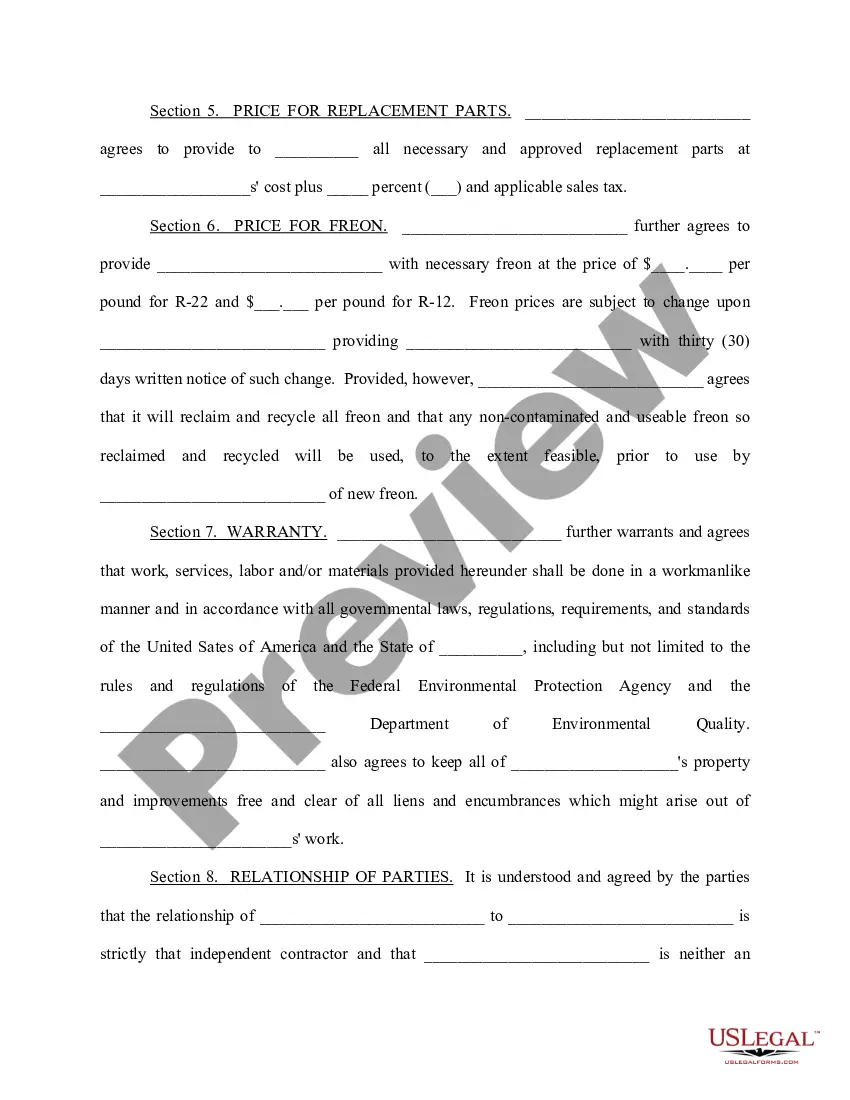
An equipment maintenance policy is a document that defines the standards, procedures, and responsibilities for keeping your equipment in good condition and preventing breakdowns. It can help you optimize your equipment performance, reduce downtime, save costs, and comply with safety and environmental regulations.