Corporation Personal Held Without Bond In Suffolk
Description

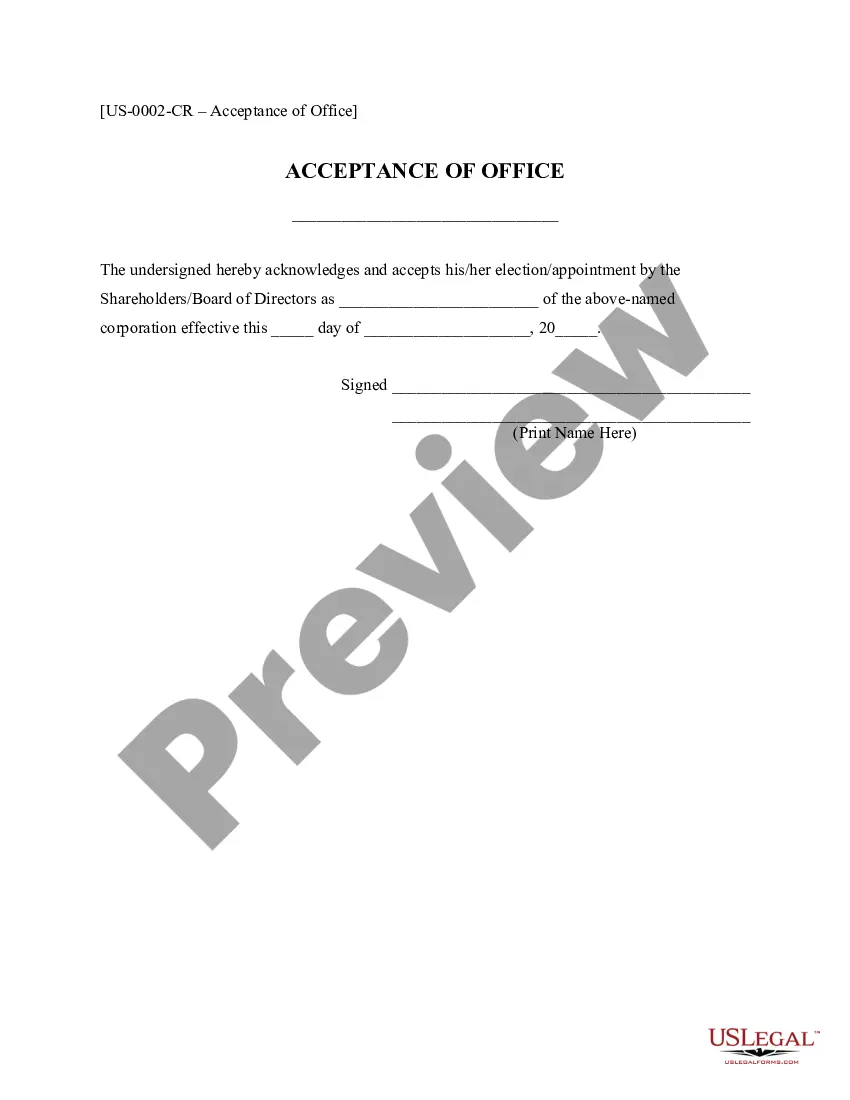
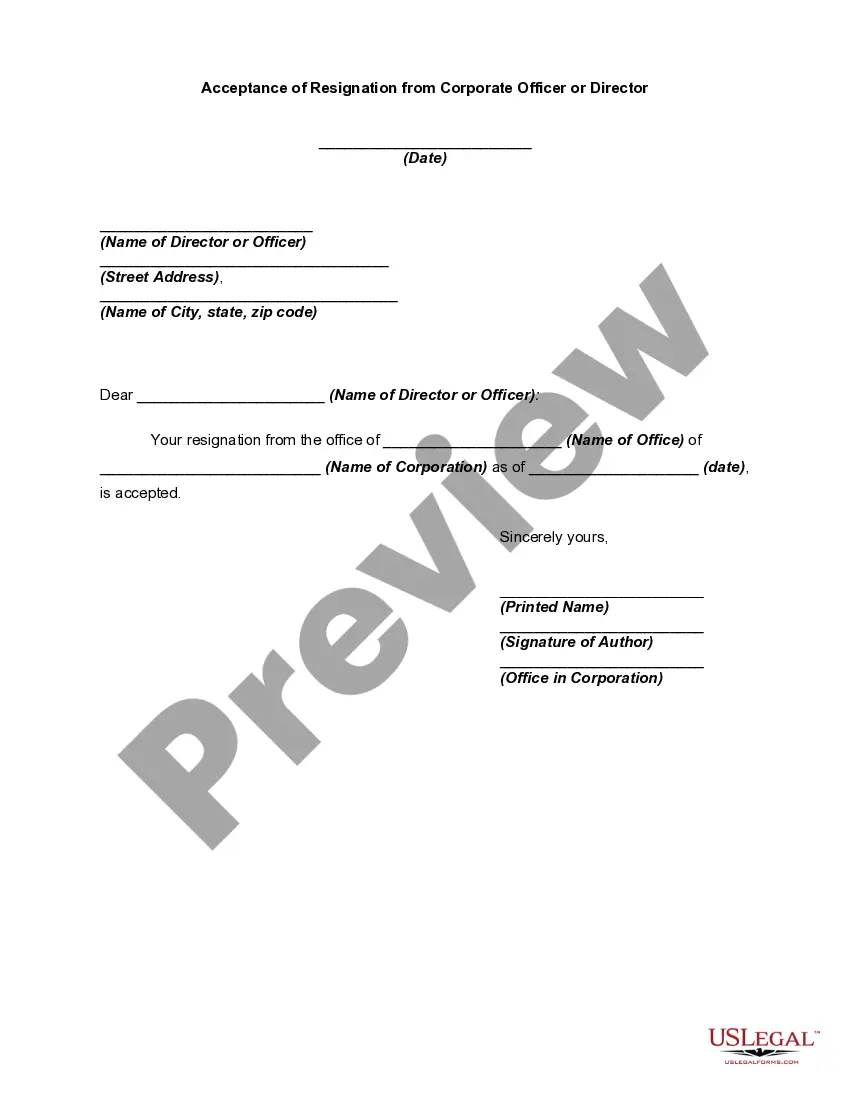
Get your form ready online
Our built-in tools help you complete, sign, share, and store your documents in one place.
Make edits, fill in missing information, and update formatting in US Legal Forms—just like you would in MS Word.
Download a copy, print it, send it by email, or mail it via USPS—whatever works best for your next step.
Sign and collect signatures with our SignNow integration. Send to multiple recipients, set reminders, and more. Go Premium to unlock E-Sign.
If this form requires notarization, complete it online through a secure video call—no need to meet a notary in person or wait for an appointment.
We protect your documents and personal data by following strict security and privacy standards.

Make edits, fill in missing information, and update formatting in US Legal Forms—just like you would in MS Word.

Download a copy, print it, send it by email, or mail it via USPS—whatever works best for your next step.

Sign and collect signatures with our SignNow integration. Send to multiple recipients, set reminders, and more. Go Premium to unlock E-Sign.

If this form requires notarization, complete it online through a secure video call—no need to meet a notary in person or wait for an appointment.

We protect your documents and personal data by following strict security and privacy standards.
Looking for another form?







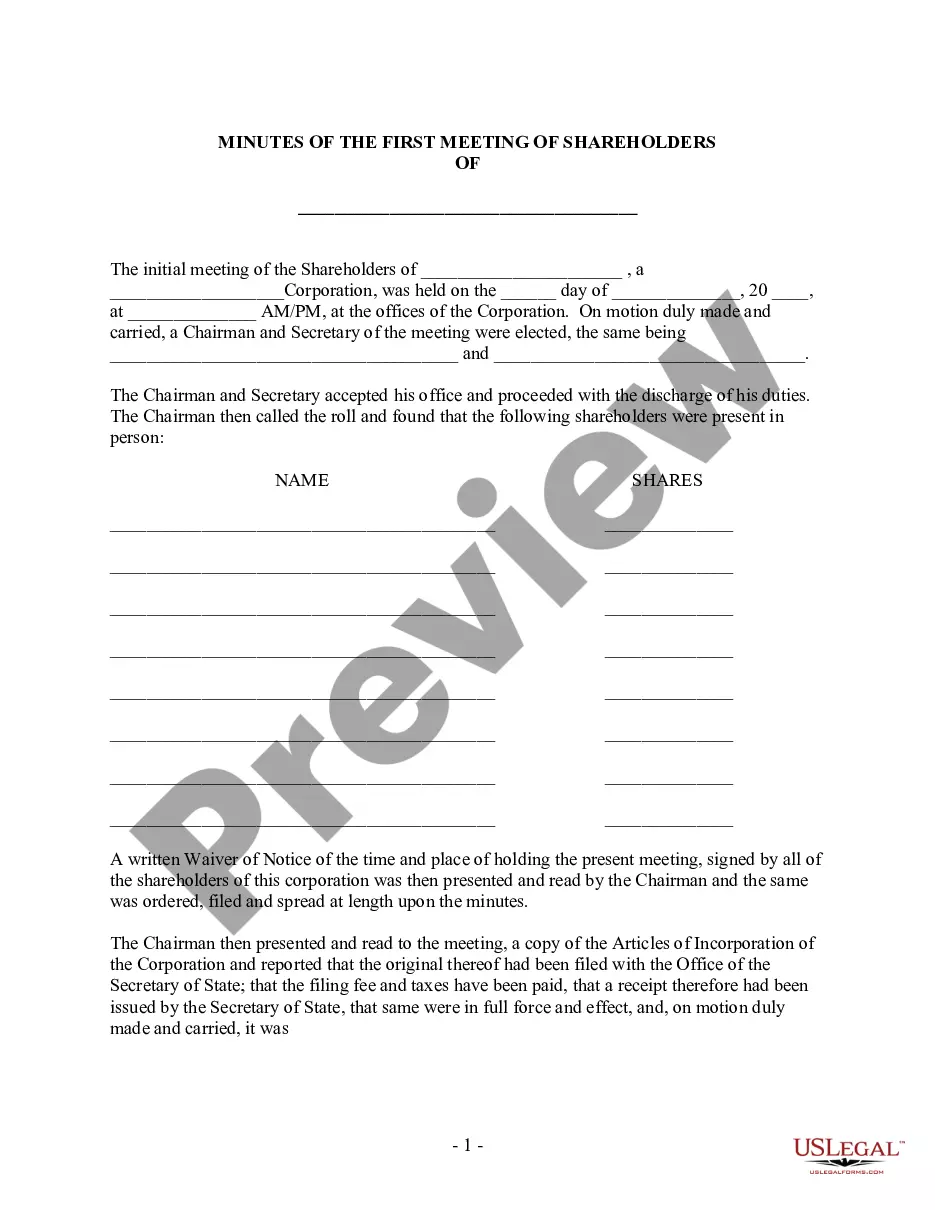
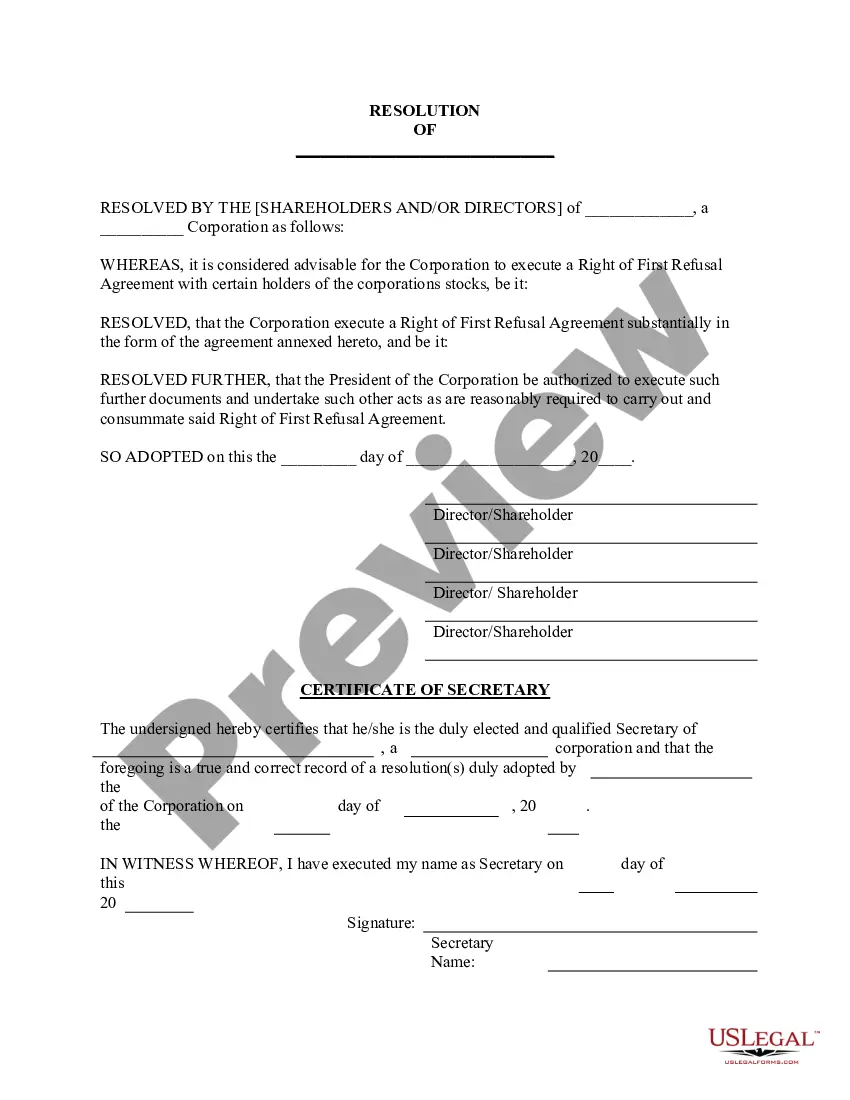

Form popularity
FAQ
You do not need a lawyer to sue in Small Claims Court. But you may hire one, if you want. The other side may also hire a lawyer. The Court will not give you a lawyer.
What happens if the Defendant does not appear in court? If the defendant does not come to court, an inquest will likely be held and a decision made in favor of the Claimant (the person who filled the suit in Small Claims court).
While it's not mandatory to hire a lawyer for small claims court, consulting one can provide valuable insights and increase your chances of success, especially in more complex cases. Weigh the complexity of your case, your comfort with legal procedures, and the potential costs to make an informed decision.
You do not need a lawyer to sue in Small Claims Court. But you may hire one, if you want. The other side may also hire a lawyer. The Court will not give you a lawyer.
If the defendant has no contact with your state, you may be able to sue in the location in your state where the contract was signed, but you generally have to sue in the state where the person you're suing lives or does business. Out-of-state small claims lawsuits tend to be expensive and unwieldy.
Definition of No Bond When a judge announces no bond, the defendant isn't eligible for release from county jail through bail as the judge has not set a bail amount. Instead, the arrested person has to remain in custody until the case concludes or a judge potentially sets bail at a later hearing.
If you or a loved one are remanded without bond, it means there is no chance for release before a trial date. Instead, you will be required to remain in jail until your hearing.
The defendant can post their own bail or ask a family member or friend to post it. If the defendant uses a bond company, the company may require the defendant to have a co-signer (someone who will help the company find the defendant should they fail to appear).

