Force Director To Resign In San Antonio
Description

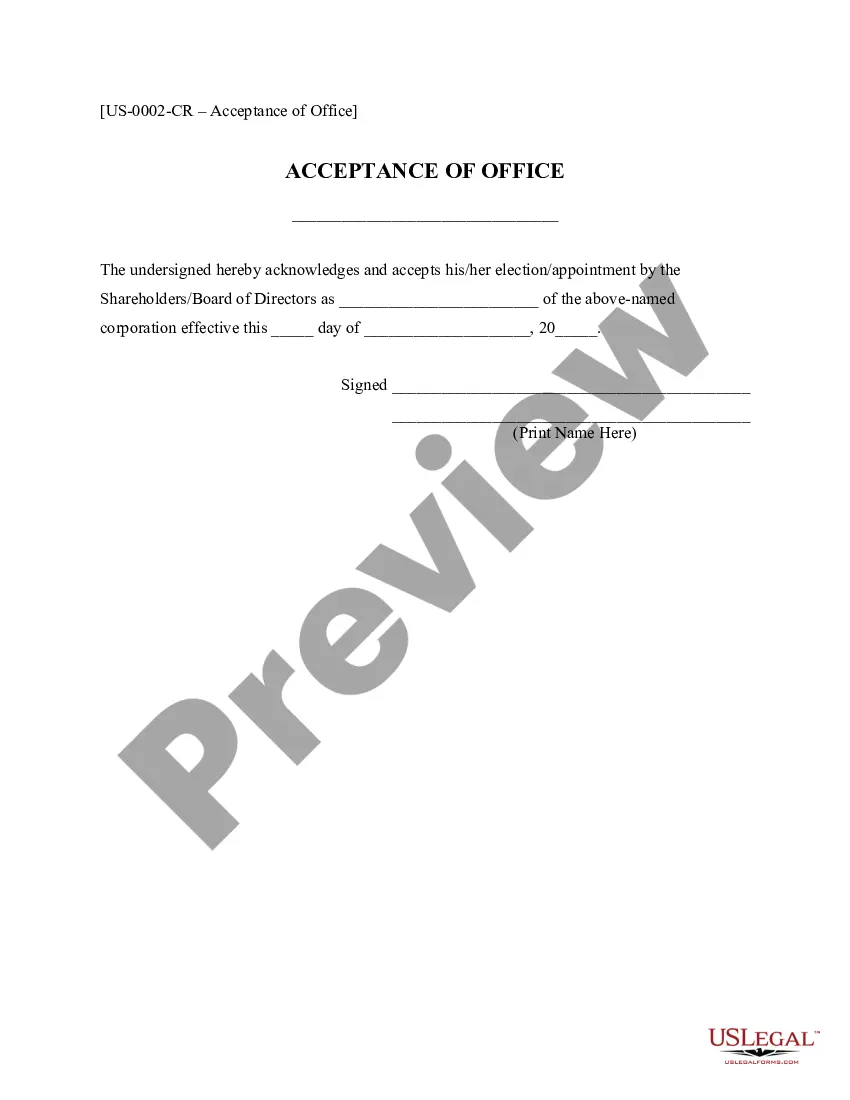
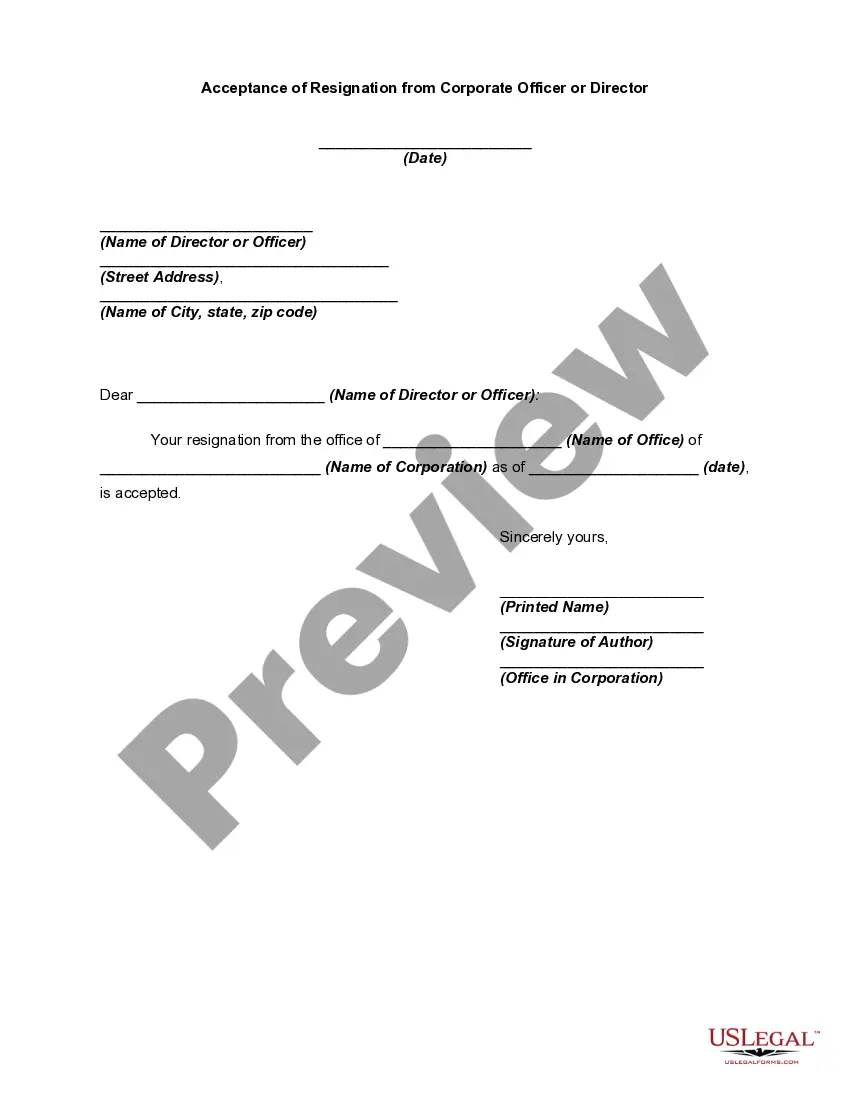
Get your form ready online
Our built-in tools help you complete, sign, share, and store your documents in one place.
Make edits, fill in missing information, and update formatting in US Legal Forms—just like you would in MS Word.
Download a copy, print it, send it by email, or mail it via USPS—whatever works best for your next step.
Sign and collect signatures with our SignNow integration. Send to multiple recipients, set reminders, and more. Go Premium to unlock E-Sign.
If this form requires notarization, complete it online through a secure video call—no need to meet a notary in person or wait for an appointment.
We protect your documents and personal data by following strict security and privacy standards.

Make edits, fill in missing information, and update formatting in US Legal Forms—just like you would in MS Word.

Download a copy, print it, send it by email, or mail it via USPS—whatever works best for your next step.

Sign and collect signatures with our SignNow integration. Send to multiple recipients, set reminders, and more. Go Premium to unlock E-Sign.

If this form requires notarization, complete it online through a secure video call—no need to meet a notary in person or wait for an appointment.

We protect your documents and personal data by following strict security and privacy standards.
Looking for another form?







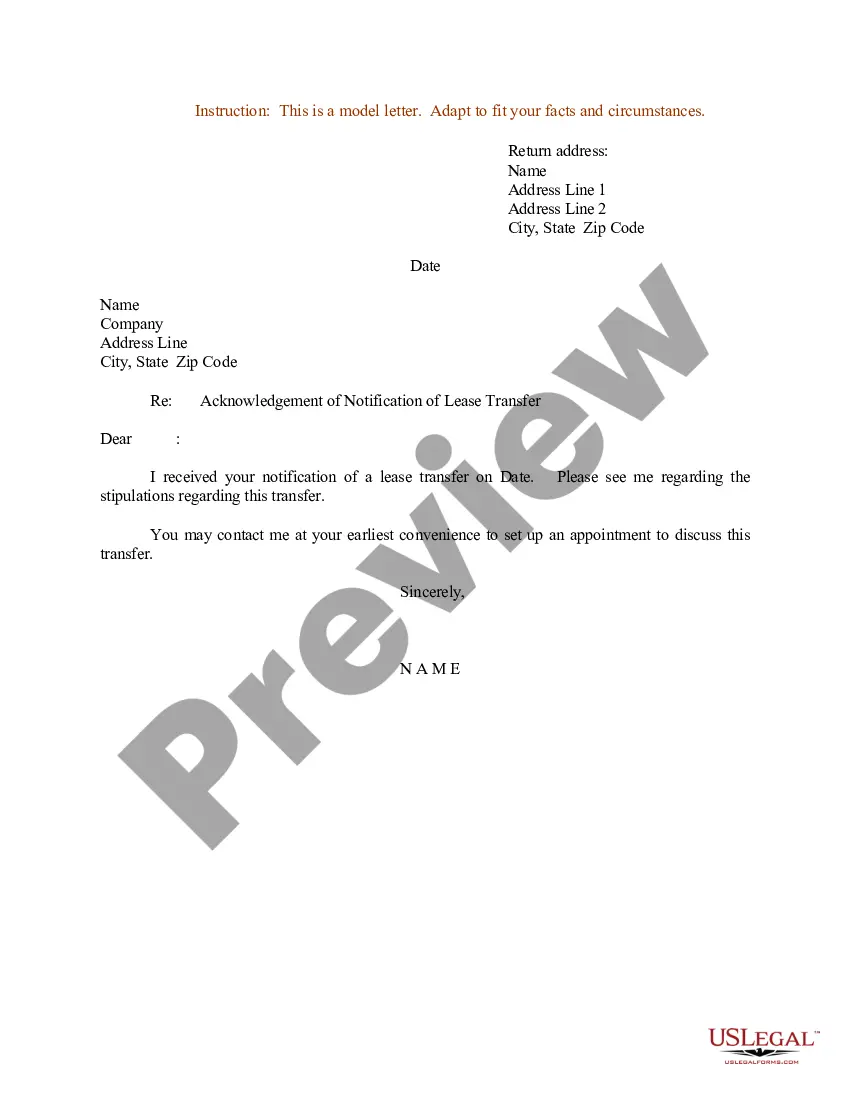

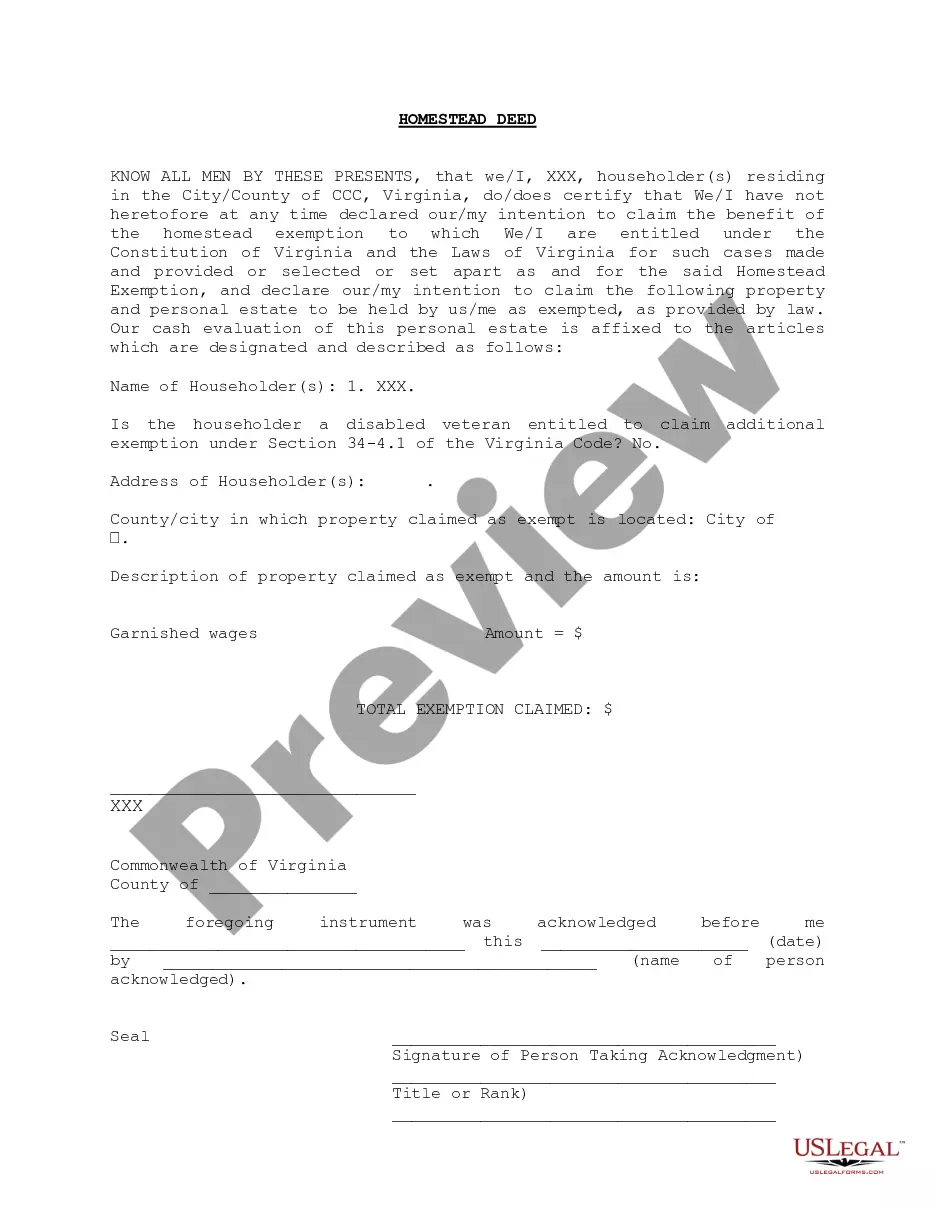
Form popularity
FAQ
A director may resign from his office by giving a notice in writing to the company and the Board shall on receipt of such notice take note of the same and the company shall intimate the Registrar in such manner, within such time and in such form as may be prescribed and shall also place the fact of such resignation in ...
Here are some strategies to consider: Communicate Clearly: Schedule a meeting with your boss to discuss your decision. Be firm but respectful about your desire to leave. Clearly explain your reasons if you're comfortable doing so. Stay Professional: Maintain a professional demeanor throughout the process.
1. Notify your company secretary that a director wishes to resign. 2. Form 49, a letter of resignation, and a board resolution will be prepared by the company secretary.
A constructive discharge claim can arise from an employer's continuous patterns of harassment, discrimination, or clear hostility. Unpleasant working conditions are not enough to constitute a constructive discharge. Instead, the conditions must be so bad that a reasonable employee would feel compelled to resign.
Constructive dismissal is when an employee is forced to quit their job against their will because of their employer's conduct. Find out what you can do if you feel that you have to leave your job.
California follows an “at-will” employment doctrine, which means that either the employer or the employee can terminate the employment relationship at any time. However, this doesn't grant employers unlimited power to force resignations.
Here are some instances where you may go through a forced resignation: Company may not be able to afford the position: Companies might offer a forced resignation when the role is being eliminated. This could be because of budget cuts or other eliminations within the department.
If one cannot persuade a corporate director to resign, then one does not ``force'' a resignation. Instead: The shareholders vote to remove the director; or If permitted by the corporation's bylaws, the other directors vote to remove the director in question. Disclaimer:
The statutory provision allowing any director to be removed from office by ordinary resolution of the shareholders is in Section 168 of the Companies Act 2006 (CA06). Importantly, the resolution must be proposed at a formal shareholders' meeting and cannot be passed as a written resolution.
Under section 71 of the Act a director may be removed from office by ordinary resolution (a resolution adopted with support of more than 50% of the voting rights exercised on the resolution) of the shareholders in a general meeting, by the board of director's resolution, and by the Companies Tribunal in certain ...

