Corporation Personal Held Without Bond In San Antonio
Description

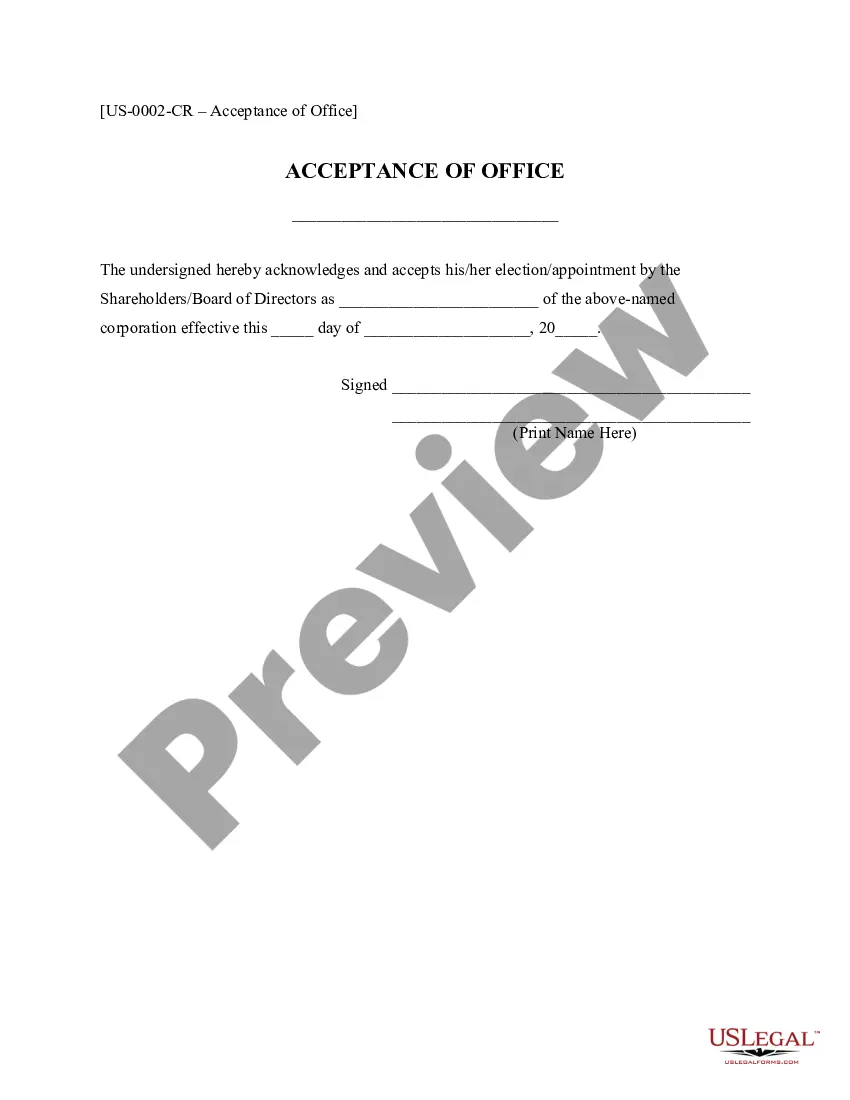
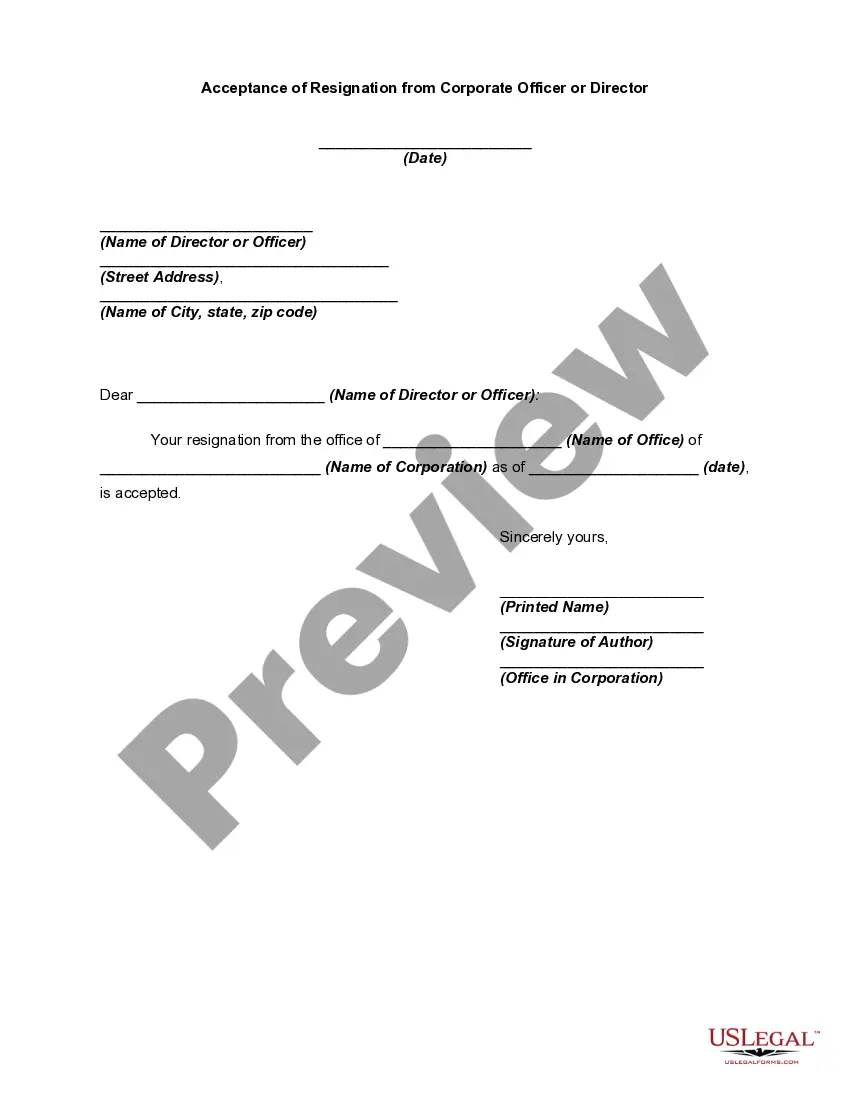
Get your form ready online
Our built-in tools help you complete, sign, share, and store your documents in one place.
Make edits, fill in missing information, and update formatting in US Legal Forms—just like you would in MS Word.
Download a copy, print it, send it by email, or mail it via USPS—whatever works best for your next step.
Sign and collect signatures with our SignNow integration. Send to multiple recipients, set reminders, and more. Go Premium to unlock E-Sign.
If this form requires notarization, complete it online through a secure video call—no need to meet a notary in person or wait for an appointment.
We protect your documents and personal data by following strict security and privacy standards.

Make edits, fill in missing information, and update formatting in US Legal Forms—just like you would in MS Word.

Download a copy, print it, send it by email, or mail it via USPS—whatever works best for your next step.

Sign and collect signatures with our SignNow integration. Send to multiple recipients, set reminders, and more. Go Premium to unlock E-Sign.

If this form requires notarization, complete it online through a secure video call—no need to meet a notary in person or wait for an appointment.

We protect your documents and personal data by following strict security and privacy standards.
Looking for another form?

Form popularity
FAQ
If your court appearance is scheduled quickly or if the jail has systems in place to expedite trials, you may stay in custody for a few days to a week. In cases involving backlogged court systems or serious charges, pretrial detention could stretch into months.
If a defendant cannot afford bail, then at the arraignment or any hearing while still incarcerated the defendant can request a bail reduction or release without bail. That must be supported with evidence that the defendant is unlikely to reoffend or to flee.
Texas Code of Criminal Procedure Article 17.151 provides some further relief to a defendant sitting in jail without bail. Under this provision, if the State is “not ready for trial” within 90 days the Judge must release the defendant on a personal bond or reduce bail.
This rule requires the state to be prepared for trial within 90 days of a felony arrest, and while it doesn't automatically lead to case dismissal, it may entitle the defendant to a personal recognizance (PR) bond if an indictment isn't issued within this period.
First, if an indictment is not obtained within the first 90 days of a person being in custody or first 180 days of a person being on bond, the individual must be given a reasonable or personal recognizance bond.
If you can't make bail, you remain in custody until your court date—a timeline that could span weeks or months.
The ninety day rule comes from Division of Workers' Compensation Rule 130.12. It states that the first valid impairment rating given to an injured worker becomes FINAL if it is not disputed within ninety days of delivery of written notice through verifiable means.
No Bond Hold This could happen if the defendant is considered a flight risk, poses a danger to others, or if there are reasons to believe they may tamper with evidence or intimidate witnesses. In such cases, the judge may issue a “no bond hold,” which means the person will remain in custody until their trial.
For those accused of a felony, the defendant is generally entitled to a personal bond after 90 days of incarceration have elapsed if the defendant has not been indicted.
This rule requires the state to be prepared for trial within 90 days of a felony arrest, and while it doesn't automatically lead to case dismissal, it may entitle the defendant to a personal recognizance (PR) bond if an indictment isn't issued within this period.

