Short Resignation Letter With Reason In Queens
Description

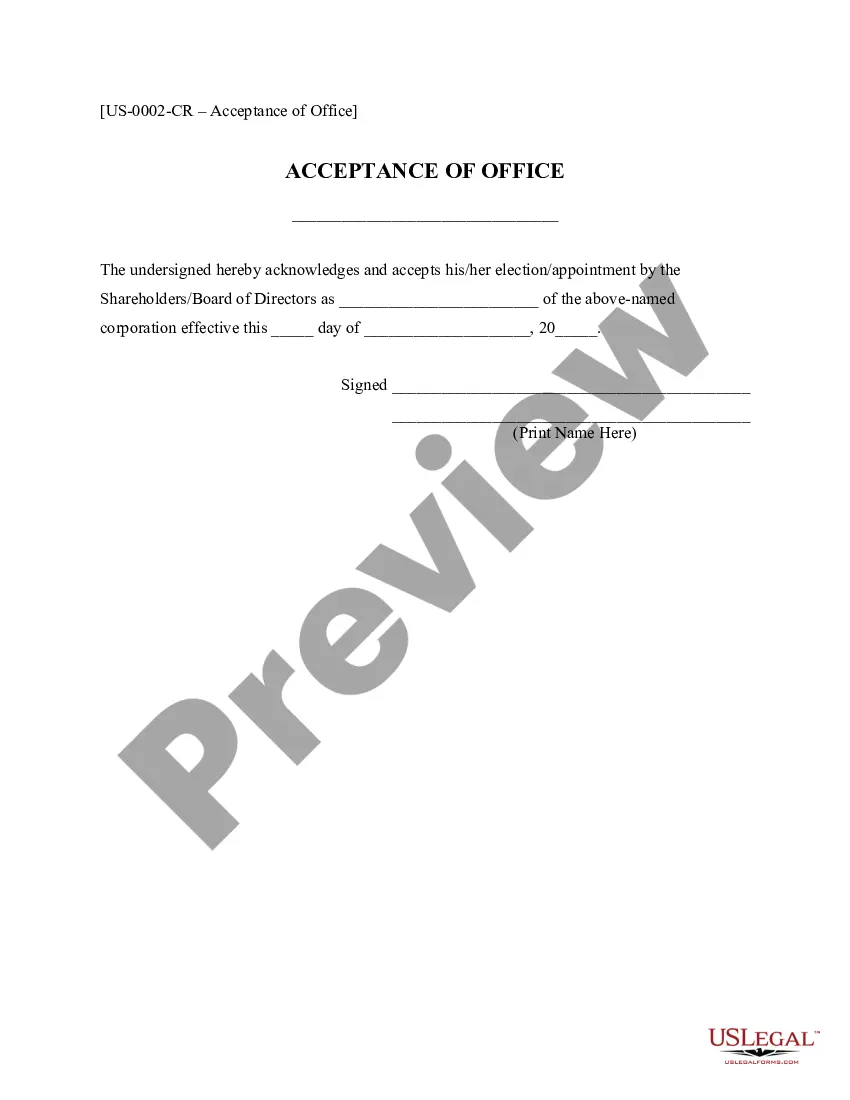
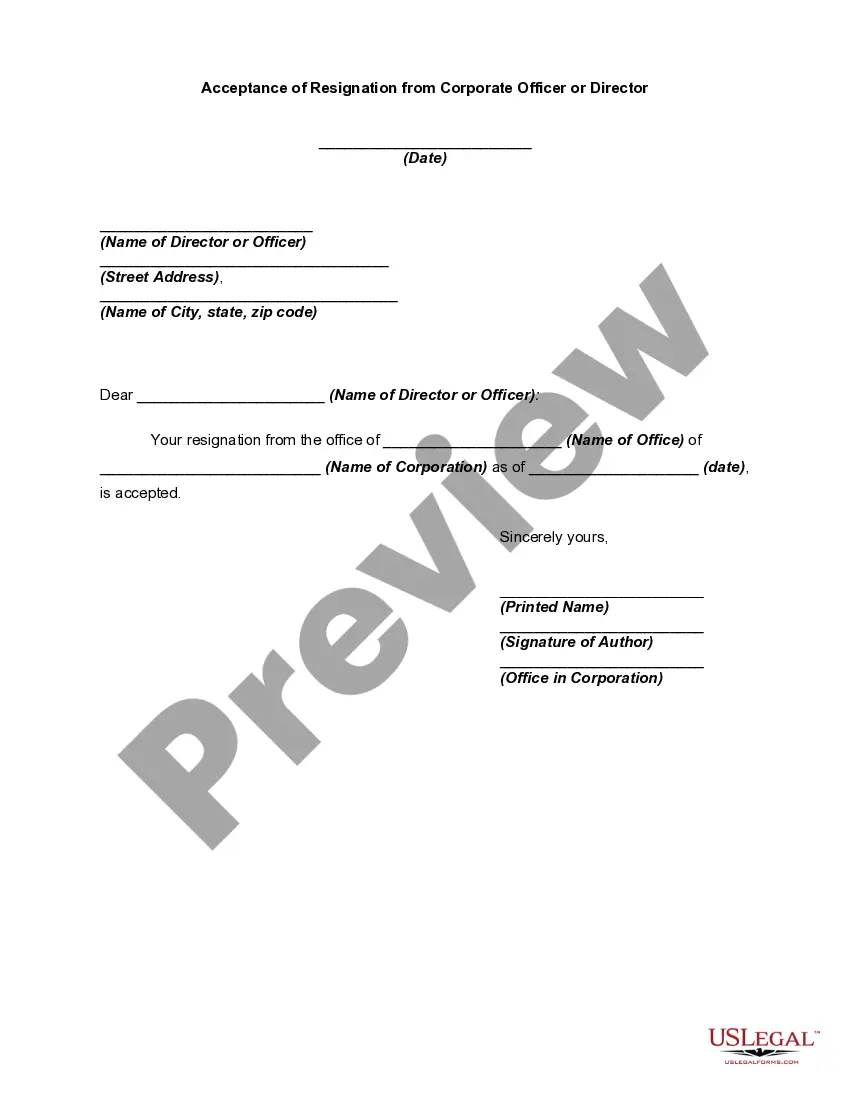
Get your form ready online
Our built-in tools help you complete, sign, share, and store your documents in one place.
Make edits, fill in missing information, and update formatting in US Legal Forms—just like you would in MS Word.
Download a copy, print it, send it by email, or mail it via USPS—whatever works best for your next step.
Sign and collect signatures with our SignNow integration. Send to multiple recipients, set reminders, and more. Go Premium to unlock E-Sign.
If this form requires notarization, complete it online through a secure video call—no need to meet a notary in person or wait for an appointment.
We protect your documents and personal data by following strict security and privacy standards.

Make edits, fill in missing information, and update formatting in US Legal Forms—just like you would in MS Word.

Download a copy, print it, send it by email, or mail it via USPS—whatever works best for your next step.

Sign and collect signatures with our SignNow integration. Send to multiple recipients, set reminders, and more. Go Premium to unlock E-Sign.

If this form requires notarization, complete it online through a secure video call—no need to meet a notary in person or wait for an appointment.

We protect your documents and personal data by following strict security and privacy standards.
Looking for another form?









Form popularity
FAQ
How to write a resignation letter with a reason State your intention and resignation date. Summarize why you're leaving. Provide supporting details. Thank your employer for the job opportunity. Offer assistance with the transition.
When you write a resignation letter, it's often important to include your reason for leaving. This can provide your employer with some valuable information about the situation. It's useful to know how to properly organize your resignation letter and present this information.
How to resign immediately in 6 steps Collect any personal items you keep at your workspace. Have an honest conversation with your employer. Explain your decision to resign. Be respectful to the employer and the company. Hand in an immediate resignation letter. Stay professional in the aftermath.
In most cases, you are not legally required to provide a reason for leaving your job if your employer asks. However, it's generally considered courteous to offer an explanation, especially if you're leaving on good terms.
No, you are not legally required to provide a reason for your resignation in most situations. However, it is often considered professional and courteous to do so, especially if you have a good relationship with your employer.
Dear Supervisor's Name, I am writing to inform you that I have decided to resign from my position as Job Title at Company Name. My last day of work will be Date. I want to take this opportunity to thank you and the entire team for the valuable experience and support provided during my time at Company Name.
It's pivotal to maintain a professional tone throughout your resignation letter, focusing on positive aspects of your tenure and abstaining from issuing criticism or mentioning specific work issues that influenced your decision to resign.
No, you are not legally required to provide a reason for your resignation in most situations. However, it is often considered professional and courteous to do so, especially if you have a good relationship with your employer.
It is generally not recommended to include personal reasons for resigning in a resignation letter.

