Corporation Personal Held Foreign In Philadelphia
Description

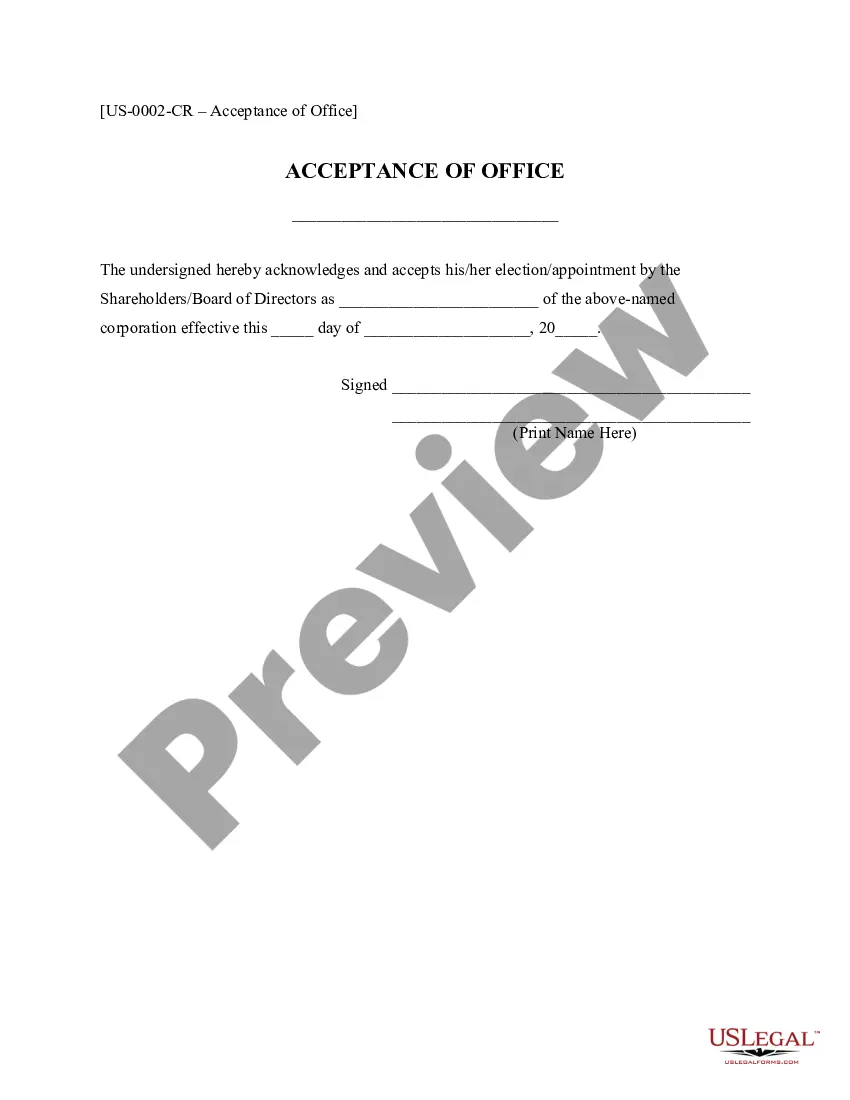
Get your form ready online
Our built-in tools help you complete, sign, share, and store your documents in one place.
Make edits, fill in missing information, and update formatting in US Legal Forms—just like you would in MS Word.
Download a copy, print it, send it by email, or mail it via USPS—whatever works best for your next step.
Sign and collect signatures with our SignNow integration. Send to multiple recipients, set reminders, and more. Go Premium to unlock E-Sign.
If this form requires notarization, complete it online through a secure video call—no need to meet a notary in person or wait for an appointment.
We protect your documents and personal data by following strict security and privacy standards.

Make edits, fill in missing information, and update formatting in US Legal Forms—just like you would in MS Word.

Download a copy, print it, send it by email, or mail it via USPS—whatever works best for your next step.

Sign and collect signatures with our SignNow integration. Send to multiple recipients, set reminders, and more. Go Premium to unlock E-Sign.

If this form requires notarization, complete it online through a secure video call—no need to meet a notary in person or wait for an appointment.

We protect your documents and personal data by following strict security and privacy standards.
Looking for another form?







Form popularity
FAQ
You are not required to incorporate in the state where your business operates; you have the freedom to choose from any one of the 50 states or the District of Columbia. In making the decision of where to incorporate, there are two primary factors to weigh: your budget and your goals.
It is axiomatic that general jurisdiction over a corporation exists in the place of incorporation and in the state of the principal place of business.
A plaintiff may sue a corporate defendant — for-profit or non-profit — in courts located: (1) in the company's home state, meaning the state of incorporation or in which the company maintains its principal place of business; and (2) in those states where the company systematically served that state's market for a ...
Any foreign limited liability partnership/ limited liability limited partnership in existence and registered in Pennsylvania on December 31 of any year is required to file a Certificate of Annual Registration DSCB:15-8221/8998).
To this day, the Supreme Court has been of at least two minds when it comes to corporations—they are treated as “persons” who are covered by the Equal Protection Clause (and Contracts Clause among others), but they are excluded from the definition of “citizens” under the Comity Clause.
For personal jurisdiction purposes, a company can properly be sued in the place of its incorporation and the location of its principal place of business. However, it is possible that a company can be sued out of state if the defendant can fairly be brought in front of the courts of the forum state.
Generally, there are no restrictions on foreign ownership of a company formed in the United States. The procedure for a foreign citizen to form a company in the US is the same as for a US resident. It is not necessary to be a US citizen or to have a green card to own a corporation or LLC.
On Nov. 3, 2022, Governor Wolf signed into law Act 122 of 2022, which created an annual report requirement (like that imposed by most states) for domestic and foreign business filing associations.
A domestic LLC or corporation is a business that is formed within its home (domestic) state. Foreign qualification is when a legal entity conducts business in a state or jurisdiction other than the one in which it was originally formed. (It is not to be confused with being a business in a foreign country.)

