Resignation Letter For Officer In Pennsylvania
Description

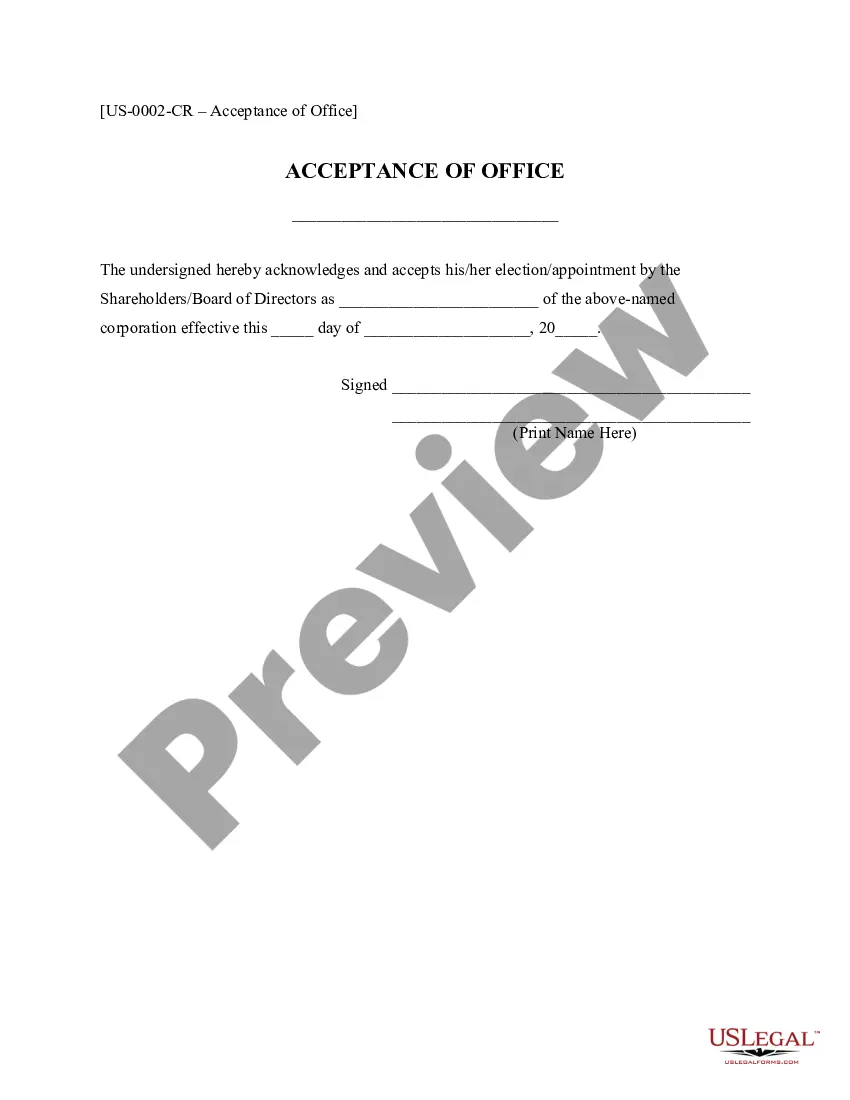
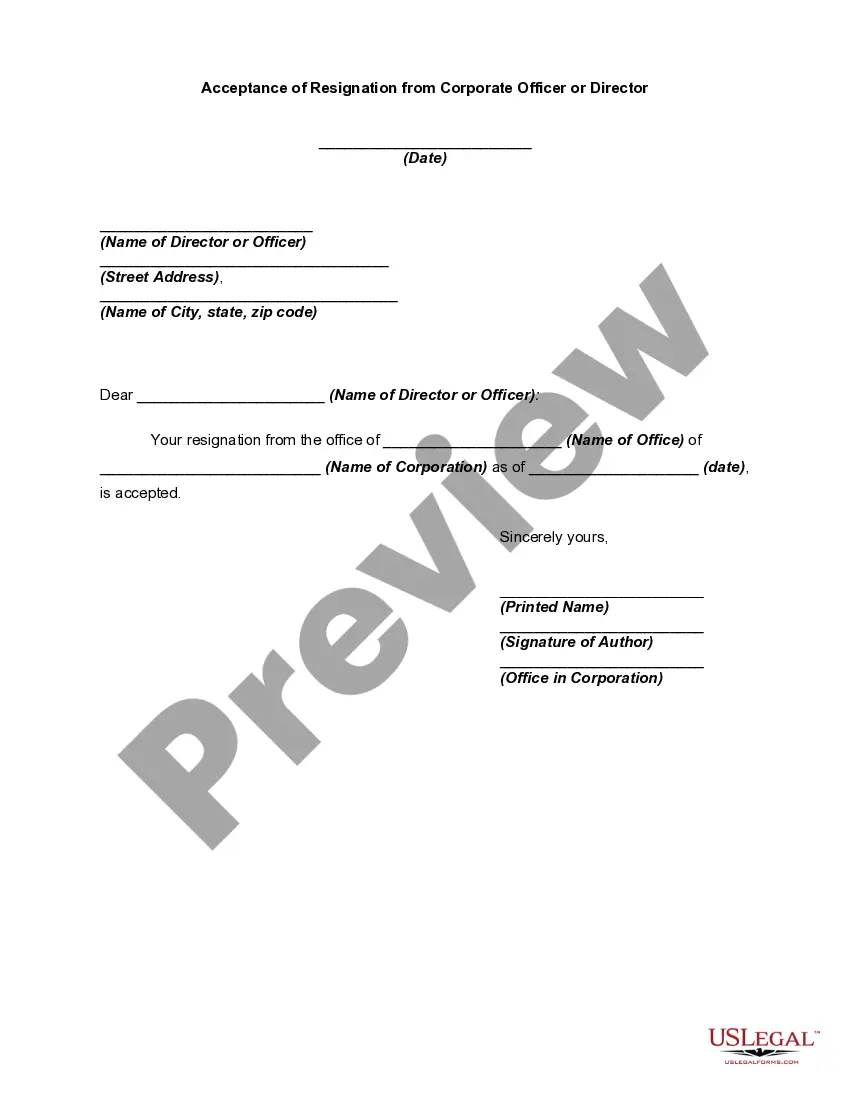
Get your form ready online
Our built-in tools help you complete, sign, share, and store your documents in one place.
Make edits, fill in missing information, and update formatting in US Legal Forms—just like you would in MS Word.
Download a copy, print it, send it by email, or mail it via USPS—whatever works best for your next step.
Sign and collect signatures with our SignNow integration. Send to multiple recipients, set reminders, and more. Go Premium to unlock E-Sign.
If this form requires notarization, complete it online through a secure video call—no need to meet a notary in person or wait for an appointment.
We protect your documents and personal data by following strict security and privacy standards.

Make edits, fill in missing information, and update formatting in US Legal Forms—just like you would in MS Word.

Download a copy, print it, send it by email, or mail it via USPS—whatever works best for your next step.

Sign and collect signatures with our SignNow integration. Send to multiple recipients, set reminders, and more. Go Premium to unlock E-Sign.

If this form requires notarization, complete it online through a secure video call—no need to meet a notary in person or wait for an appointment.

We protect your documents and personal data by following strict security and privacy standards.
Looking for another form?

Form popularity
FAQ
A: In California, you are not legally obligated to provide a resignation letter or give notice when you decide to quit your job, especially if there are no specific terms outlined in an employment contract or company policy dictating otherwise.
The written Work Schedule that an Employer must provide to employees under § 9-4602(3) and post under § 9-4602(4) no later than 14 days before the first day of any new schedule. § 9-4602. Advance Notice of Work Schedules.
California employment law strictly prohibits employers from engaging in coercive tactics to force an employee to resign. This includes the following: Unlawful Termination Tactics: Employers cannot utilize coercive or unlawful tactics to induce an employee to resign.
An employee is not required to give two weeks notice prior to quitting. Employment at-will is still the rule in Pennsylvania. An employee can only file a lawsuit for wrongful termination if it was for a discriminatory reason.
Voluntary Resignations Employees are not required to provide a resignation letter unless specified in their employment contract or company policy. Although not required, employees are generally expected to provide notice at least two weeks to a month.
How to Write a Resignation Letter A greeting: Start formal. A statement of resignation. Offer help with transitioning. Thank your employer for giving you a chance to be a part of their company, and for their time. Leave your contact information for your employer. Sign off with “Sincerely” or “Thank you”
Notice Requirements: Although Pennsylvania does not require notice of termination for at-will employees, some employment contracts or termination due to plant closures and mass layoffs may require notice periods. Compliance with these requirements is necessary to avoid potential legal issues.
There are a few points you definitely do want to include in your letter: Current position from which you are resigning, Last day of employment, Express your willingness to help during the transition, and. Say 'Thank-You'
Pennsylvania does not have a state law requiring employers to provide advance notice of termination. However, employers may be subject to the federal WARN Act, which requires some employers to provide advance notice of mass layoffs or plant closings.
A resignation letter is a written document that formally notifies an employer of an employee's intent to leave their job. The letter typically includes information such as the employee's last day of work and a brief explanation for their departure.

