Corporation Personal Held Without Bond In Palm Beach
Description

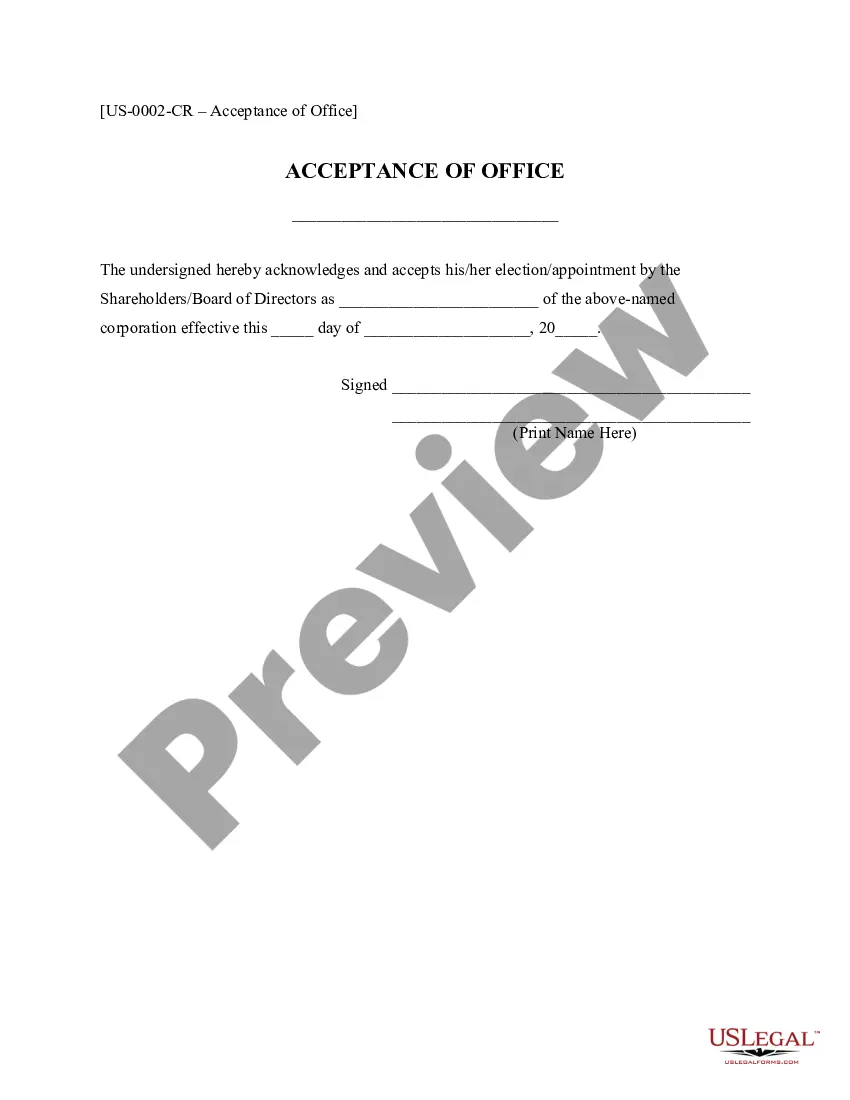
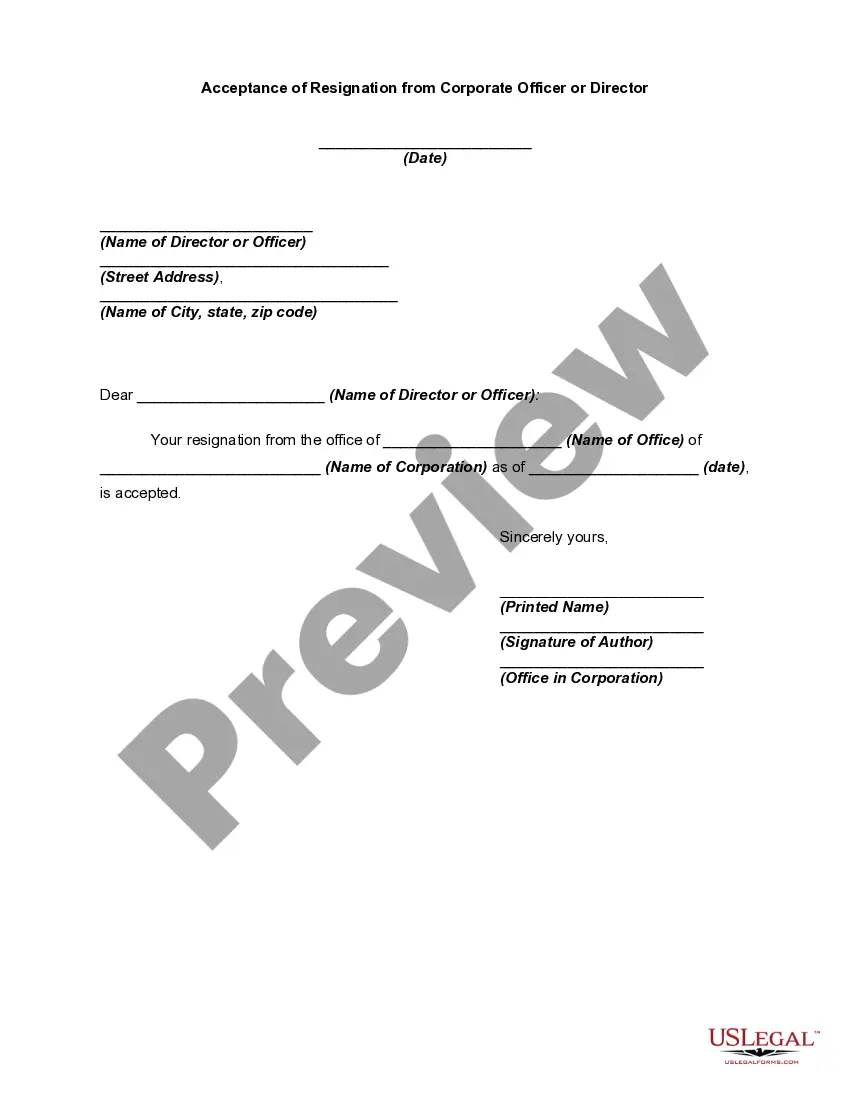
Get your form ready online
Our built-in tools help you complete, sign, share, and store your documents in one place.
Make edits, fill in missing information, and update formatting in US Legal Forms—just like you would in MS Word.
Download a copy, print it, send it by email, or mail it via USPS—whatever works best for your next step.
Sign and collect signatures with our SignNow integration. Send to multiple recipients, set reminders, and more. Go Premium to unlock E-Sign.
If this form requires notarization, complete it online through a secure video call—no need to meet a notary in person or wait for an appointment.
We protect your documents and personal data by following strict security and privacy standards.

Make edits, fill in missing information, and update formatting in US Legal Forms—just like you would in MS Word.

Download a copy, print it, send it by email, or mail it via USPS—whatever works best for your next step.

Sign and collect signatures with our SignNow integration. Send to multiple recipients, set reminders, and more. Go Premium to unlock E-Sign.

If this form requires notarization, complete it online through a secure video call—no need to meet a notary in person or wait for an appointment.

We protect your documents and personal data by following strict security and privacy standards.
Looking for another form?









Form popularity
FAQ
The death certificate can be e-filed. However, the original will must be filed with the Clerk's office. The original will can be either hand delivered or mailed to our Probate Division at P.O. Box 4667, West Palm Beach, Fl. 33402.
A small claims case is a legal action filed in county court to settle minor legal disputes where the dollar amount involved is $8,000 or less. This amount does not include filing costs, interest, and attorneys' fees.
Yes. You can limit your claim to $8,000, even if you feel that you are owed more than that amount, and file a Small Claims case if you want to take advantage of the simplified procedure. However, your recovery will be limited to a maximum of $8,000.
Is there a statute of limitations? How long you have to file a claim in court, notably Small Claims Court, varies depending on the topic and circumstances of the respective litigation. Chapter 95.11, Florida Statutes, explains that a person has between one and five years.
Because small claims matters may proceed in a more informal manner than cases proceeding under the rules of civil procedure, and defendant does not need to file any defense in order to contest the claim against him, defendant is not required to assert a meritorious defense in order to have default set aside.
How long you have to file a claim in court, notably Small Claims Court, varies depending on the topic and circumstances of the respective litigation. Chapter 95.11, Florida Statutes, explains that a person has between one and five years.
Is there a statute of limitations? How long you have to file a claim in court, notably Small Claims Court, varies depending on the topic and circumstances of the respective litigation. Chapter 95.11, Florida Statutes, explains that a person has between one and five years.
Under Florida Rule of Criminal Procedure 3.134, state prosecutors generally have up to 30 days to file charges against someone following their arrest. If the defendant remains uncharged, the court must release them on their own recognizance by the 33rd day following their initial arrest.

