Resignation Letter Vs Two Week Notice In Massachusetts
Description

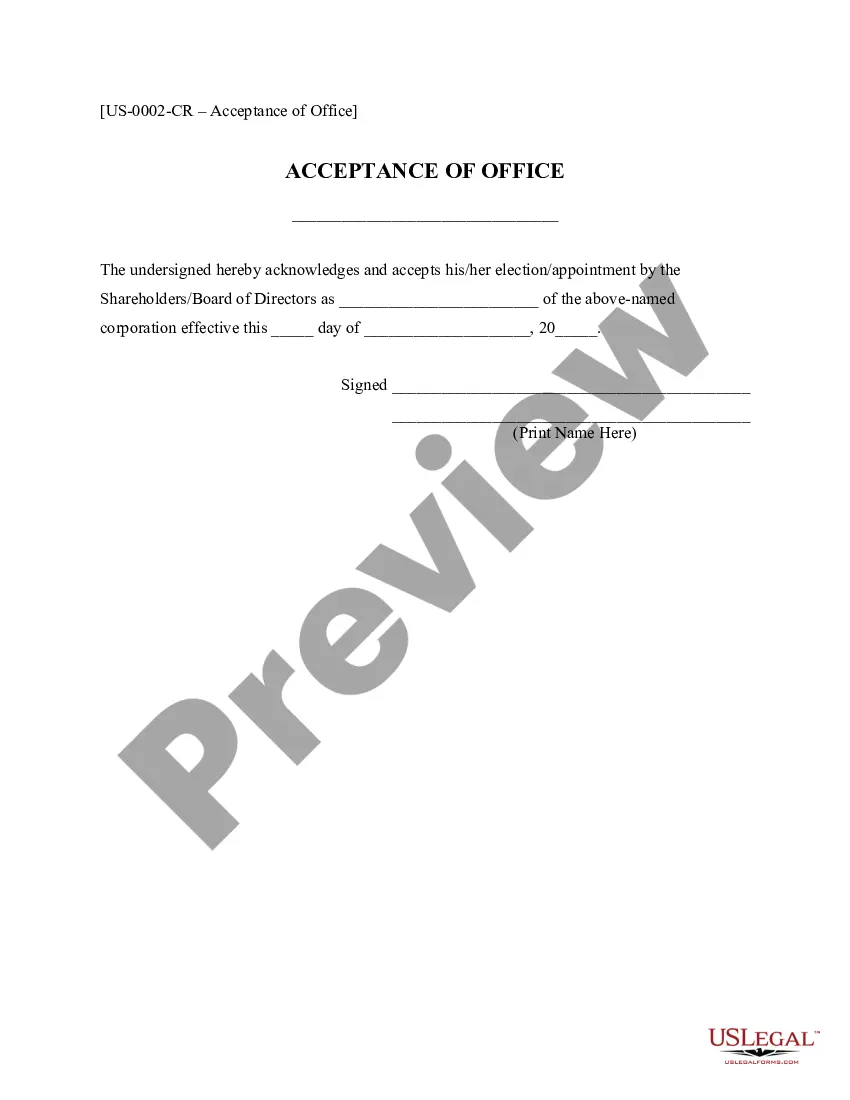
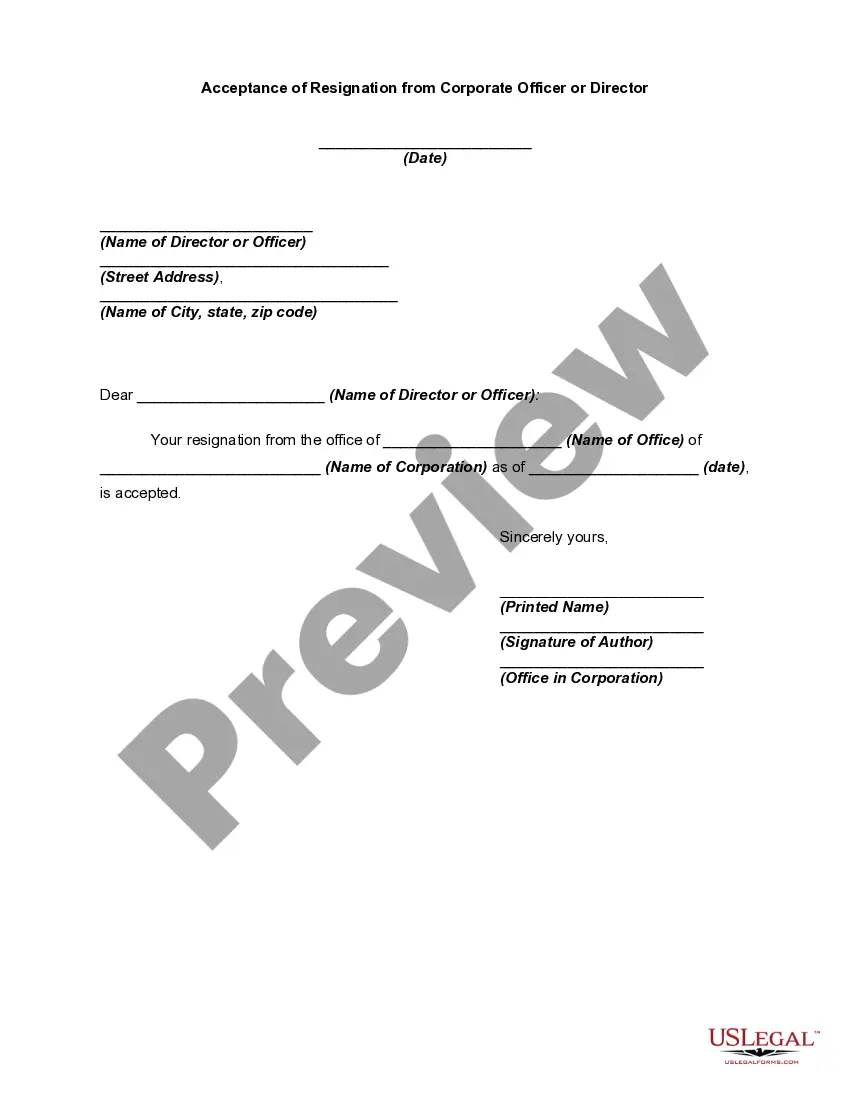
Get your form ready online
Our built-in tools help you complete, sign, share, and store your documents in one place.
Make edits, fill in missing information, and update formatting in US Legal Forms—just like you would in MS Word.
Download a copy, print it, send it by email, or mail it via USPS—whatever works best for your next step.
Sign and collect signatures with our SignNow integration. Send to multiple recipients, set reminders, and more. Go Premium to unlock E-Sign.
If this form requires notarization, complete it online through a secure video call—no need to meet a notary in person or wait for an appointment.
We protect your documents and personal data by following strict security and privacy standards.

Make edits, fill in missing information, and update formatting in US Legal Forms—just like you would in MS Word.

Download a copy, print it, send it by email, or mail it via USPS—whatever works best for your next step.

Sign and collect signatures with our SignNow integration. Send to multiple recipients, set reminders, and more. Go Premium to unlock E-Sign.

If this form requires notarization, complete it online through a secure video call—no need to meet a notary in person or wait for an appointment.

We protect your documents and personal data by following strict security and privacy standards.
Looking for another form?






Form popularity
FAQ
If your employer is making decisions between keeping you or another employee, you may be able to quit without two weeks' notice and still leave on good terms.
Assuming there is no contract or agreement to the contrary, you're not required to keep an employee on during their resignation notice period or compensate them for the duration of that period.
Resignation is the process of an employee ending their employment contract. You might also call it 'quitting', 'leaving your job' or 'handing in your notice'.
Can you be fired after you give notice? Yes, an employer can let you go even if you've given your two weeks' notice. However, this could qualify as wrongful termination under certain circumstances.
Quitting is an informal way of describing the separation of a an employee and employer instigated by the employee. Resigning is a more formal way of describing the same thing.
You may feel a loss of control over your career path. If you can afford to do so, giving two weeks' notice is generally the most professional route and can benefit you in the long run. However, if the work environment is toxic or if you have another opportunity lined up, quitting immediately might be the best choice.
It's perfectly legal to quit without notice in the USA. You would likely be coded as ineligible for rehire in the old employer's HR system. You also are unlikely to get a good reference (but smart employers don't permit references good or bad). Of course, with any voluntary quit, you can't get unemployment insurance.
How to tell your boss you're resigning? Request an in-person meeting. Outline your reasons for leaving. Give an appropriate two weeks' notice. Offer to facilitate the transition. Express gratitude. Provide your formal letter of resignation.
In general terms, giving a week and a half rather than two weeks of notice is a bad thing but far more of a misdemeanor rather than a felony. If you have a good relationship with your employer, it is likely that they'll overlook it.

