Corporation Personal Held Within A Corporation In Georgia
Description

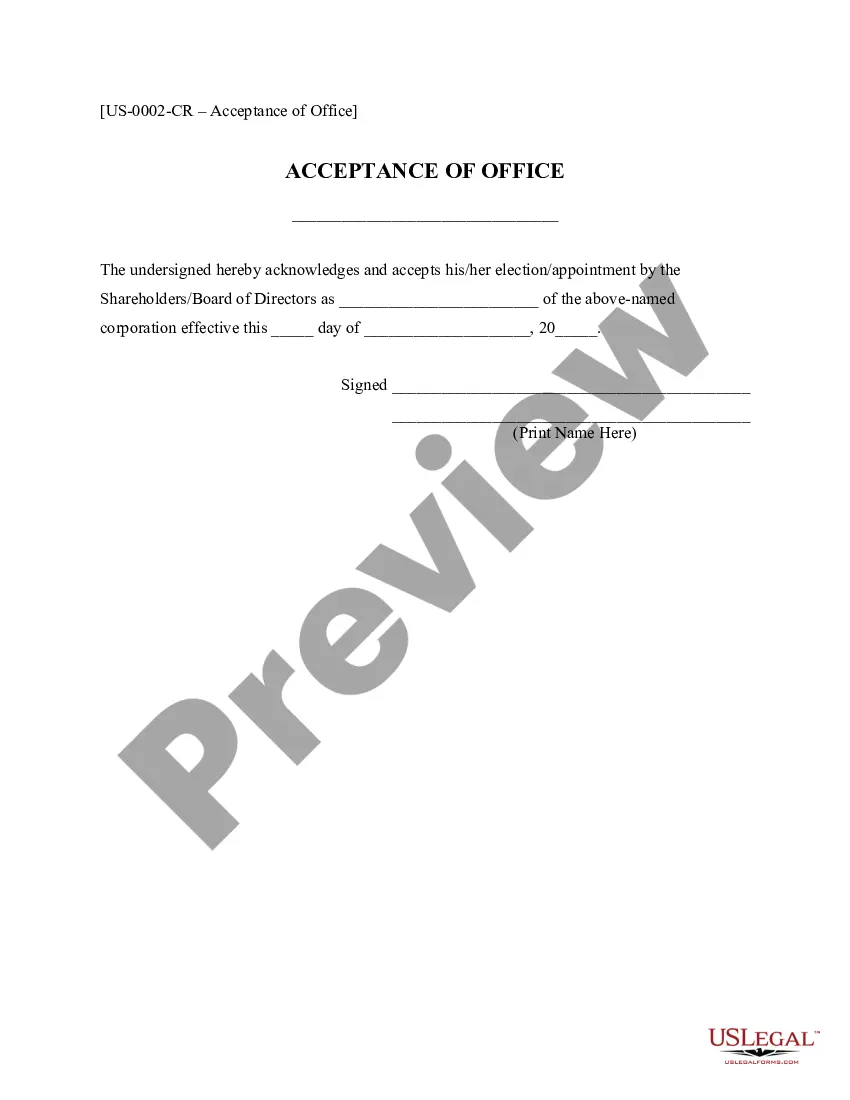
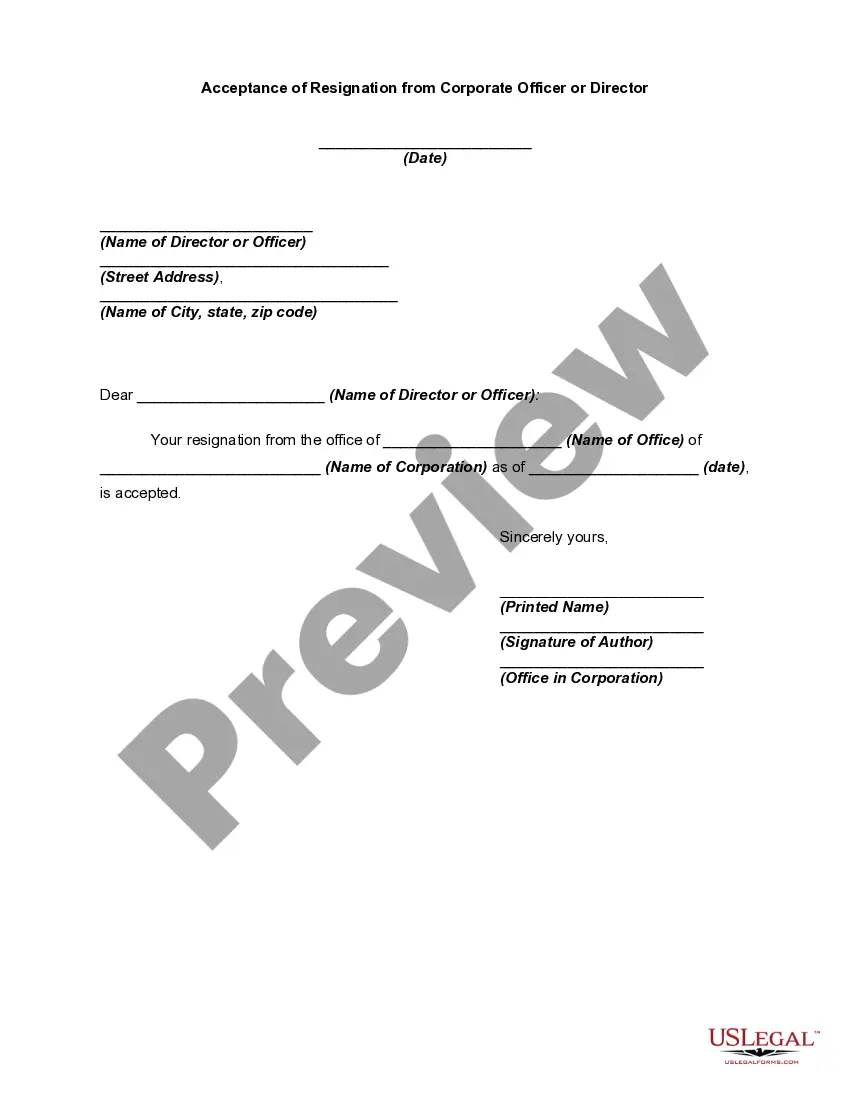
Get your form ready online
Our built-in tools help you complete, sign, share, and store your documents in one place.
Make edits, fill in missing information, and update formatting in US Legal Forms—just like you would in MS Word.
Download a copy, print it, send it by email, or mail it via USPS—whatever works best for your next step.
Sign and collect signatures with our SignNow integration. Send to multiple recipients, set reminders, and more. Go Premium to unlock E-Sign.
If this form requires notarization, complete it online through a secure video call—no need to meet a notary in person or wait for an appointment.
We protect your documents and personal data by following strict security and privacy standards.

Make edits, fill in missing information, and update formatting in US Legal Forms—just like you would in MS Word.

Download a copy, print it, send it by email, or mail it via USPS—whatever works best for your next step.

Sign and collect signatures with our SignNow integration. Send to multiple recipients, set reminders, and more. Go Premium to unlock E-Sign.

If this form requires notarization, complete it online through a secure video call—no need to meet a notary in person or wait for an appointment.

We protect your documents and personal data by following strict security and privacy standards.
Looking for another form?







Form popularity
FAQ
If your business is a corporation, then you are required by law to have a board of directors. Depending on your particular corporate structure and your state, one or two directors may be all that's legally required.
All business corporations—large, medium, and small—have boards of directors as required by the general corporation laws of the states in which the companies are incorporated.
Can I Be My Own Registered Agent in Georgia? Yes, you have the option to designate yourself as a registered agent. It's important to note that you must be available at the registered office throughout standard business hours, and your personal information will enter the public record.
The following are Georgia's requirements for directors of corporations: Minimum number. Corporations must have one or more directors.
There is no right or wrong answer, but companies should weigh the pros and cons carefully before making a decision. Private companies are not legally required to have a board of directors, but many choose to do so in order to create a structure of accountability and good governance.
Every public company must have a board of directors. Many private companies and nonprofit organizations will have a board of directors, often called a board of trustees, as well.
The main difference between an LLC and a corporation is that an LLC is owned by one or more individuals, and a corporation is owned by its shareholders. No matter which entity you choose, both entities offer big benefits to your business. Incorporating a business allows you to establish credibility and professionalism.
A domestic corporation must file Form 1120, U.S. Corporation Income Tax Return, whether it has taxable income or not, unless it's exempt from filing under section 501.
A corporation that has issued shares and commenced business may dissolve by filing a Notice of Intent to Dissolve pursuant to O.C.G.A. 14-2-1403 and Articles of Dissolution pursuant to O.C.G.A. 14-2-1408. Form CD 410 and CD 412 may be used for this purpose.
Corporation filing requirements (includes S corporations), updated December 6, 2023. You must file Form 966, Corporate Dissolution or Liquidation, if you adopt a resolution or plan to dissolve the corporation or liquidate any of its stock. You must also file your corporation's final income tax return.

