Short Resignation Letter With One Month Notice In Fairfax
Description

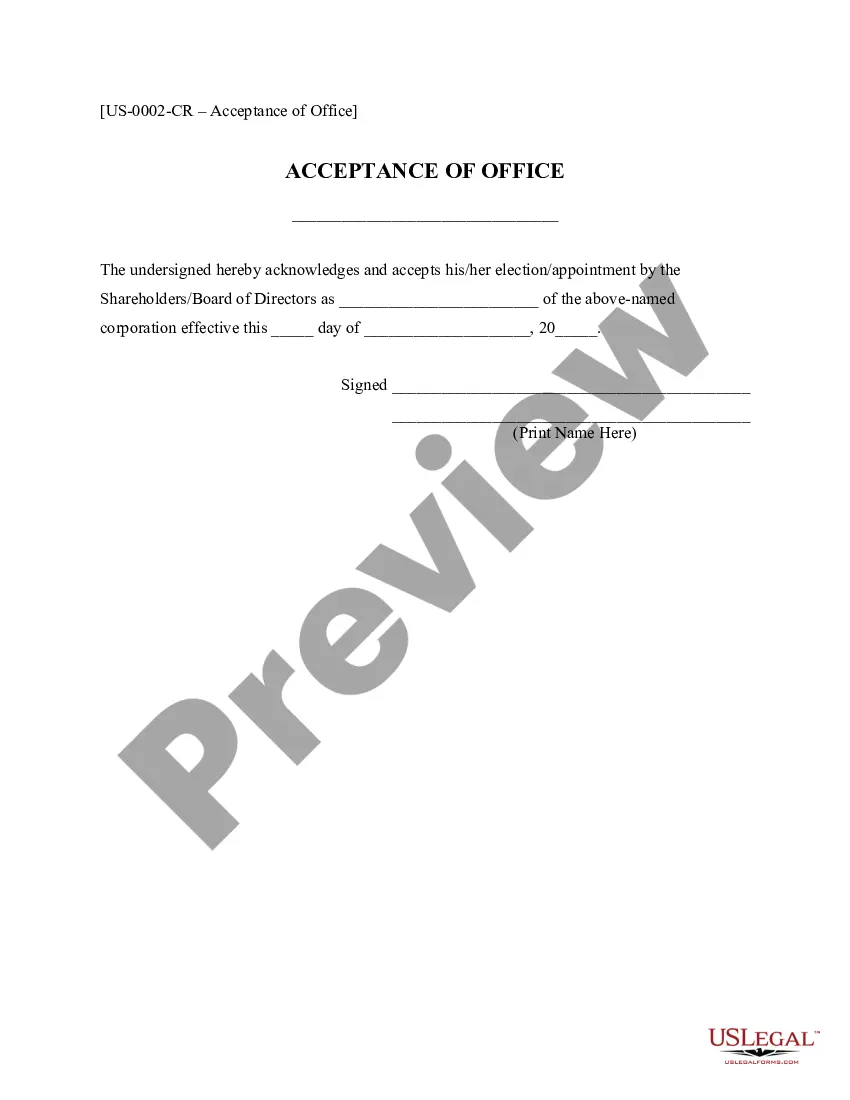
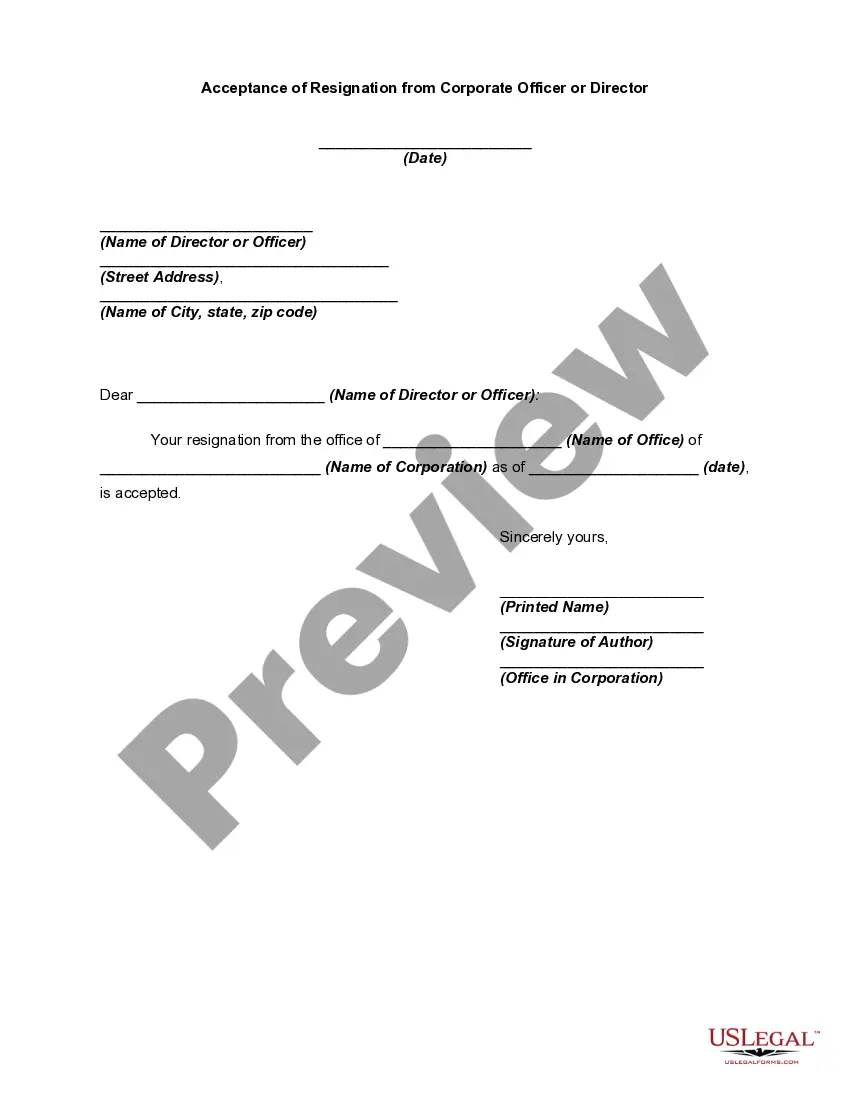
Get your form ready online
Our built-in tools help you complete, sign, share, and store your documents in one place.
Make edits, fill in missing information, and update formatting in US Legal Forms—just like you would in MS Word.
Download a copy, print it, send it by email, or mail it via USPS—whatever works best for your next step.
Sign and collect signatures with our SignNow integration. Send to multiple recipients, set reminders, and more. Go Premium to unlock E-Sign.
If this form requires notarization, complete it online through a secure video call—no need to meet a notary in person or wait for an appointment.
We protect your documents and personal data by following strict security and privacy standards.

Make edits, fill in missing information, and update formatting in US Legal Forms—just like you would in MS Word.

Download a copy, print it, send it by email, or mail it via USPS—whatever works best for your next step.

Sign and collect signatures with our SignNow integration. Send to multiple recipients, set reminders, and more. Go Premium to unlock E-Sign.

If this form requires notarization, complete it online through a secure video call—no need to meet a notary in person or wait for an appointment.

We protect your documents and personal data by following strict security and privacy standards.
Looking for another form?

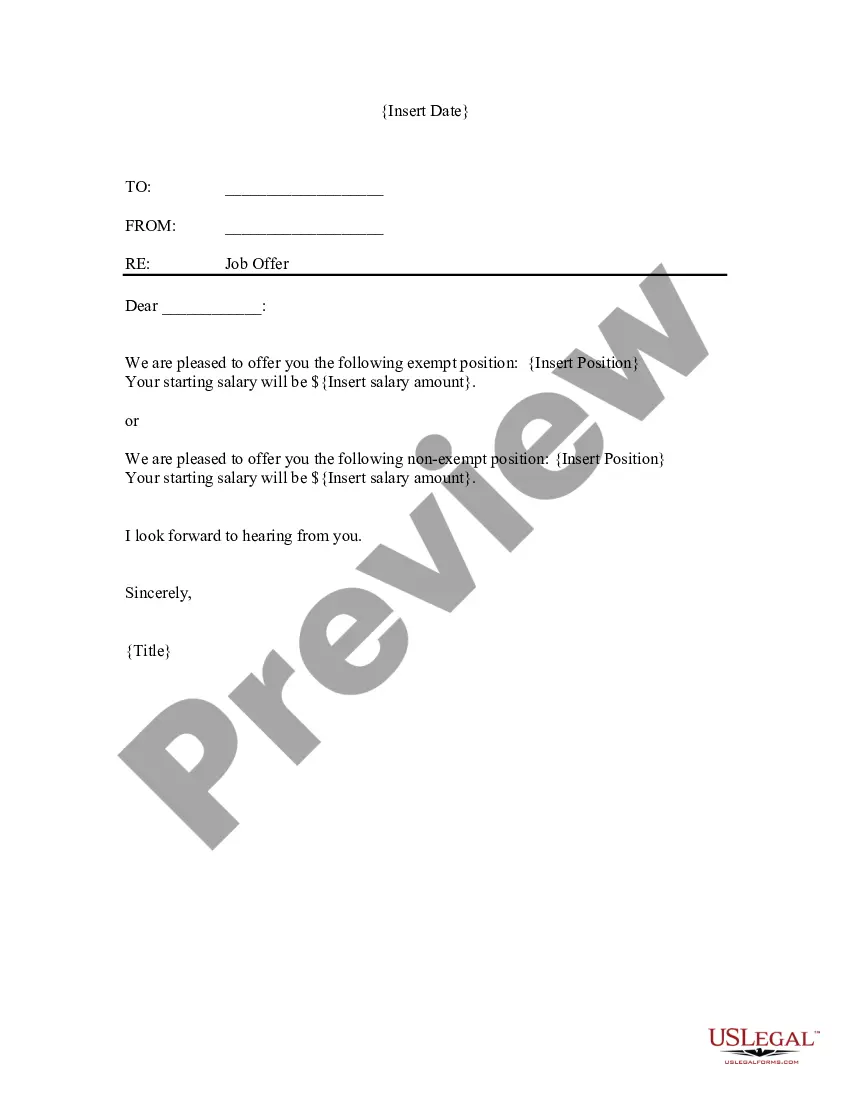

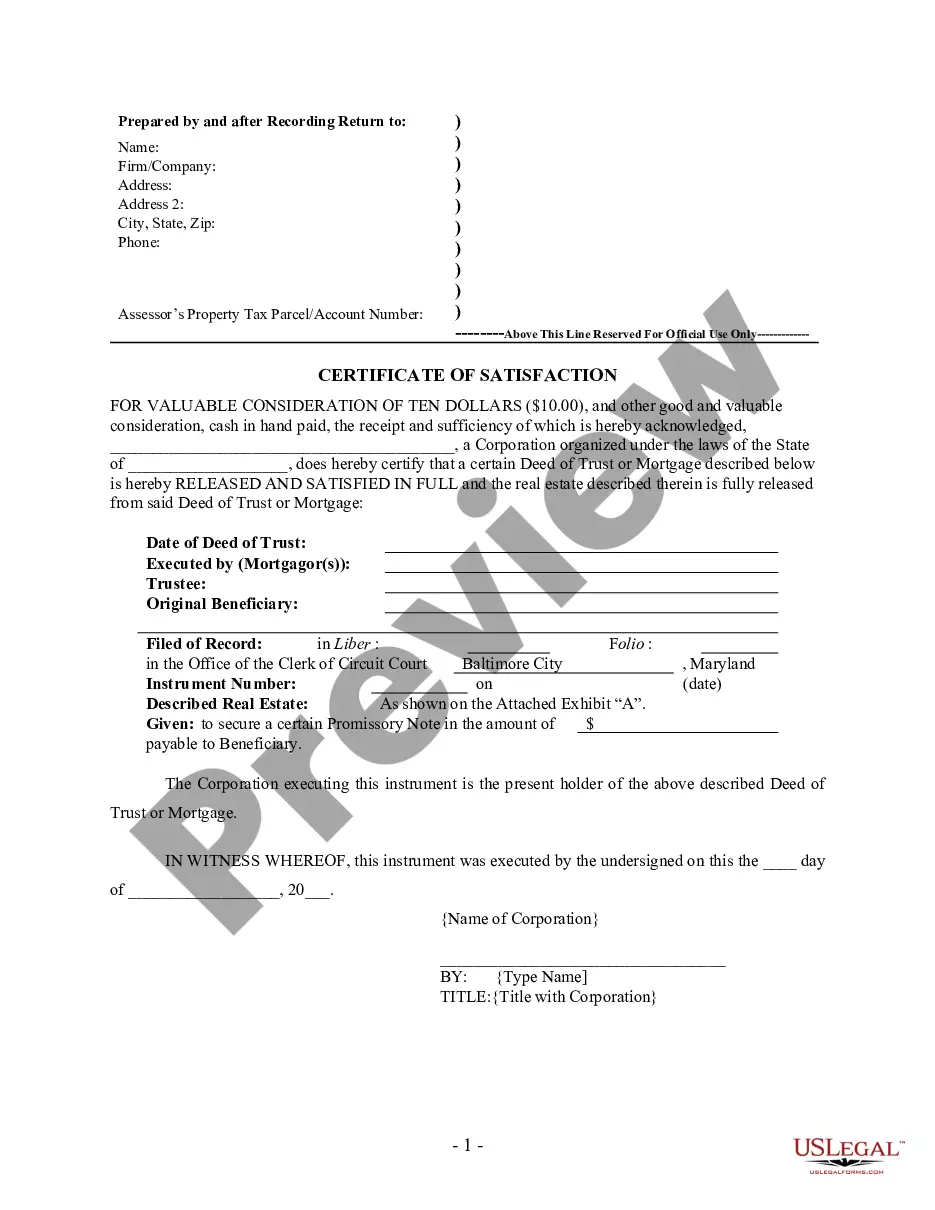

Form popularity
FAQ
Dear (Recipient's Name), I am writing to inform you of my immediate resignation from my position at (Company Name). After careful consideration, I have decided that it is in my best interest to conclude my employment with (Company Name) effective immediately.
How to write a one-month resignation letter Address your letter properly. Include a formal salutation. Indicate the date of your resignation. Discuss your reason for leaving. Write a statement of gratitude. Discuss the next steps. Offer to help your employer during your transition.
How to write a 30-day resignation letter Begin by addressing your letter. State the purpose of your letter. Include your date of resignation. Explain your reason for leaving. Include a statement of gratitude. Discuss next steps. Offer to help during your transition. Close your letter.
Dear recipient's name, I am writing to inform you of my decision to resign from my position at Company Name, effective immediately. Due to unforeseen personal circumstances, I am unable to continue my role at this time. I am deeply grateful for the opportunities and experiences I have had while working here.
To quit, write a simple letter addressed to your supervisor that says nothing more than you are resigning, and which day will be your last. Don't mention your reasons or future plans, no complaints, just your resignation and effective date.
State your intention to resign, the effective date of your resignation, and optionally, the reason for your departure. Express gratitude for the opportunities provided and offer assistance with the transition process if possible. Proofread the letter for errors and deliver it promptly to your employer.
Personal emergency. Unexpected family crises, urgent relocations, or significant life events may require immediate attention. In such cases, resigning without notice may be the best way to address the emergency effectively.
If you're in the US, you can certainly give a 1 month notice, but your employer can choose to accept it immediately or at any time ahead of the stated date.
If you're resigning, it's essential that you give a fair amount of notice to your company. The standard time to give a company is two weeks to one month, but it can vary depending on the type of job.

