Corporation Personal Held Foreign In Cuyahoga
Description

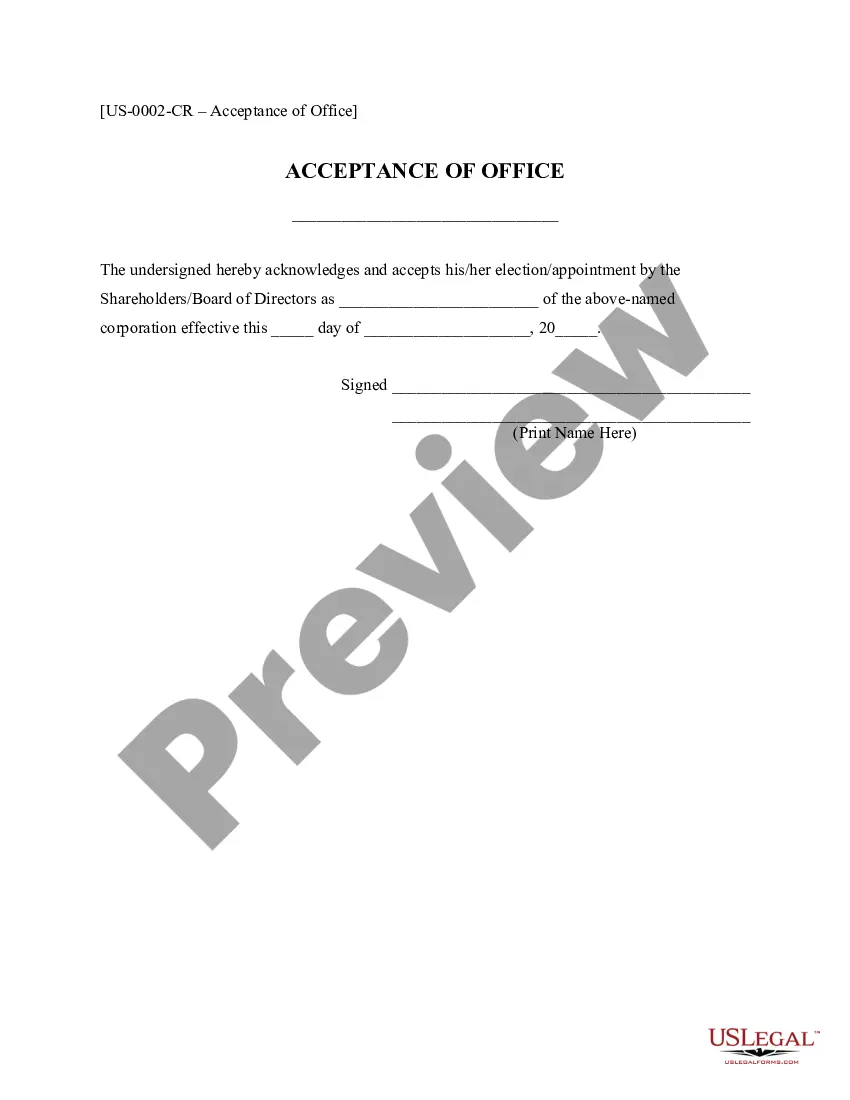
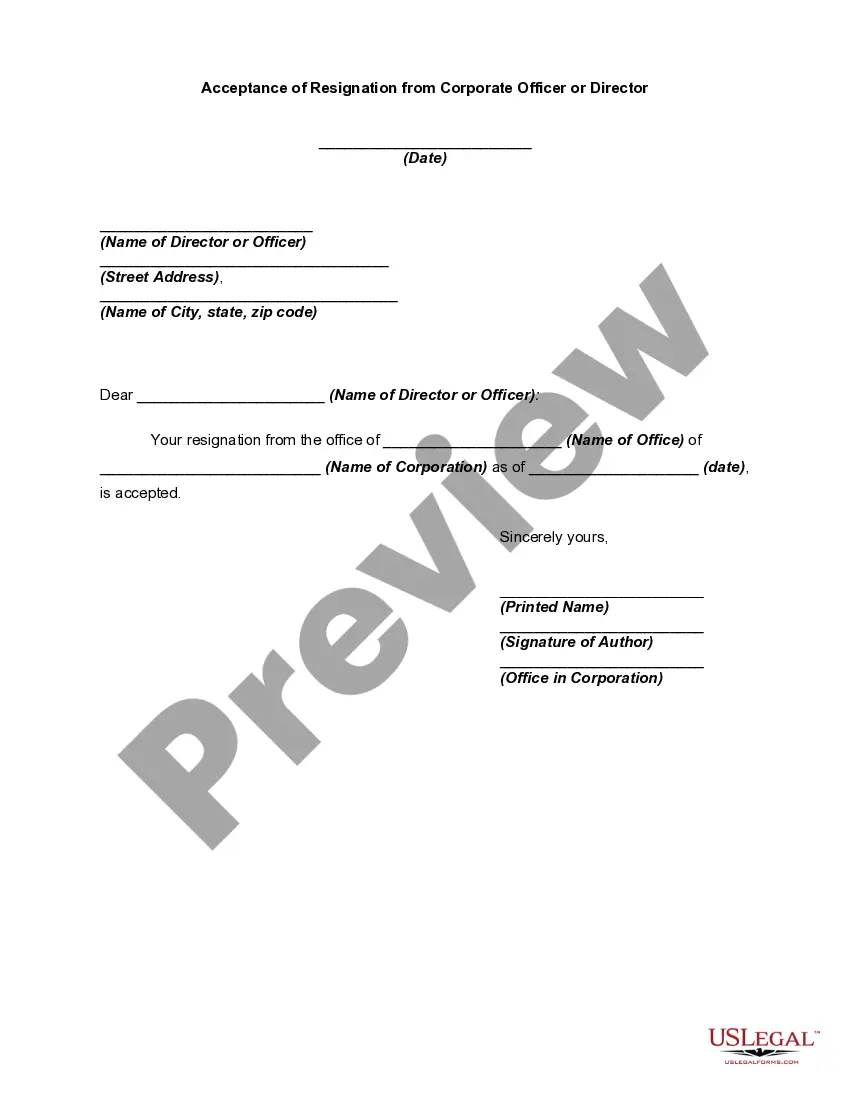
Get your form ready online
Our built-in tools help you complete, sign, share, and store your documents in one place.
Make edits, fill in missing information, and update formatting in US Legal Forms—just like you would in MS Word.
Download a copy, print it, send it by email, or mail it via USPS—whatever works best for your next step.
Sign and collect signatures with our SignNow integration. Send to multiple recipients, set reminders, and more. Go Premium to unlock E-Sign.
If this form requires notarization, complete it online through a secure video call—no need to meet a notary in person or wait for an appointment.
We protect your documents and personal data by following strict security and privacy standards.

Make edits, fill in missing information, and update formatting in US Legal Forms—just like you would in MS Word.

Download a copy, print it, send it by email, or mail it via USPS—whatever works best for your next step.

Sign and collect signatures with our SignNow integration. Send to multiple recipients, set reminders, and more. Go Premium to unlock E-Sign.

If this form requires notarization, complete it online through a secure video call—no need to meet a notary in person or wait for an appointment.

We protect your documents and personal data by following strict security and privacy standards.
Looking for another form?










Form popularity
FAQ
Conversely, a foreign corporation is incorporated in one state (or country) but transacts business in another. If our Texas business starts operations in Florida, it's considered a foreign corporation in Florida.
Generally, there are no restrictions on foreign ownership of a company formed in the United States. The procedure for a foreign citizen to form a company in the US is the same as for a US resident. It is not necessary to be a US citizen or to have a green card to own a corporation or LLC.
A foreign corporation is an existing corporation that is registered to business in a jurisdiction (such as a foreign country) other than the one where it was originally incorporated.
A domestic LLC or corporation is a business that is formed within its home (domestic) state. Foreign qualification is when a legal entity conducts business in a state or jurisdiction other than the one in which it was originally formed. (It is not to be confused with being a business in a foreign country.)
Foreign Limited Liability Company Filing Forms Form NameFeeForm # File Registration of a Foreign Limited Liability Company Online at Ohio Business Central Download Registration of a Foreign Limited Liability Company (PDF) $99.00 617 (Revised 10/24; Replaces Form 533B)4 more rows
A foreign corporation is a corporation which is incorporated or registered under the laws of one state or foreign country and does business in another. In comparison, a domestic corporation is a corporation which is incorporated in the state it is doing business in.
There are four main steps to registering your foreign corporation in Ohio, a process known as “foreign qualification”: Check Corporate Name Availability. Designate an Ohio Statutory Agent. Obtain a Certificate of Good Standing. File Ohio Foreign For-Profit Corporation Application for License.
In addition, the foreign entity is required to file an assumed name certificate in compliance with chapter 71 of the Texas Business & Commerce Code. The promulgated form for filing the assumed name with the secretary of state is Form 503.
A foreign corporation that maintains an office or place of business in the United States must generally file Form 1120-F by the 15th day of the 4th month after the end of its tax year.
Does a foreign entity that registers to transact business in Texas have to file an annual report with the secretary of state? Foreign entities that are subject to state franchise taxes must file an annual franchise tax report with the Texas Comptroller of Public Accounts.

