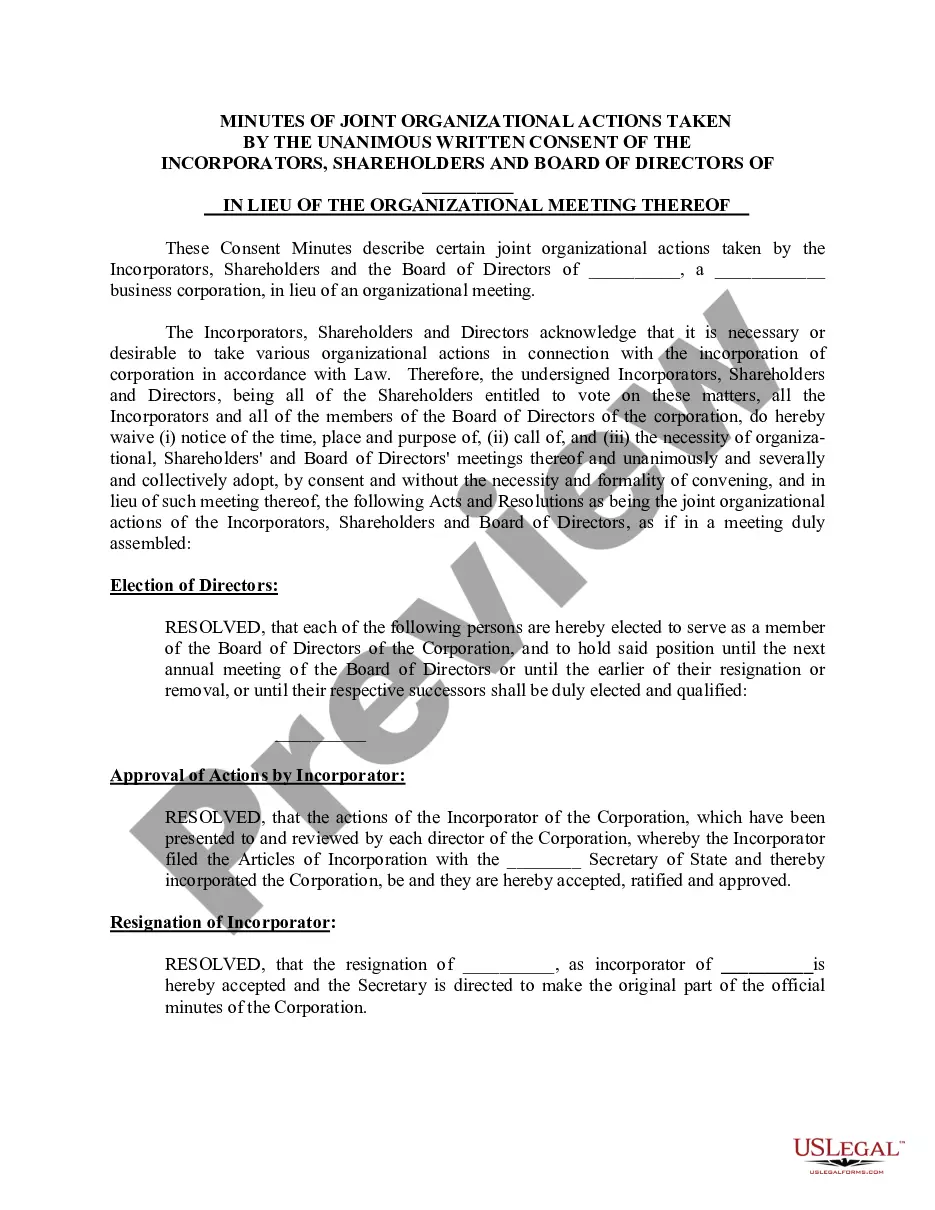
Force Director To Resign In Collin
Description

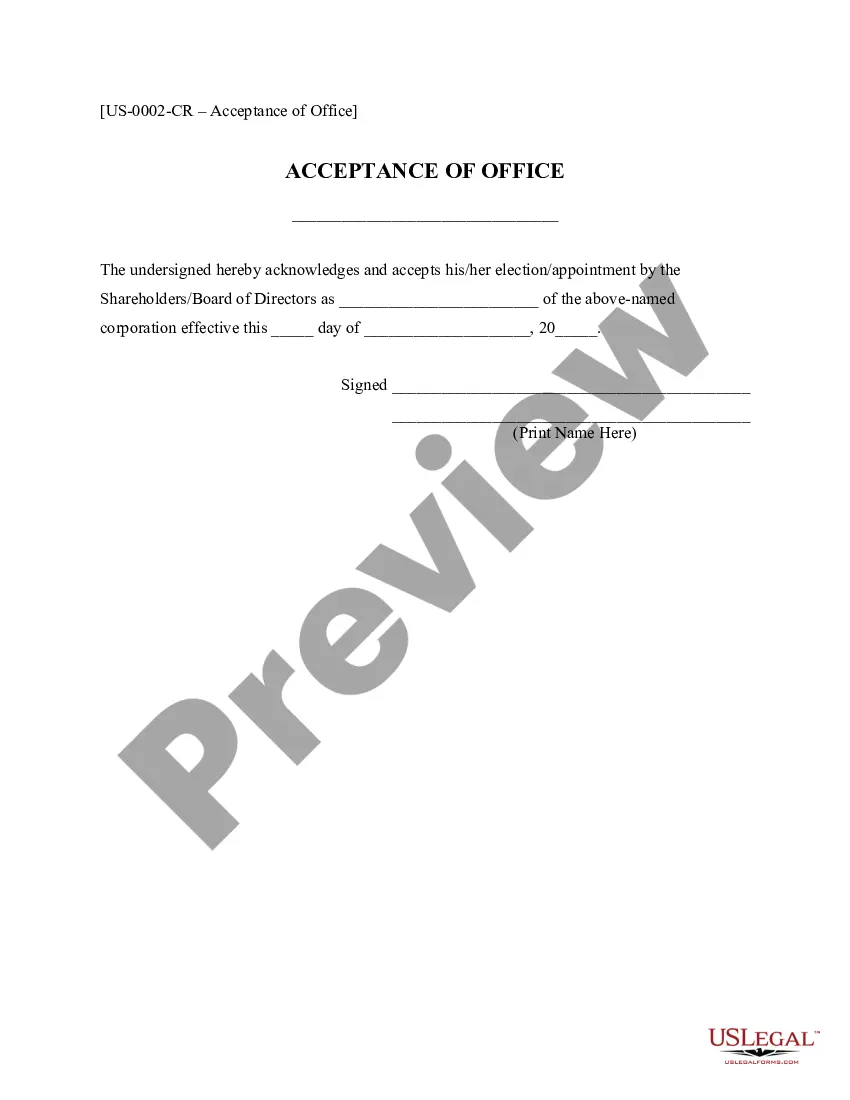
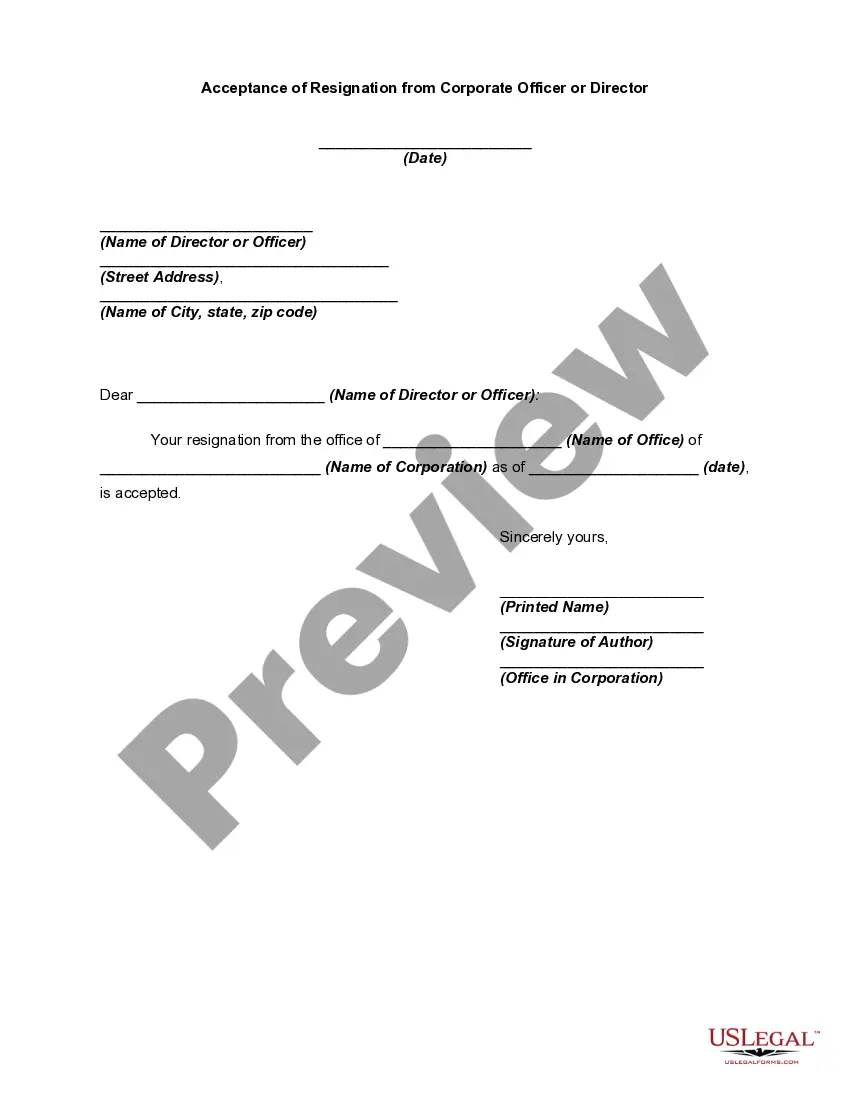
Get your form ready online
Our built-in tools help you complete, sign, share, and store your documents in one place.
Make edits, fill in missing information, and update formatting in US Legal Forms—just like you would in MS Word.
Download a copy, print it, send it by email, or mail it via USPS—whatever works best for your next step.
Sign and collect signatures with our SignNow integration. Send to multiple recipients, set reminders, and more. Go Premium to unlock E-Sign.
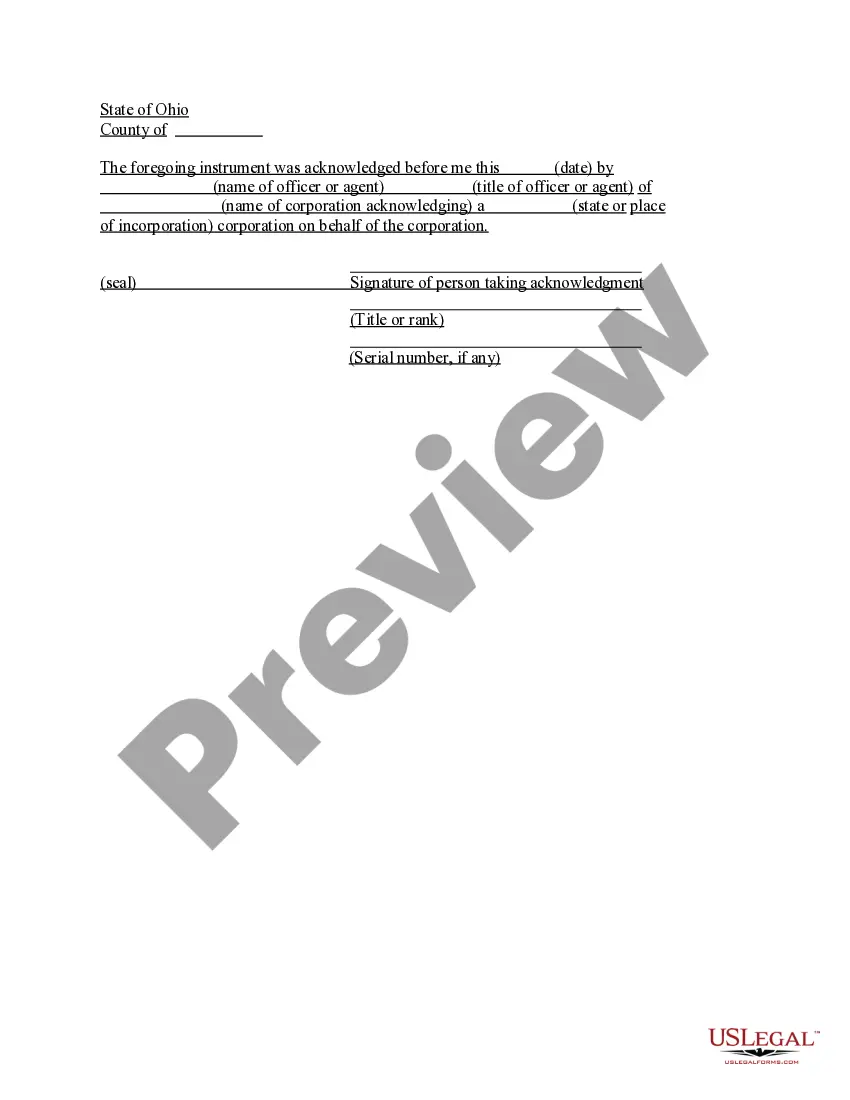
If this form requires notarization, complete it online through a secure video call—no need to meet a notary in person or wait for an appointment.
We protect your documents and personal data by following strict security and privacy standards.

Make edits, fill in missing information, and update formatting in US Legal Forms—just like you would in MS Word.

Download a copy, print it, send it by email, or mail it via USPS—whatever works best for your next step.

Sign and collect signatures with our SignNow integration. Send to multiple recipients, set reminders, and more. Go Premium to unlock E-Sign.

If this form requires notarization, complete it online through a secure video call—no need to meet a notary in person or wait for an appointment.

We protect your documents and personal data by following strict security and privacy standards.
Looking for another form?






Form popularity
FAQ
There is a common misconception amongst employees that if you are forced to resign you are forfeiting any claims of illegality you have against your employer. In fact, in many ways, the law treats a forced resignation like a termination. Generally, a resignation is something that is done voluntarily on ones own terms.
California employment law strictly prohibits employers from engaging in coercive tactics to force an employee to resign.
So, the answer to the question is: Yes, a director can be forced out – but the exact scenario depends on the protocols you establish from day one.
In the letter, mention that you want to resign, specify when (usually at least two weeks ahead), and say why you are leaving. Consult your shareholders' agreement: A director who is also a shareholder must review the shareholders' agreement to see if it requires transfer of shares or other procedures/steps to take.
A director may resign from his office by giving a notice in writing to the company and the Board shall on receipt of such notice take note of the same and the company shall intimate the Registrar in such manner, within such time and in such form as may be prescribed and shall also place the fact of such resignation in ...
California employment law strictly prohibits employers from engaging in coercive tactics to force an employee to resign. This includes the following: Unlawful Termination Tactics: Employers cannot utilize coercive or unlawful tactics to induce an employee to resign.
Speak with an attorney. Schedule a consultation with an employment attorney to discuss your situation and learn if you have a case under your local employment laws . Consult with any unions to which you may belong.
Sometimes, encouraging an employee to resign is best for the employee and the employer. However, if an employee believes he or she was forced to resign under duress, as a form of discrimination or retaliation, or due to other unlawful reasons, the employee may take legal action against the employer.
Under section 71 of the Act a director may be removed from office by ordinary resolution (a resolution adopted with support of more than 50% of the voting rights exercised on the resolution) of the shareholders in a general meeting, by the board of director's resolution, and by the Companies Tribunal in certain ...
If the director resigns; if the director becomes bankrupt or makes any compromise or arrangement with his or her creditors generally; if the director suffers from mental disorder; if the director is prohibited by law from being a director (which includes disqualification);

