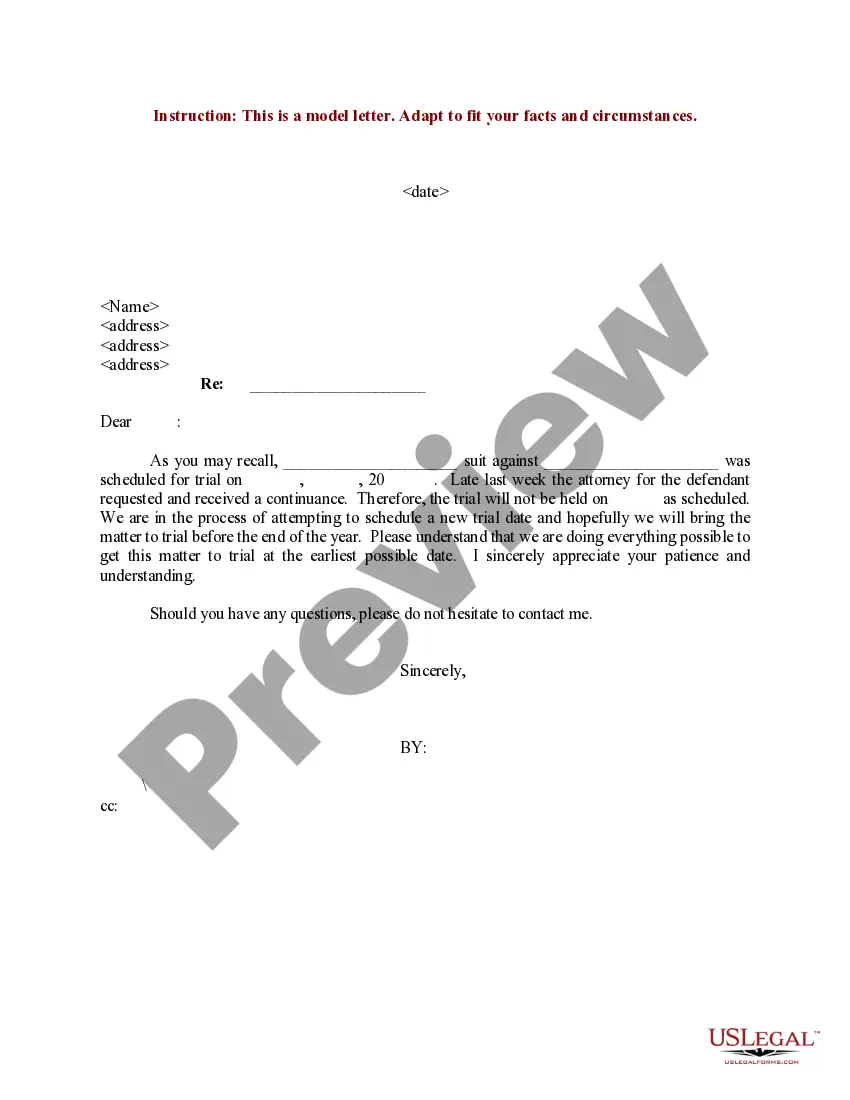
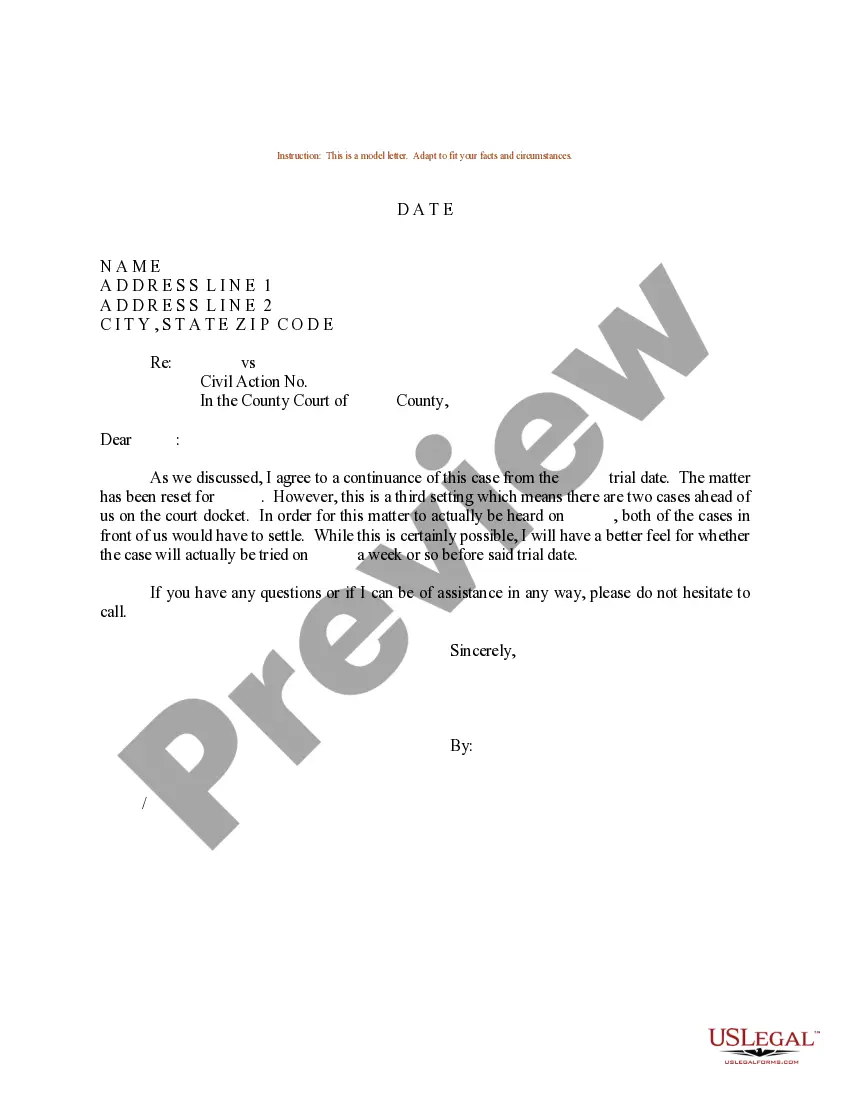
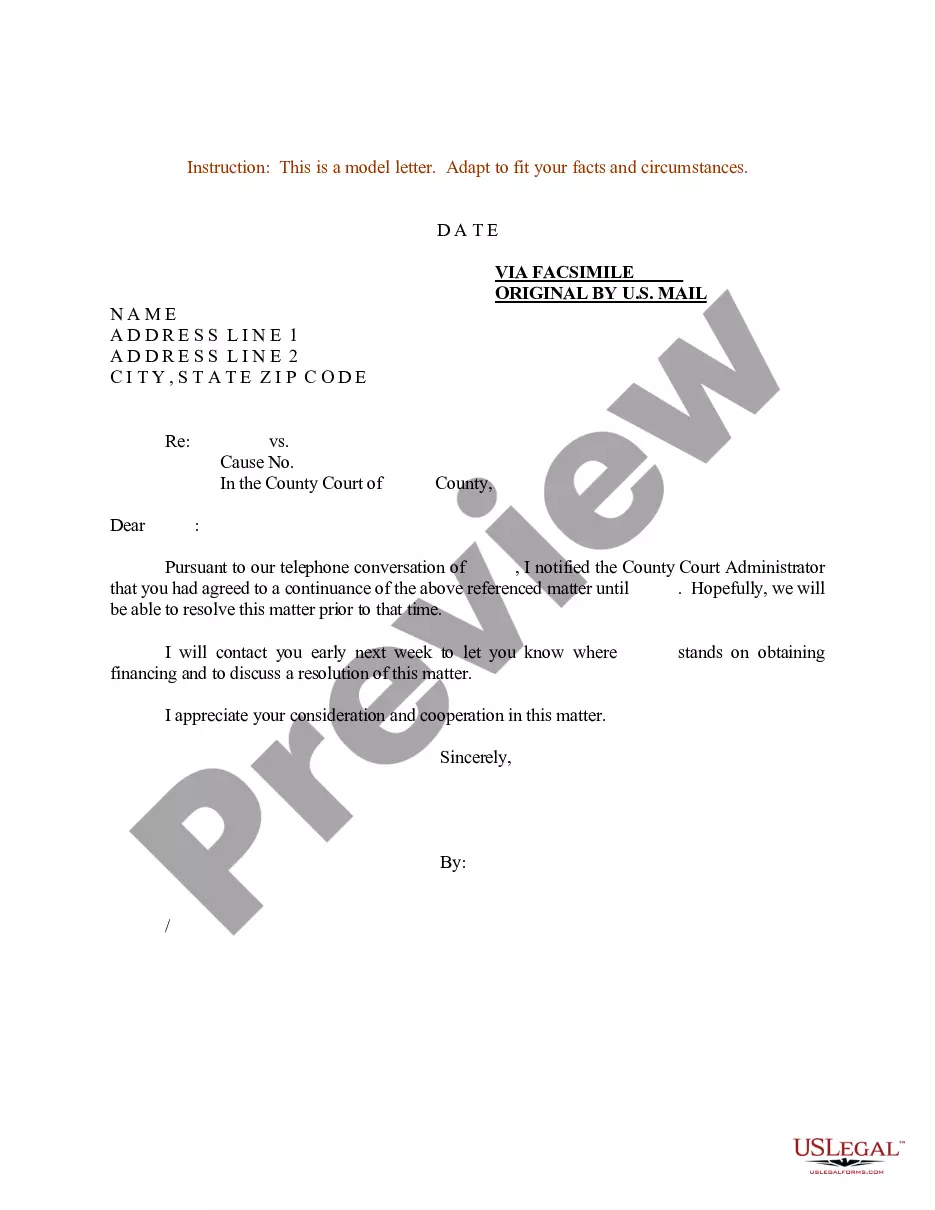
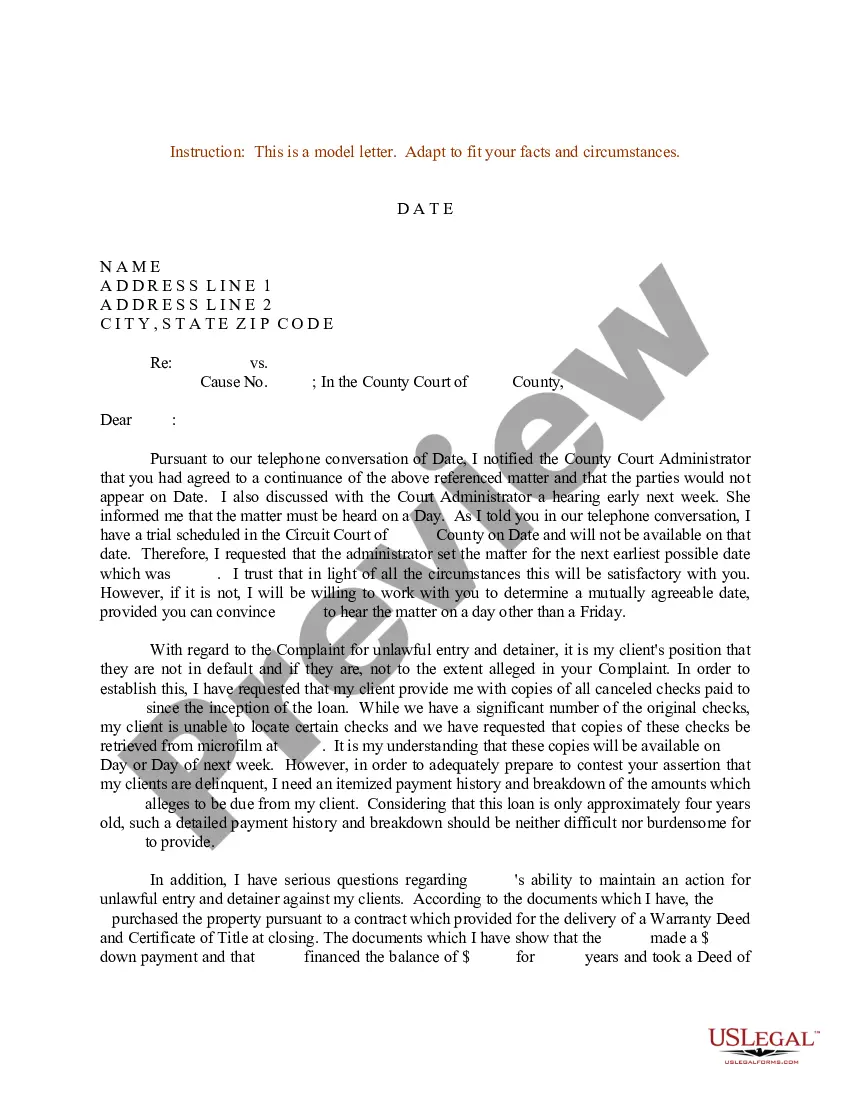
Trial Continuance Without Evidence In San Jose
Description

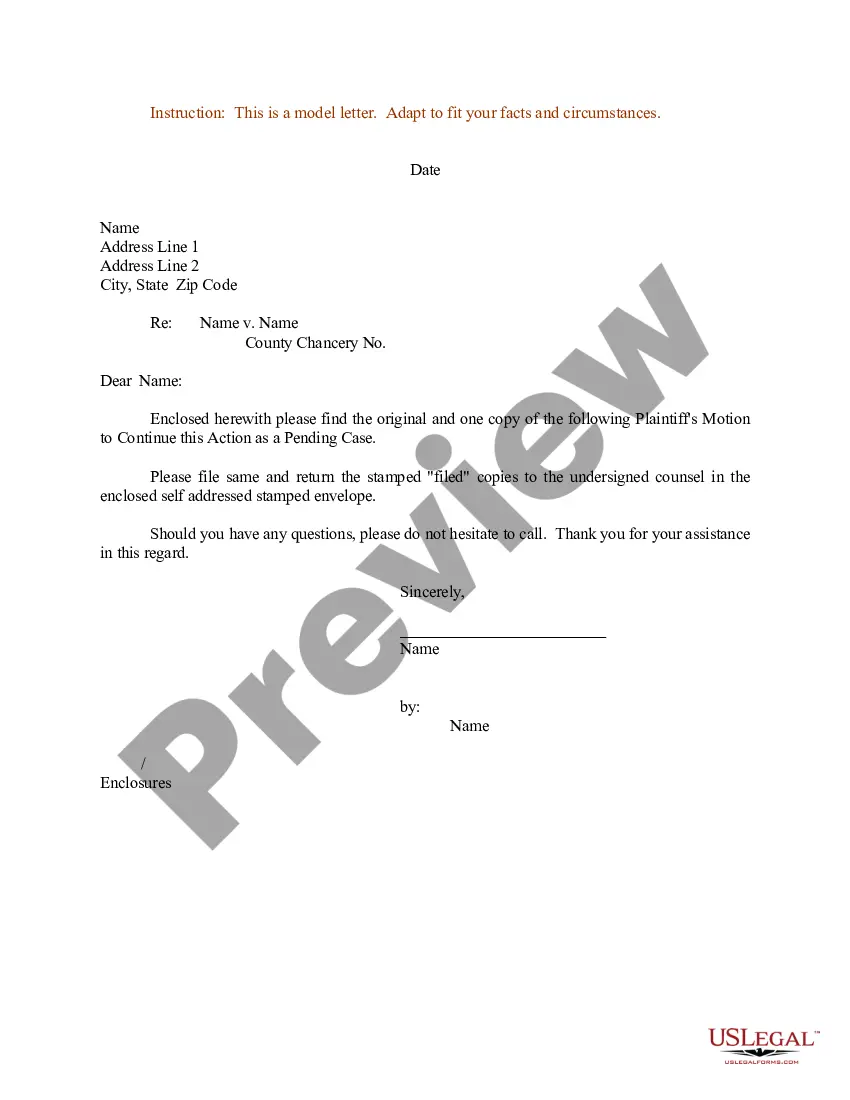
Get your form ready online
Our built-in tools help you complete, sign, share, and store your documents in one place.
Make edits, fill in missing information, and update formatting in US Legal Forms—just like you would in MS Word.
Download a copy, print it, send it by email, or mail it via USPS—whatever works best for your next step.
Sign and collect signatures with our SignNow integration. Send to multiple recipients, set reminders, and more. Go Premium to unlock E-Sign.
If this form requires notarization, complete it online through a secure video call—no need to meet a notary in person or wait for an appointment.
We protect your documents and personal data by following strict security and privacy standards.

Make edits, fill in missing information, and update formatting in US Legal Forms—just like you would in MS Word.

Download a copy, print it, send it by email, or mail it via USPS—whatever works best for your next step.

Sign and collect signatures with our SignNow integration. Send to multiple recipients, set reminders, and more. Go Premium to unlock E-Sign.

If this form requires notarization, complete it online through a secure video call—no need to meet a notary in person or wait for an appointment.

We protect your documents and personal data by following strict security and privacy standards.
Looking for another form?


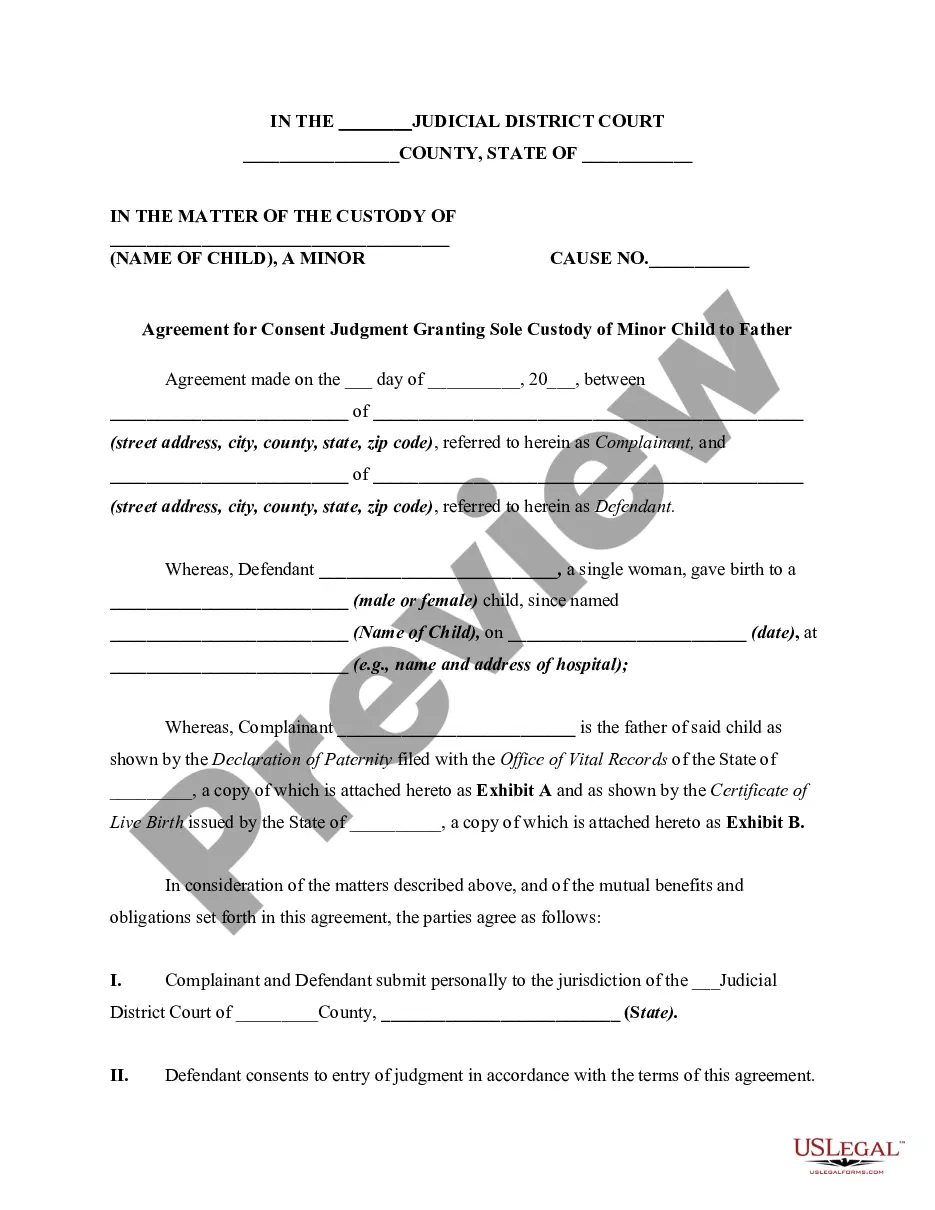

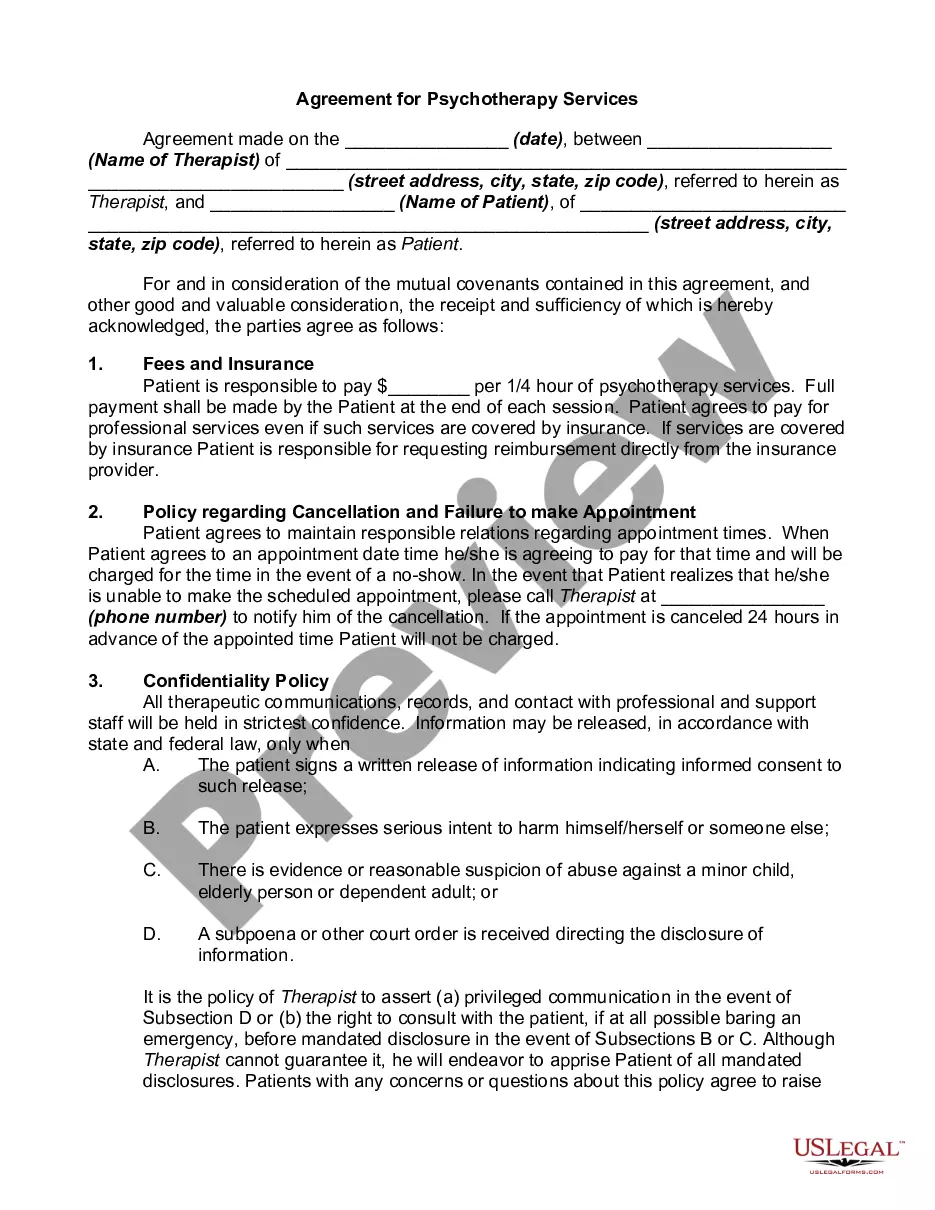
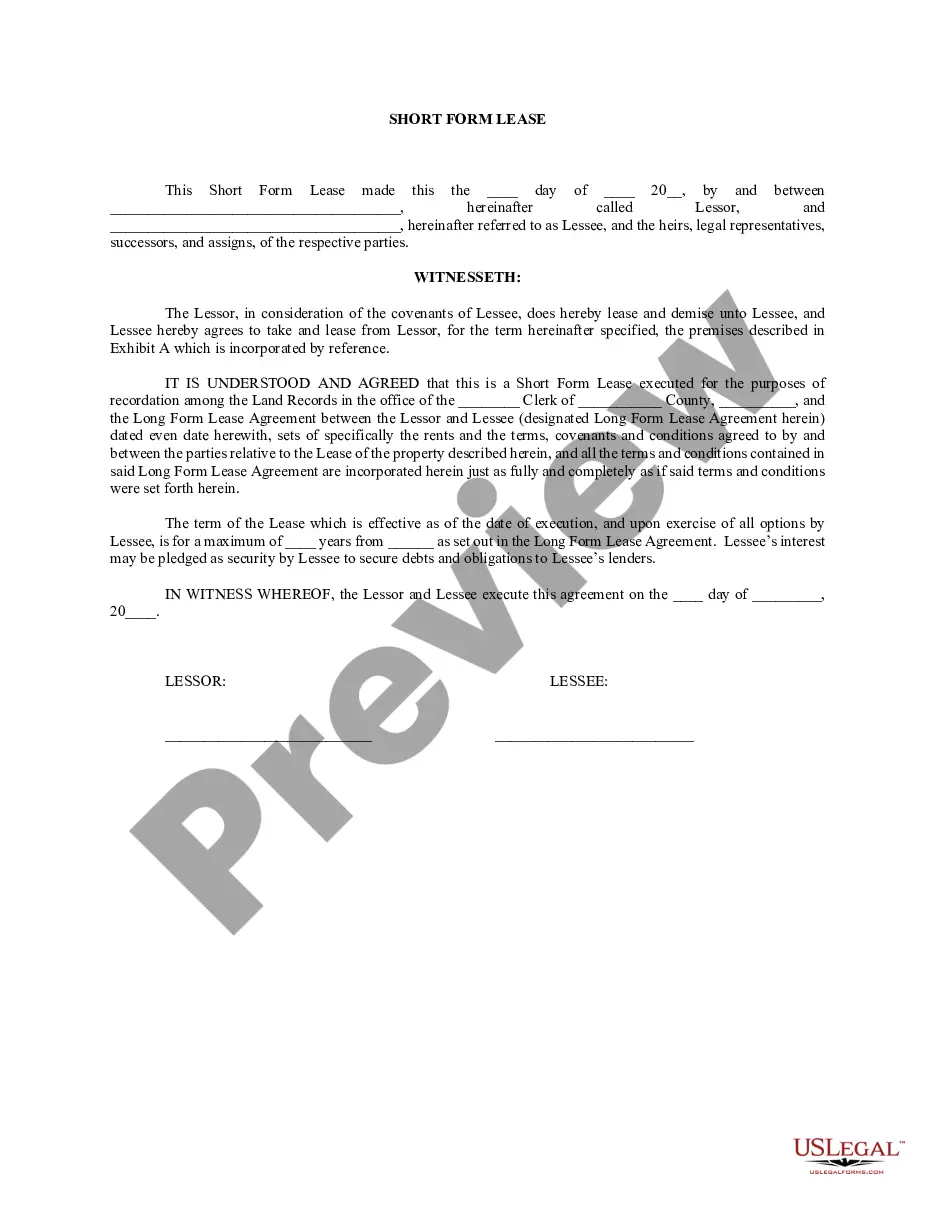




Form popularity
FAQ
Judges do not grant continuances for no reason as the need for efficiency and giving a speedy trial go against the use of continuances. In a variety of circumstances, however, parties have a legitimate need to have more time before proceedings such as when new evidence is discovered or a witness needs to be found.
Circumstances that may indicate good cause for a continuance include the unavailability of an essential witness (CRC 3.1332 (c)(1)); the unavailability of a party because of death, illness, or other excusable circumstances (CRC 3.1332 (c)(2)); or a significant, unanticipated change in the status of the case as a result ...
Valid reasons include personal emergencies, unavailability of essential evidence, and lack of legal representation. How do I notify the court? You can notify the court by directly speaking to the court clerk or filing a motion for continuance before the hearing begins.
A party seeking a continuance of the date set for trial, whether contested or uncontested or stipulated to by the parties, must make the request for a continuance by a noticed motion or an ex parte application under the rules in chapter 4 of this division, with supporting declarations.
You absolutely can appear in court and inform them that you were unable to properly serve, and ask for a formal 'continuance' (delay) asking for more time to find the defendant. If this is a first time, judges tend to allow such a delay if it is not too long.
If the parties to a case are in agreement, it is more likely that the court will agree to change the hearing date. Even if the other party does not agree, you may still contact the court to request a continuance of the hearing date.
Circumstances that may indicate good cause for a continuance include the unavailability of an essential witness (CRC 3.1332 (c)(1)); the unavailability of a party because of death, illness, or other excusable circumstances (CRC 3.1332 (c)(2)); or a significant, unanticipated change in the status of the case as a result ...
Perhaps the most common reason for a continuance is when one side did not have enough time to investigate the case and analyze the evidence. Many defense attorneys, especially public defenders, can move only so quickly because they are representing many clients.
A continuance can provide many advantages if used appropriately: Time to Build a Strong Defense: More time can allow your lawyer to gather additional evidence, secure vital witnesses, or consult with experts that will strengthen your defense.