Sample Schedule Form For Loan Application In Massachusetts
Description

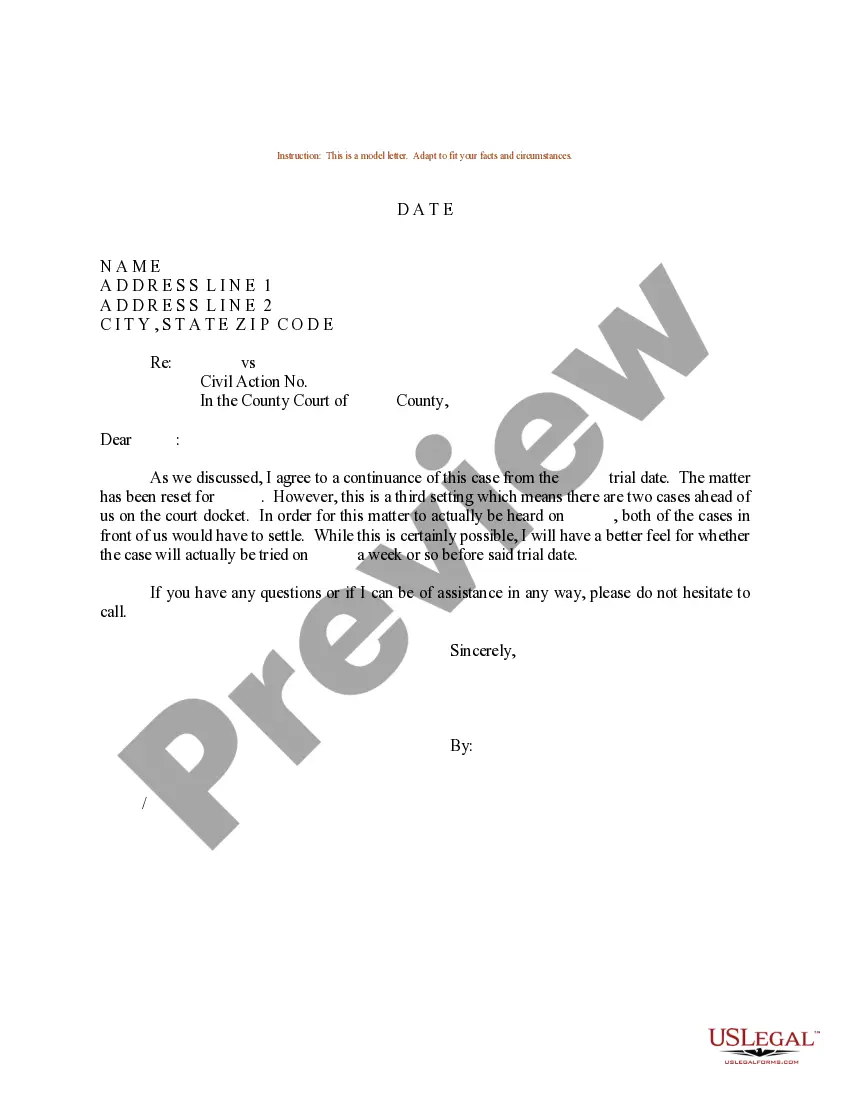
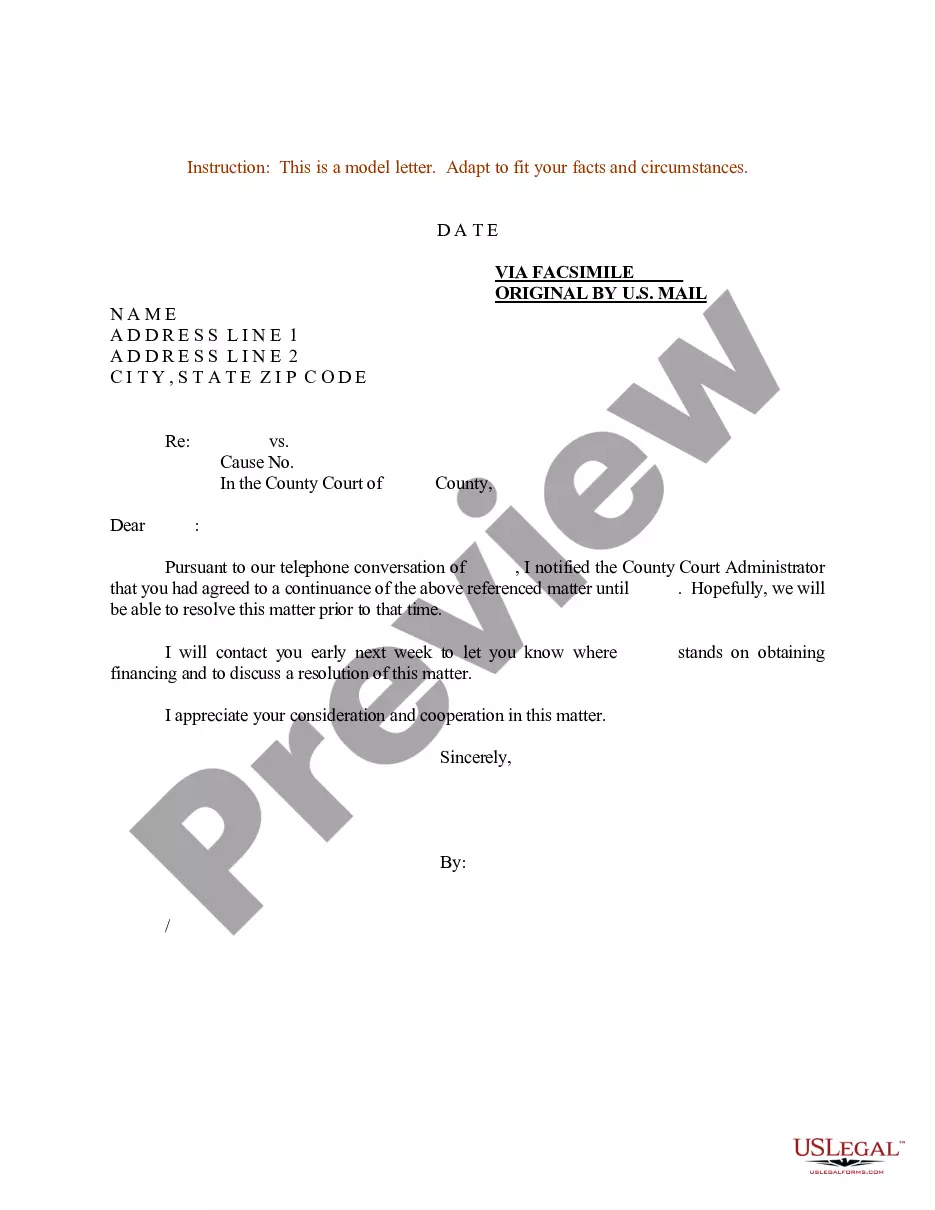
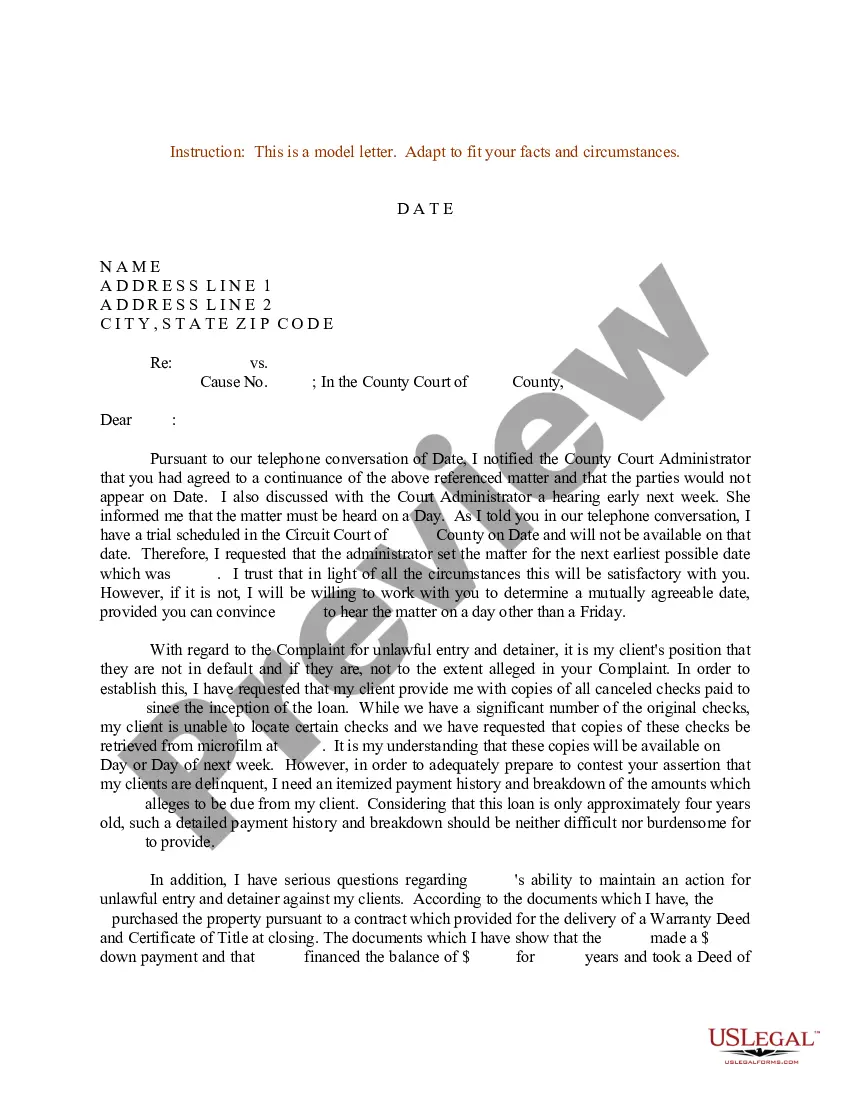
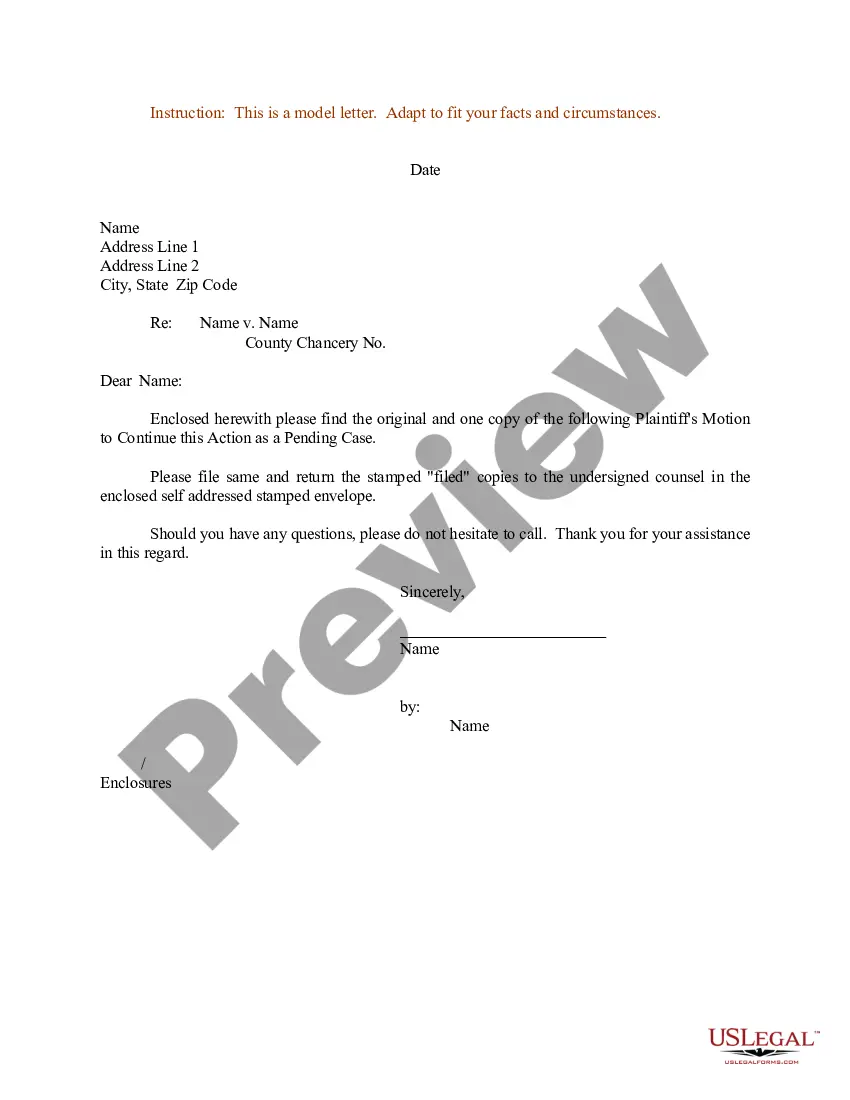
Get your form ready online
Our built-in tools help you complete, sign, share, and store your documents in one place.
Make edits, fill in missing information, and update formatting in US Legal Forms—just like you would in MS Word.
Download a copy, print it, send it by email, or mail it via USPS—whatever works best for your next step.
Sign and collect signatures with our SignNow integration. Send to multiple recipients, set reminders, and more. Go Premium to unlock E-Sign.
If this form requires notarization, complete it online through a secure video call—no need to meet a notary in person or wait for an appointment.
We protect your documents and personal data by following strict security and privacy standards.

Make edits, fill in missing information, and update formatting in US Legal Forms—just like you would in MS Word.

Download a copy, print it, send it by email, or mail it via USPS—whatever works best for your next step.

Sign and collect signatures with our SignNow integration. Send to multiple recipients, set reminders, and more. Go Premium to unlock E-Sign.

If this form requires notarization, complete it online through a secure video call—no need to meet a notary in person or wait for an appointment.

We protect your documents and personal data by following strict security and privacy standards.
Looking for another form?




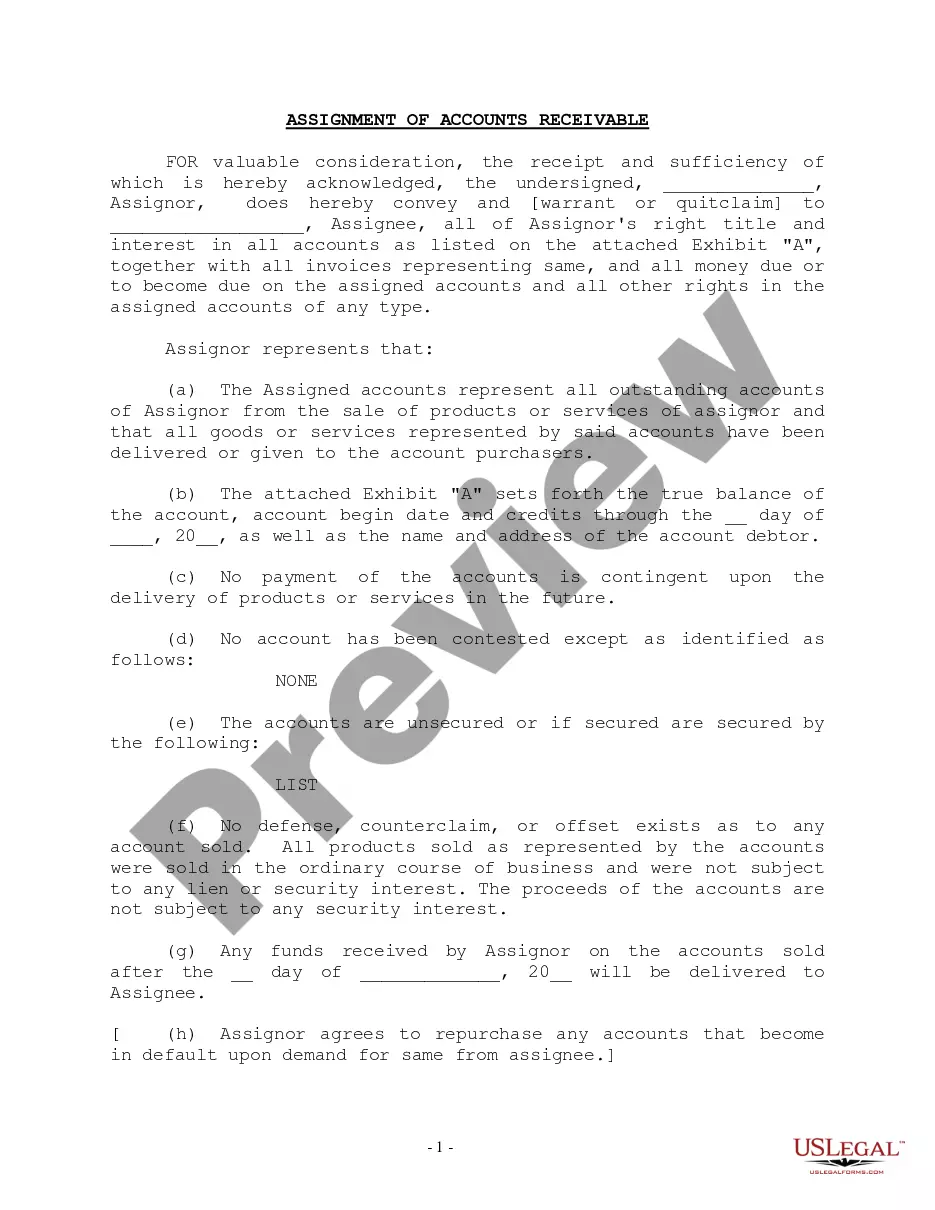





Form popularity
FAQ
It's the minimum level of health insurance benefits that adult tax filers need to be considered insured and avoid tax penalties in Massachusetts.
Schedule CMS requires the reporting of all non-refundable or re- fundable credits regardless of whether they are tracked by an assigned certificate number or generated by operation of law. The total amount of credits claimed on the tax return may be disallowed if a taxpayer fails to complete and file Schedule CMS.
The Schedule A is a statement of revenues, expenditures and other financing sources, uses, changes in fund balance and certain balance sheet account information prepared annually by the local accountant or auditor.
Form 1 and Form 1-NR/PY filers must use Schedule E-3 to report income and loss from estates, trusts, REMICs and farms. Separate Schedule(s) E-3 must be filed for each individual entity.
The Schedule D form is what most people use to report capital gains and losses that result from the sale or trade of certain property during the year.
Schedule D Long-Term Capital Gains and Losses Excluding Collectibles and pre-1996 installment sales.