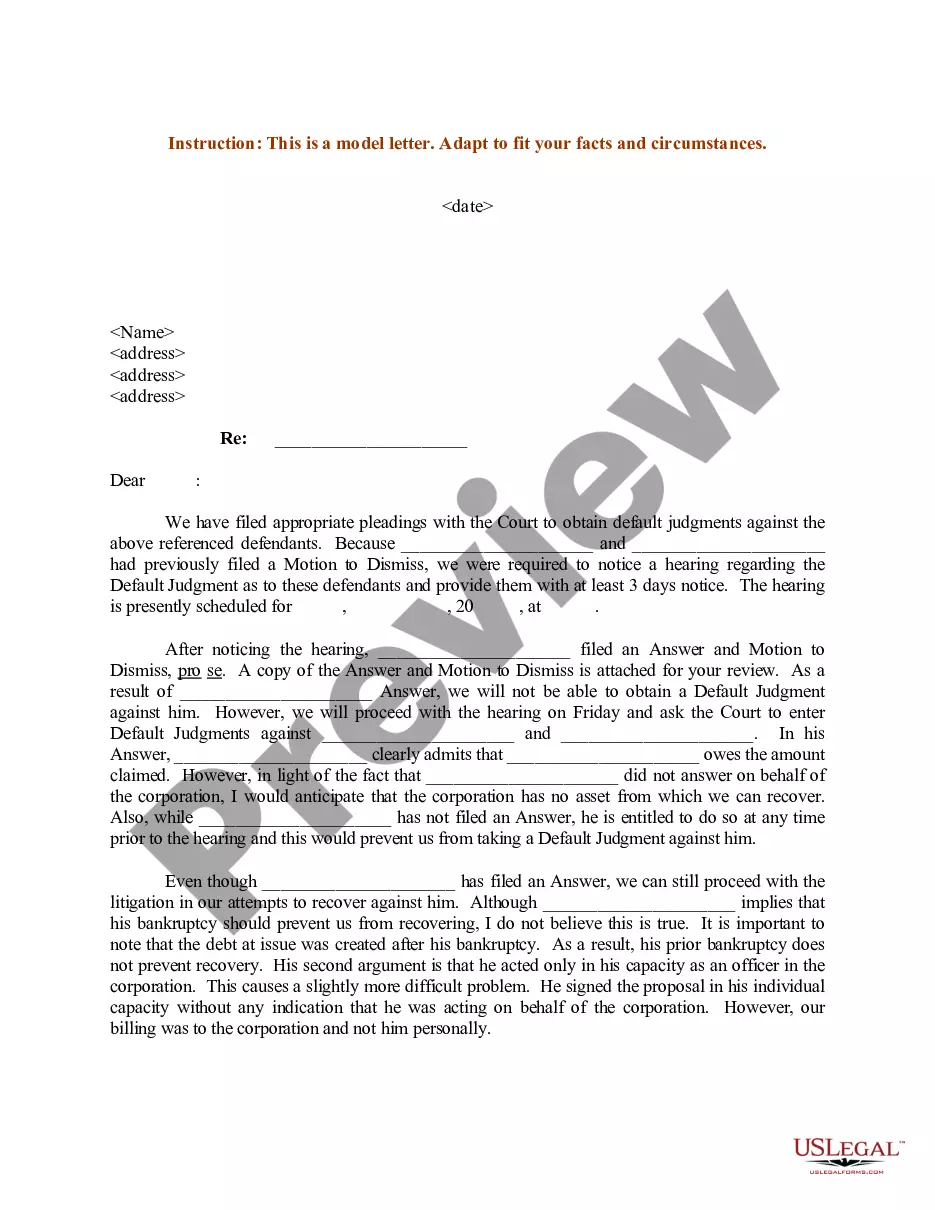
Acceptance Letter For Scholarship In Washington
Description
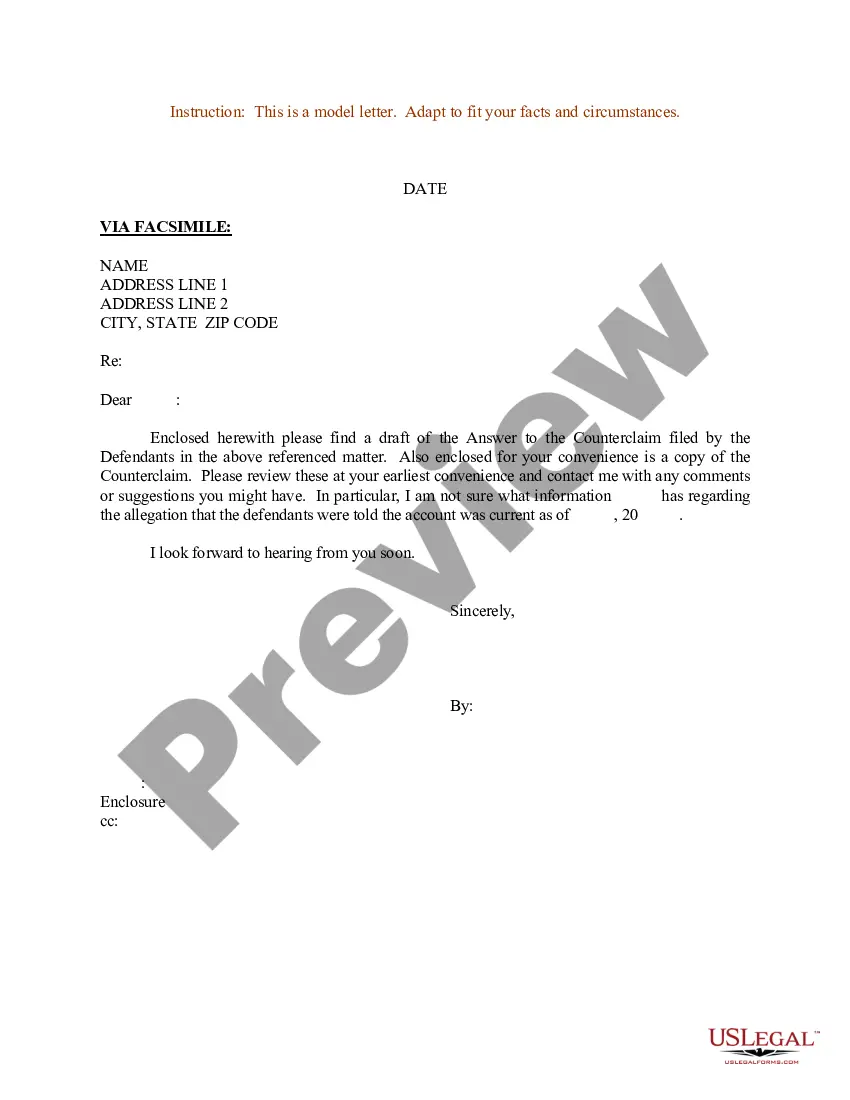
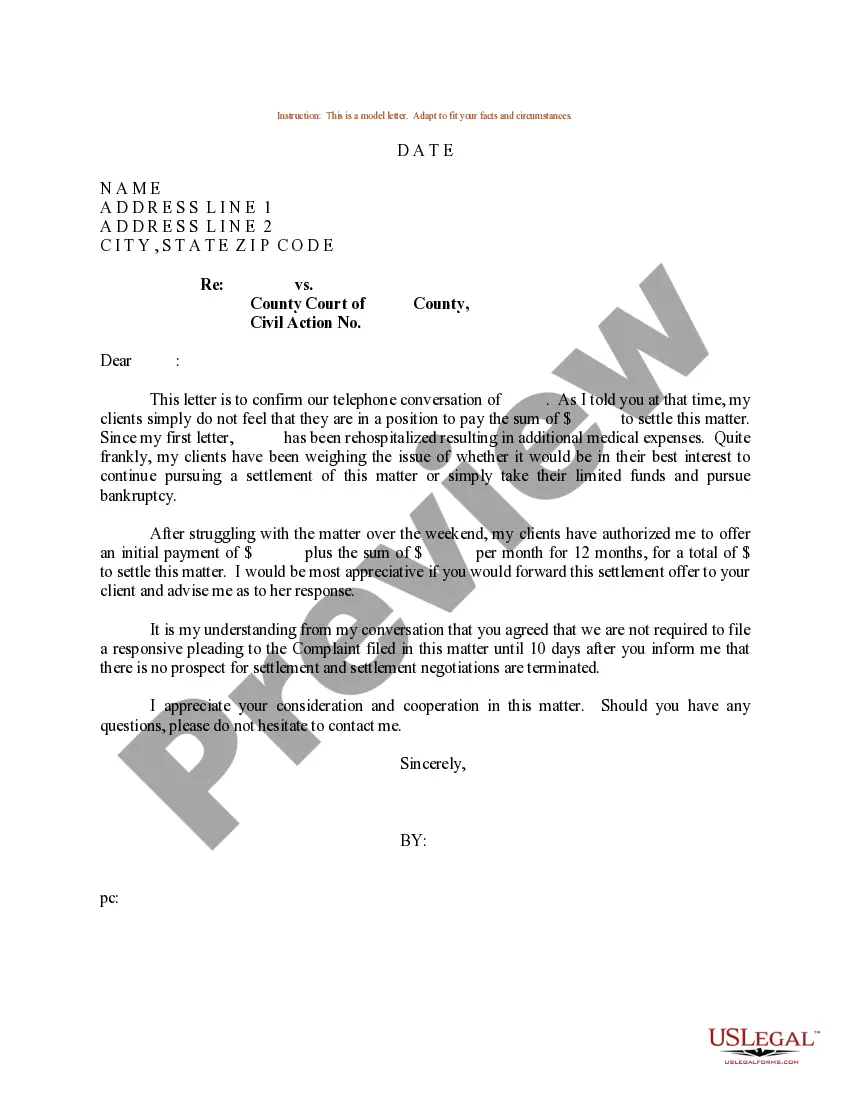
Get your form ready online
Our built-in tools help you complete, sign, share, and store your documents in one place.
Make edits, fill in missing information, and update formatting in US Legal Forms—just like you would in MS Word.
Download a copy, print it, send it by email, or mail it via USPS—whatever works best for your next step.
Sign and collect signatures with our SignNow integration. Send to multiple recipients, set reminders, and more. Go Premium to unlock E-Sign.
If this form requires notarization, complete it online through a secure video call—no need to meet a notary in person or wait for an appointment.
We protect your documents and personal data by following strict security and privacy standards.

Make edits, fill in missing information, and update formatting in US Legal Forms—just like you would in MS Word.

Download a copy, print it, send it by email, or mail it via USPS—whatever works best for your next step.

Sign and collect signatures with our SignNow integration. Send to multiple recipients, set reminders, and more. Go Premium to unlock E-Sign.

If this form requires notarization, complete it online through a secure video call—no need to meet a notary in person or wait for an appointment.

We protect your documents and personal data by following strict security and privacy standards.
Looking for another form?







Form popularity
FAQ
Explain why you are a good fit for the scholarship. Stick to the word limit and avoid unnecessary jargon. Clear and concise writing is more impactful. After writing your first draft, take a break before revising. Check for grammar, clarity, and coherence. Consider seeking feedback from teachers, mentors, or peers.
How to write a scholarship application letter Review the organization's requirements. Include your contact information. Introduce yourself and why you're applying. Discuss your major accomplishments. List your unique skills or qualities. Express your interest in your education or career. Conclude and thank the reader.
The best choice is to write an attention-grabbing sentence. It should be something persuading or intriguing that will make a person continue reading your essay with great interest. Avoid long explanations or introductions. Instead, this sentence should be short and clear.
Dear Donor Name, I am sincerely honored to have been selected as a recipient of the Name of Scholarship. Thanks to your generosity, it has been possible for me to explain how receiving this scholarship has impacted your college experience.
Don't use words like “finally”, “in sum” or “in conclusion”. Don't repeat or sum up in any way. Don't start too many sentences with the word “I”. Don't tell the reader explicitly, “I am a unique and interesting person.” Instead, let the reader glean this from your unique and interesting essay.
I am grateful to receive this scholarship and to be accepted into university name. For the next several years, my entire focus will be on pursuing my education to the best of my ability. Your generous support will enable me to focus on my studies and volunteer work without worrying about paying for my education.
How to write a scholarship application letter Review the organization's requirements. Include your contact information. Introduce yourself and why you're applying. Discuss your major accomplishments. List your unique skills or qualities. Express your interest in your education or career. Conclude and thank the reader.
Some tips about writing your letter: Write clearly but concisely. Letters should be at least two paragraphs in length but no more than a single page. Be yourself. Be sincere and willing to express your enthusiasm. Letter should be typewritten in business format. Proofread carefully. More tips from US News.
If you apply to more scholarships, you will increase your chances of winning a scholarship. Often students dislike smaller scholarships and essay competitions.
How to write an admissions acceptance letter Prepare the header. Begin the letter with an official header that includes the student's full name and address. Confirm the candidate's admission. Share congratulations. Explain how to accept. Include optional details. Encourage them to accept.