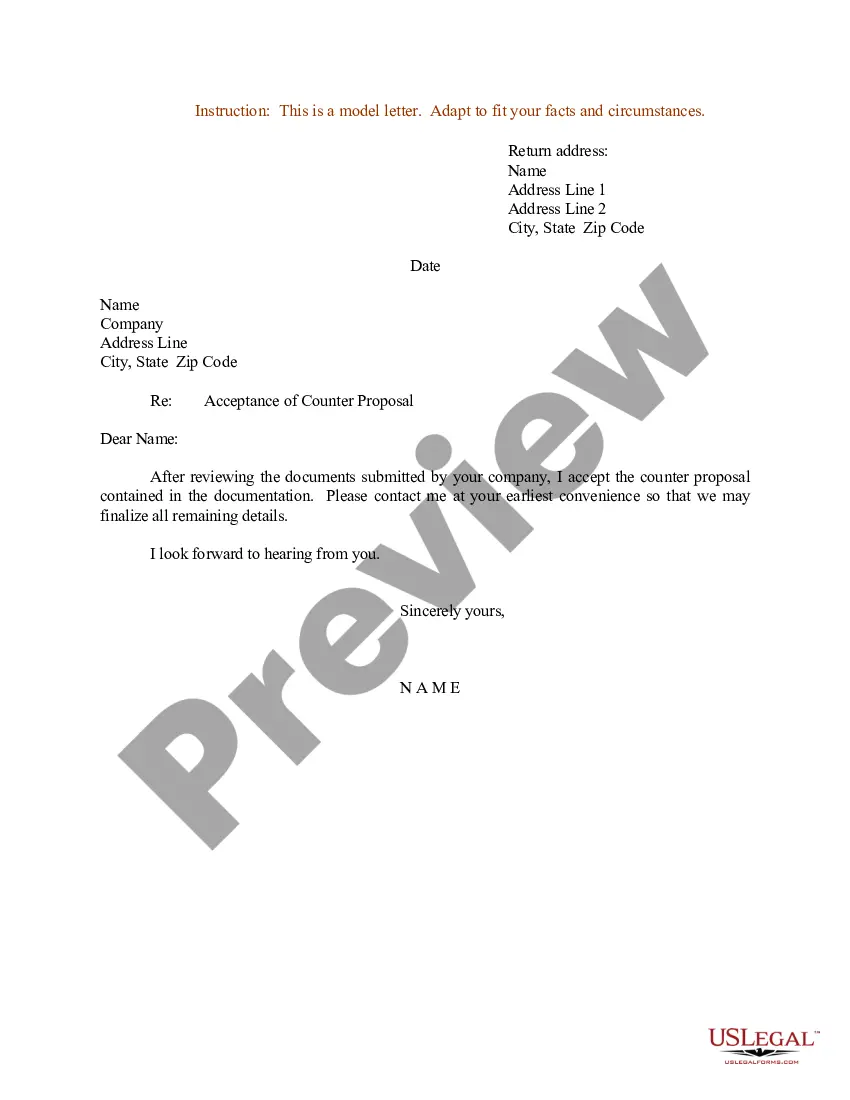
Acceptance Letter To College In Philadelphia
Description
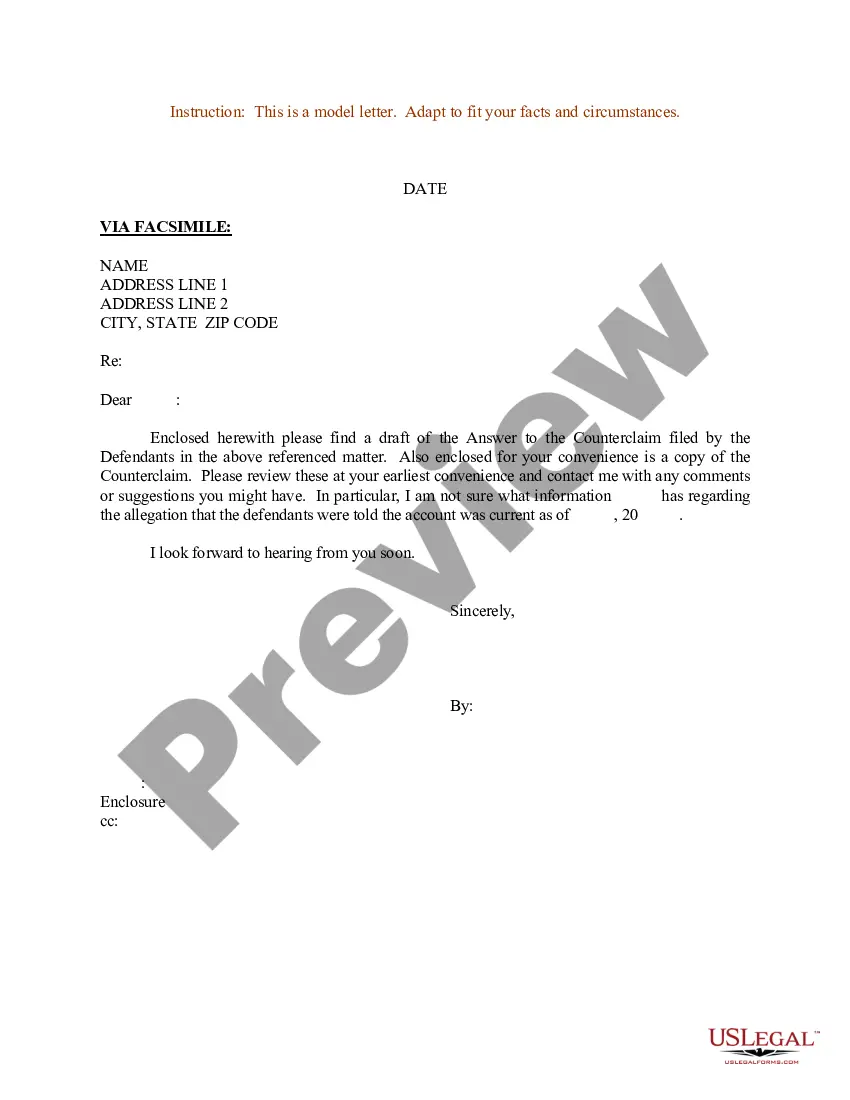
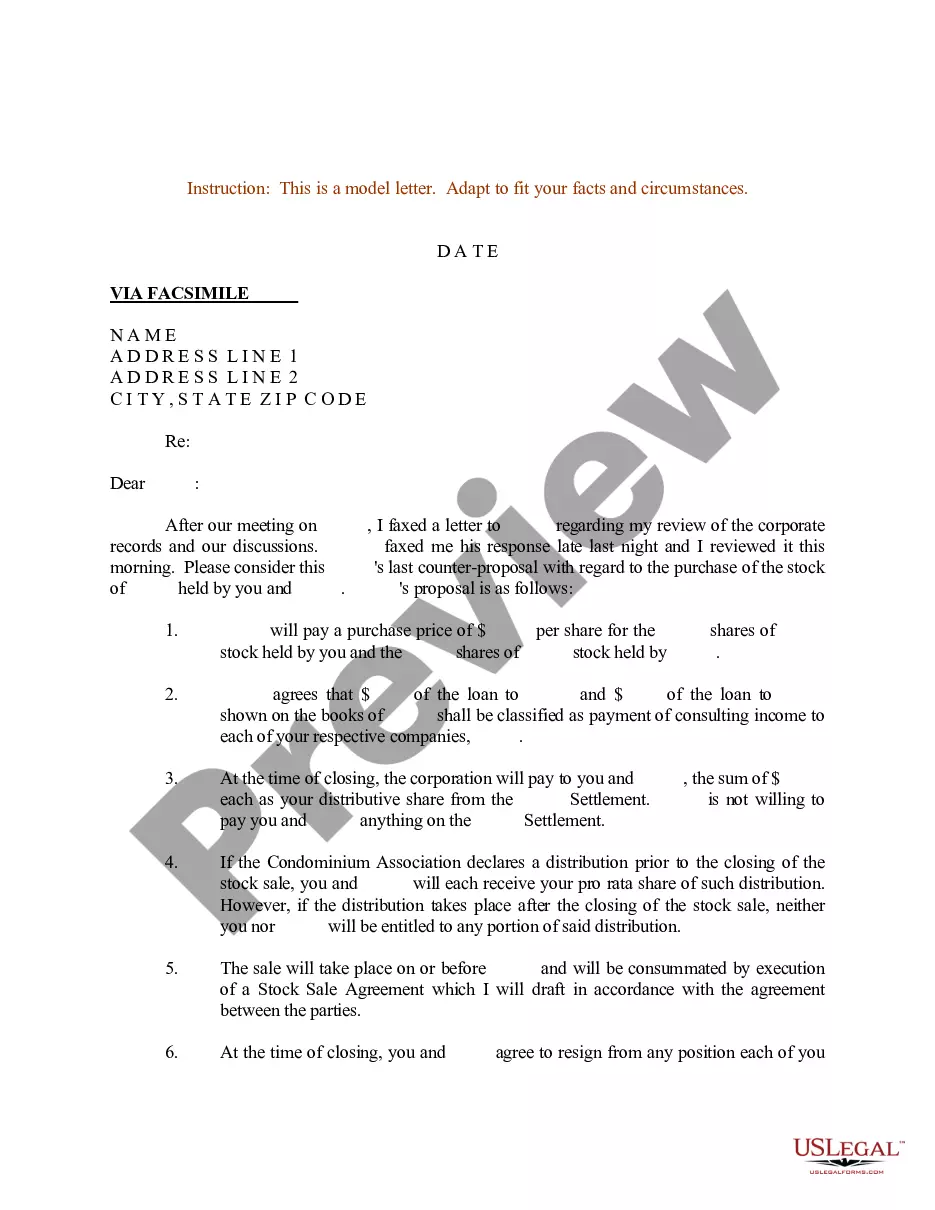
Get your form ready online
Our built-in tools help you complete, sign, share, and store your documents in one place.
Make edits, fill in missing information, and update formatting in US Legal Forms—just like you would in MS Word.
Download a copy, print it, send it by email, or mail it via USPS—whatever works best for your next step.
Sign and collect signatures with our SignNow integration. Send to multiple recipients, set reminders, and more. Go Premium to unlock E-Sign.
If this form requires notarization, complete it online through a secure video call—no need to meet a notary in person or wait for an appointment.
We protect your documents and personal data by following strict security and privacy standards.

Make edits, fill in missing information, and update formatting in US Legal Forms—just like you would in MS Word.

Download a copy, print it, send it by email, or mail it via USPS—whatever works best for your next step.

Sign and collect signatures with our SignNow integration. Send to multiple recipients, set reminders, and more. Go Premium to unlock E-Sign.

If this form requires notarization, complete it online through a secure video call—no need to meet a notary in person or wait for an appointment.

We protect your documents and personal data by following strict security and privacy standards.
Looking for another form?










Form popularity
FAQ
Follow these steps to write an impressive college admission letter: Write your name and street address. Include the date. Address people and institutions by name. Include a salutation. State your purpose for applying to the school. Explain why you want to attend their school. Write a conclusion. Include a sign-off.
Most colleges give you until May 1 to make your acceptance decision if you applied under regular decision or early action, although it is extremely important to double-check with your college to make sure it doesn't have a different date.
Make Your Acceptance Decision You don't have to decide overnight. Many colleges don't expect to hear your final decision until May 1 (unless you applied as an early decision applicant), so you have some time to make up your mind. But remember that colleges are serious about reply deadlines.
If you receive an acceptance letter, you generally have until May 1st to commit to the school. If it expires you can contact your schools admissions office to see if they can still let you in.
Students typically want to receive all of their responses before accepting any college admissions offer. But, of course, you don't want to miss any deadlines for doing so. Note that the drop-dead national college acceptance deadline is May 1st of your senior year. This is known as National College Decision Day.
Colleges that accept you will usually notify you of your acceptance between mid-March and mid-April, either through an email or as an update on your college application portal.
College application deadlines: When do you apply for college? Application deadlineAdmission decision Early decision Early to mid-November Mid-December Early action Early to mid-November Mid-December Regular decision Early January to mid-February Mid-March to early April Rolling admission Varies 4–6 weeks after submission
Once you've made a decision, it's time to accept the admission offer from your chosen school. Typically, you'll submit your decision along with an enrollment deposit. This is usually for around $200-$600, and since it's a deposit, it will be applied to your balance for the first semester.
Your letter of intent is where you'll highlight significant experiences and accomplishments from your academic history! Mention high school internships, extracurriculars, volunteering, honor roll, and subject awards. Focus on the most relevant details within the 500-800 word limit!
What is an admissions acceptance letter? A brief description of what made the candidate's application special. Basic information about any scholarships the applicant earned. Details about how to accept the offer. Deadlines for responding or submitting a deposit. Information about first-year orientation.