Letter Acceptance To School In Hillsborough
Description
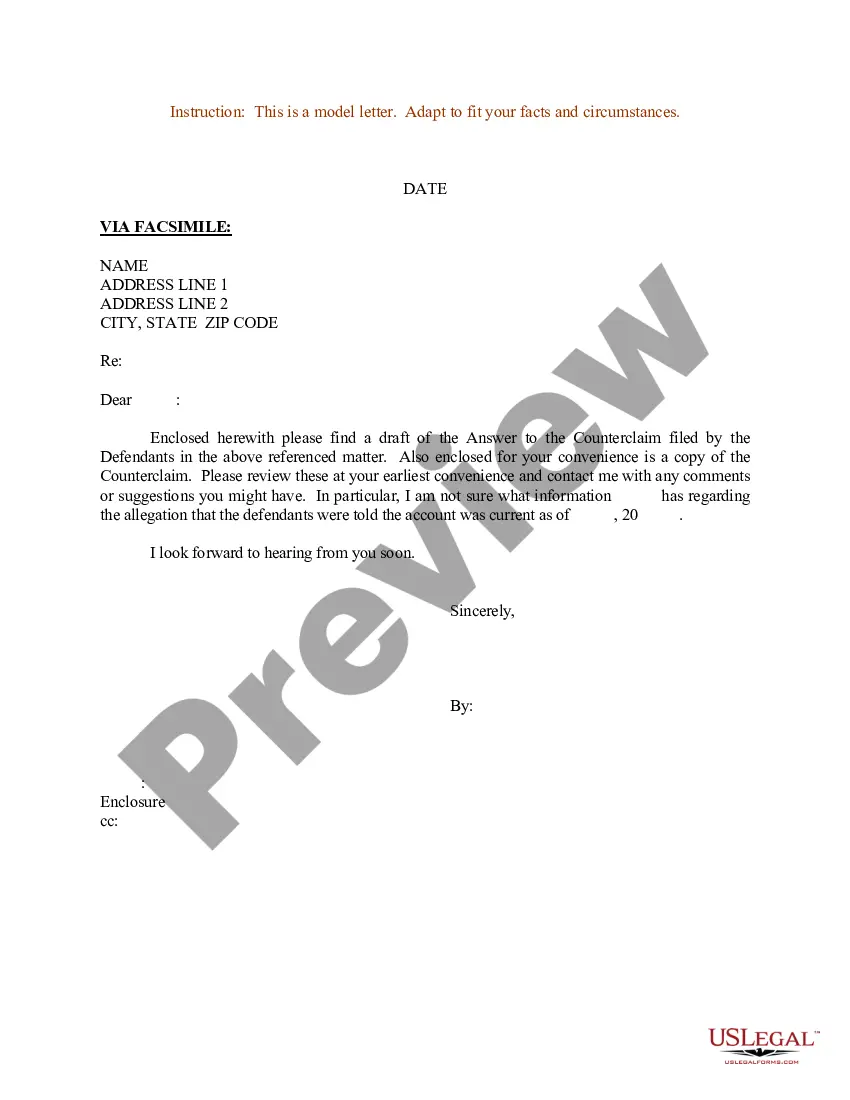
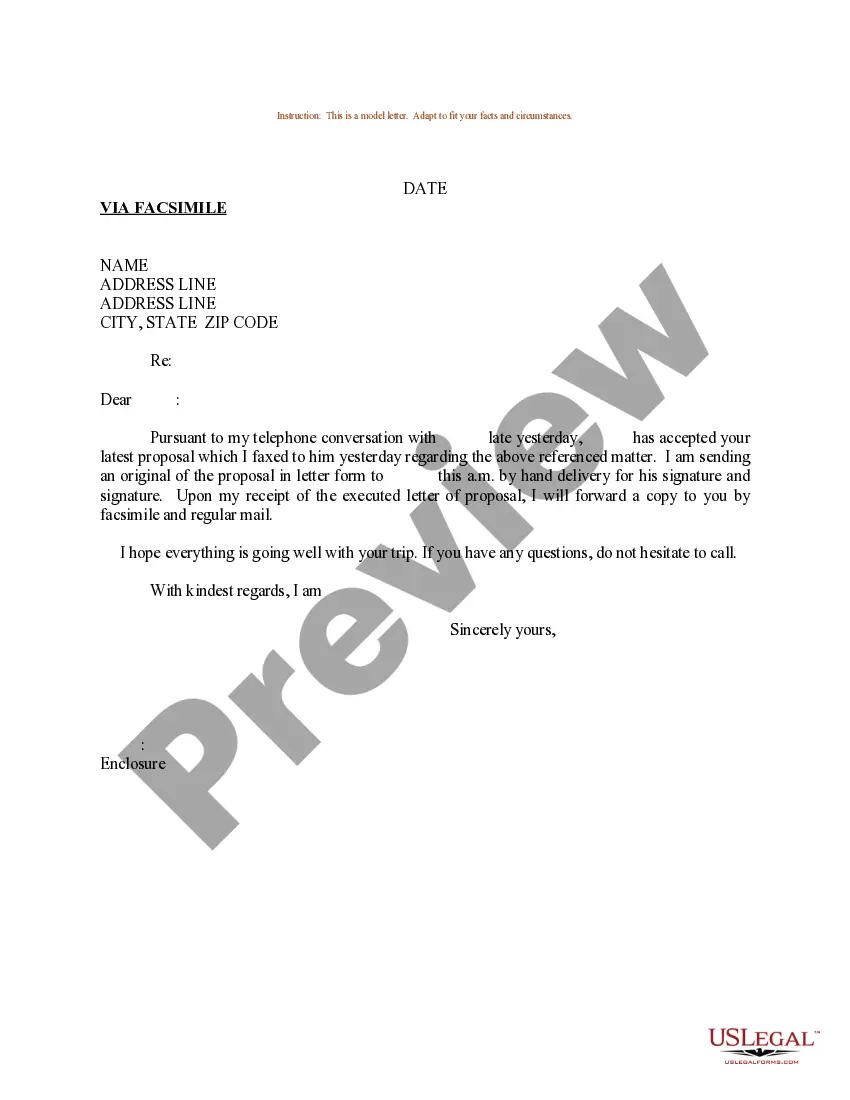
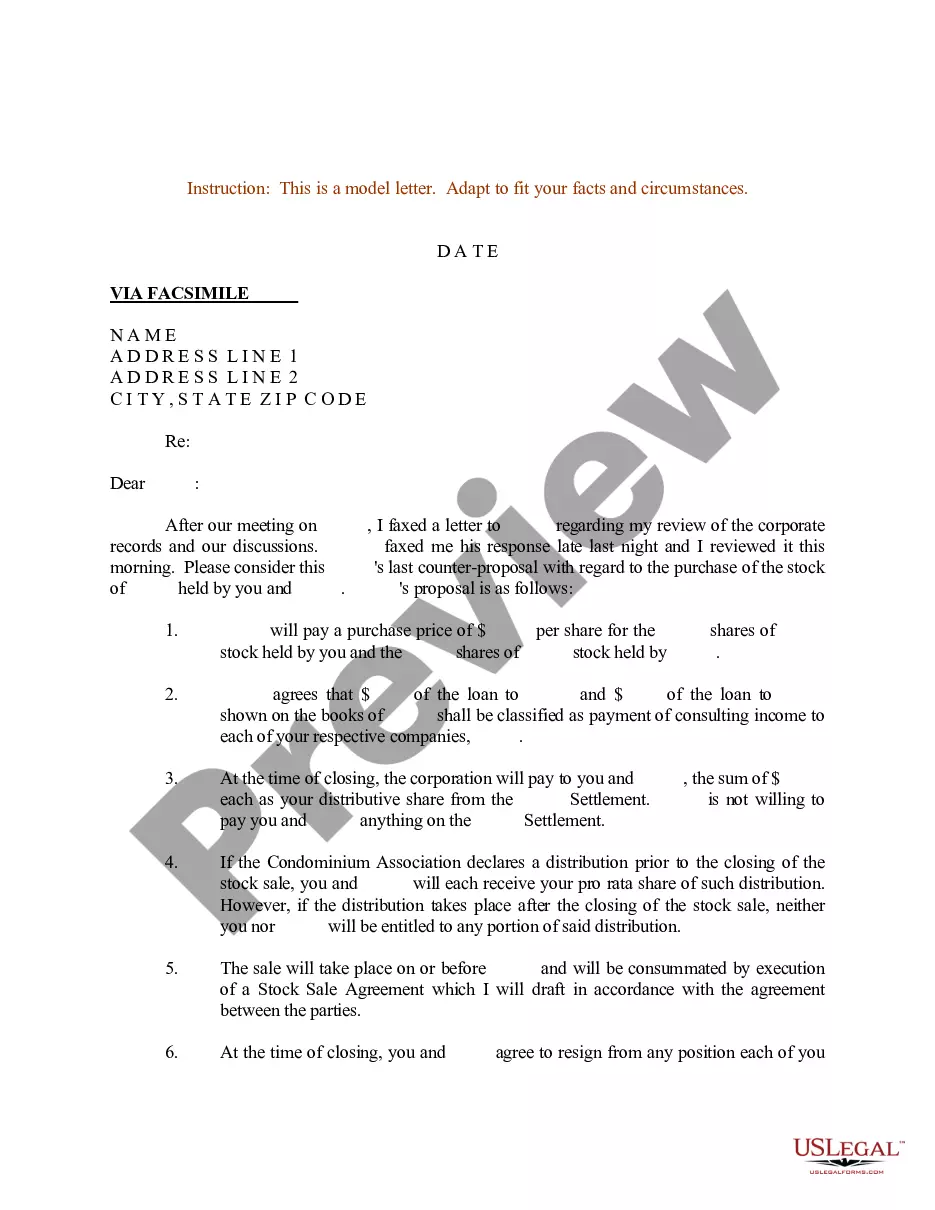
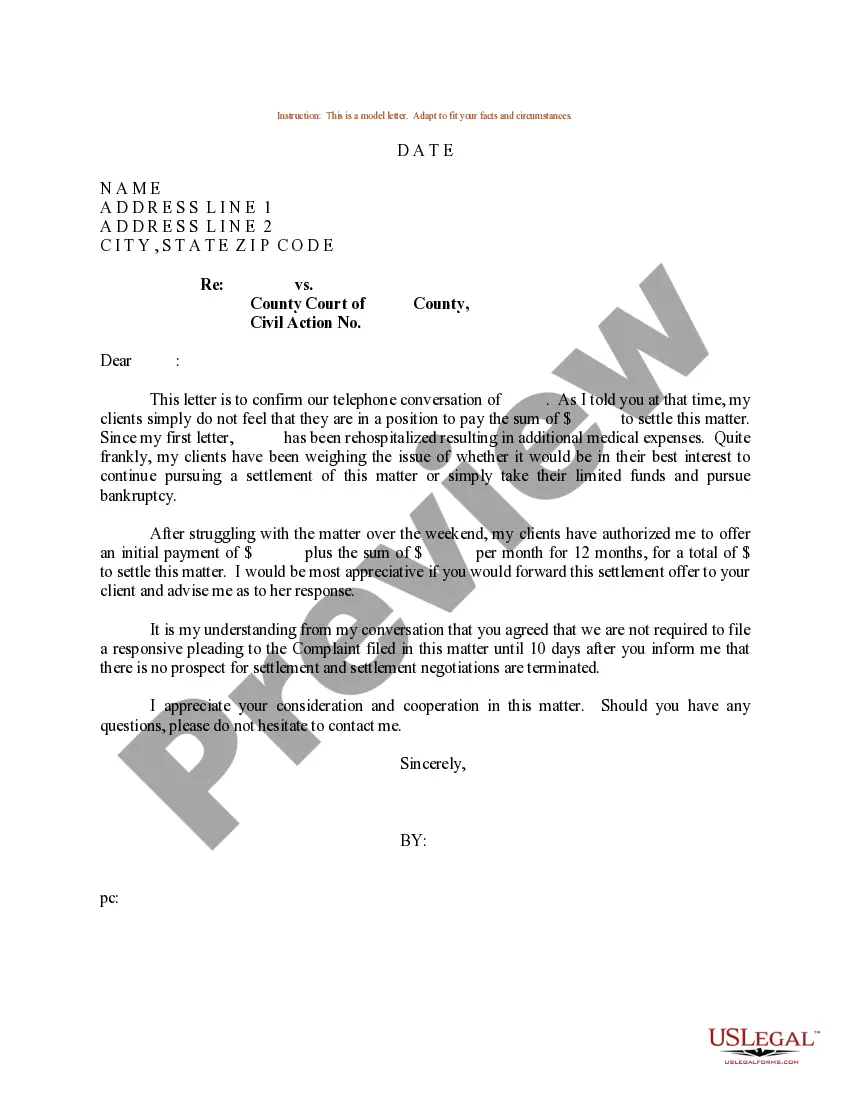
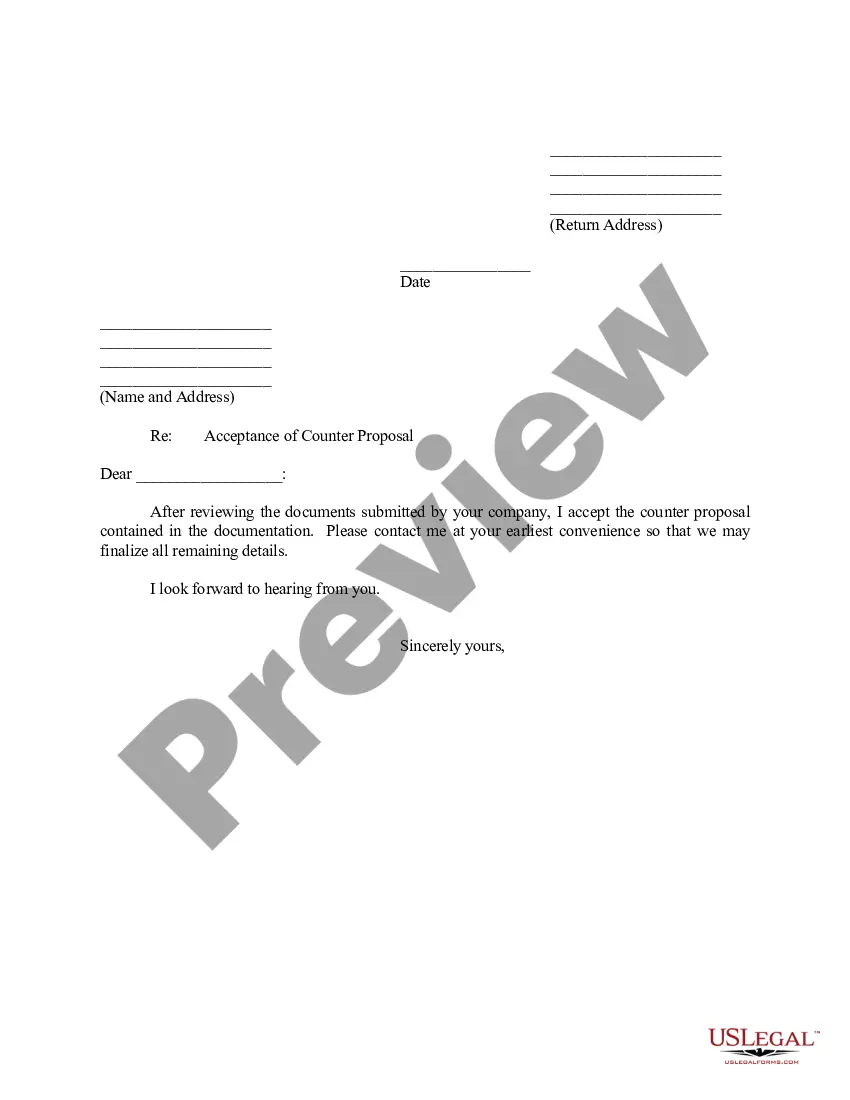
Get your form ready online
Our built-in tools help you complete, sign, share, and store your documents in one place.
Make edits, fill in missing information, and update formatting in US Legal Forms—just like you would in MS Word.
Download a copy, print it, send it by email, or mail it via USPS—whatever works best for your next step.
Sign and collect signatures with our SignNow integration. Send to multiple recipients, set reminders, and more. Go Premium to unlock E-Sign.
If this form requires notarization, complete it online through a secure video call—no need to meet a notary in person or wait for an appointment.
We protect your documents and personal data by following strict security and privacy standards.

Make edits, fill in missing information, and update formatting in US Legal Forms—just like you would in MS Word.

Download a copy, print it, send it by email, or mail it via USPS—whatever works best for your next step.

Sign and collect signatures with our SignNow integration. Send to multiple recipients, set reminders, and more. Go Premium to unlock E-Sign.

If this form requires notarization, complete it online through a secure video call—no need to meet a notary in person or wait for an appointment.

We protect your documents and personal data by following strict security and privacy standards.
Looking for another form?
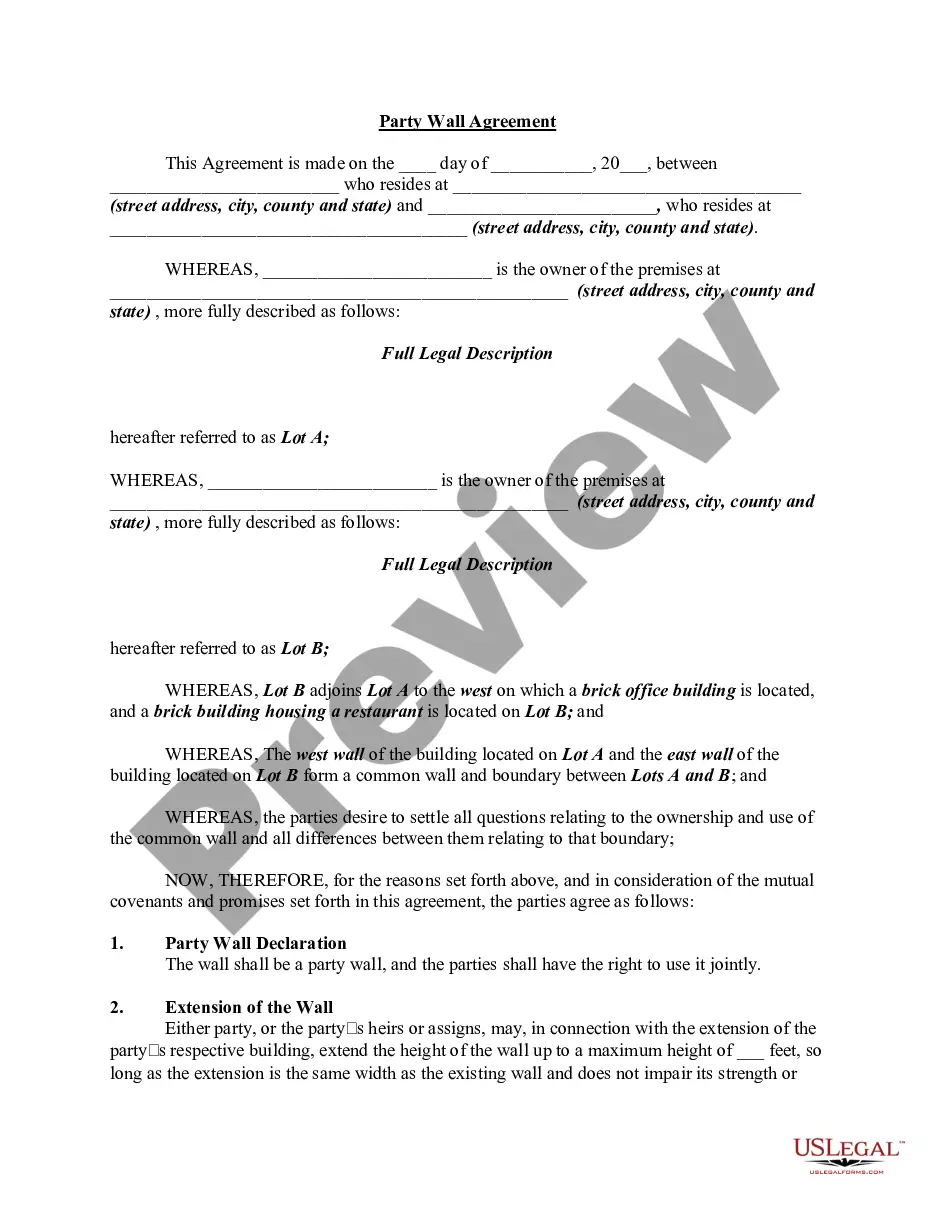


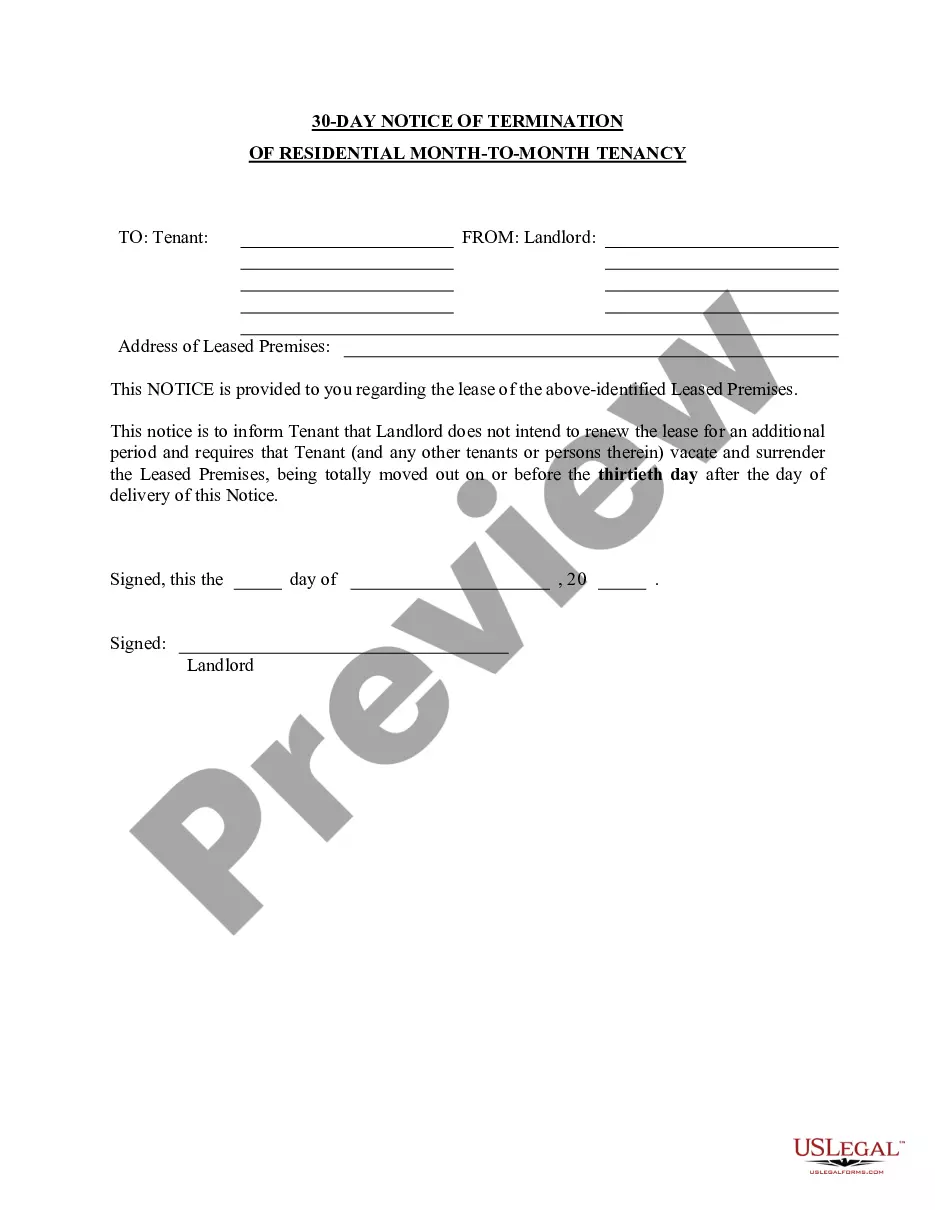

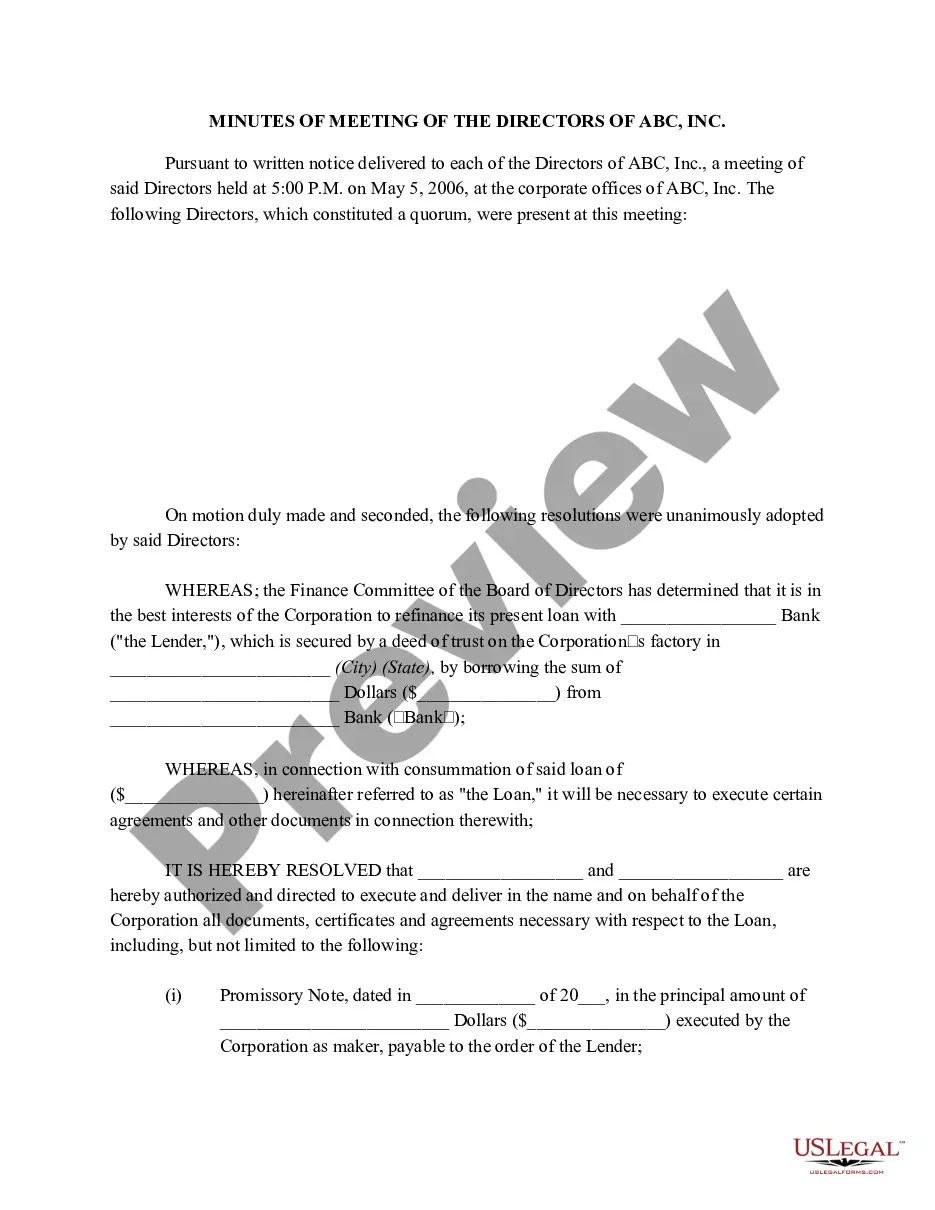

Form popularity
FAQ
Any one of the following may be used as alternate proof of residency: Florida Voter's Registration Card. Declaration Domicile (obtained from Clerk of Circuit Court) Florida Homestead Exemption.
An original birth certificate or other original proof of age. Cellular telephone bill or bank statement. Name and address must be on both proofs. Proof of a medical examination (HRS 3040 form) which has been performed within a twelve month period prior to school registration.
A school proof of residency letter is a document required by some schools to prove that a student is a resident of a particular location. This is often required to verify eligibility for in-state tuition or to allow a minor to attend elementary, middle, or high school in a specific district.
Choice Hardship allows parents and legal guardians, with a documented hardship, an opportunity to submit a request for a school that is capped for School Choice. Note: Requests are not automatic. Choice Hardship is limited and only available under extreme (documented) hardships. Transportation is not provided.
Apply directly online during open application windows. You will receive a confirmation email that your application was received in the system. You will be notified via email and phone of the results. Accept assignment by responding online or calling the Student Placement Information Line at (813) 272-4692.
Verification of Residency/Domicile in Hillsborough County for School Registration (Two of the following): Current Florida driver's license or identification. Utility bill (electric, water, gas) or a utility bill deposit receipt. Lease agreement, mortgage statement, rent receipt or property tax receipt.
(12) "Habitual truant" means a student who has 15 unexcused absences within 90 calendar days with or without the knowledge or consent of the student's parent, is subject to compulsory school attendance under s.
As defined in F.S. 1003.01, a “habitual truant” is “a student who has fifteen (15) or more unexcused absences within ninety (90) calendar days with or without the knowledge or consent of the student's parent/legal guardian, and who is subject to compulsory school attendance".
If a student is absent for 10% or more of enrolled school days, this is considered chronic absence. This includes excused and unexcused absences, as well as out-of-school suspensions. In a typical school year, chronic absence would be missing 18 days, which is approximately two days per month.

