Acceptance Letter To College In Fairfax
Description
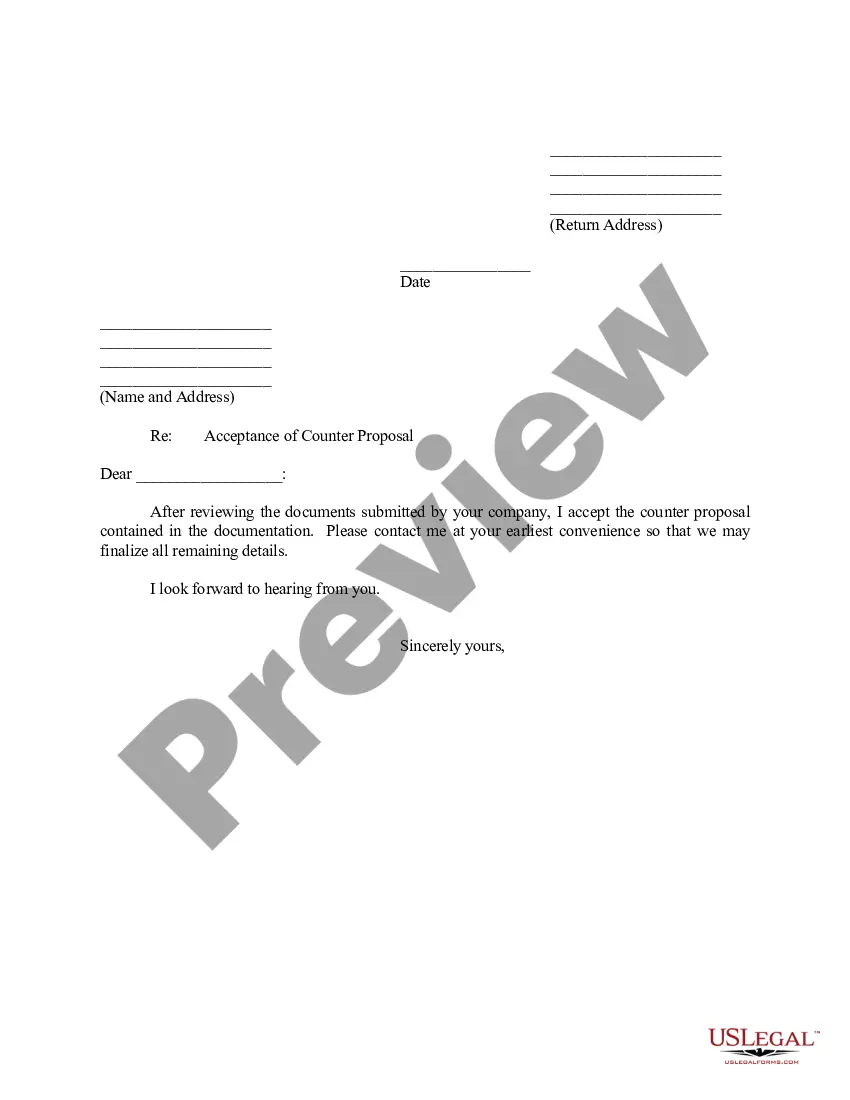
Get your form ready online
Our built-in tools help you complete, sign, share, and store your documents in one place.
Make edits, fill in missing information, and update formatting in US Legal Forms—just like you would in MS Word.
Download a copy, print it, send it by email, or mail it via USPS—whatever works best for your next step.
Sign and collect signatures with our SignNow integration. Send to multiple recipients, set reminders, and more. Go Premium to unlock E-Sign.
If this form requires notarization, complete it online through a secure video call—no need to meet a notary in person or wait for an appointment.
We protect your documents and personal data by following strict security and privacy standards.

Make edits, fill in missing information, and update formatting in US Legal Forms—just like you would in MS Word.

Download a copy, print it, send it by email, or mail it via USPS—whatever works best for your next step.

Sign and collect signatures with our SignNow integration. Send to multiple recipients, set reminders, and more. Go Premium to unlock E-Sign.

If this form requires notarization, complete it online through a secure video call—no need to meet a notary in person or wait for an appointment.

We protect your documents and personal data by following strict security and privacy standards.
Looking for another form?








Form popularity
FAQ
Here's what you need to do next: Accept the offer. Instructions will be on your acceptance notice and also on the college's website. Make the deposit. The deposit is usually less than $500, a portion of which could be waived if you receive financial aid. Notify the schools you're declining.
It can take a few weeks to a few months to hear back for a college admissions decision, depending on the type of application you submitted. Early applicants — such as early decision or early action — will generally hear back in December while regular decision applicants will receive their admission decision in April.
Colleges that accept you will usually notify you of your acceptance between mid-March and mid-April, either through an email or as an update on your college application portal.
Once you've made a decision, it's time to accept the admission offer from your chosen school. Typically, you'll submit your decision along with an enrollment deposit. This is usually for around $200-$600, and since it's a deposit, it will be applied to your balance for the first semester.
Follow these steps to write an impressive college admission letter: Write your name and street address. Include the date. Address people and institutions by name. Include a salutation. State your purpose for applying to the school. Explain why you want to attend their school. Write a conclusion. Include a sign-off.
If you receive an acceptance letter, you generally have until May 1st to commit to the school. If it expires you can contact your schools admissions office to see if they can still let you in. However, generally, if you miss the deadline you will have to wait until next year to attend.
Keep in mind that if the college does require you to reapply, your previous acceptance is not a guarantee you'll be accepted again. However, your previous application and success in being admitted may still be a positive indicator for your chances this time around.
Applicants who applied regular decision should expect to hear back around March or April. Once all decisions are released, it's time to select a college. Choosing where to enroll can be difficult, especially for students who weren't accepted into their top choice.
Colleges that accept you will usually notify you of your acceptance between mid-March and mid-April, either through an email or as an update on your college application portal.
There are three ways you'll receive your letter of acceptance: by mail, email, or on your online portal. How schools choose to tell students about their university entry will vary. Check with your school's office of admissions to see when and how you'll get your letter of acceptance.

