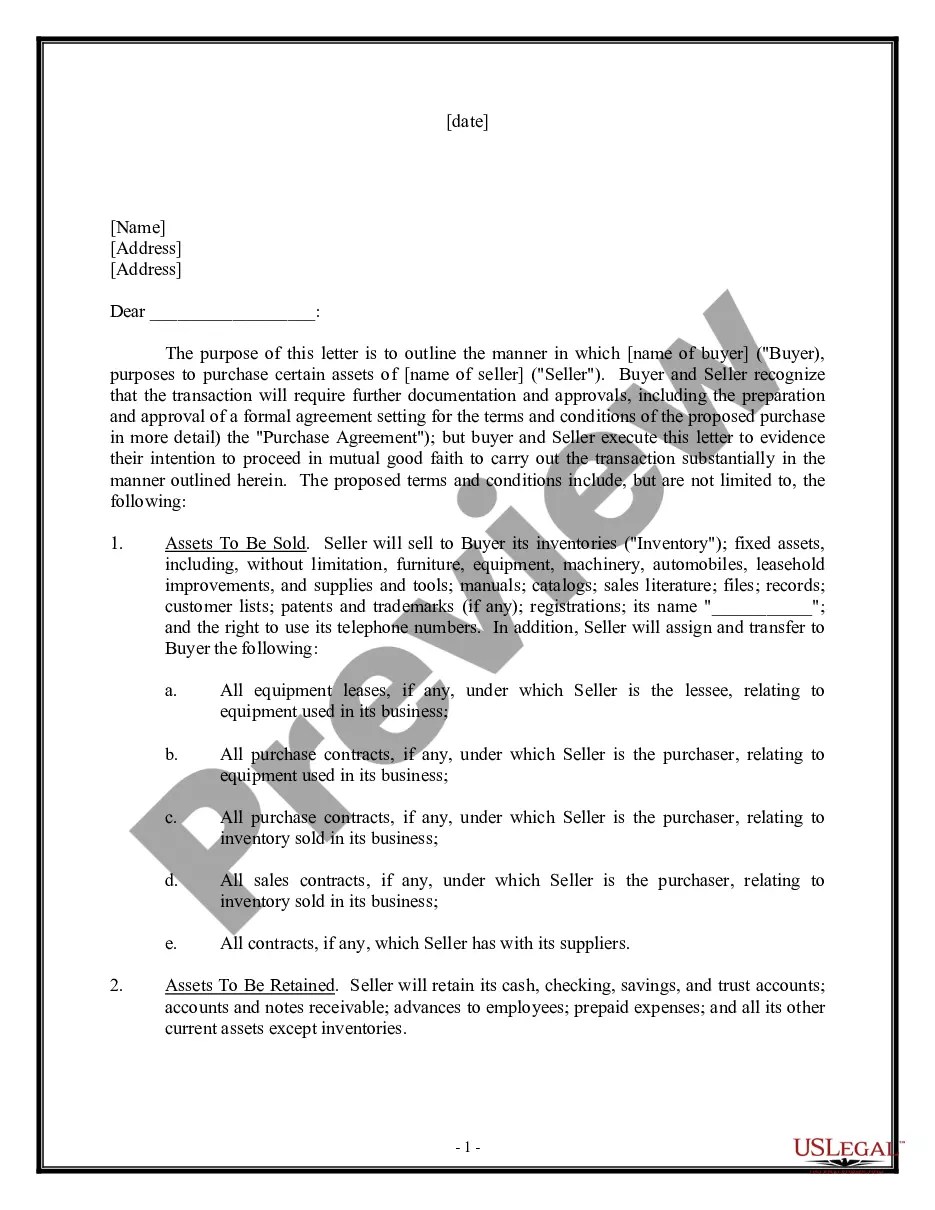
Acceptance Letter With Counter Offer In Arizona
Description
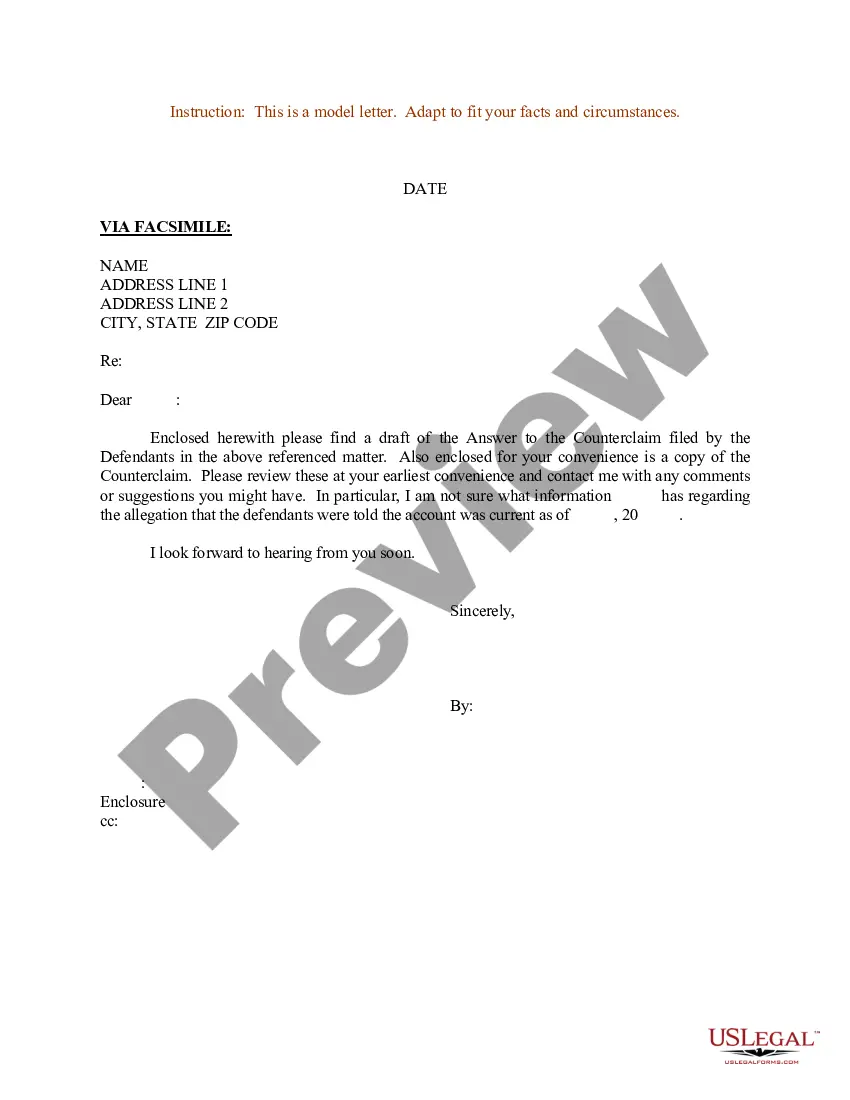
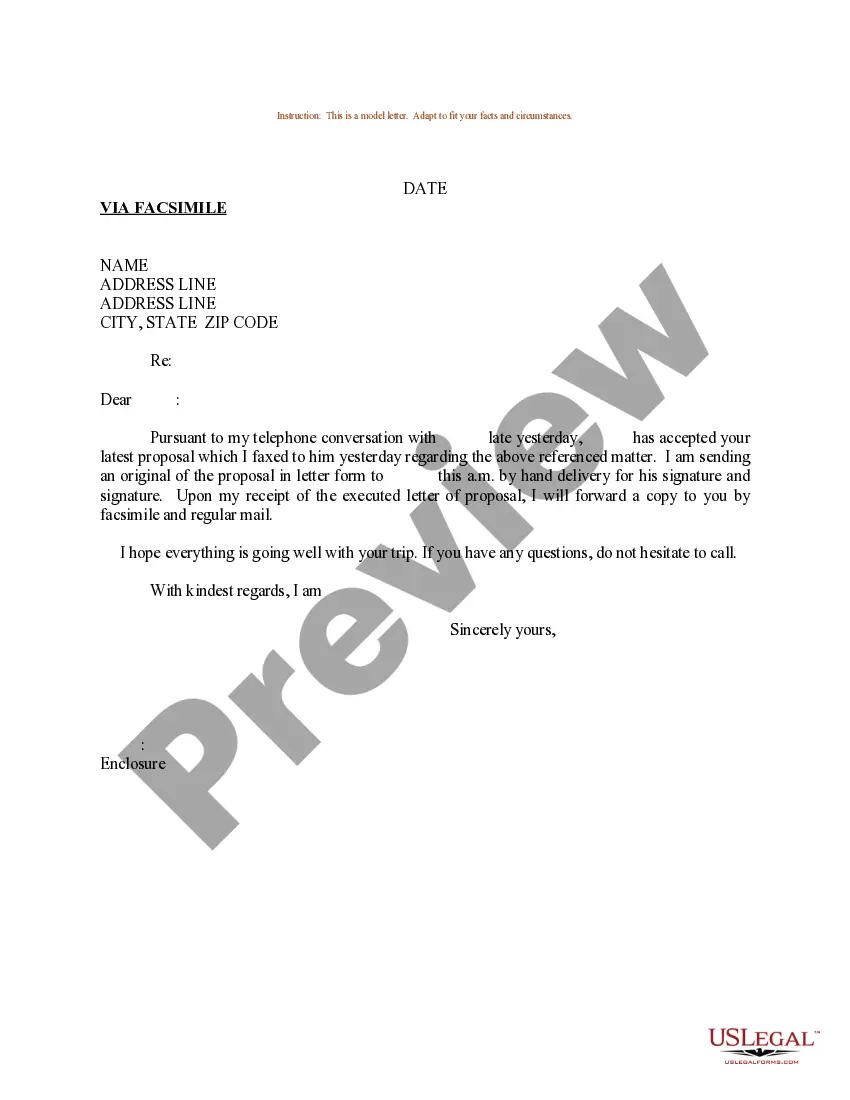
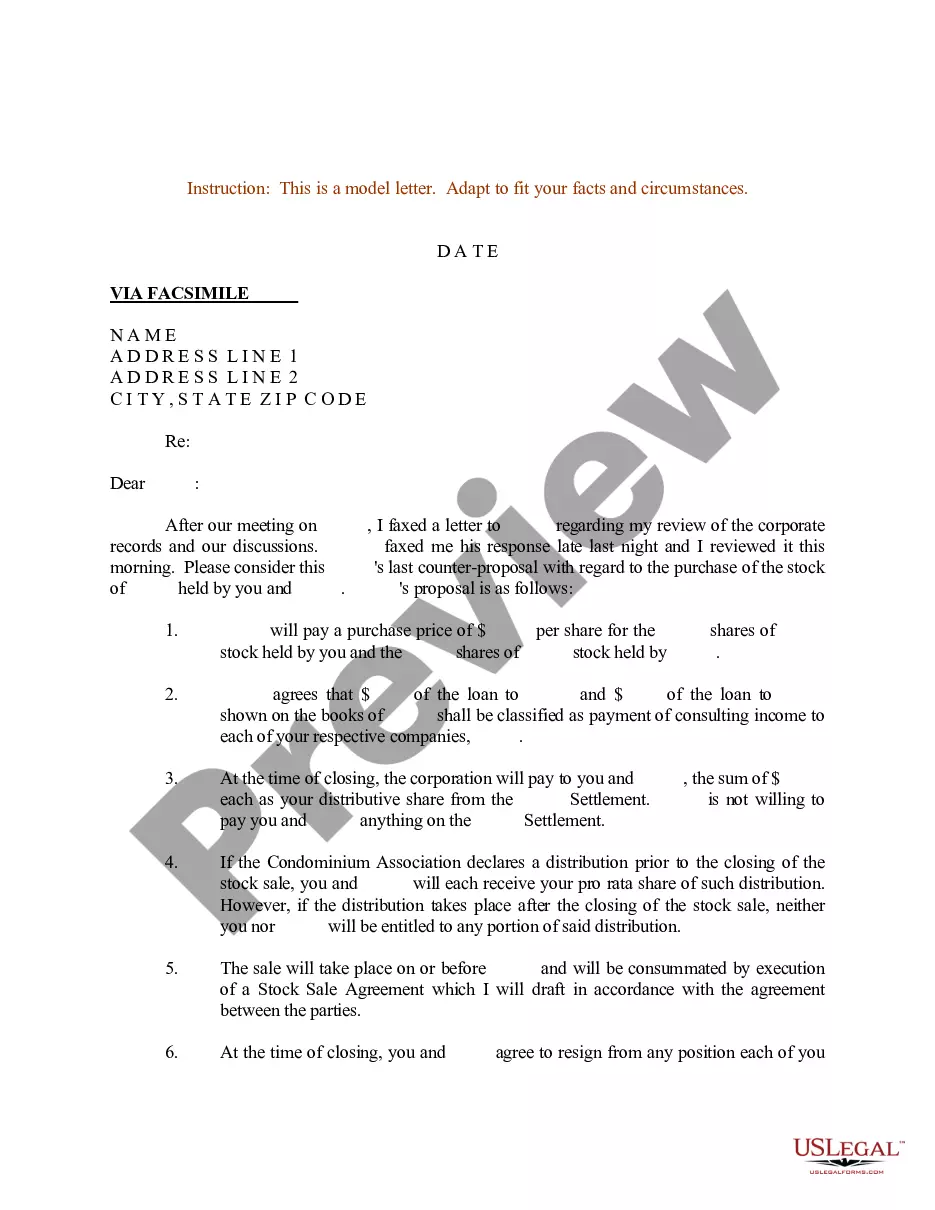
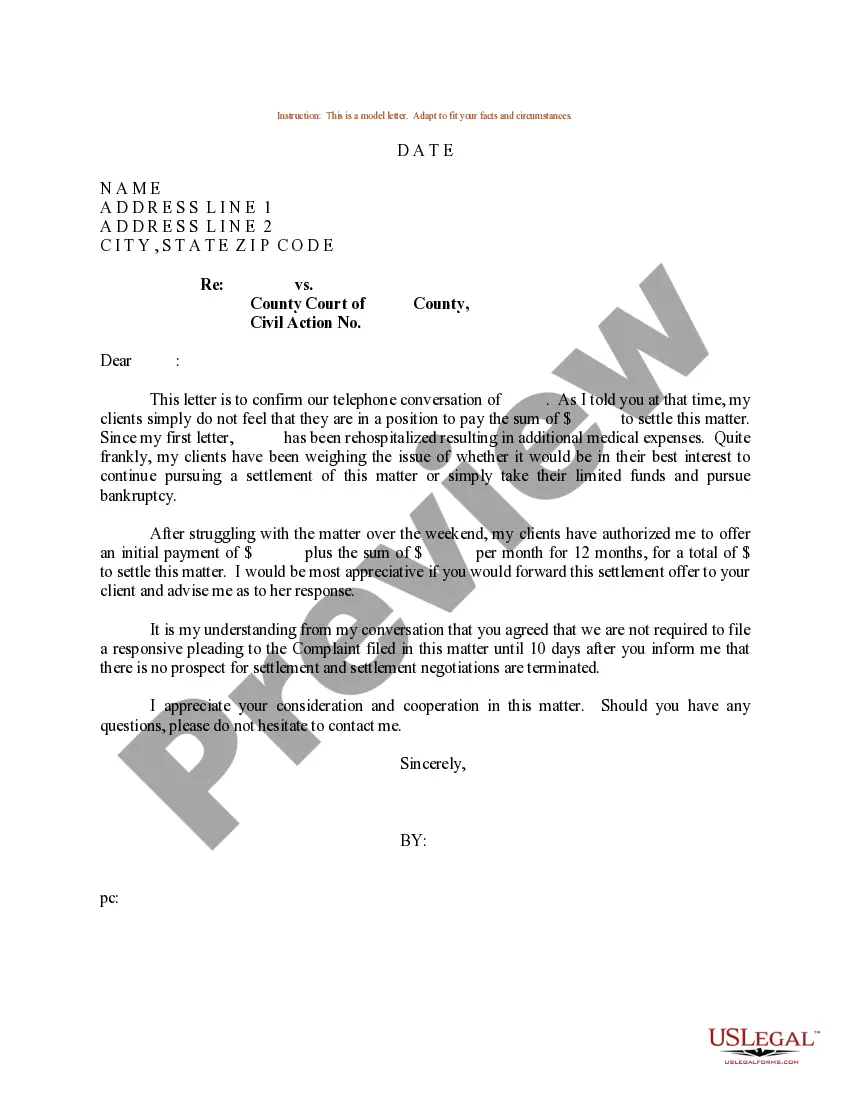
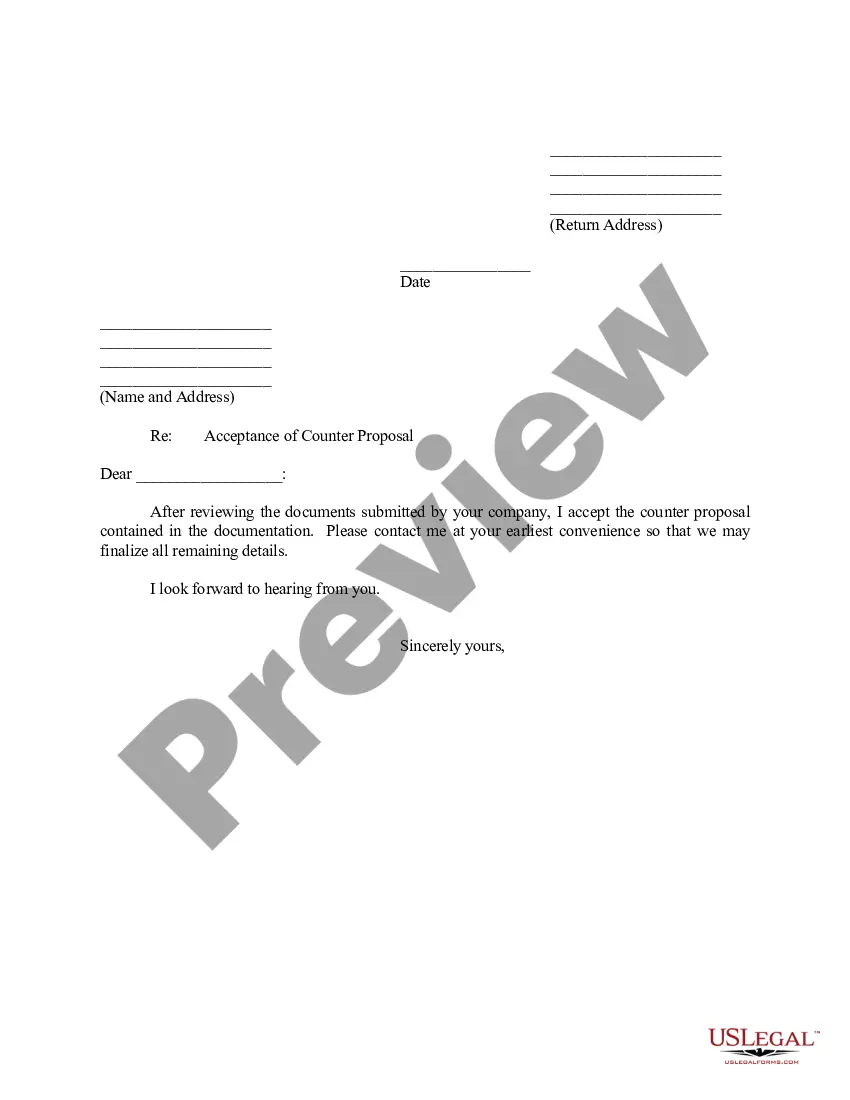
Get your form ready online
Our built-in tools help you complete, sign, share, and store your documents in one place.
Make edits, fill in missing information, and update formatting in US Legal Forms—just like you would in MS Word.
Download a copy, print it, send it by email, or mail it via USPS—whatever works best for your next step.
Sign and collect signatures with our SignNow integration. Send to multiple recipients, set reminders, and more. Go Premium to unlock E-Sign.
If this form requires notarization, complete it online through a secure video call—no need to meet a notary in person or wait for an appointment.
We protect your documents and personal data by following strict security and privacy standards.

Make edits, fill in missing information, and update formatting in US Legal Forms—just like you would in MS Word.

Download a copy, print it, send it by email, or mail it via USPS—whatever works best for your next step.

Sign and collect signatures with our SignNow integration. Send to multiple recipients, set reminders, and more. Go Premium to unlock E-Sign.

If this form requires notarization, complete it online through a secure video call—no need to meet a notary in person or wait for an appointment.

We protect your documents and personal data by following strict security and privacy standards.
Looking for another form?








Form popularity
FAQ
If the offer hasn't been executed by both sides, the seller can totally keep showing and negotiating other offers. If it has been executed by both parties, they can continue to entertain other offers as ``back up'' offers, in case the original offer dies for one reason or another.
Once the counteroffer has been accepted, the buyer and seller then sign a contract. The buyer must secure financing, and the seller must complete any repairs stated in the agreement.
Accepting a counteroffer can lead to a sense of mistrust, making it challenging to rebuild a positive working relationship. Your loyalty could come into question, potentially affecting future assignments and promotions.
A counteroffer functions as both a rejection of an offer to enter into a contract, as well as a new offer that materially changes the terms of the original offer. Because a counteroffer serves as a rejection, it completely voids the original offer. Thus, the original offer can no longer be accepted.
Answer and Explanation: If an acceptance does not reflect all of these terms, it will be considered a counteroffer and not be legally binding on either party. A valid contract requires both parties to agree to all of its details before there can be any obligation between them under law.
A conditional or qualified acceptance is an acceptance that adds to, or changes, the terms of the original offer. This is essentially a counteroffer. A conditional or qualified acceptance generally terminates the offeree's power of acceptance.
Negotiating is a very common during contractual offers. When a party responds to an offer proposing something different, that is a counteroffer. With a counteroffer, the original offeror has the responsibility of accepting, declining, or making another counteroffer.
Use this sample template for accepting a counteroffer: Dear name, Thank you for your continued interest in our job title position. We have reviewed your counteroffer and are happy to accept it, including meeting your salary expectations of requested amount.
If the buyer rejects the counter-offer, the seller can do one of three things: walk away from the deal, make another counter-offer, or accept the buyer's original offer. If the seller walks away, there is usually no way to salvage the deal.
Be prompt: It's important to respond to a counter offer as soon as possible. This way, the employer can make a decision that is in the best interests of the company.