Collective Agreement With Psac In Wake
Description


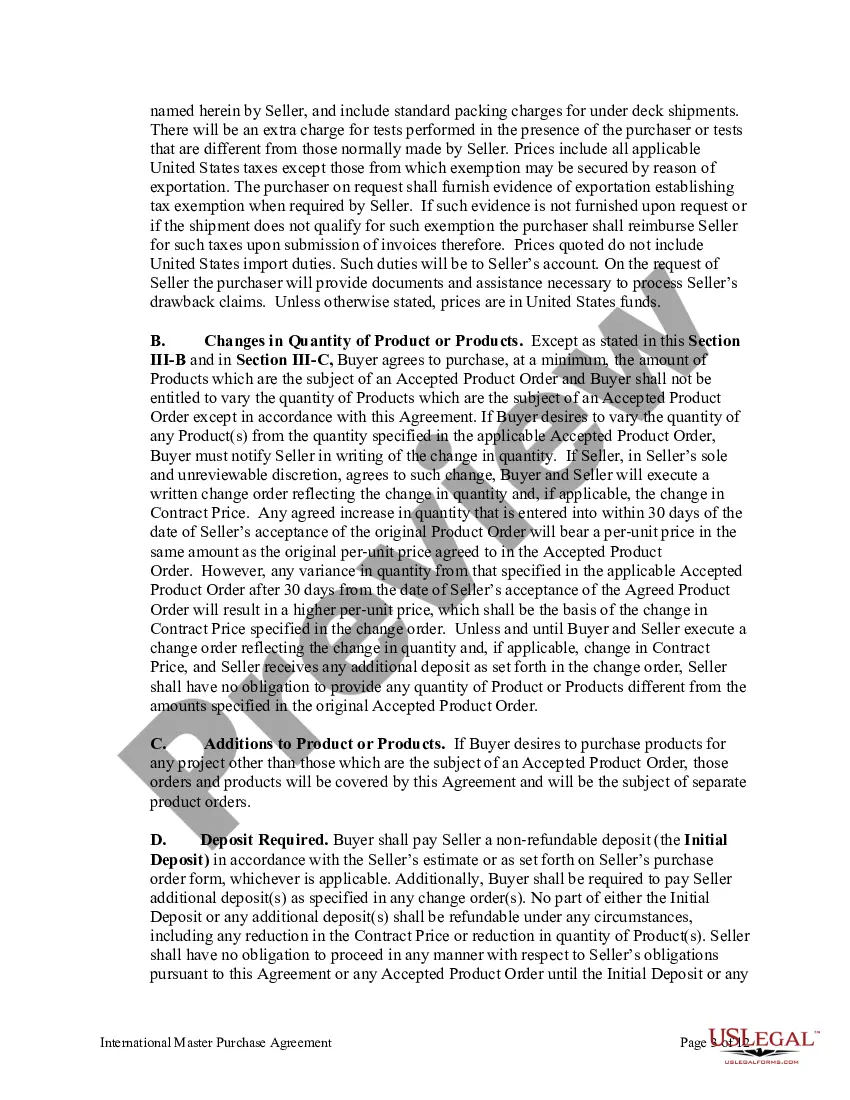
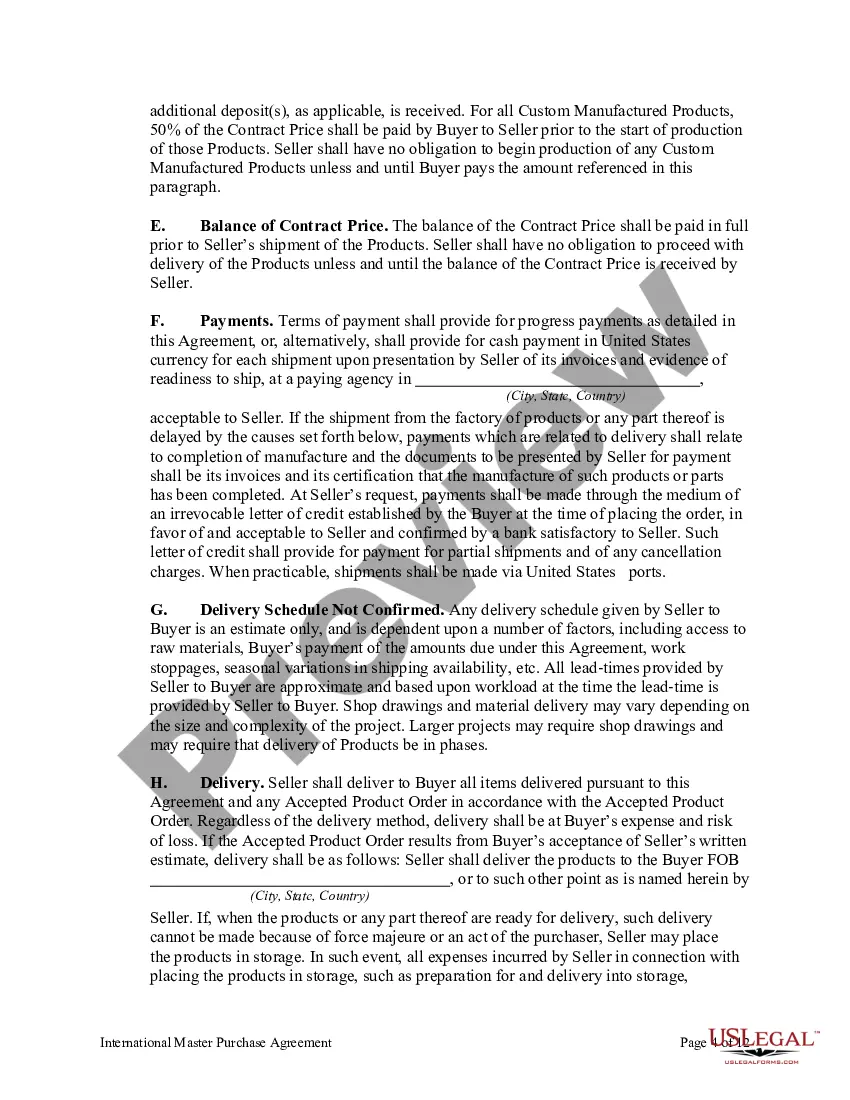
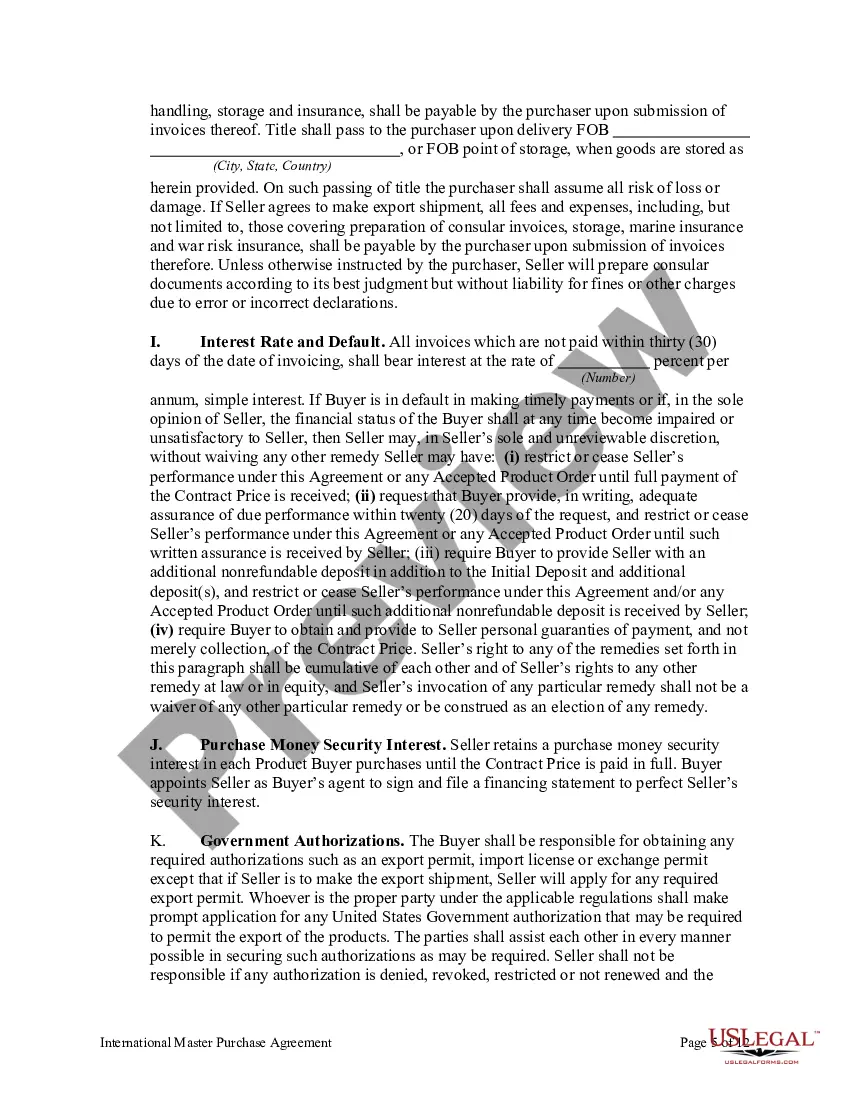
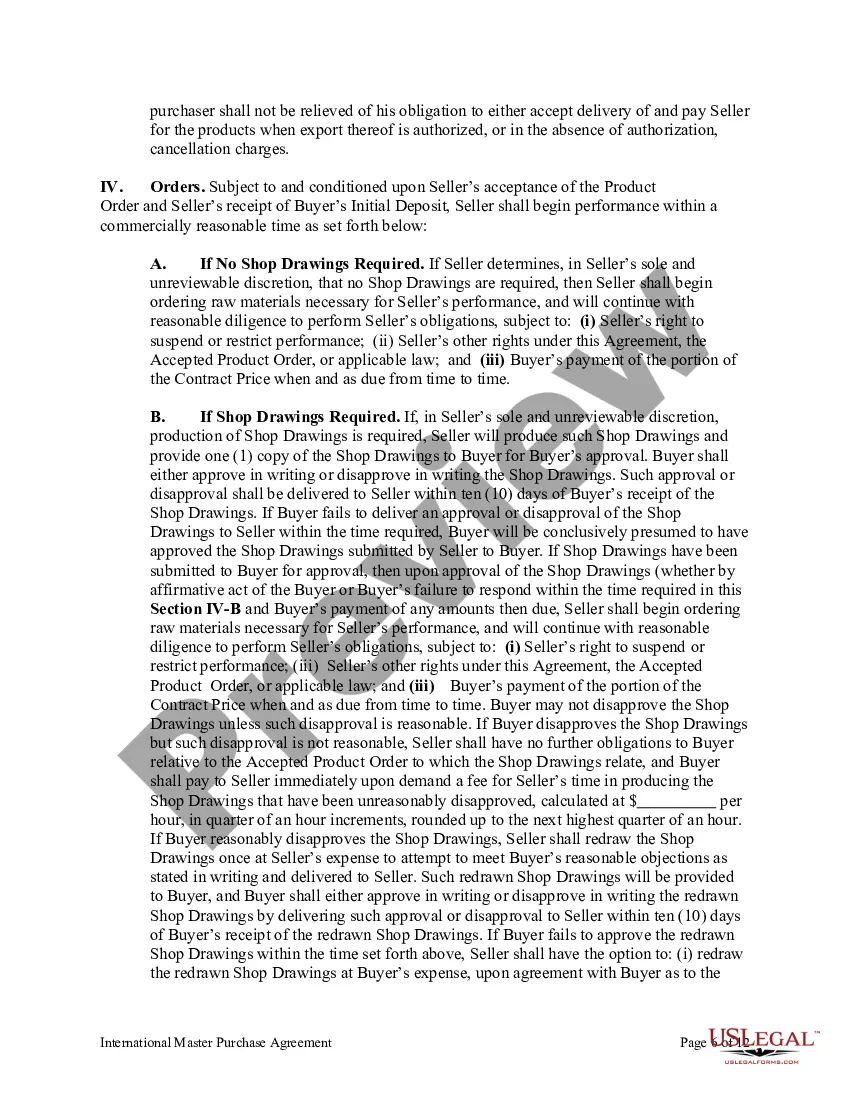



Get your form ready online
Our built-in tools help you complete, sign, share, and store your documents in one place.
Make edits, fill in missing information, and update formatting in US Legal Forms—just like you would in MS Word.
Download a copy, print it, send it by email, or mail it via USPS—whatever works best for your next step.
Sign and collect signatures with our SignNow integration. Send to multiple recipients, set reminders, and more. Go Premium to unlock E-Sign.
If this form requires notarization, complete it online through a secure video call—no need to meet a notary in person or wait for an appointment.
We protect your documents and personal data by following strict security and privacy standards.

Make edits, fill in missing information, and update formatting in US Legal Forms—just like you would in MS Word.

Download a copy, print it, send it by email, or mail it via USPS—whatever works best for your next step.

Sign and collect signatures with our SignNow integration. Send to multiple recipients, set reminders, and more. Go Premium to unlock E-Sign.

If this form requires notarization, complete it online through a secure video call—no need to meet a notary in person or wait for an appointment.

We protect your documents and personal data by following strict security and privacy standards.
Looking for another form?










Form popularity
FAQ
These steps can be summed up as follows: Identifying the issues and preparing the demands: This may include a list of grievances, such as abusive management practices or low salaries. Negotiating: The union will hire a team of professional negotiators to reach an agreement with the employer.
The 5 Stages of Collective Bargaining Preparing for bargaining. Conducting negotiations. Ratifying the contract. Resolving a contract dispute. Changing or clarifying the contract.
The kinds of terms and conditions covered by a collective agreement typically include wages and benefits, as well as terms and conditions of employment that relate to e.g., job postings; obligations and responsibilities of the employer, the employee and the union; and a dispute resolution process (usually a grievance ...
Most Collective Bargaining Agreements contain the following common elements: (1) a union recognition clause, (2) a management rights clause, (3) union rights provisions, (4) prohibitions on strikes and lockouts, (5) a union security clause, (6) nondiscrimination provisions, (7) grievance and arbitration procedures, (8) ...
5 stages of collective bargaining Preparation. During the first stage, a group of employees meets several times to decide what they want to negotiate. Establishing representatives. Opening. Trading. Agreement. More employee training and support. Better compensation and benefits. Improvement in workplace conditions.
There are four types of bargaining exercises: Conjunctive or Distributive Bargaining, Integrative or Co-operative Bargaining, Composite Bargaining and Productivity Bargaining. A number of bargaining models have their roots in social psychology.
If the majority of members who participate in the ratification vote agree that the proposed changes to the collective agreement are acceptable, then the agreement becomes effective on the date specified.
The notice of initiation of bargaining is a signed letter by the union or the employer that says that the party intends to bargain for a collective agreement. It also names the intended parties to bargaining and states who or what type of work the agreement is intended to cover (coverage clause).
The 5 Stages of Collective Bargaining Preparing for bargaining. Conducting negotiations. Ratifying the contract. Resolving a contract dispute. Changing or clarifying the contract.
Collective bargaining is a process through which the union and employer exchange proposals, share ideas, mutually solve problems, and reach a written agreement. Most times, bargaining occurs when an existing contract is going to expire.
