Master Sales Agreement For Car In Virginia
Description


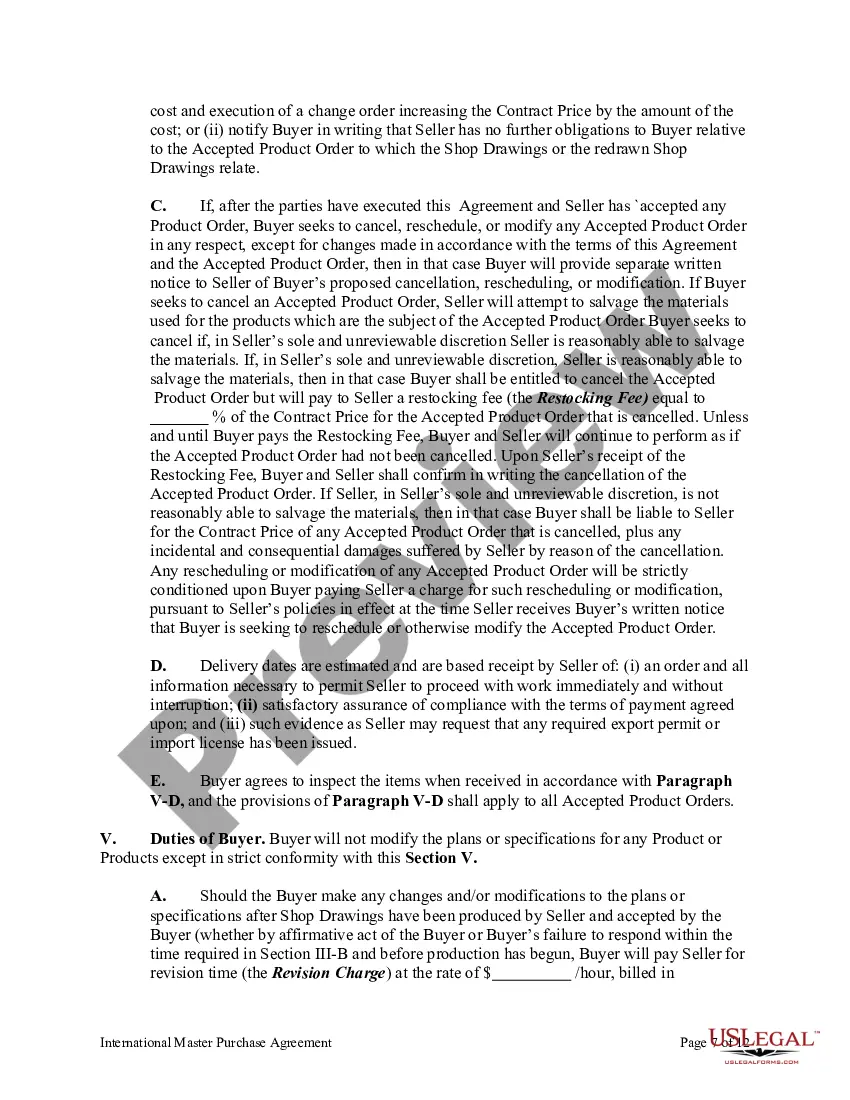
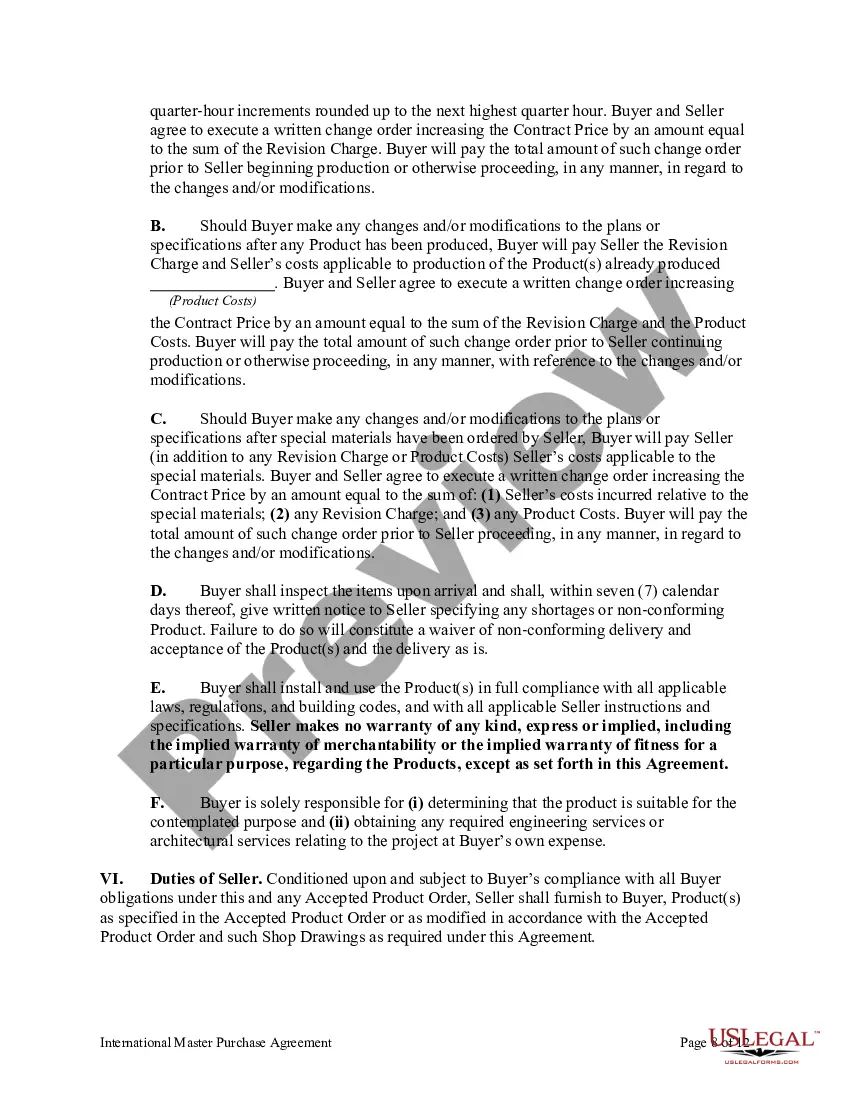
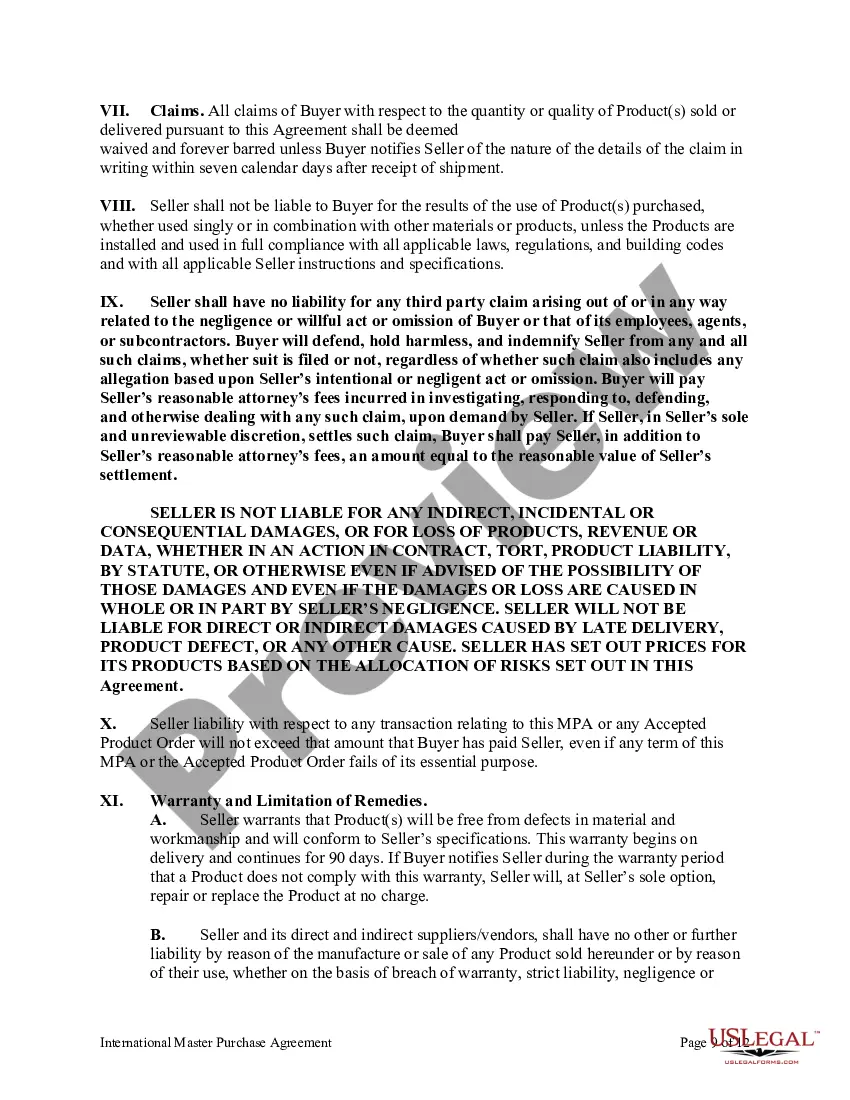
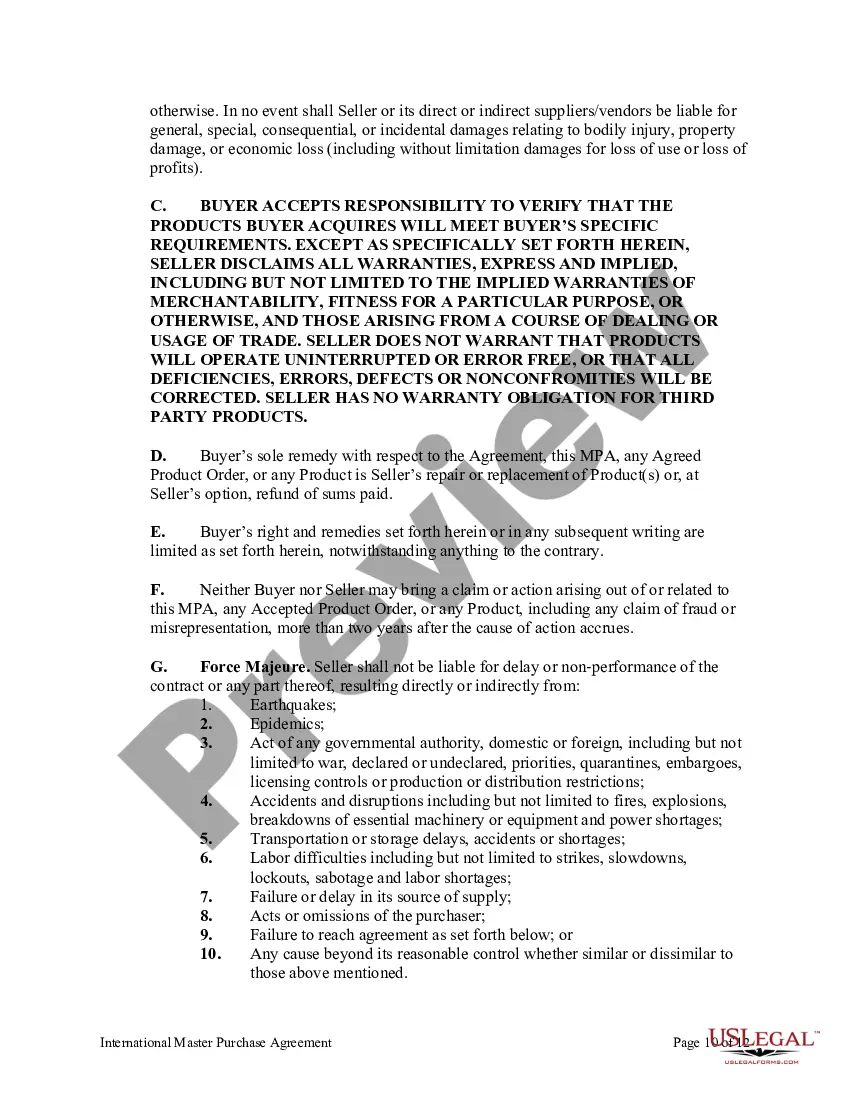



Get your form ready online
Our built-in tools help you complete, sign, share, and store your documents in one place.
Make edits, fill in missing information, and update formatting in US Legal Forms—just like you would in MS Word.
Download a copy, print it, send it by email, or mail it via USPS—whatever works best for your next step.
Sign and collect signatures with our SignNow integration. Send to multiple recipients, set reminders, and more. Go Premium to unlock E-Sign.
If this form requires notarization, complete it online through a secure video call—no need to meet a notary in person or wait for an appointment.
We protect your documents and personal data by following strict security and privacy standards.

Make edits, fill in missing information, and update formatting in US Legal Forms—just like you would in MS Word.

Download a copy, print it, send it by email, or mail it via USPS—whatever works best for your next step.

Sign and collect signatures with our SignNow integration. Send to multiple recipients, set reminders, and more. Go Premium to unlock E-Sign.

If this form requires notarization, complete it online through a secure video call—no need to meet a notary in person or wait for an appointment.

We protect your documents and personal data by following strict security and privacy standards.
Looking for another form?









Form popularity
FAQ
By state law, Virginia offers tax relief for vehicle taxes. The state will subsidize the taxes owed on the first $20,000 of a vehicle's assessed value. This state tax relief is only available for personal vehicles. Business vehicles are not included in the state tax relief.
Vehicle Tax Rate The tax rate for most vehicles is $4.57 per $100 of assessed value. For properties included in a special subclass, the tax rate is $0.01 per $100 of assessed value. No Plate Tax: $100 is assessed annually on vehicles that do not display current Virginia license plates as required by law. (
Any motor vehicle normally parked, garaged, or stored in the county or on a United States military base within the geographic boundaries of the county and registered in this state or any other jurisdiction whose owner is on full-time active duty in the military service absent from his state of residence or domicile may ...
Currently, Virginia does not mandate the seller's signature to be notarized. While a notarized title document is optional, confirming it with a notary can still provide additional safeguards.
To transfer a vehicle title in Virginia, you typically need the original vehicle title, a vehicle bill of sale, identification, the Application for Title and Registration (Form VSA 17A), any lien release if applicable, and an odometer disclosure statement for vehicles under 10 years old.
In the sale information section on the title, do the following: Print and sign your name as seller(s) - all owners listed on the title must sign. Provide the name and address of the buyer/recipient. Fill out the odometer reading using the odometer reading from the vehicle (do not guess or estimate) Enter the date of sale.
Sold, traded or no longer operate your vehicle? Moved out of Virginia? If so, Virginia law requires you to immediately surrender your license plates and/or vehicle registration to DMV.
Legally, you can even have a hand-written bill of sale in Virginia if it contains the same information. Many sellers and buyers notarize the Bill of Sale.
Steps Involved Complete Transfer Forms: Both parties must fill out the required title transfer forms, including the Application for a Virginia Title and Registration (Form VSA 17A). Submit Forms: Submit the completed forms to the Virginia Department of Motor Vehicles (DMV). This can be done either in person or by mail.
In most cases, a Virginia bill of sale does not require notarization. However, certain transactions, such as real estate transfers, may require notarization for validity. It's always best to consult with legal professionals for specific requirements.
