Master Sales Agreement With Payment Plan In Utah
Description


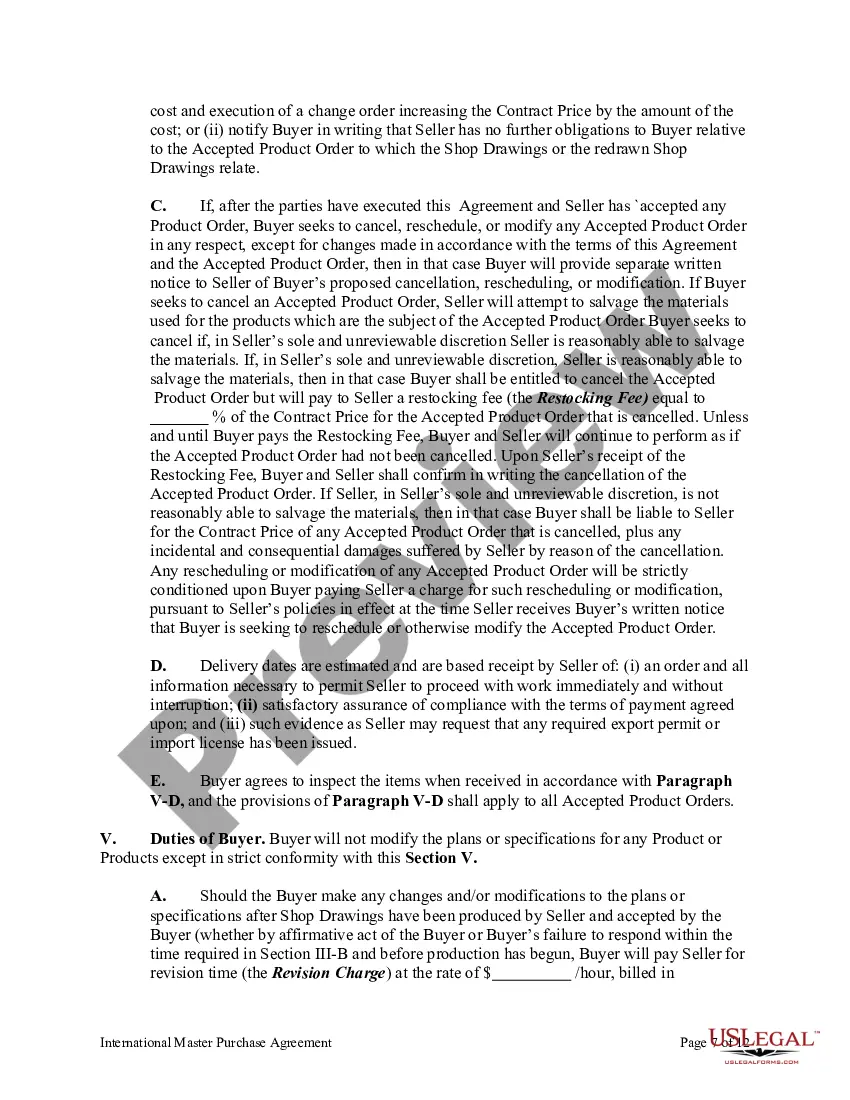
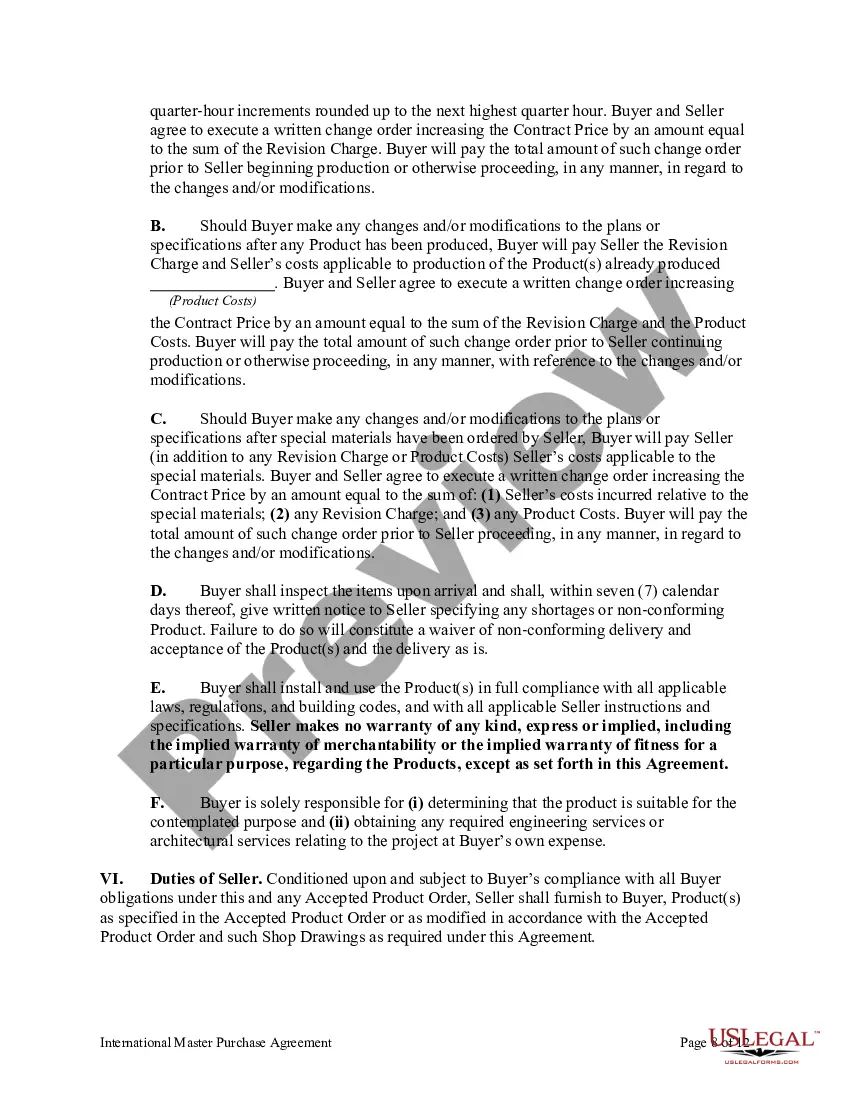
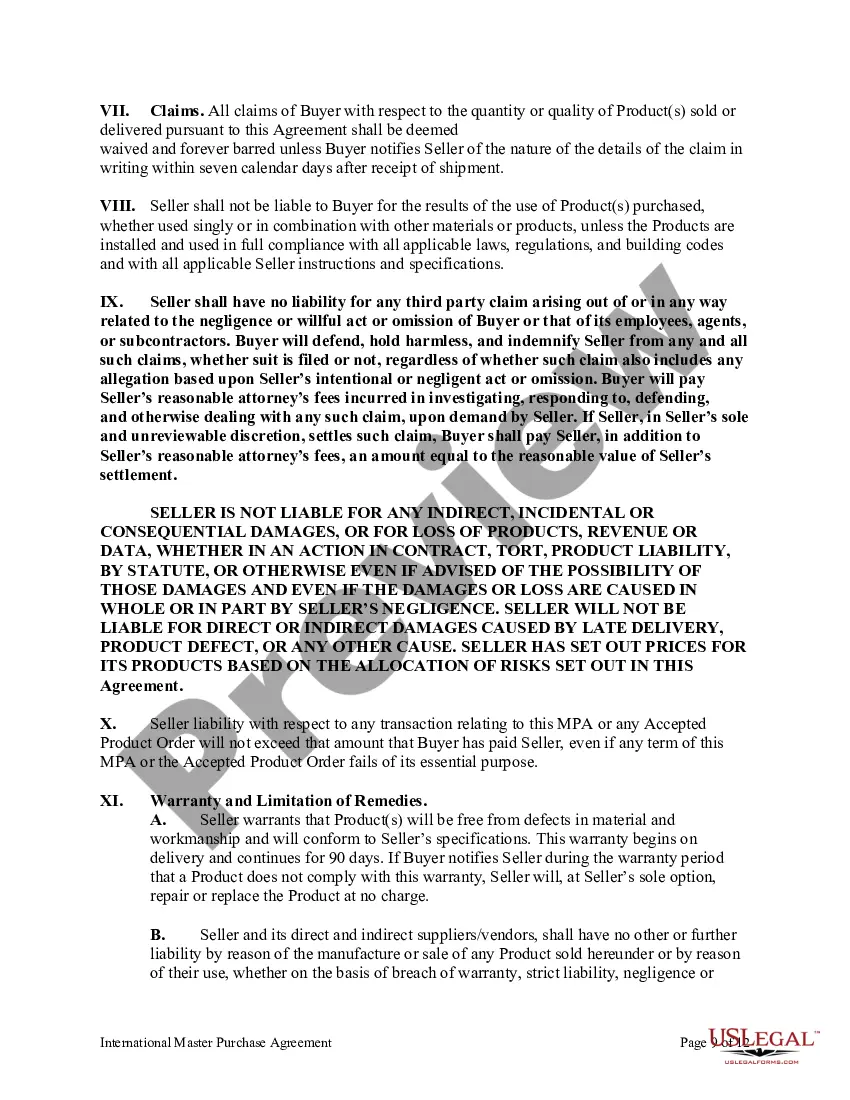
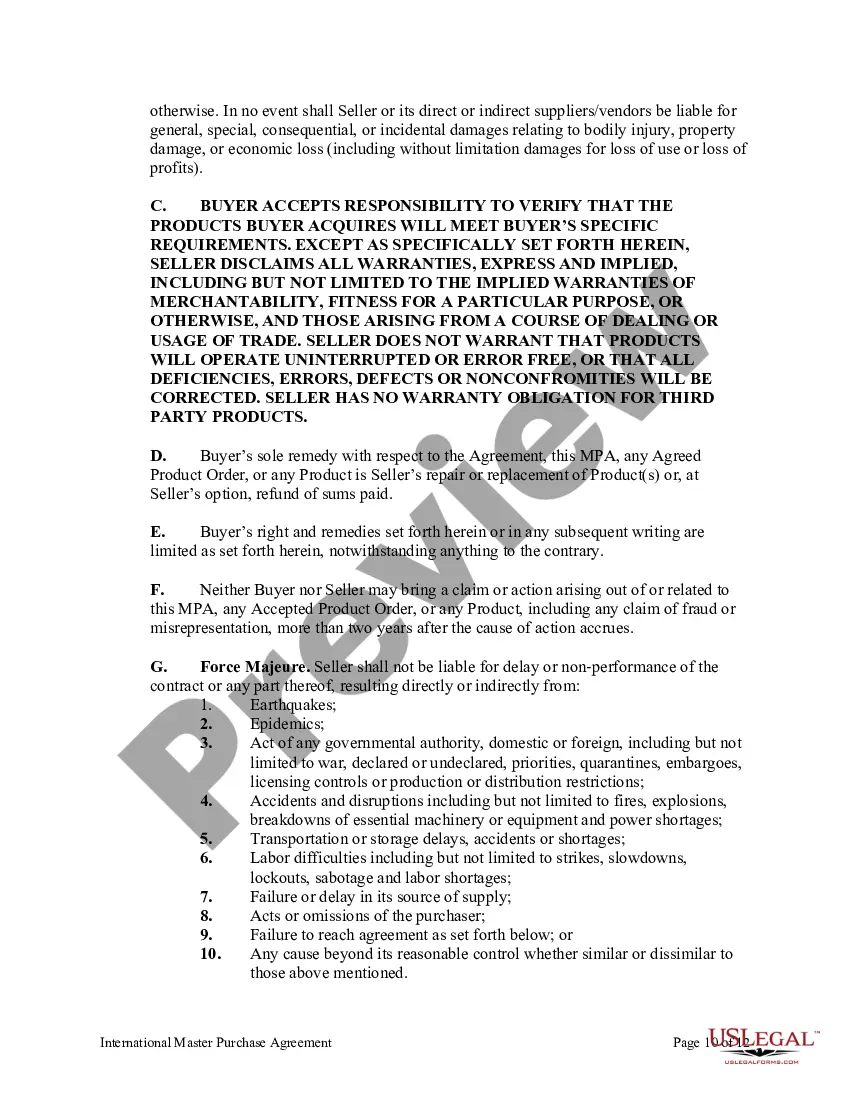



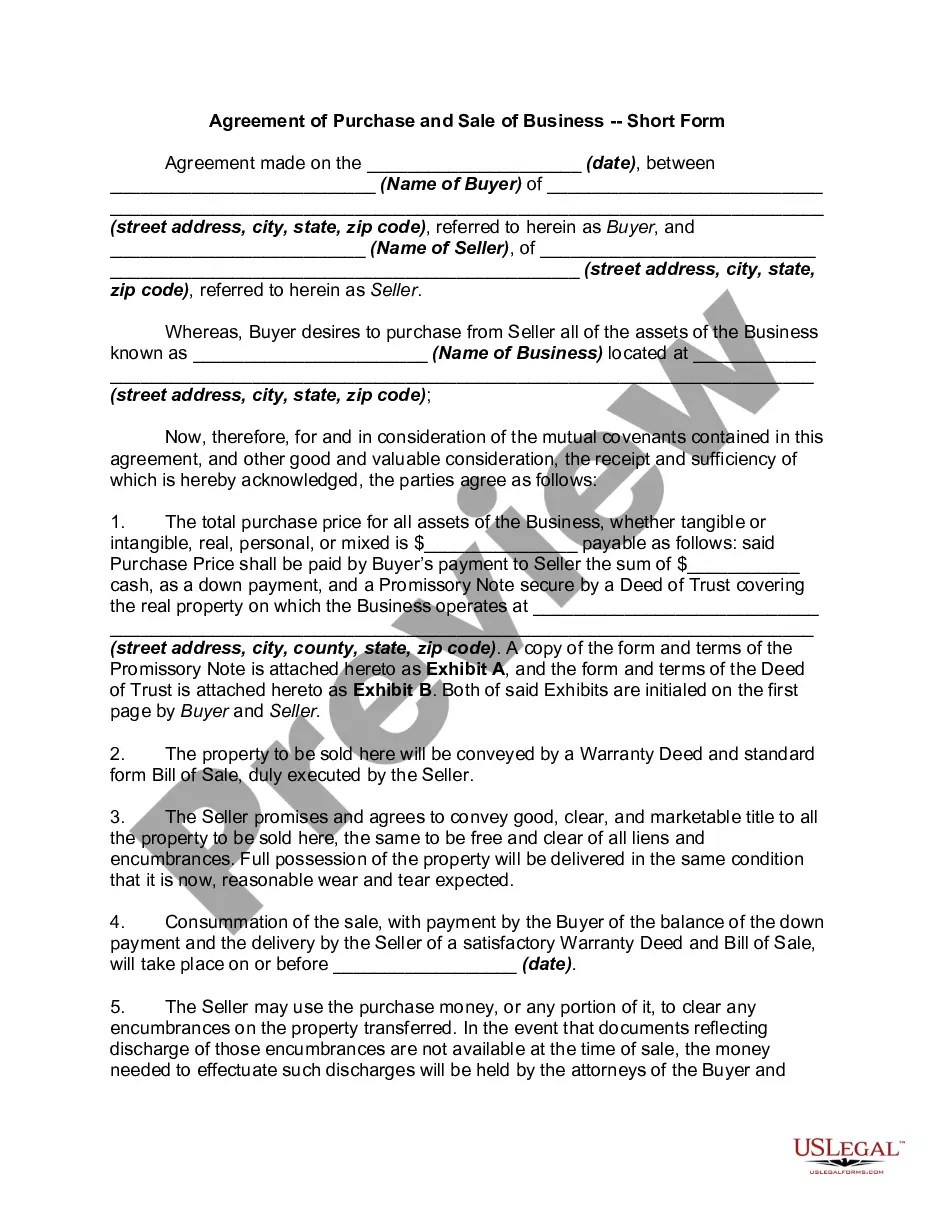
Get your form ready online
Our built-in tools help you complete, sign, share, and store your documents in one place.
Make edits, fill in missing information, and update formatting in US Legal Forms—just like you would in MS Word.
Download a copy, print it, send it by email, or mail it via USPS—whatever works best for your next step.
Sign and collect signatures with our SignNow integration. Send to multiple recipients, set reminders, and more. Go Premium to unlock E-Sign.
If this form requires notarization, complete it online through a secure video call—no need to meet a notary in person or wait for an appointment.
We protect your documents and personal data by following strict security and privacy standards.

Make edits, fill in missing information, and update formatting in US Legal Forms—just like you would in MS Word.

Download a copy, print it, send it by email, or mail it via USPS—whatever works best for your next step.

Sign and collect signatures with our SignNow integration. Send to multiple recipients, set reminders, and more. Go Premium to unlock E-Sign.

If this form requires notarization, complete it online through a secure video call—no need to meet a notary in person or wait for an appointment.

We protect your documents and personal data by following strict security and privacy standards.
Looking for another form?


Form popularity
FAQ
A payment plan agreement, also known as an installment agreement, is a written legal document that allows one party to make smaller payments over time to payoff a larger debt.
If you are an individual, you may qualify to apply online if: Long-term payment plan (installment agreement): You owe $50,000 or less in combined tax, penalties and interest, and filed all required returns. Short-term payment plan: You owe less than $100,000 in combined tax, penalties and interest.
The IRS might deny a payment plan if you have incomplete tax filings, owe for multiple periods, or lack consistent compliance with tax laws.
The IRS offers several different payment plan options, but taxpayers may want to first consider non-IRS options depending on their financial situation. Regardless of how someone pays, they should act quickly because tax bills get larger as long as they remain unpaid.
Individuals can use TAP to manage their Utah individual income tax accounts. You have access to file, view, or amend your Utah income tax returns (current tax return and two previous years), check the status of refunds, make payments, request a payment agreement, and request a waiver.
You will need to create an IRS Online Account, and then you can apply for a payment plan online without needing to call, mail, or visit the IRS. You will need a photo identification to create your account. If you are applying for a direct debit payment plan, you will need your bank routing and account numbers.
Frequent Questions about Taxpayer Access Point Please contact us at 801-297-2200 or taxmaster@utah for more information.
You get an automatic extension of up to six months to file your return. You do not need to file an extension form, but we will assess penalties if you have not met the prepayment requirements (see below). See instructions for line 40.
The corporate income tax in Utah as of 2025 is a flat rate of 4.55%, the same as the individual income tax rate. A flat rate can be advantageous to businesses as they grow since they don't need to worry about their taxes increasing with their profits.
Every C corporation incorporated in Utah (domestic), qualified in Utah (foreign), or doing business in Utah, whether qualified or not, must file a corporate franchise tax return. C corpora- tion returns are filed on form TC-20.
