Master Sales Agreement With Doctors In San Bernardino
Description


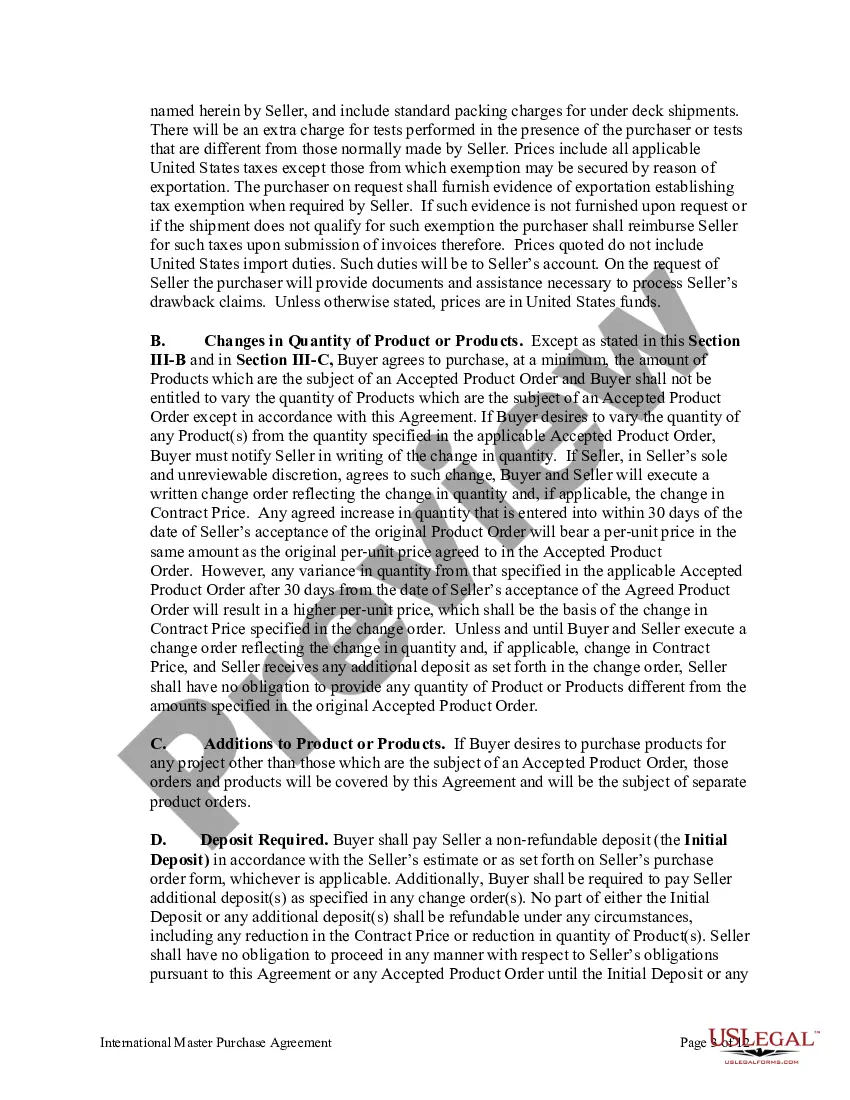
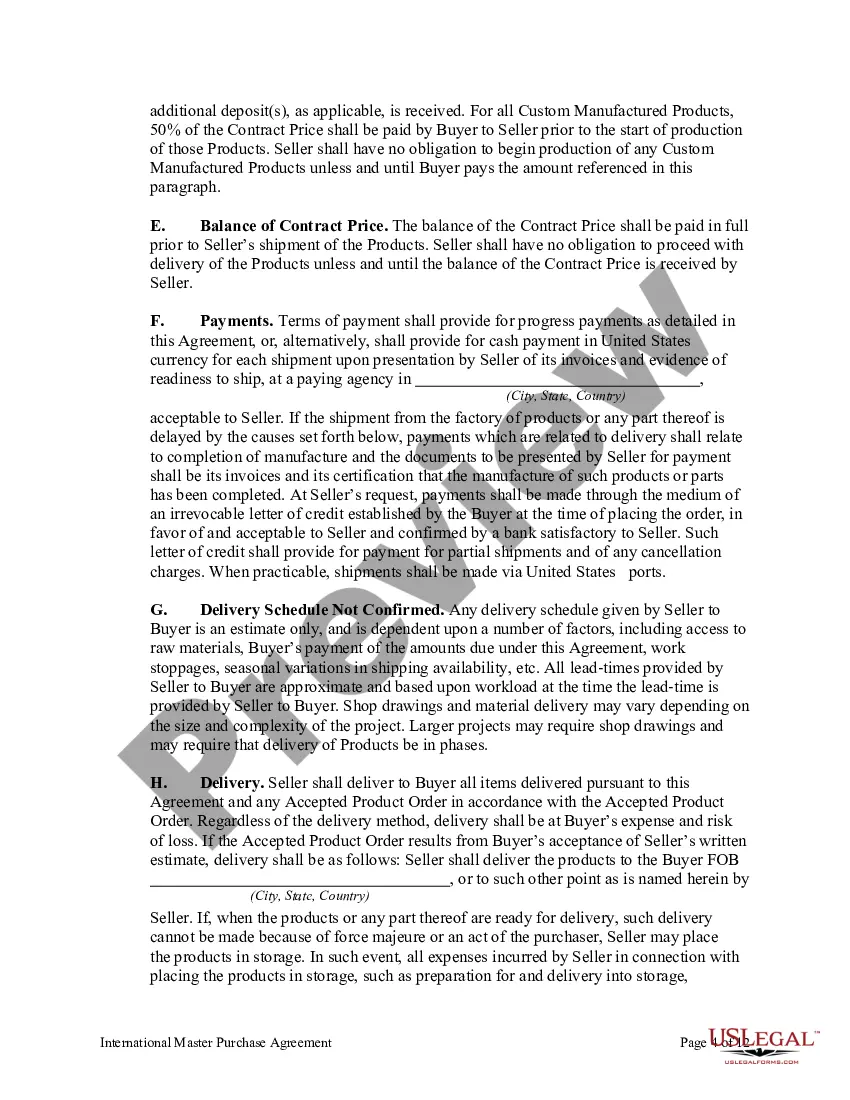
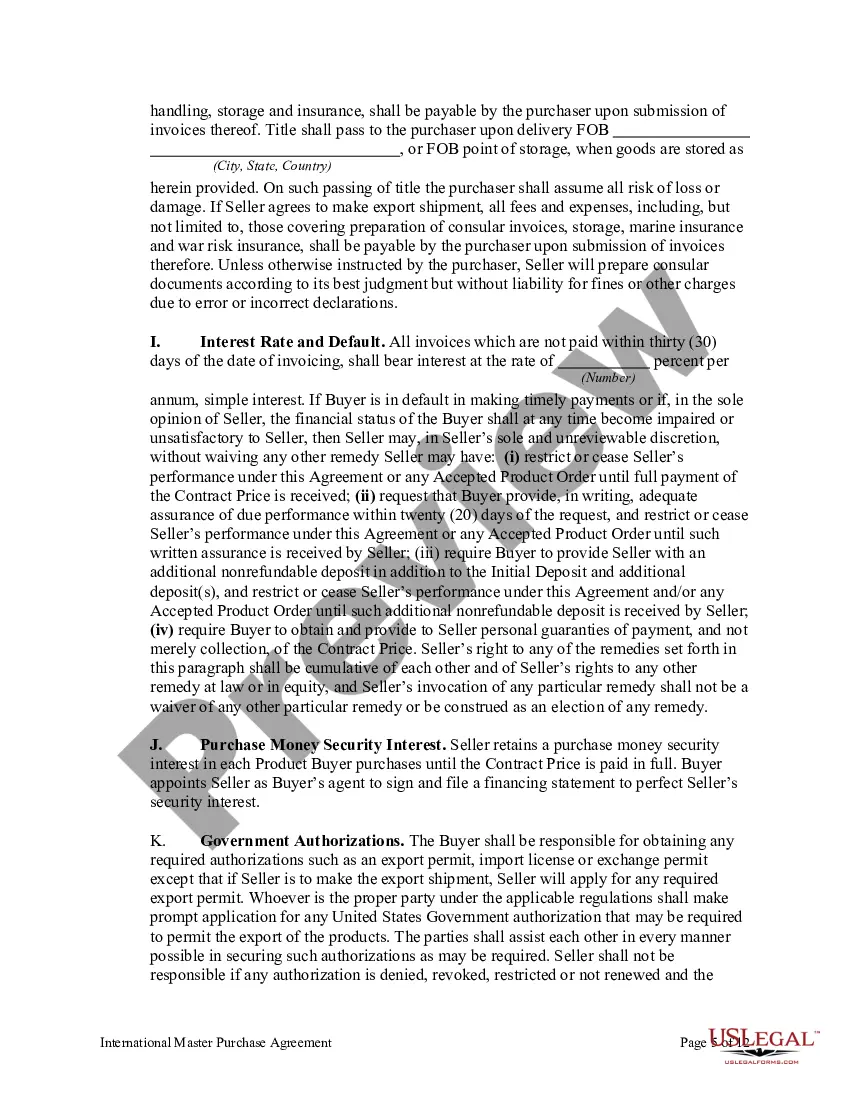
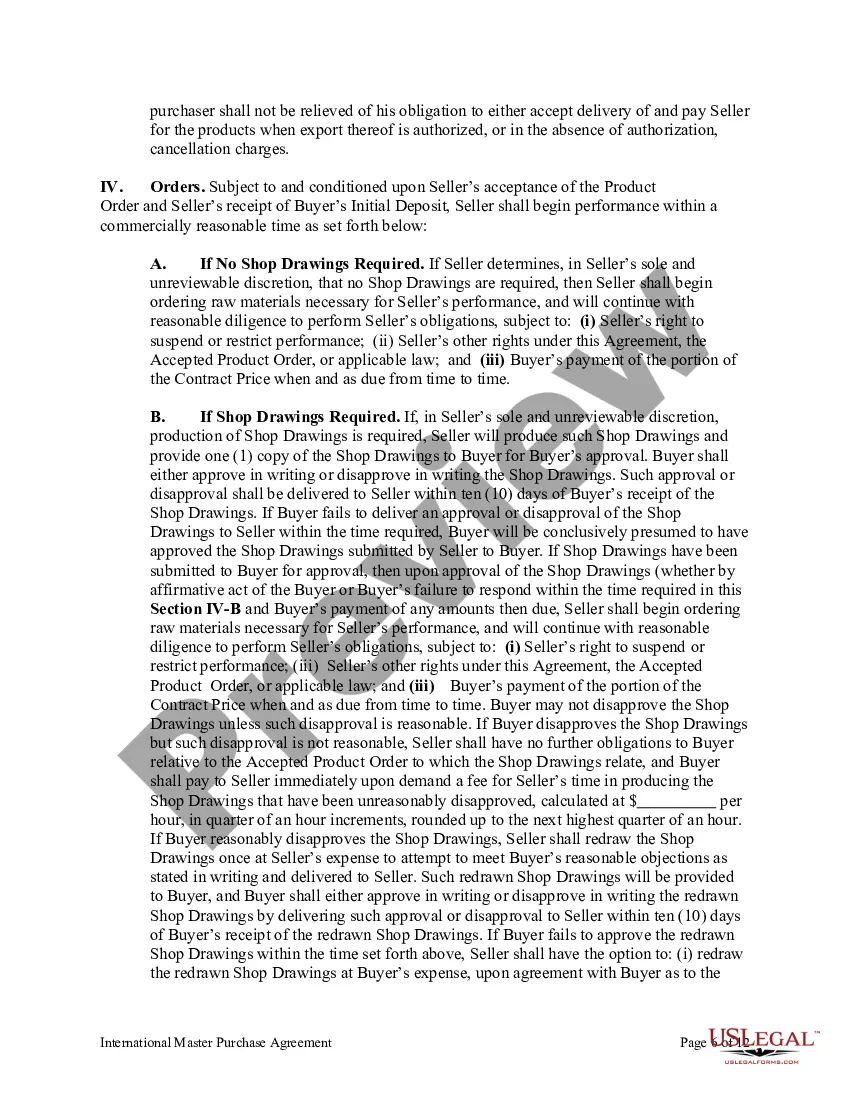



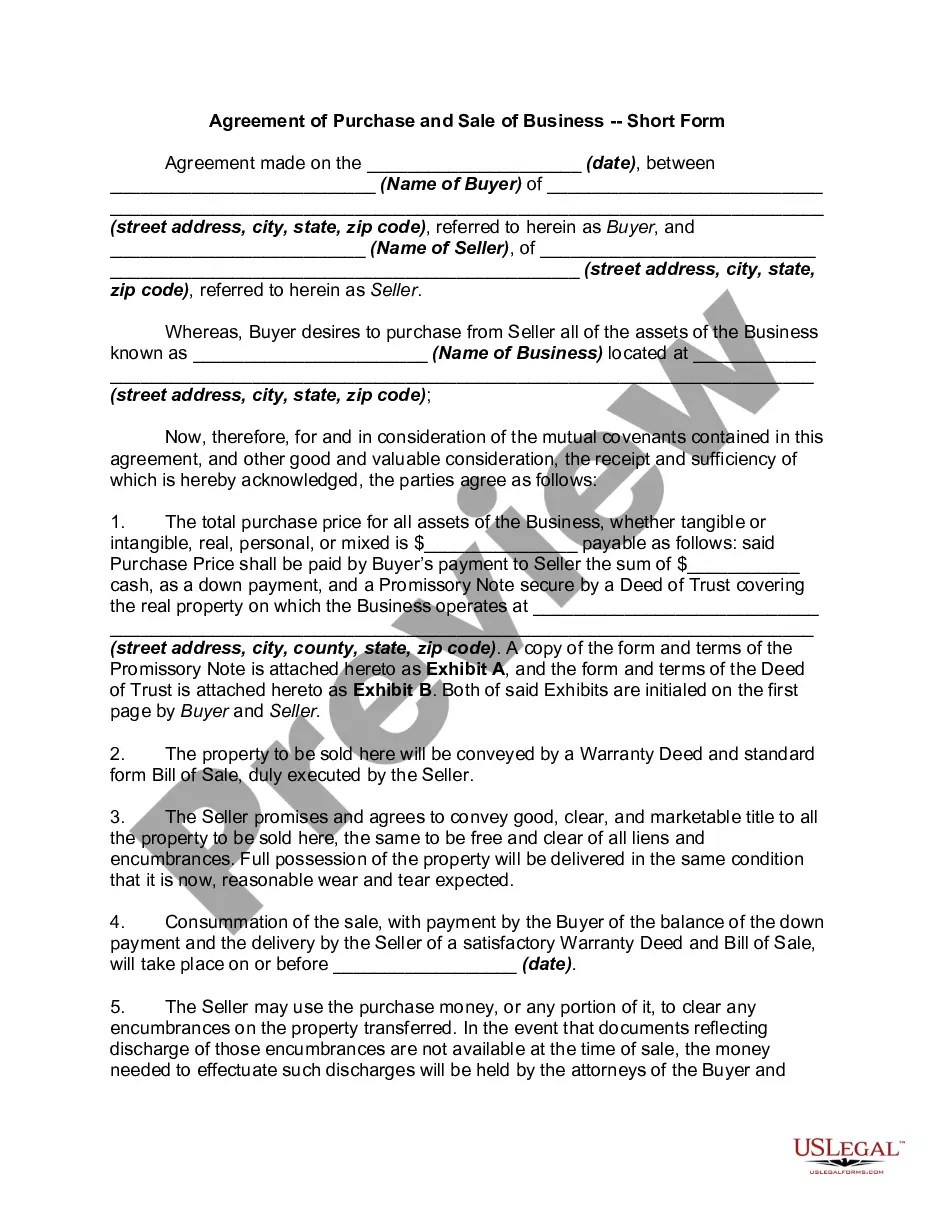
Get your form ready online
Our built-in tools help you complete, sign, share, and store your documents in one place.
Make edits, fill in missing information, and update formatting in US Legal Forms—just like you would in MS Word.
Download a copy, print it, send it by email, or mail it via USPS—whatever works best for your next step.
Sign and collect signatures with our SignNow integration. Send to multiple recipients, set reminders, and more. Go Premium to unlock E-Sign.
If this form requires notarization, complete it online through a secure video call—no need to meet a notary in person or wait for an appointment.
We protect your documents and personal data by following strict security and privacy standards.

Make edits, fill in missing information, and update formatting in US Legal Forms—just like you would in MS Word.

Download a copy, print it, send it by email, or mail it via USPS—whatever works best for your next step.

Sign and collect signatures with our SignNow integration. Send to multiple recipients, set reminders, and more. Go Premium to unlock E-Sign.

If this form requires notarization, complete it online through a secure video call—no need to meet a notary in person or wait for an appointment.

We protect your documents and personal data by following strict security and privacy standards.
Looking for another form?
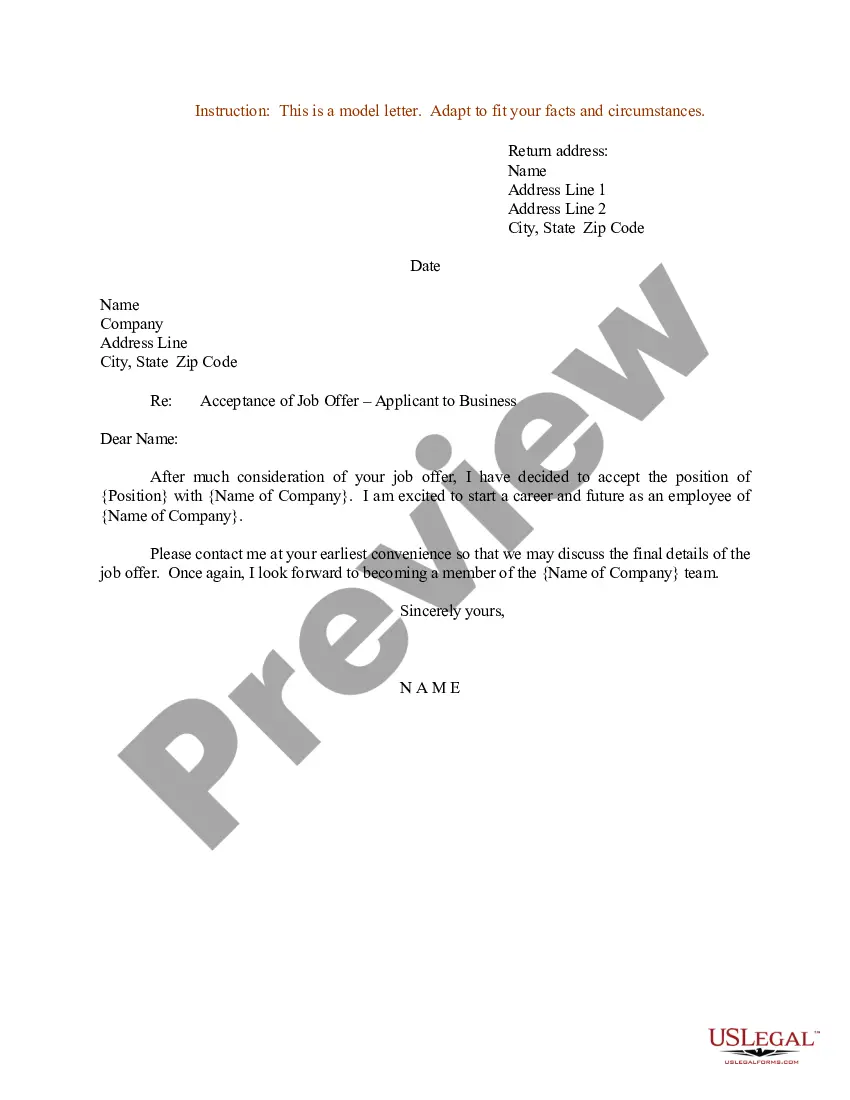

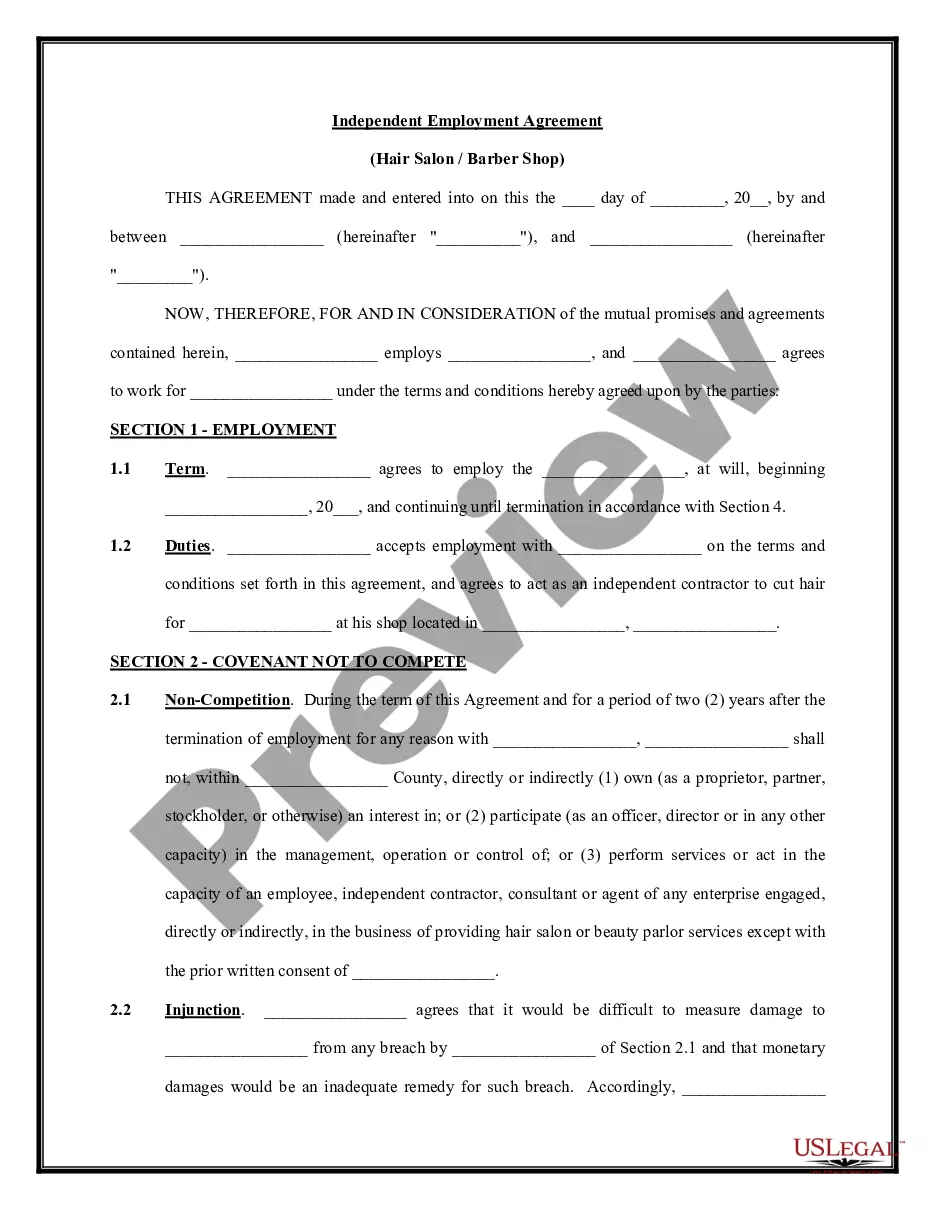






Form popularity
FAQ
Clear, explicit terms stated in simple language. Patient educated in: Actions that he/she must perform. Actions that the physician/health care team will carry out. Consequences for breach of agreement (i.e. description of how care will be altered)
Treating a person with whom the physician has an intimate relationship can lead to serious consequences and potentially result in the loss of the right to practice in some jurisdictions. For these reasons, treatment of family and friends, as well as self-treatment, should be avoided.
To some extent, any patient encounter can be viewed as contractual, whereby the patient and physician agree on mutually accepted responsibilities.
Yes. A health care practitioner can terminate a patient relationship at any time, but the practitioner may not abandon a patient and should provide continuity of care in ance with the prevailing professional standard of care.
How long are most physician contracts? They typically range from 1 to 3 years, although the specific length may vary based on factors such as type of employment (e.g. temporary, permanent), specialty, healthcare organization policies, and negotiation between the physician and the employer.
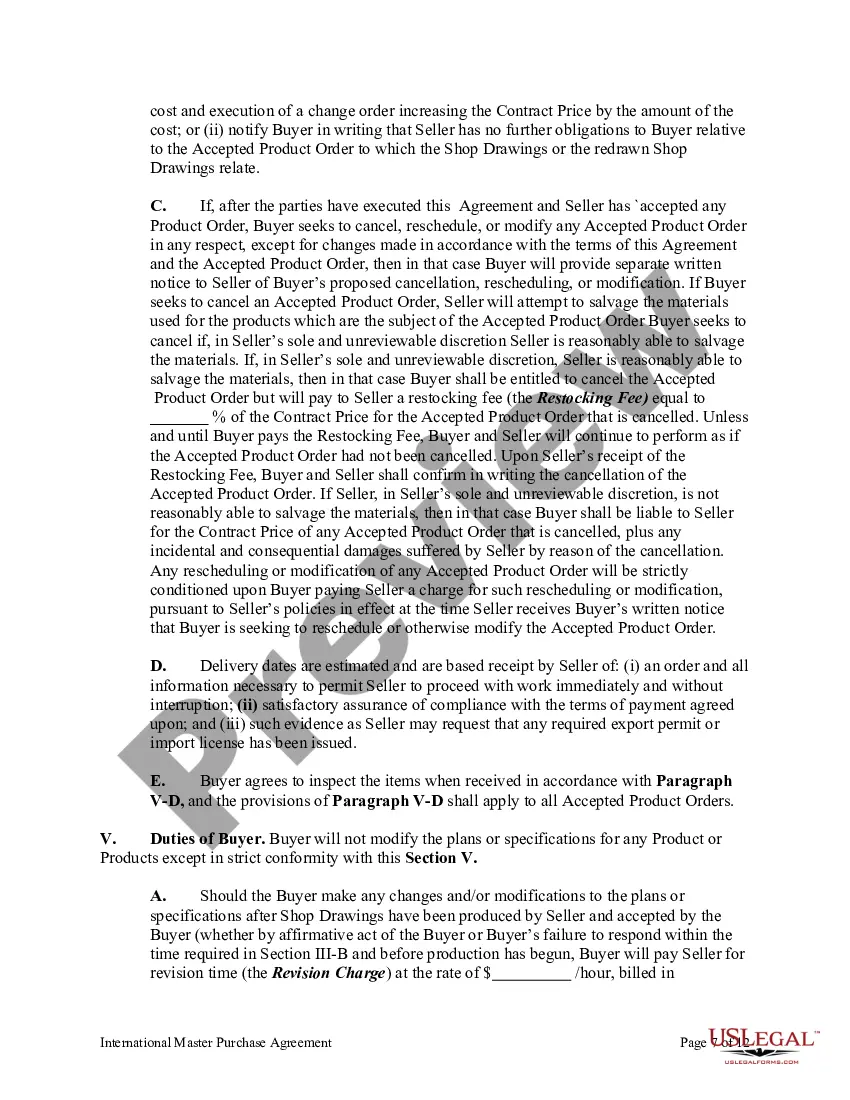
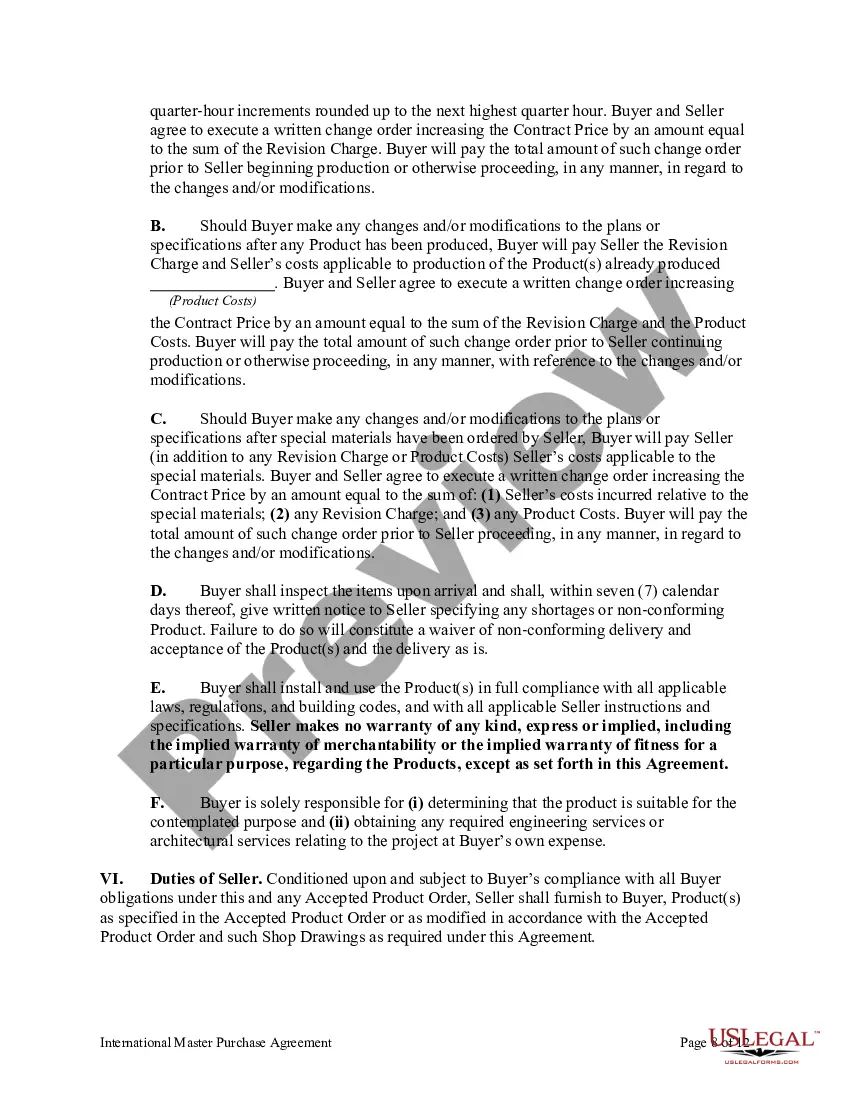
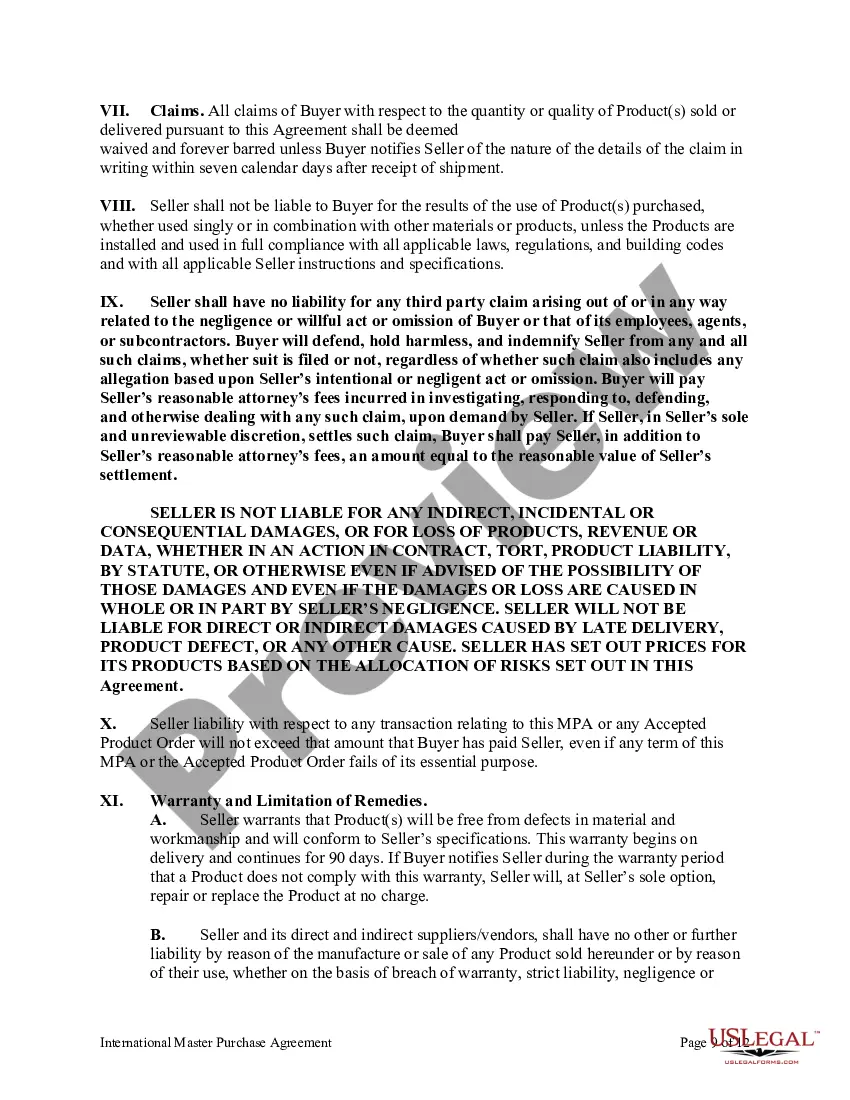
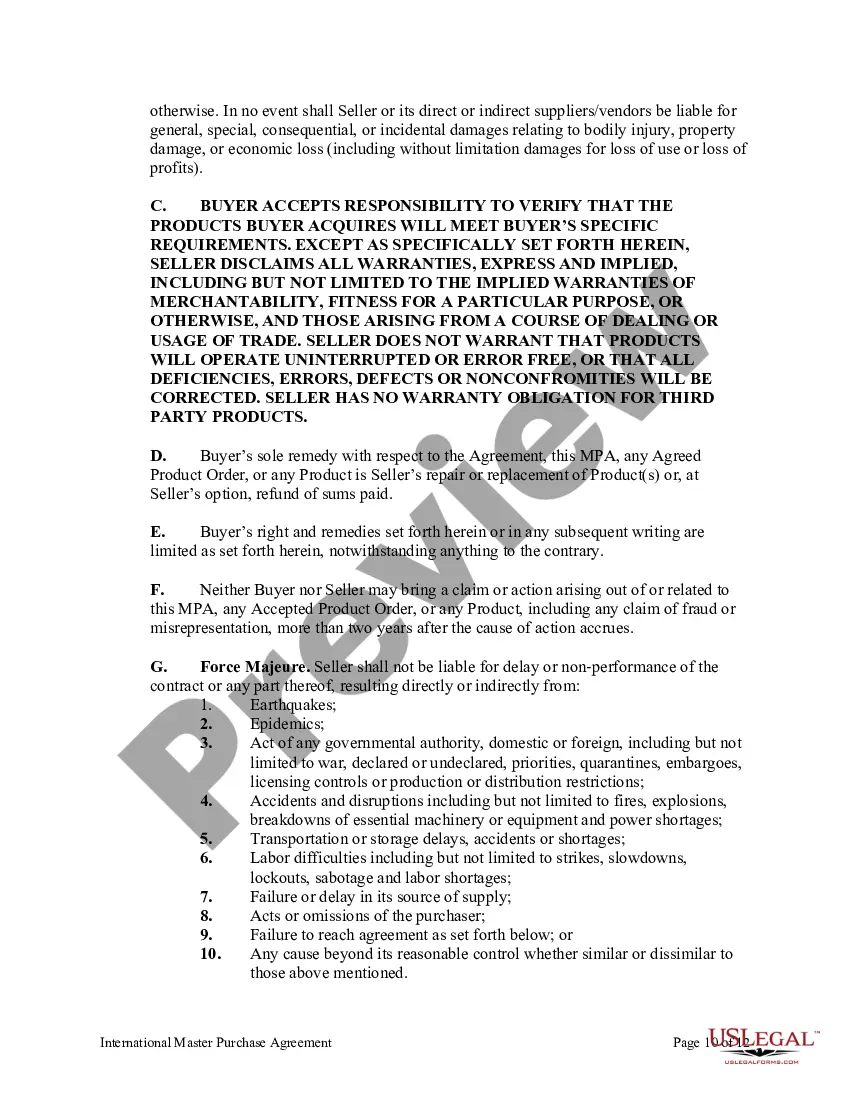
An MSA generally contains the following elements: Scope of work: ensures that both parties understand what work will be delivered. Confidentiality: protects intellectual property and other proprietary information from being disclosed. Geography: defines where the work will be performed.
One difference between an MSA and an SOW is that they regulate different aspects of a business relationship. An MSA lays the legal framework for a business relationship, especially if it's a long-term partnership or delivery of an ongoing service. An SOW contract deals with a specific transaction.
It functions as a contract between two or more parties to guarantee that essential agreements are in place before any service commences. An MSA serves to minimize disagreements by providing an unmistakable description of what the parties can expect from one another.
A Master Service Agreement provides a legal framework that protects the interests of both parties. The agreement clearly outlines the rights and responsibilities of each party, which can be essential in case of disputes or litigation.
A contract is an agreement, but an agreement is not always a contract. An agreement can be informal or it may be written; a contract may be verbal or written, but a contract will always be enforceable if it contains certain requirements.
