Master Agreement In In Mecklenburg
Description


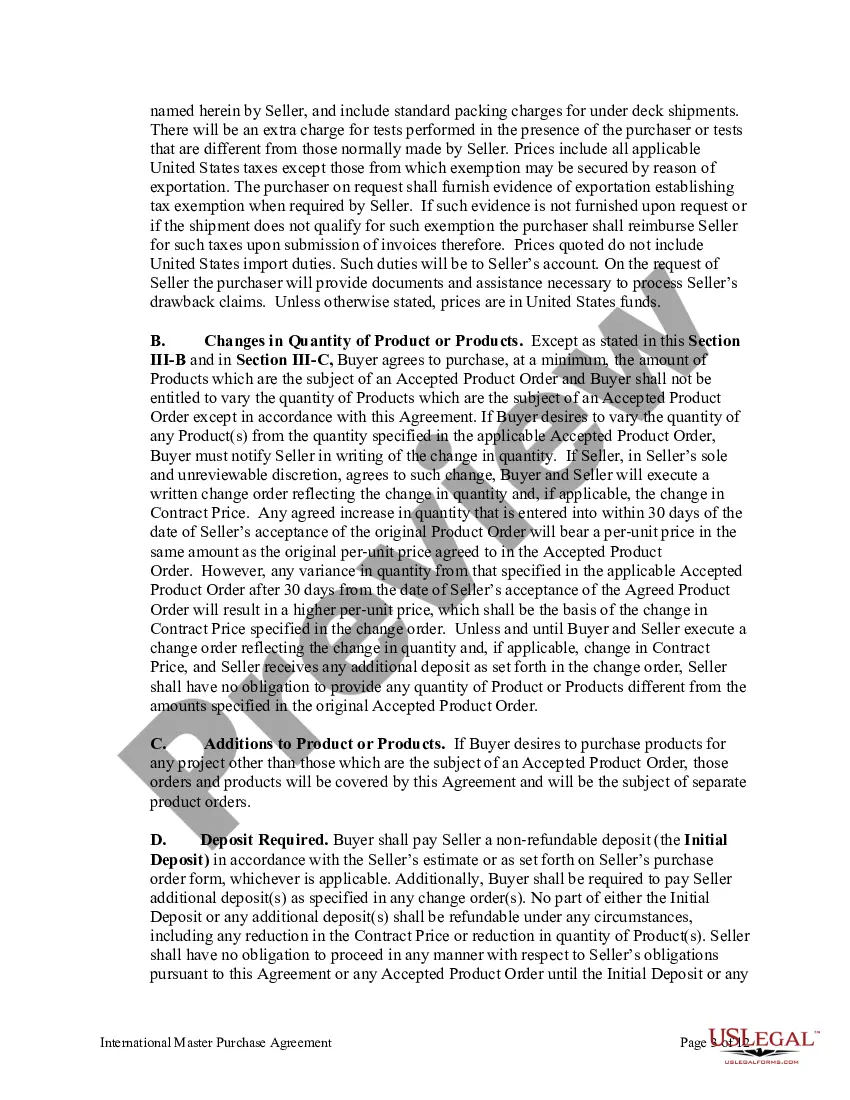
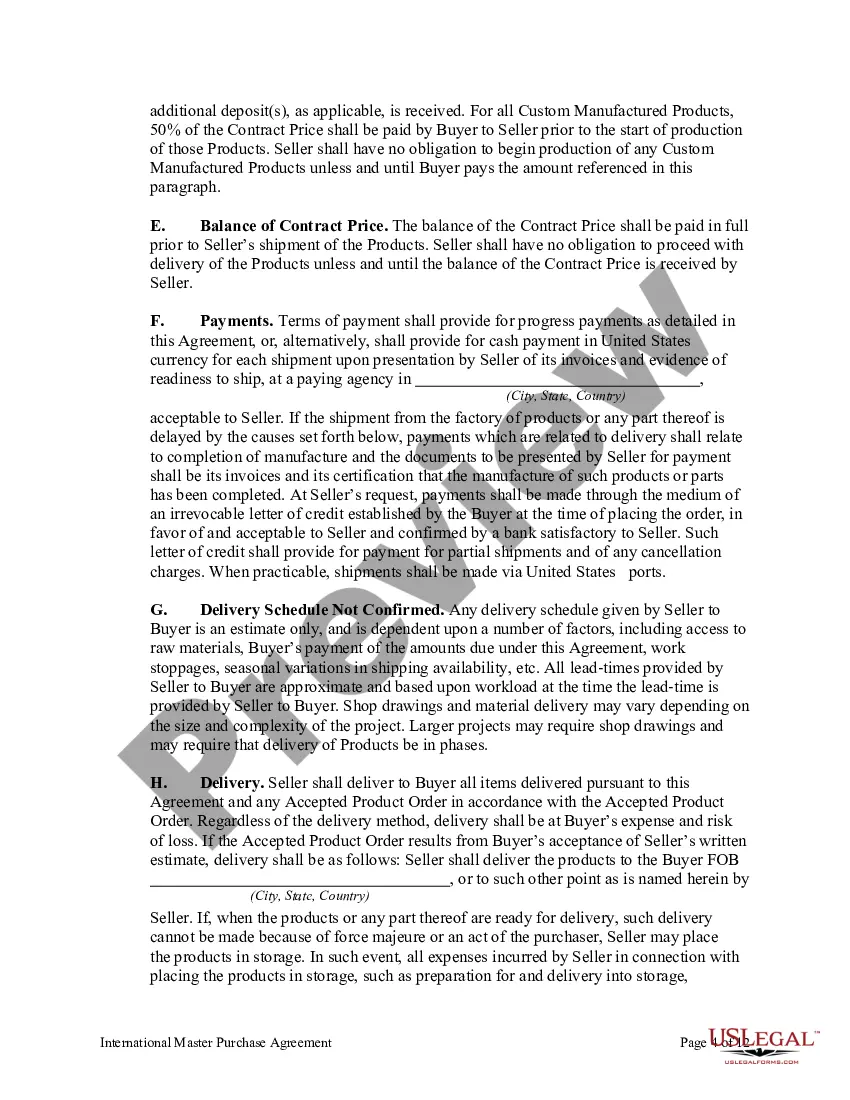
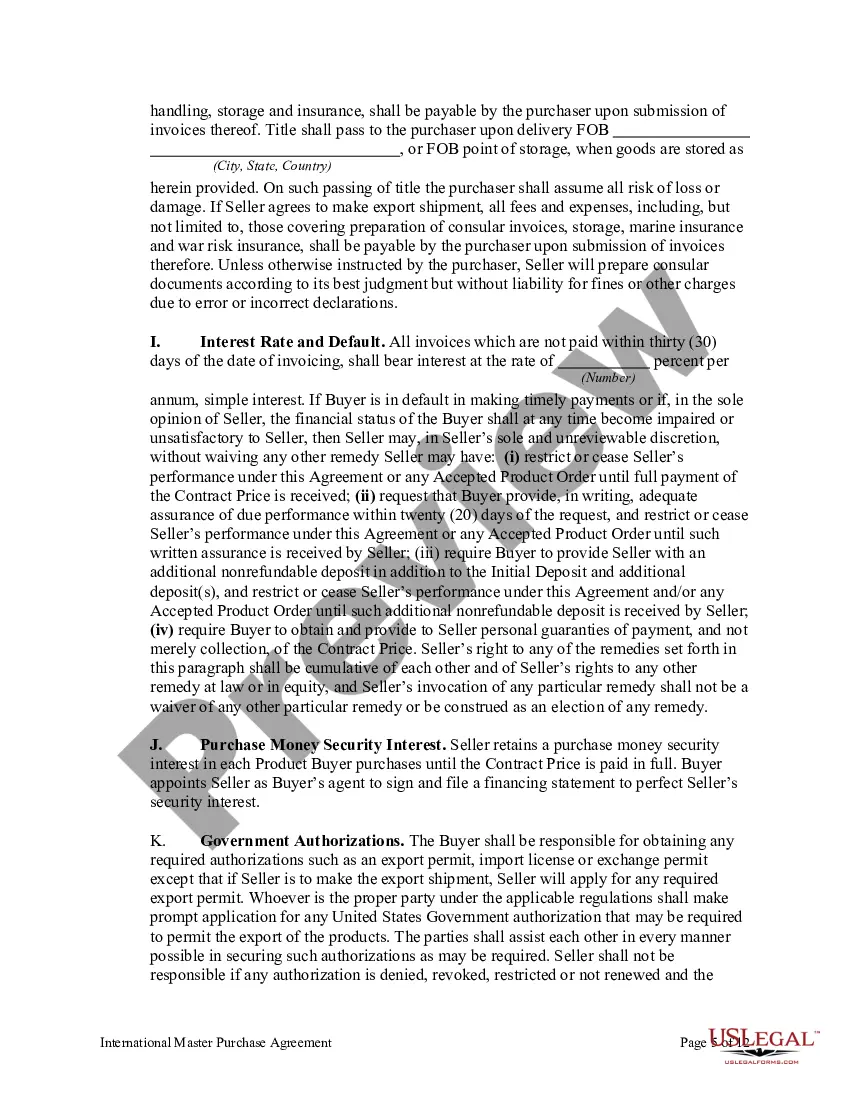
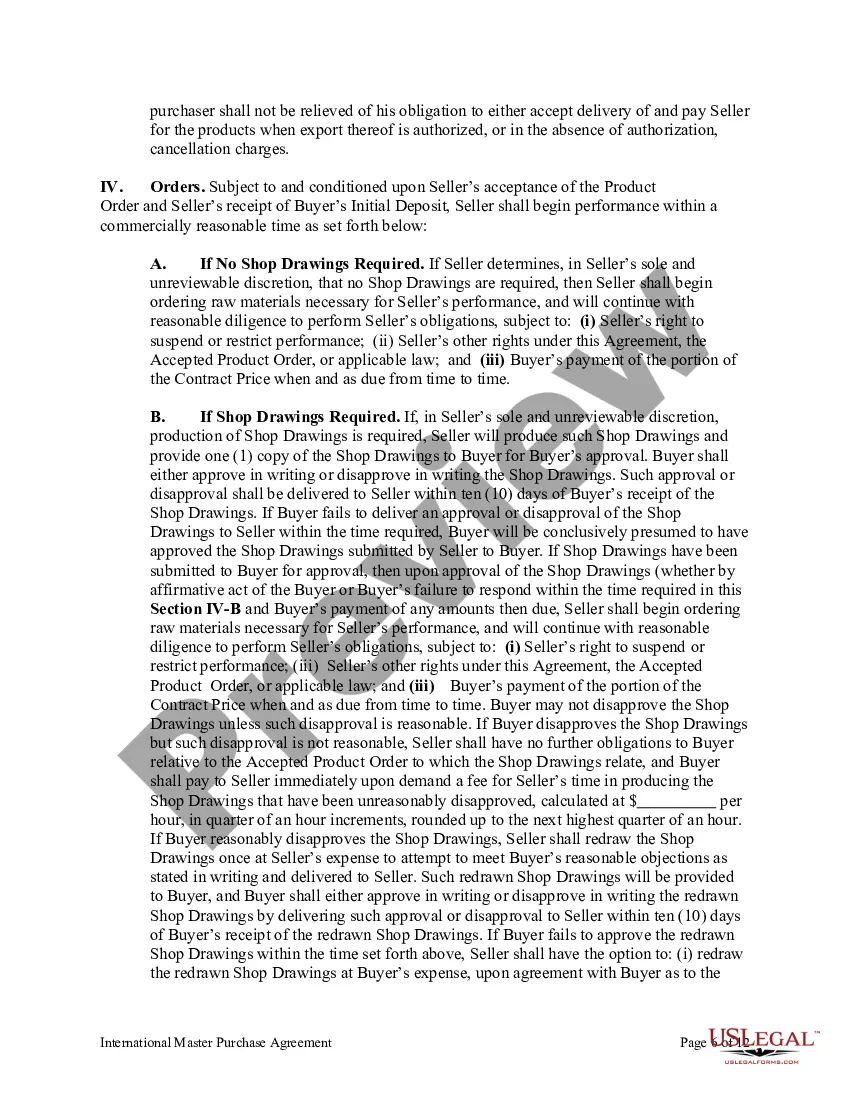
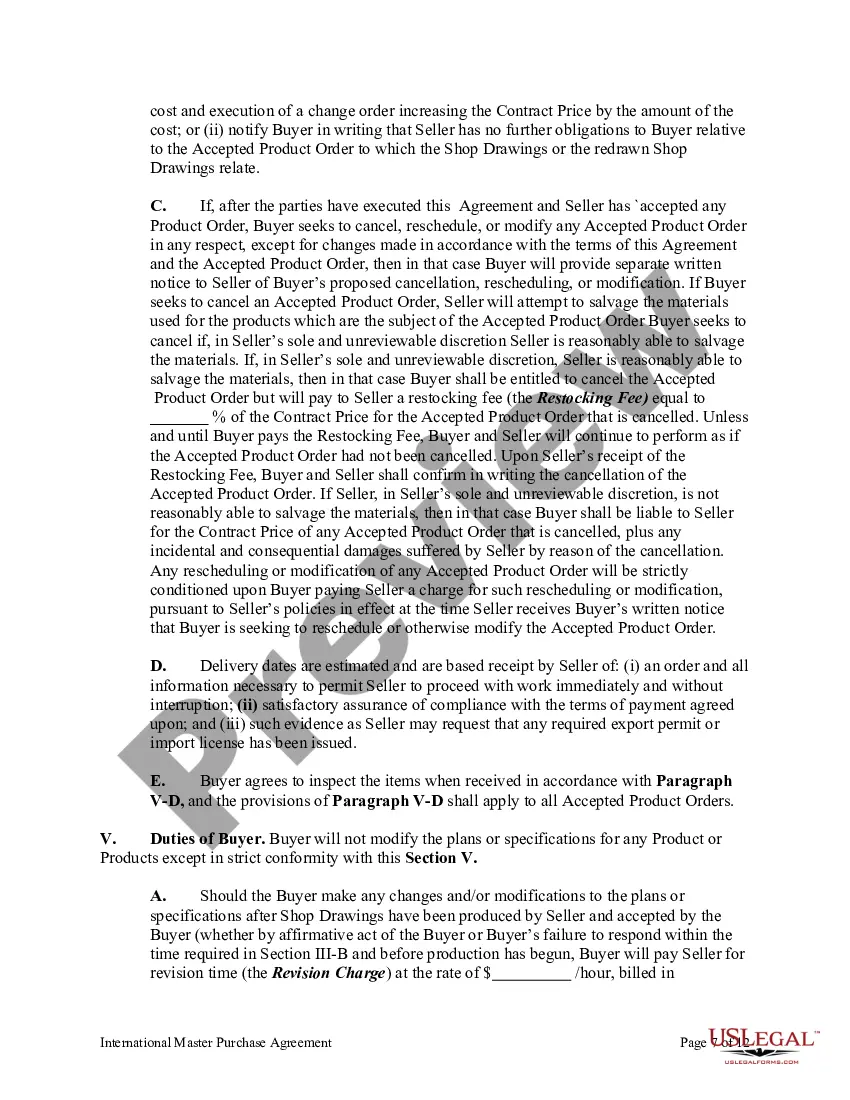
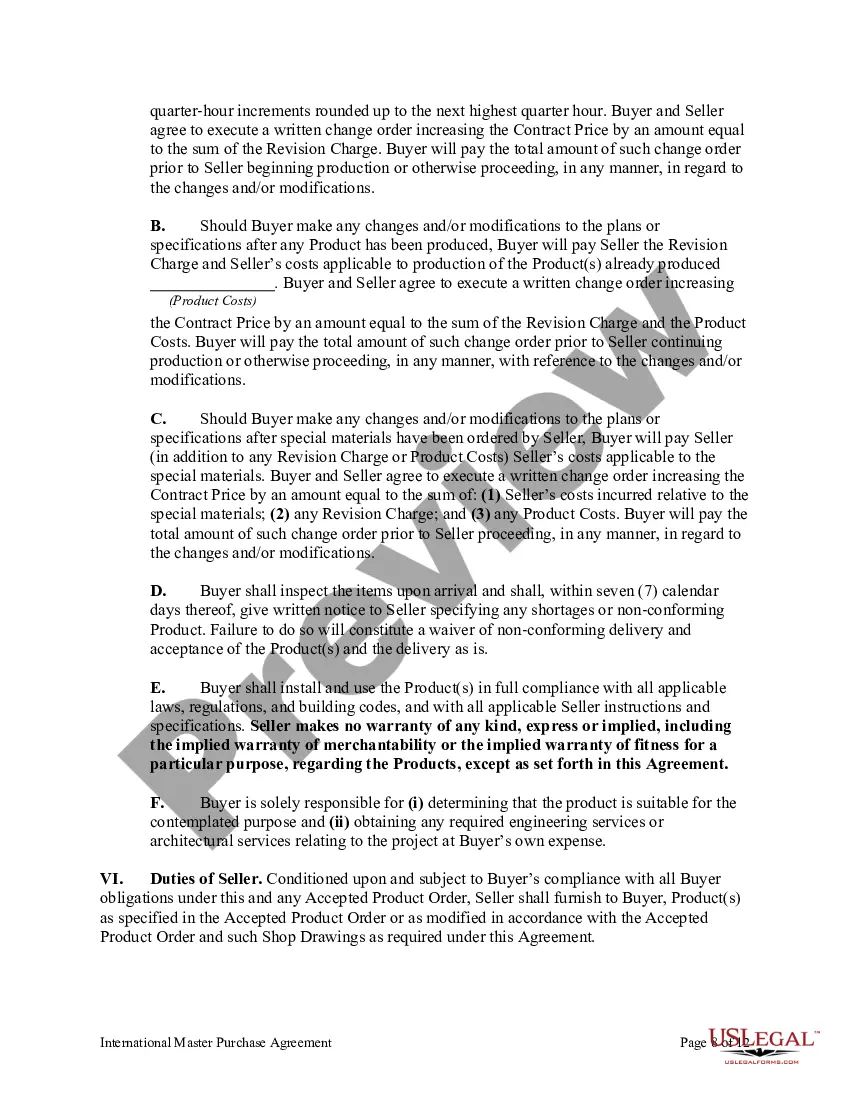
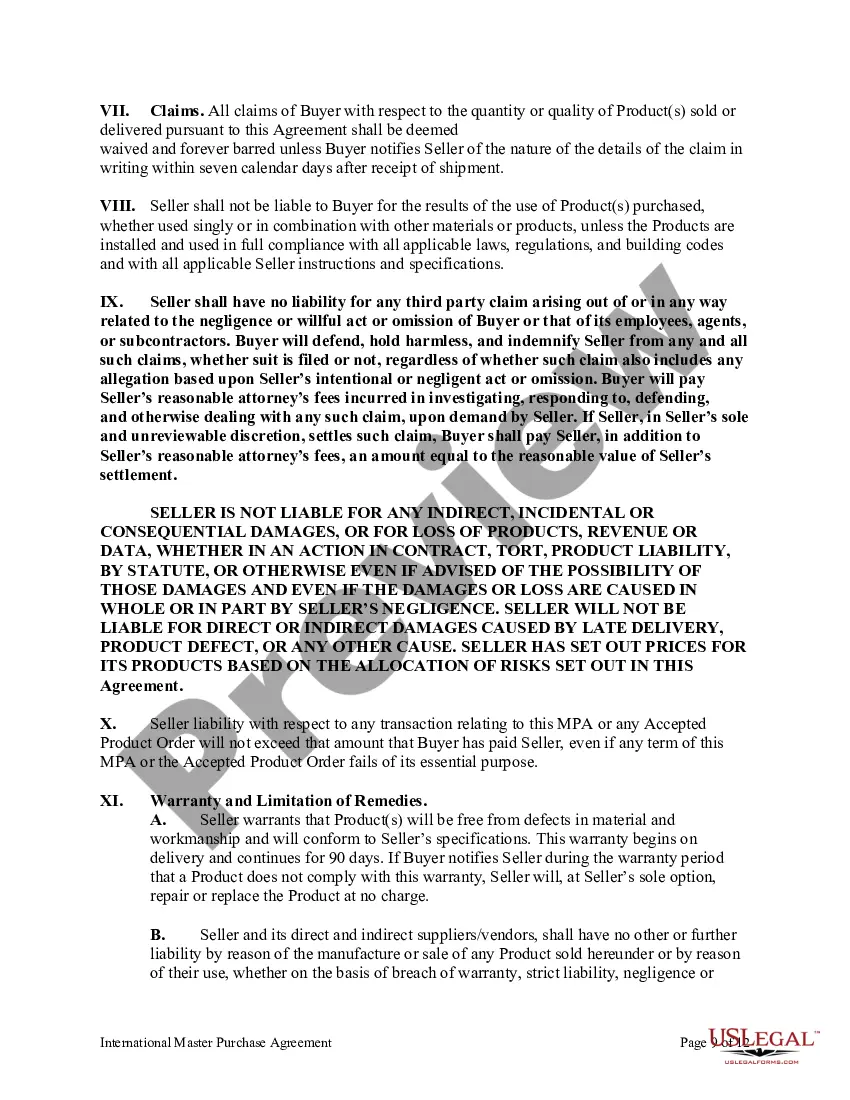
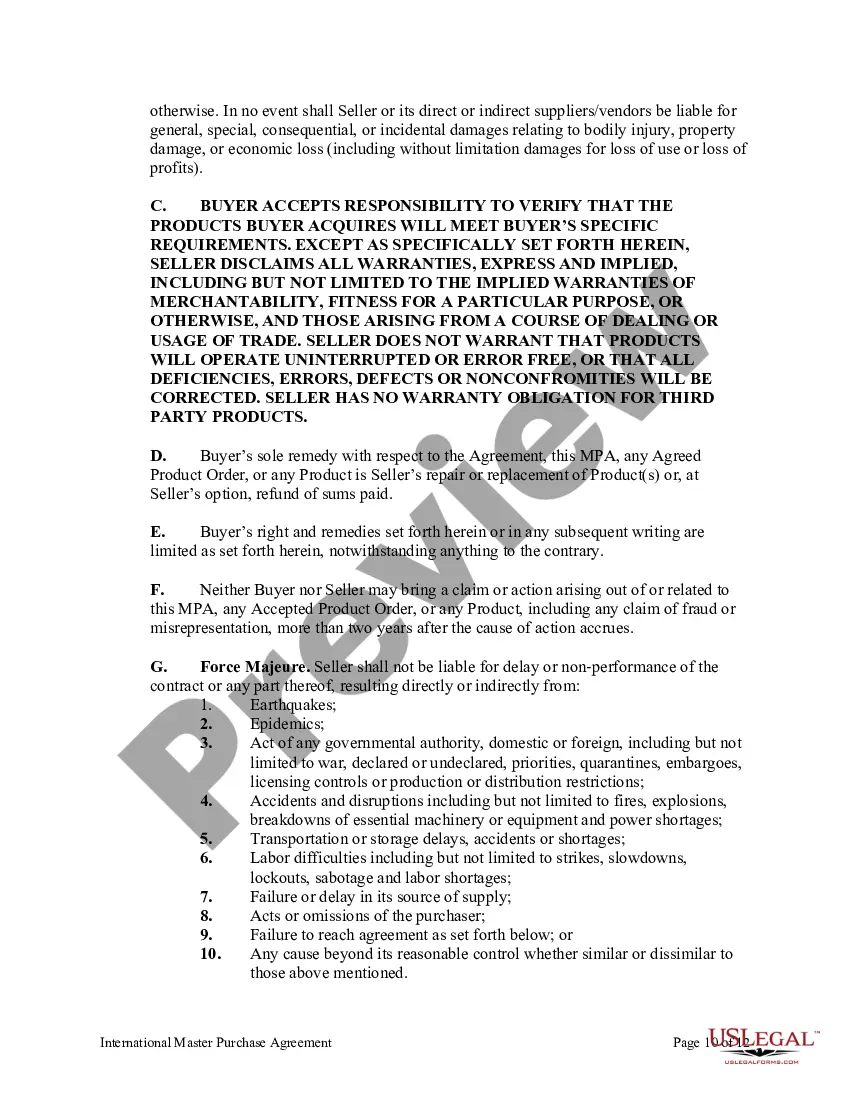



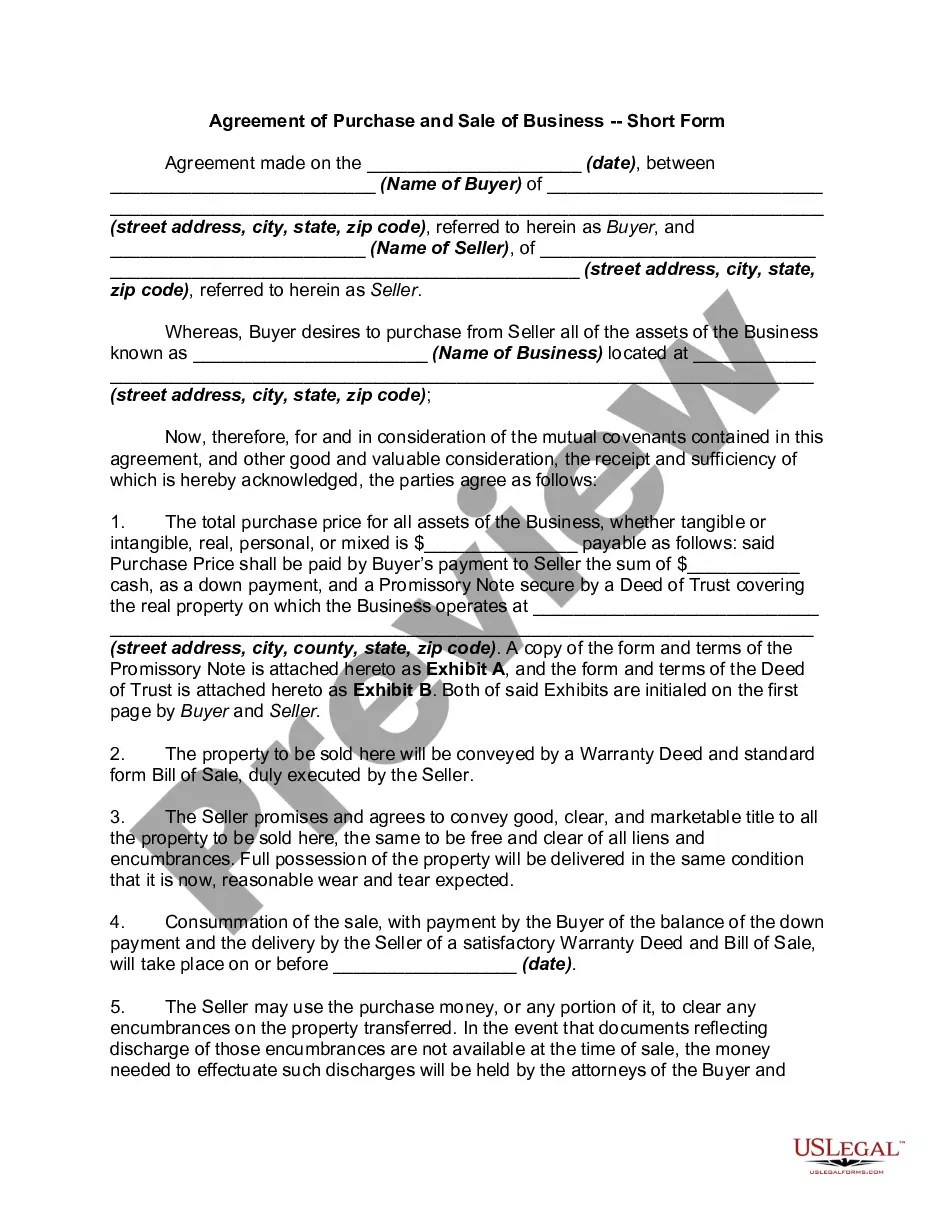
Get your form ready online
Our built-in tools help you complete, sign, share, and store your documents in one place.
Make edits, fill in missing information, and update formatting in US Legal Forms—just like you would in MS Word.
Download a copy, print it, send it by email, or mail it via USPS—whatever works best for your next step.
Sign and collect signatures with our SignNow integration. Send to multiple recipients, set reminders, and more. Go Premium to unlock E-Sign.
If this form requires notarization, complete it online through a secure video call—no need to meet a notary in person or wait for an appointment.
We protect your documents and personal data by following strict security and privacy standards.

Make edits, fill in missing information, and update formatting in US Legal Forms—just like you would in MS Word.

Download a copy, print it, send it by email, or mail it via USPS—whatever works best for your next step.

Sign and collect signatures with our SignNow integration. Send to multiple recipients, set reminders, and more. Go Premium to unlock E-Sign.

If this form requires notarization, complete it online through a secure video call—no need to meet a notary in person or wait for an appointment.

We protect your documents and personal data by following strict security and privacy standards.
Looking for another form?









Form popularity
FAQ
The ISDA master agreement is a standardized document created by the ISDA for OTC derivatives transactions. It provides a framework for the terms and conditions for trading OTC derivatives, helping to cut legal and credit risks by establishing consistent documentation across different jurisdictions and many trades.
A master relationship agreement is a standardized contract between that allows two parties to do business together and work toward a common goal.
Master agreement—a pre-printed umbrella document which includes the boilerplate provisions (unless varied by the schedule to the master agreement)•schedule to the master agreement—amends the terms of the master agreement as required by the parties•credit support document (optional)—credit support is a method of ...
An MSA, or Master Service Agreement, is a comprehensive contract between two parties that outlines the general terms and conditions governing their business relationship. It serves as a foundation for future transactions or agreements. Its primary purpose is to speed up and simplify future agreements between parties.
A Master Service Agreement provides a legal framework that protects the interests of both parties. The agreement clearly outlines the rights and responsibilities of each party, which can be essential in case of disputes or litigation.
Contracts address the specific details of a particular project, transaction, or engagement. Think of the master agreement as the foundation or umbrella under which contracts operate. It sets the general terms, while contracts focus on the specific details and scope of each individual project.
A SLA is not a contract. The SLA document should be seen as a list of targets, rather than a legal binding agreement. The parties should be aware that the SLA itself does not guarantee that the expected service levels will always be met or that penalties will be imposed if they are not met.
Unlike contracts that typically apply to a one-time transaction between two parties, a Master Service Agreement is intended to outline the rights and responsibility of the parties involved in an ongoing relationship, including those that pertain to: The ownership rights of a property.
While the terms “master agreement” and “contract” are sometimes used interchangeably, there are subtle distinctions between the two. A master agreement is a broader agreement that sets the framework for future transactions or engagements between parties.
Sometimes, a contract covers a one-time action between parties, but what happens when the relationships or circumstances are ongoing? When signing parties know they will continue to work together in the future, a Master Service Agreement (MSA) can simplify those future agreements and speed up the negotiation process.
