Collective Agreement For Nurses In King
Description





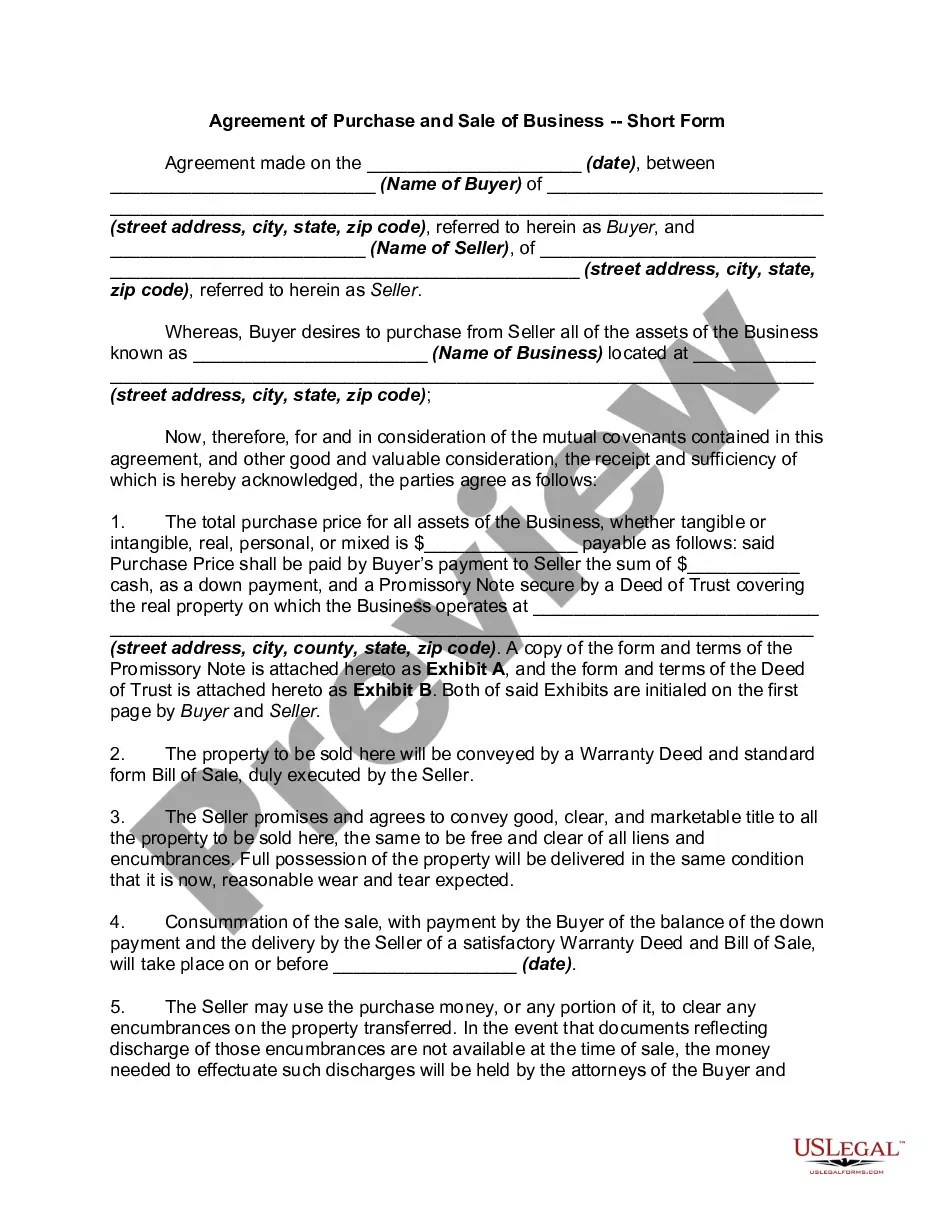
Get your form ready online
Our built-in tools help you complete, sign, share, and store your documents in one place.
Make edits, fill in missing information, and update formatting in US Legal Forms—just like you would in MS Word.
Download a copy, print it, send it by email, or mail it via USPS—whatever works best for your next step.
Sign and collect signatures with our SignNow integration. Send to multiple recipients, set reminders, and more. Go Premium to unlock E-Sign.
If this form requires notarization, complete it online through a secure video call—no need to meet a notary in person or wait for an appointment.
We protect your documents and personal data by following strict security and privacy standards.

Make edits, fill in missing information, and update formatting in US Legal Forms—just like you would in MS Word.

Download a copy, print it, send it by email, or mail it via USPS—whatever works best for your next step.

Sign and collect signatures with our SignNow integration. Send to multiple recipients, set reminders, and more. Go Premium to unlock E-Sign.

If this form requires notarization, complete it online through a secure video call—no need to meet a notary in person or wait for an appointment.

We protect your documents and personal data by following strict security and privacy standards.
Looking for another form?









Form popularity
FAQ
Establishing the objectives of both parties Identify the interests of the employer and the union. Clarify what each party wants to achieve through collective bargaining. Compile a list of the priorities of each party. Listen to both parties and develop an understanding of their needs.
The 5 Stages of Collective Bargaining Preparing for bargaining. Conducting negotiations. Ratifying the contract. Resolving a contract dispute. Changing or clarifying the contract.
Most Collective Bargaining Agreements contain the following common elements: (1) a union recognition clause, (2) a management rights clause, (3) union rights provisions, (4) prohibitions on strikes and lockouts, (5) a union security clause, (6) nondiscrimination provisions, (7) grievance and arbitration procedures, (8) ...
A collective agreement is a written contract between the employer and a union that outlines many of the terms and conditions of employment for employees in a bargaining unit. The terms and conditions are reached through collective bargaining between the employer and the union.
Section 7 of the NLRA states that: “Employees shall have the right to self-organization, to form, join, or assist labor organizations, to bargain collectively through representatives of their own choosing, and to engage in other concerted activities for the purpose of collective bargaining or other mutual aid or ...
Unions and collective bargaining more broadly seek to negotiate better terms for their members. Usually, this concerns wages, working conditions, job security, and other resources or professional opportunities (Kochan et al., 2019). In many ways, nursing unions resemble organized labor in other sectors.
In a unionized workplace, employees' terms and conditions of employment are generally set out in a collective agreement. They are negotiated and agreed to by the employer and the union (the parties) during collective bargaining.
Collective agreements, other than a closed shop agreement, an agency shop agreement, or a settlement agreement contemplated in either section 142A or 158(1) (c ) of the LRA, must contain a procedure to follow for the resolution of any disputes about the interpretation or the application of the collective agreement.
Job Profile Level Direct Care 4 (DC4) The main purpose of jobs at this level is to function as the most advanced practitioner integrated with the roles of educator, researcher and specialized resource to act as an authority on nursing practice for the organization.
