Collective Agreement With Union In Cook
Description





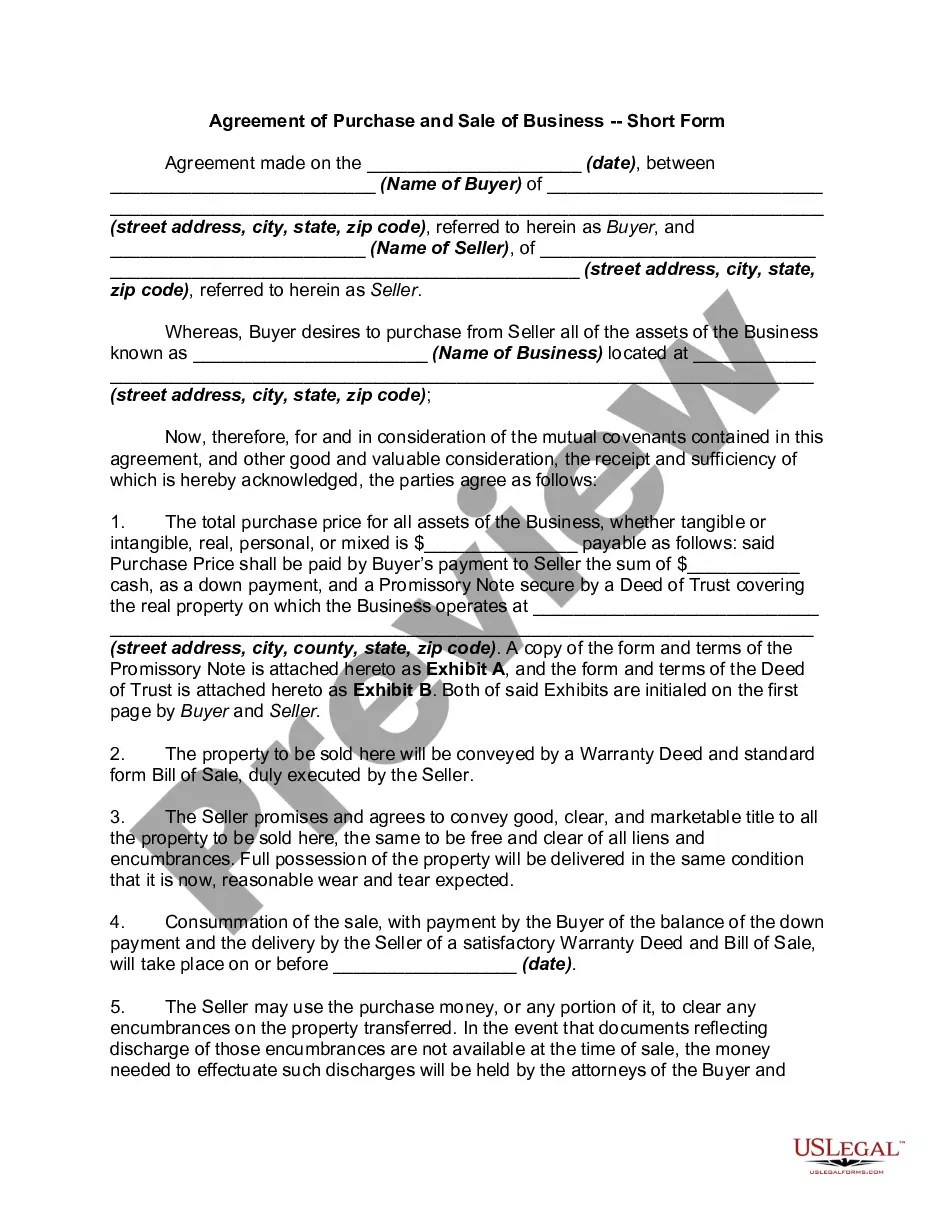
Get your form ready online
Our built-in tools help you complete, sign, share, and store your documents in one place.
Make edits, fill in missing information, and update formatting in US Legal Forms—just like you would in MS Word.
Download a copy, print it, send it by email, or mail it via USPS—whatever works best for your next step.
Sign and collect signatures with our SignNow integration. Send to multiple recipients, set reminders, and more. Go Premium to unlock E-Sign.
If this form requires notarization, complete it online through a secure video call—no need to meet a notary in person or wait for an appointment.
We protect your documents and personal data by following strict security and privacy standards.

Make edits, fill in missing information, and update formatting in US Legal Forms—just like you would in MS Word.

Download a copy, print it, send it by email, or mail it via USPS—whatever works best for your next step.

Sign and collect signatures with our SignNow integration. Send to multiple recipients, set reminders, and more. Go Premium to unlock E-Sign.

If this form requires notarization, complete it online through a secure video call—no need to meet a notary in person or wait for an appointment.

We protect your documents and personal data by following strict security and privacy standards.
Looking for another form?









Form popularity
FAQ
(1) A collective agreement shall not e enforceable as such by the court or Tribunal unless it is registered with the Commission by one of the parties to it.
Most Collective Bargaining Agreements contain the following common elements: (1) a union recognition clause, (2) a management rights clause, (3) union rights provisions, (4) prohibitions on strikes and lockouts, (5) a union security clause, (6) nondiscrimination provisions, (7) grievance and arbitration procedures, (8) ...
A collective bargaining agreement (CBA), also known as a union contract, is a written legal contract between an employer and a union representing employees. This agreement results from an extensive negotiation process covering essential topics such as wages, work hours and employment conditions.
Negotiations Identify the parties to the negotiations (e.g. union/employer/government) Establish ground rules and procedures for the negotiations. Discuss the issues to be included in the agreement. Exchange proposals and counter-proposals. Reach agreement on the terms of the collective agreement.
The kinds of terms and conditions covered by a collective agreement typically include wages and benefits, as well as terms and conditions of employment that relate to e.g., job postings; obligations and responsibilities of the employer, the employee and the union; and a dispute resolution process (usually a grievance ...
The circumstances under which an employee could be covered by a union-negotiated agreement without being a card-carrying union member are many and vary from firm to firm. They depend on the applicable provincial or federal labour legislation, labour relations practices and deep-rooted customs.
The 5 Stages of Collective Bargaining Preparing for bargaining. Conducting negotiations. Ratifying the contract. Resolving a contract dispute. Changing or clarifying the contract.
By setting clear expectations, keeping communication lines open, maintaining a respectful and professional tone, and documenting all communication, you can help ensure that your negotiations are productive and lead to positive outcomes for all parties involved.
Get to know your members and the issues important to them. Get to know your Stewards and your negotiating committee. Lastly, get to know your employer. The role of a Union Negotiator is to get the best possible wages, benefits and working conditions for your members.
