Collective Agreement With In Arizona
Description





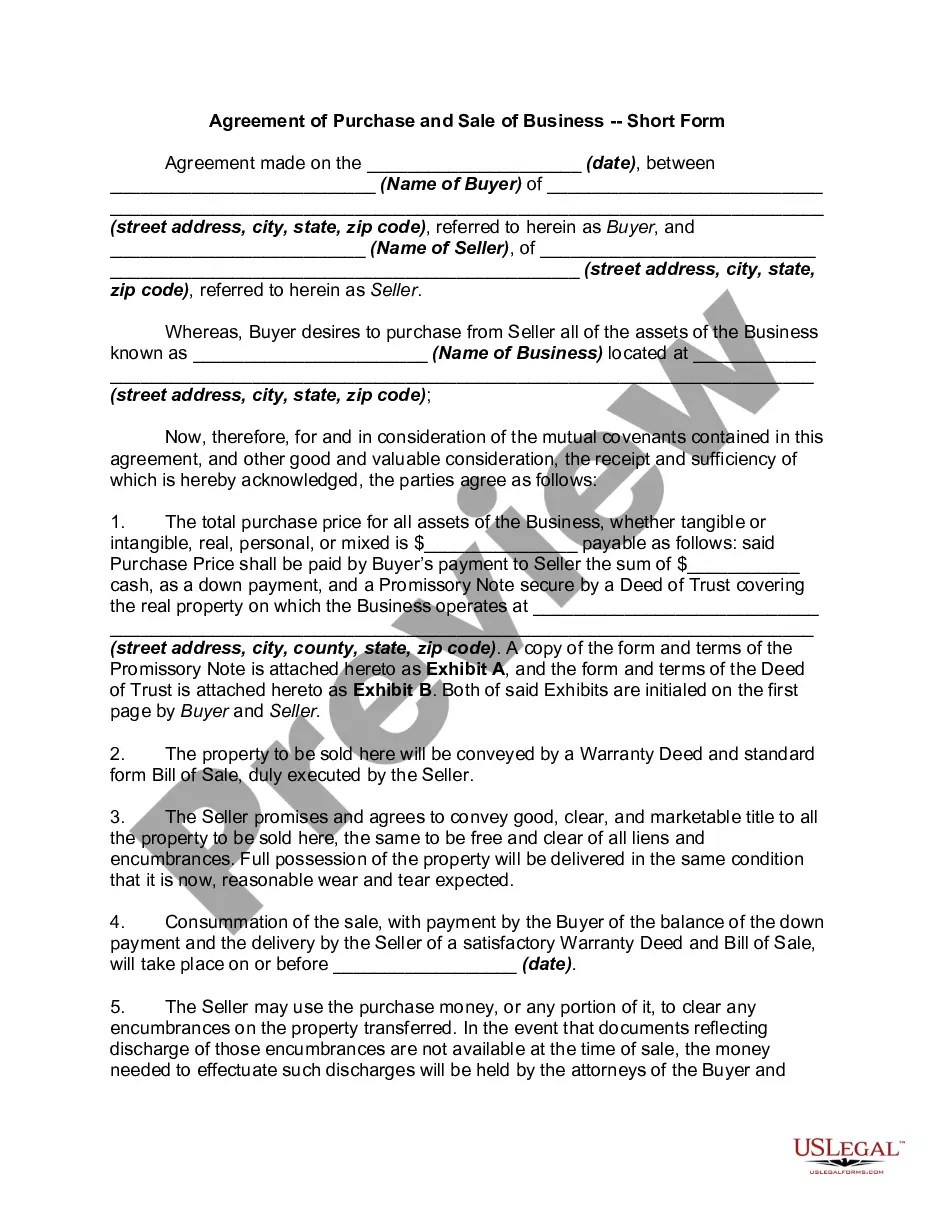
Get your form ready online
Our built-in tools help you complete, sign, share, and store your documents in one place.
Make edits, fill in missing information, and update formatting in US Legal Forms—just like you would in MS Word.
Download a copy, print it, send it by email, or mail it via USPS—whatever works best for your next step.
Sign and collect signatures with our SignNow integration. Send to multiple recipients, set reminders, and more. Go Premium to unlock E-Sign.
If this form requires notarization, complete it online through a secure video call—no need to meet a notary in person or wait for an appointment.
We protect your documents and personal data by following strict security and privacy standards.

Make edits, fill in missing information, and update formatting in US Legal Forms—just like you would in MS Word.

Download a copy, print it, send it by email, or mail it via USPS—whatever works best for your next step.

Sign and collect signatures with our SignNow integration. Send to multiple recipients, set reminders, and more. Go Premium to unlock E-Sign.

If this form requires notarization, complete it online through a secure video call—no need to meet a notary in person or wait for an appointment.

We protect your documents and personal data by following strict security and privacy standards.
Looking for another form?










Form popularity
FAQ
Arizona has no major laws differing from the National Labor Relations Act regarding collective bargaining in private sector employment. Arizona does have a right to work law.
Section 7 of the NLRA states that: “Employees shall have the right to self-organization, to form, join, or assist labor organizations, to bargain collectively through representatives of their own choosing, and to engage in other concerted activities for the purpose of collective bargaining or other mutual aid or ...
Most Collective Bargaining Agreements contain the following common elements: (1) a union recognition clause, (2) a management rights clause, (3) union rights provisions, (4) prohibitions on strikes and lockouts, (5) a union security clause, (6) nondiscrimination provisions, (7) grievance and arbitration procedures, (8) ...
The 5 Stages of Collective Bargaining Preparing for bargaining. Conducting negotiations. Ratifying the contract. Resolving a contract dispute. Changing or clarifying the contract.
Compared to other states, Arizona scores high marks for being worker-friendly and has additional protections for pregnant employees. If you're hiring in the state of Arizona—whether in Phoenix, Tucson, or Flagstaff—it's important to understand and comply with the state's specific laws.
Arizona has no major laws differing from the National Labor Relations Act regarding collective bargaining in private sector employment. Arizona does have a right to work law.
Arizona is a right-to-work state, which means unions have less clout here than in some other places. However, every little bit of organized support behind you is good. It can't hurt to join a union, just to see what happens.
Most Collective Bargaining Agreements contain the following common elements: (1) a union recognition clause, (2) a management rights clause, (3) union rights provisions, (4) prohibitions on strikes and lockouts, (5) a union security clause, (6) nondiscrimination provisions, (7) grievance and arbitration procedures, (8) ...
The National Labor Relations Act gives you the right to bargain collectively with your employer through a representative that you and your coworkers choose.
Collective bargaining is the term used to describe negotiations between a union and an employer if a union is certified as the exclusive bargaining representative of employees in a bargaining unit.
