Master Lease Agreement Vs Master Service Agreement In Allegheny
Description





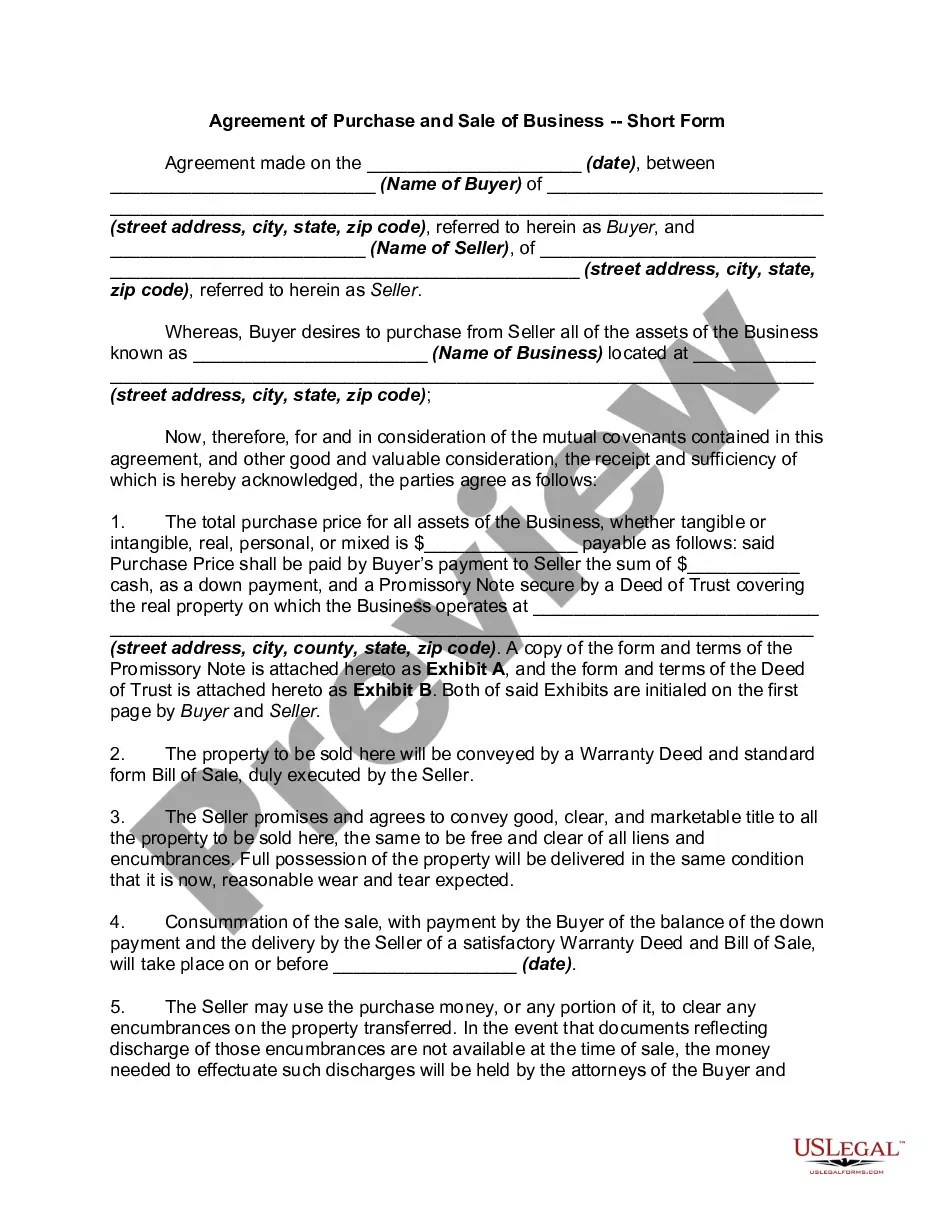
Get your form ready online
Our built-in tools help you complete, sign, share, and store your documents in one place.
Make edits, fill in missing information, and update formatting in US Legal Forms—just like you would in MS Word.
Download a copy, print it, send it by email, or mail it via USPS—whatever works best for your next step.
Sign and collect signatures with our SignNow integration. Send to multiple recipients, set reminders, and more. Go Premium to unlock E-Sign.
If this form requires notarization, complete it online through a secure video call—no need to meet a notary in person or wait for an appointment.
We protect your documents and personal data by following strict security and privacy standards.

Make edits, fill in missing information, and update formatting in US Legal Forms—just like you would in MS Word.

Download a copy, print it, send it by email, or mail it via USPS—whatever works best for your next step.

Sign and collect signatures with our SignNow integration. Send to multiple recipients, set reminders, and more. Go Premium to unlock E-Sign.

If this form requires notarization, complete it online through a secure video call—no need to meet a notary in person or wait for an appointment.

We protect your documents and personal data by following strict security and privacy standards.
Looking for another form?
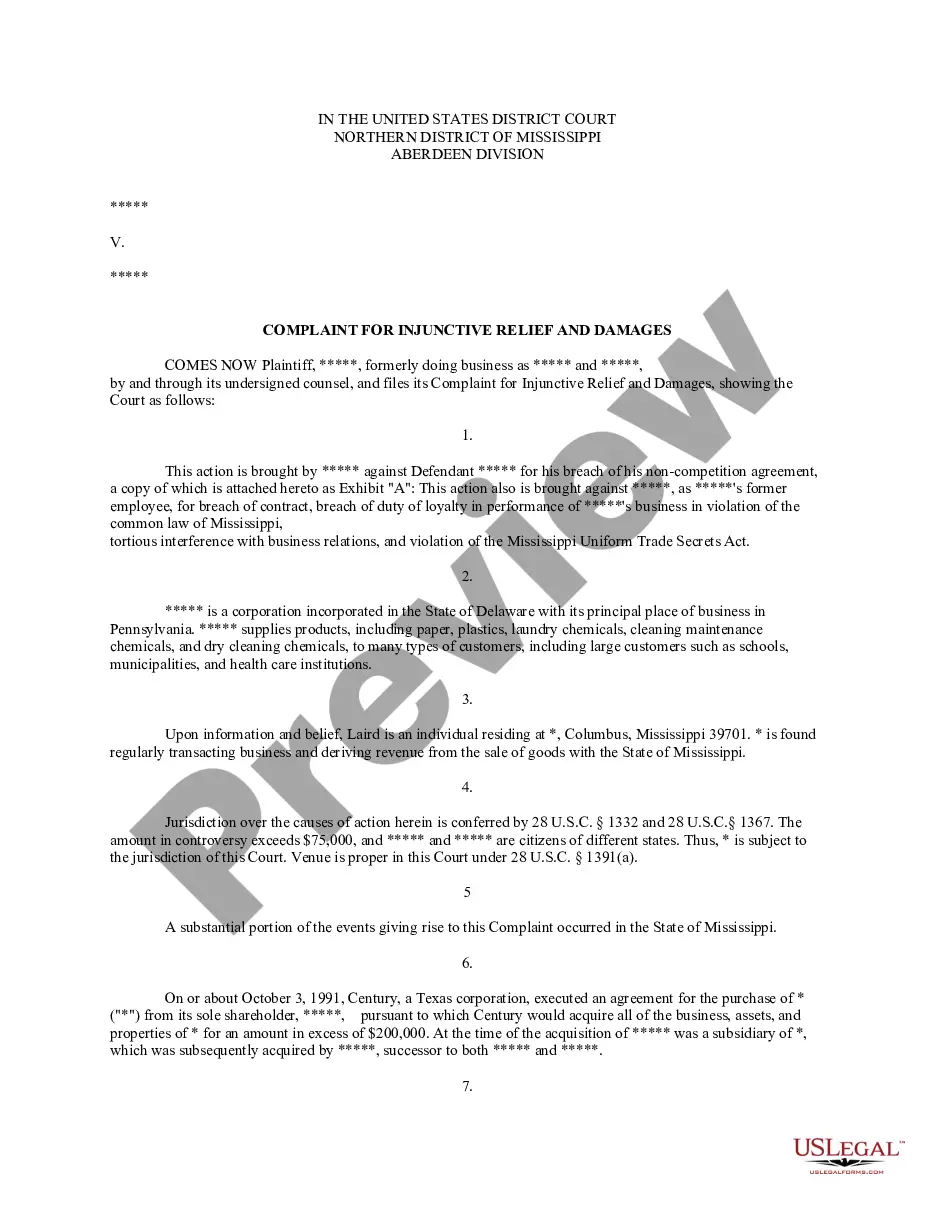
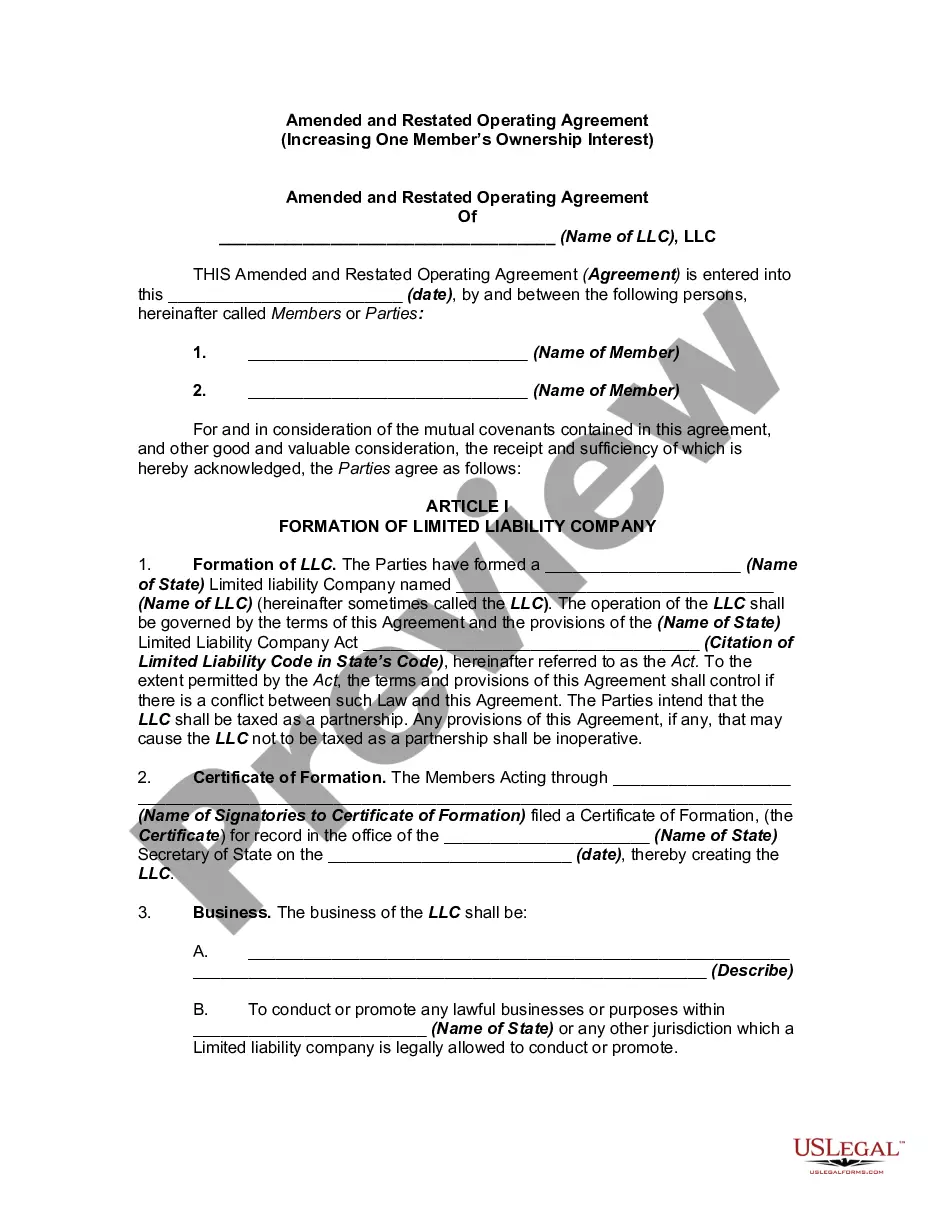
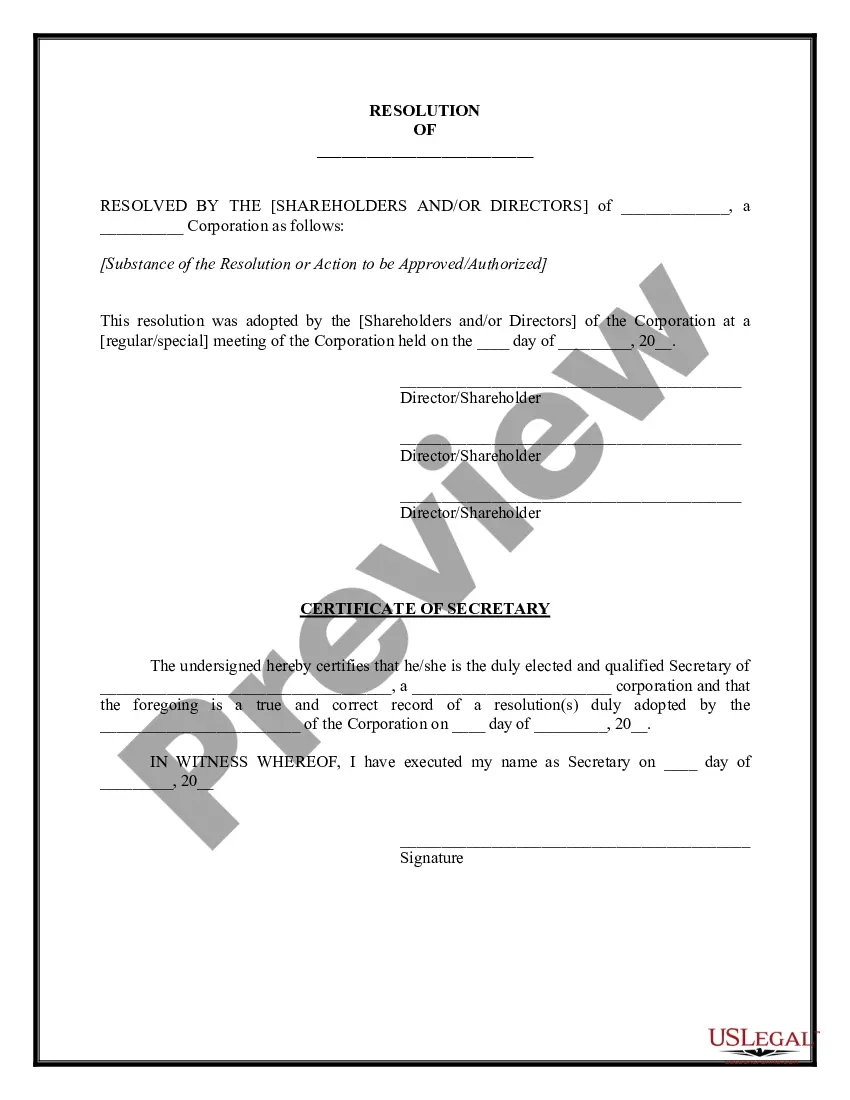

Form popularity
FAQ
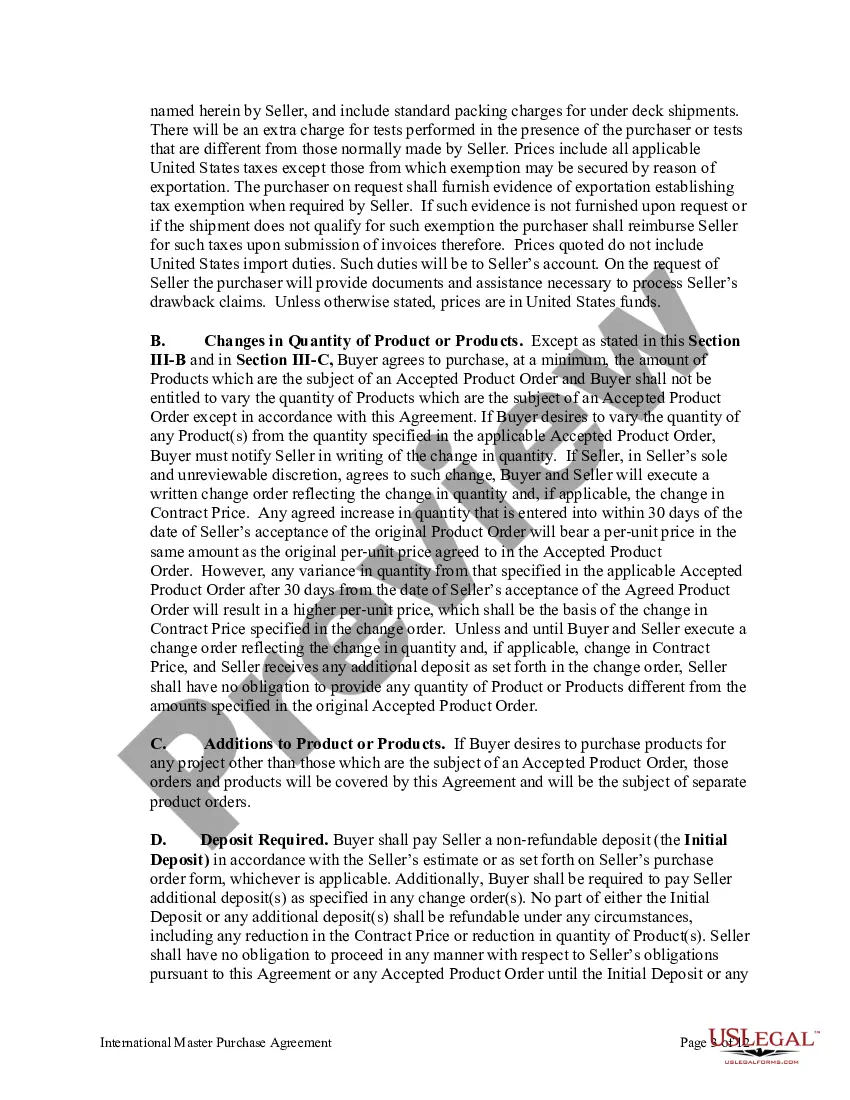
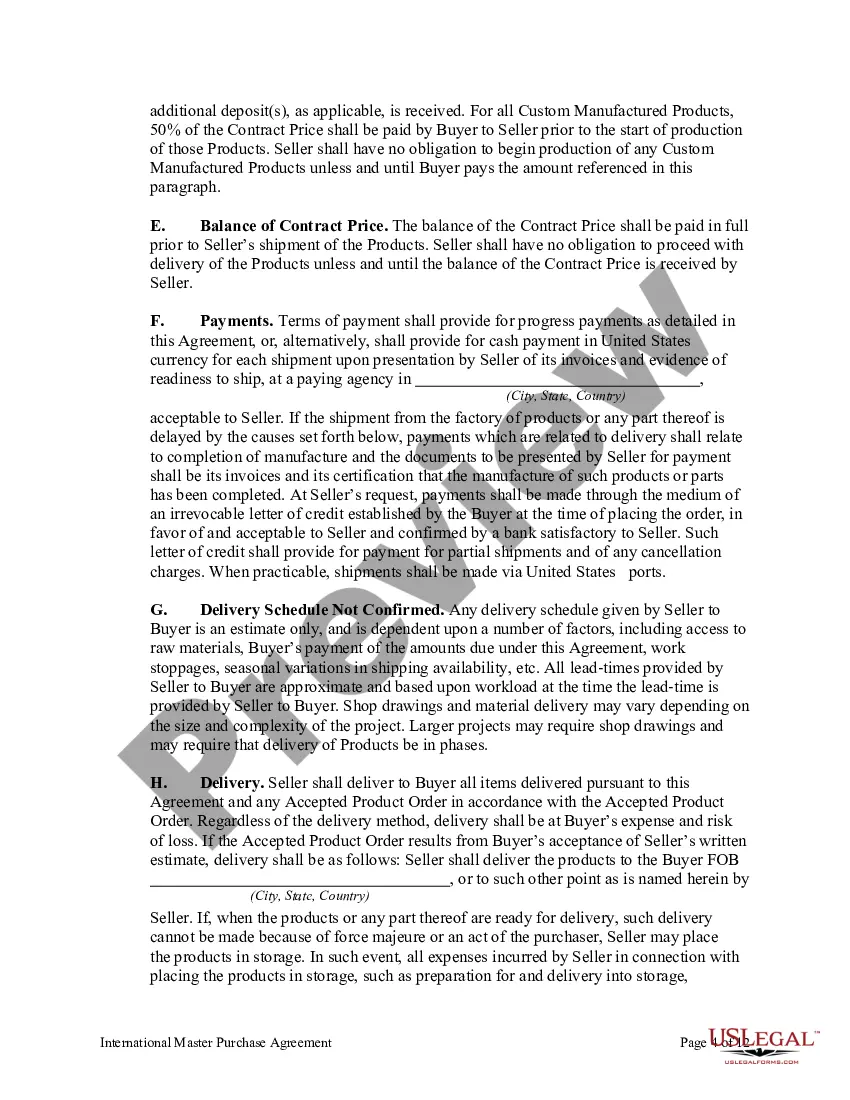
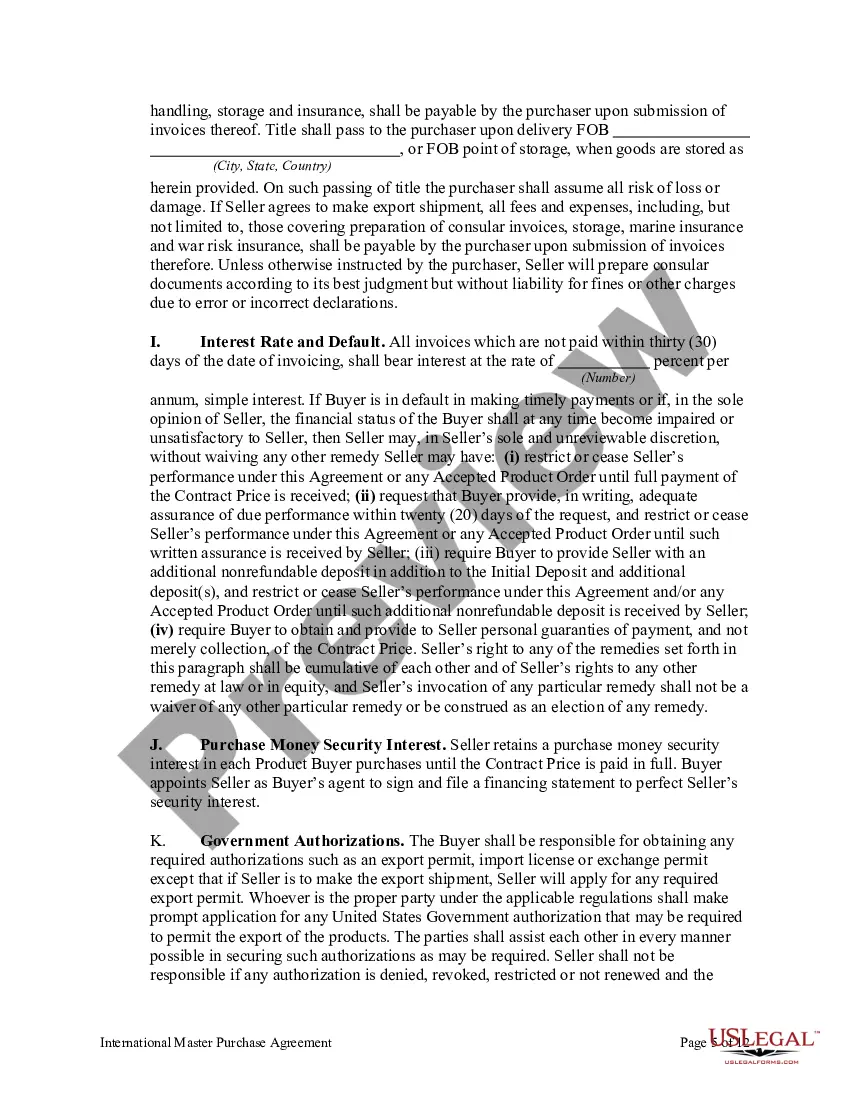
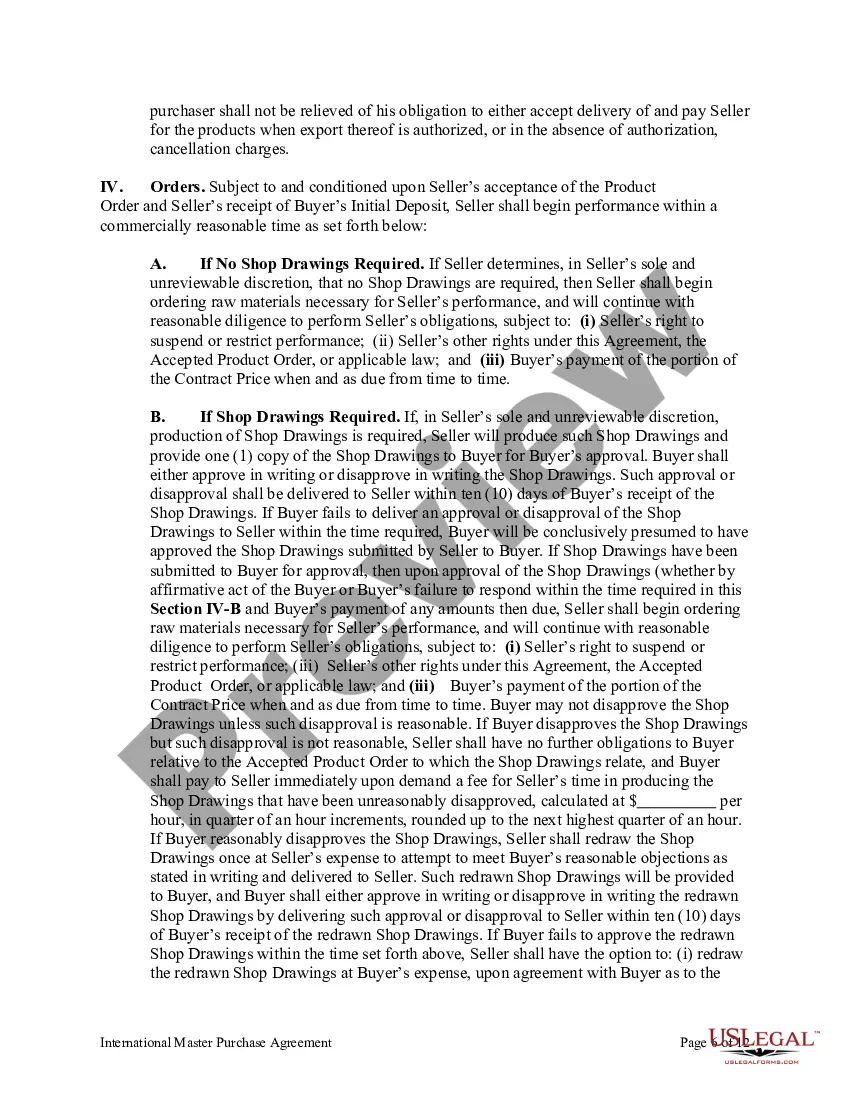
How do you create an MSA? Step-by-step instructions Establish the framework. Detail the scope of services. Set the payment terms. Agree on insurance and liability. Describe the work order process. Protect confidential information. Draft the statement of work (SOW). Specify intellectual property (IP) rights.
A Master Services Agreement is a set of standard Terms and Conditions that can be used for multiple campuses or Systemwide – in this instance, a unique Statement of Work (formerly referred to as Scope of Service) is drafted and linked to the MSA so that the terms apply, but the PO is unique to the Stakeholder who wrote ...
Comparing a Master Service Agreement (MSA) vs Statement of Work (SOW) is relatively straightforward. The MSA is a comprehensive, overarching contract, while the SOW is far more detailed. Although each contract is unique, the MSA and SOW fit together to complete an agreement between two businesses.
A master service agreement (MSA) is a legal contract that establishes fundamental agreements between two parties. MSAs allow vendors and clients to agree on basic terms at the outset of a business relationship before any business commences.
Traditional master leasing is a third-party leasing strategy in which an agency becomes the primary leaseholder and leases individual units, a subset of units in a single building, or all units in an entire building. The agency then subleases to the secondary tenant.
There is a big difference between a master service agreement (MSA) and a service level agreement (SLA) in India. An MSA sets the terms and conditions for the services provided by one party to another, whereas an SLA sets the agreed-upon performance standards for an organization's services.
A Master Service Agreement is the base contract between two parties that provide a detailed list of all the terms that govern present as well as all future transactions and agreements. However, a Service Level Agreement is a specific agreement that is contracted between a service provider and a client or service user.
A master service agreement, sometimes known as a framework agreement, is a contract reached between parties, in which the parties agree to most of the terms that will govern future transactions or future agreements.
Landlords restrict subletting because they want control of who's in their properties. You wanna sublet so you can get out of a lease, so your standards are somewhat reduced. You might not care about security of the place, you might not care about the subletters background, he has a lease with you not the landlord.
Definition and Context A master tenant is an individual who rents an apartment or house directly from the landlord and retains the right to sublet rooms or portions of the property to other tenants, known as subtenants.