Formal Cancellation Letter Template In Washington
Description
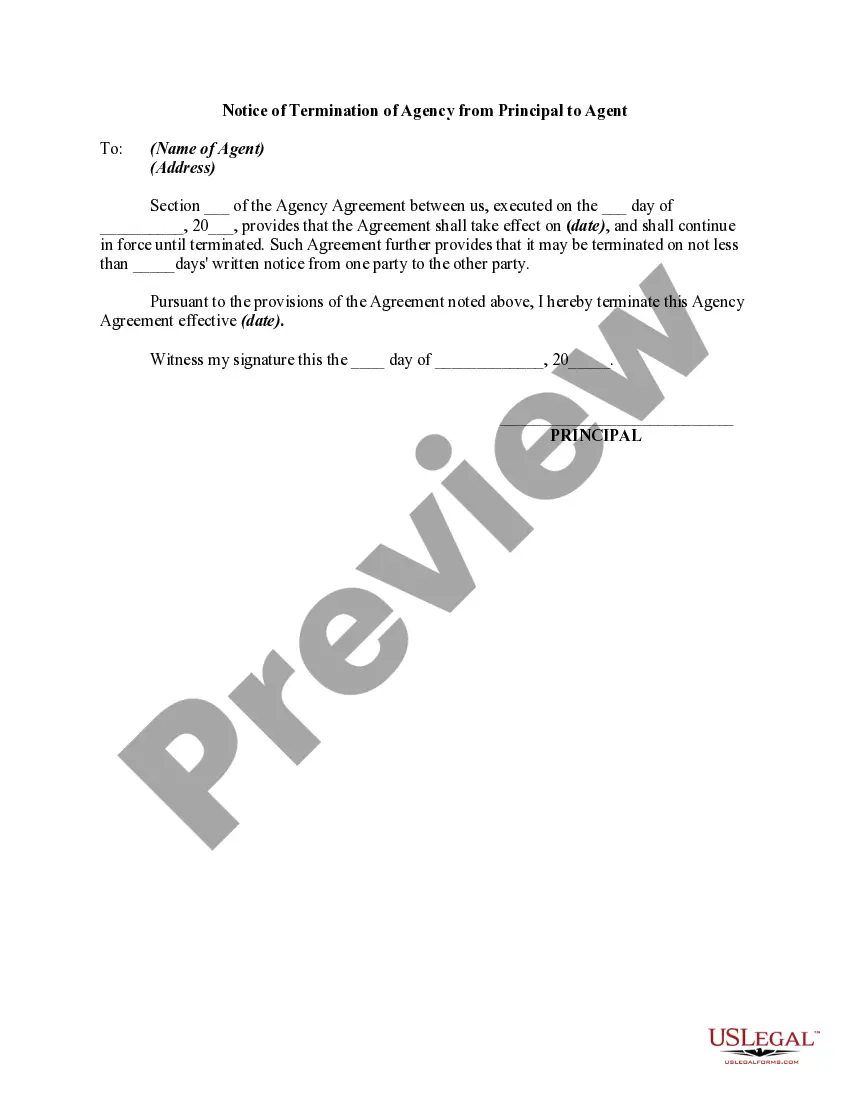
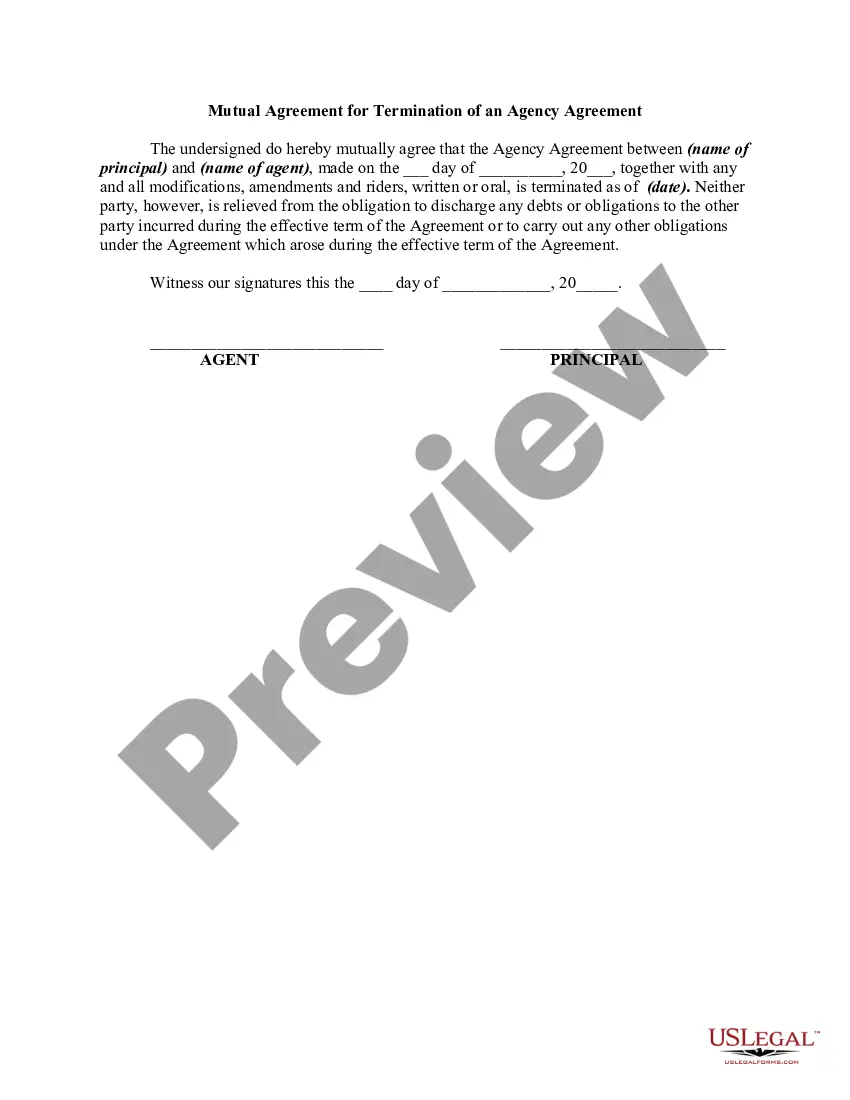
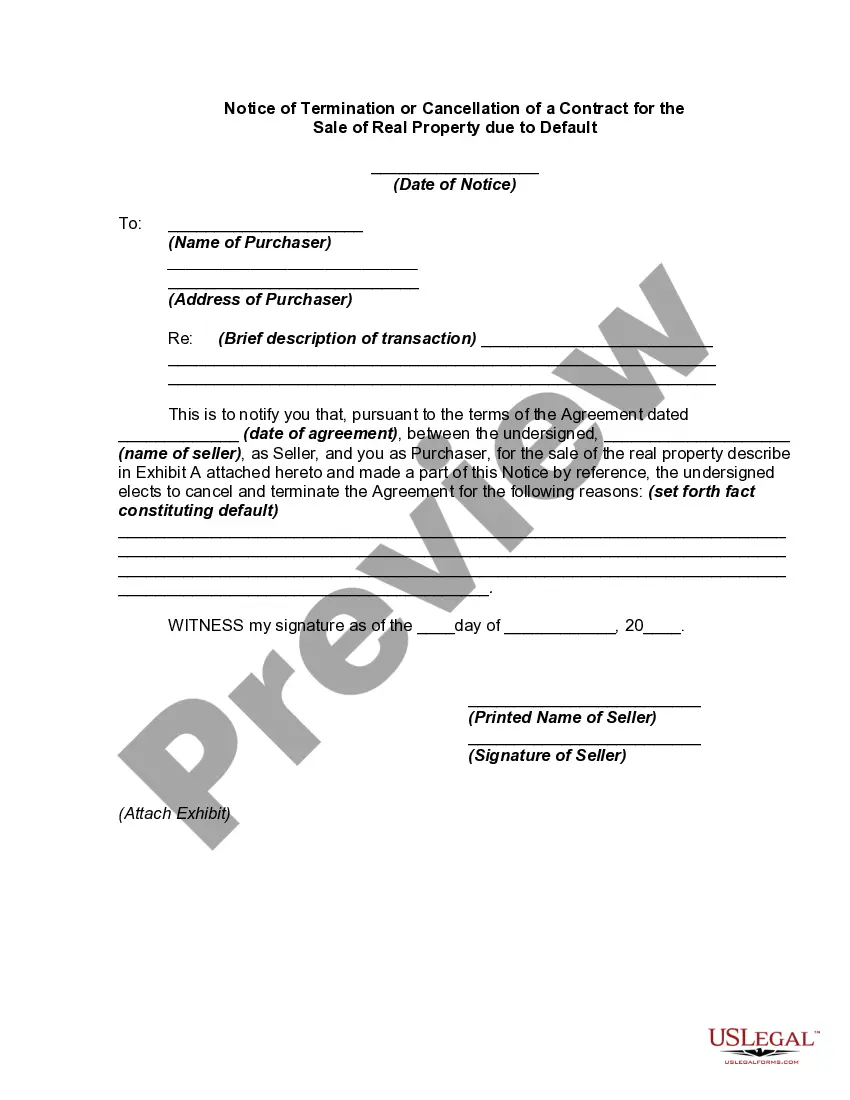

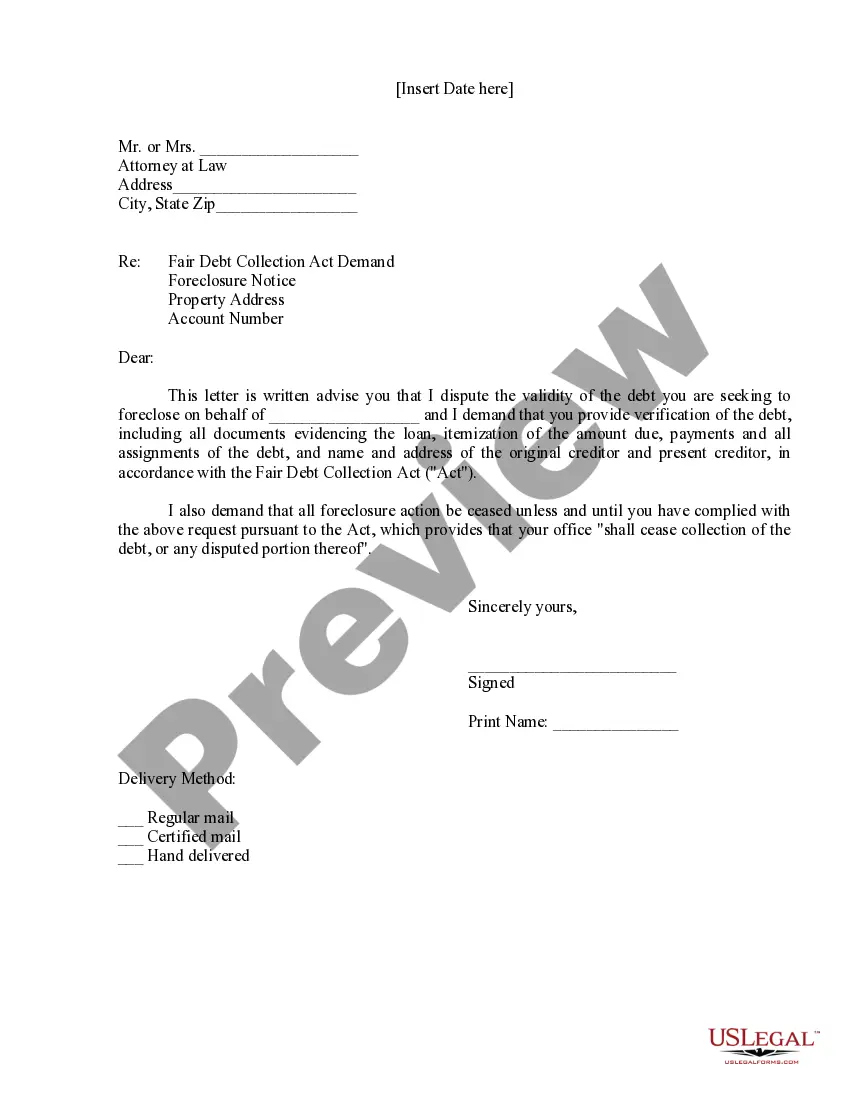
Get your form ready online
Our built-in tools help you complete, sign, share, and store your documents in one place.
Make edits, fill in missing information, and update formatting in US Legal Forms—just like you would in MS Word.
Download a copy, print it, send it by email, or mail it via USPS—whatever works best for your next step.
Sign and collect signatures with our SignNow integration. Send to multiple recipients, set reminders, and more. Go Premium to unlock E-Sign.
If this form requires notarization, complete it online through a secure video call—no need to meet a notary in person or wait for an appointment.
We protect your documents and personal data by following strict security and privacy standards.

Make edits, fill in missing information, and update formatting in US Legal Forms—just like you would in MS Word.

Download a copy, print it, send it by email, or mail it via USPS—whatever works best for your next step.

Sign and collect signatures with our SignNow integration. Send to multiple recipients, set reminders, and more. Go Premium to unlock E-Sign.

If this form requires notarization, complete it online through a secure video call—no need to meet a notary in person or wait for an appointment.

We protect your documents and personal data by following strict security and privacy standards.
Looking for another form?









Form popularity
FAQ
The law allows buyers to cancel within seven business days of signing a contract. This law does not cover purchasing a franchise, which falls under the Franchise Investment Protection Law (RCW 19.100). Franchise purchasers do not have a right to cancel under that statute. Back to Top
State Laws Some states, including Arizona, California, Illinois and New Jersey, require employers to provide termination letters. In some cases, the content must follow a specific template. Some states may even provide a form that employers must complete and present to the terminated employee.
Employees who believe they have been wrongfully terminated in Washington can file a complaint with the Washington State Human Rights Commission (WSHRC) within six months, or with the Equal Employment Opportunity Commission (EEOC) within 300 days for federal claims.
Step-by-Step Guide to Writing a Cancellation Letter Step 1: Start with Your Contact Information. Step 2: Include the Date. Step 3: Address the Recipient. Step 4: State the Purpose of the Letter. Step 5: Provide Details of the Cancellation. Step 6: Explain the Reason for the Cancellation.
Consult with HR to ensure compliance with company policies and state laws. Prepare a detailed termination letter outlining the reasons for dismissal. Arrange a final paycheck in ance with Washington state law. Schedule a termination meeting with HR and the employee involved.
An employer does not have to give you advance notice of termination. There are 3 exceptions to this: If you and your employer changed your rights by entering into an agreement. (See sections on Individual Employment Agreements, Implied Employment Contracts, and Collective Bargaining Agreements, below.)
An employer does not have to give you advance notice of termination. There are 3 exceptions to this: If you and your employer changed your rights by entering into an agreement. (See sections on Individual Employment Agreements, Implied Employment Contracts, and Collective Bargaining Agreements, below.)
Many Washington State courts have a public access terminal in the courthouse where you can view JIS public record case information such as an index of filed cases and a list of documents filed in each case. Contact your local court to see if they have a public access terminal.

