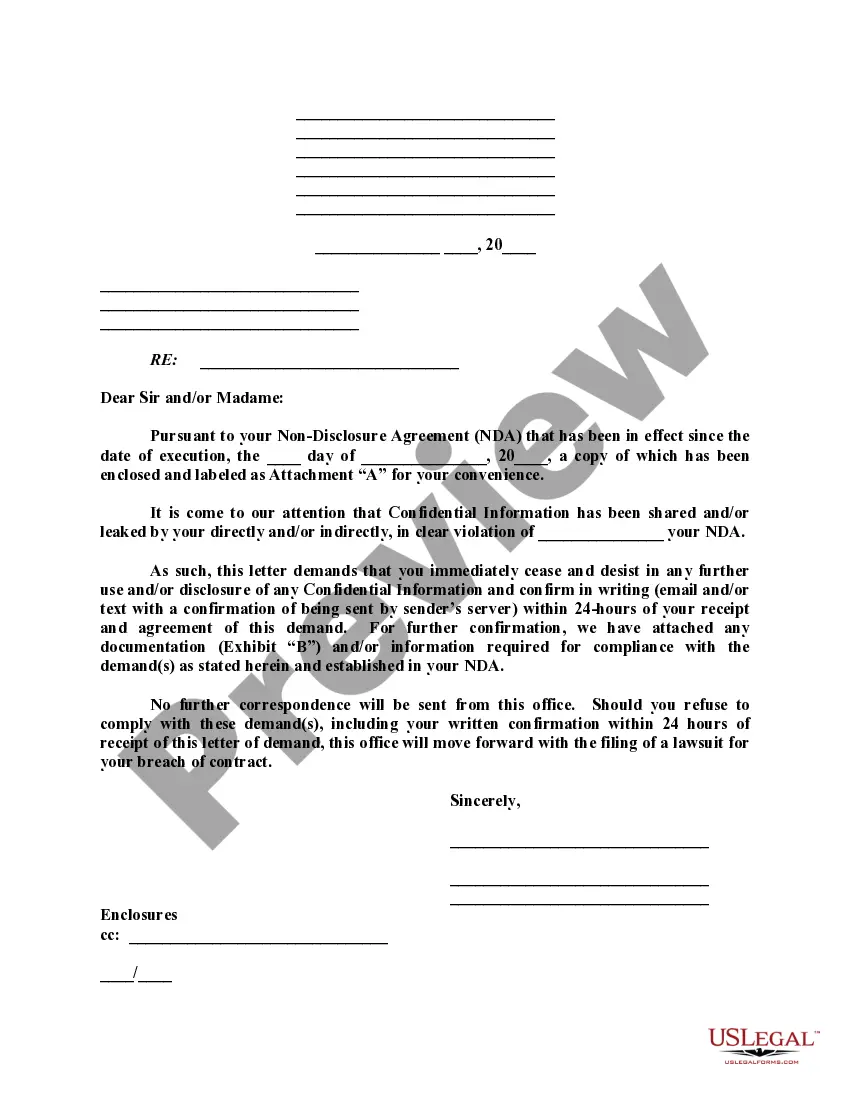
Contract Termination With Notice Period In Santa Clara
Description
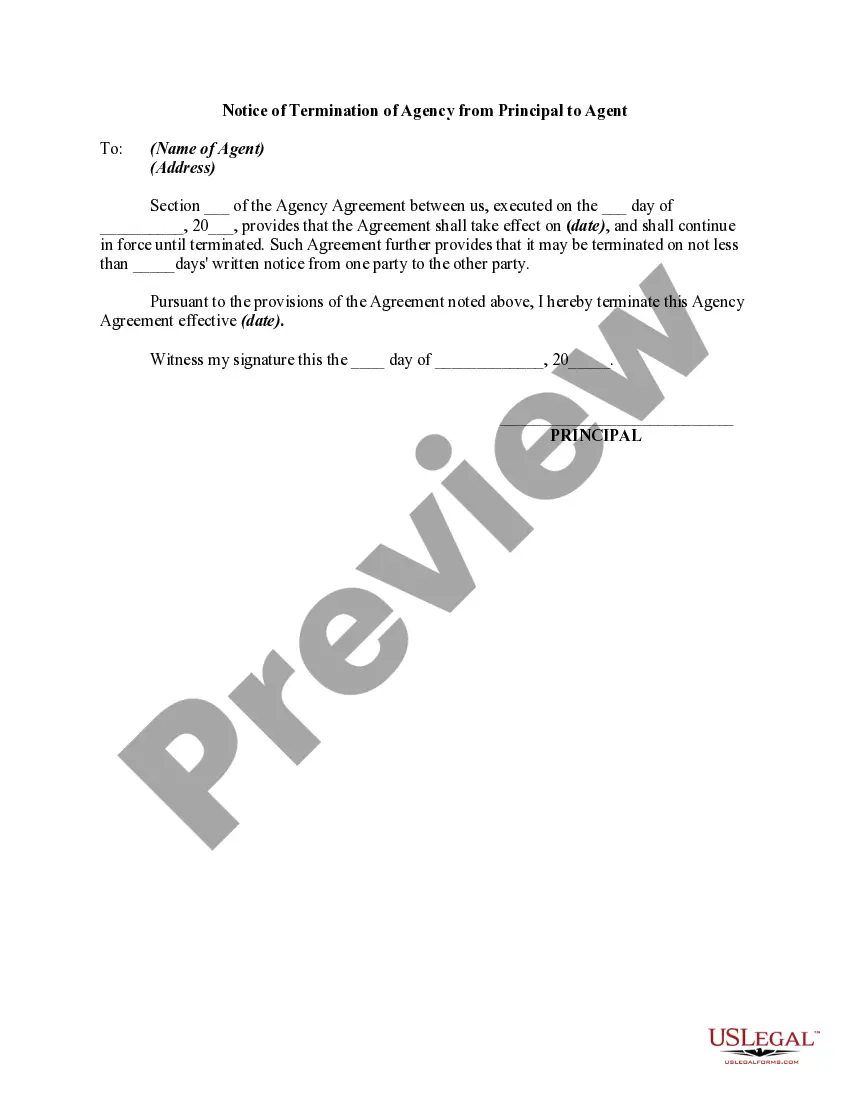
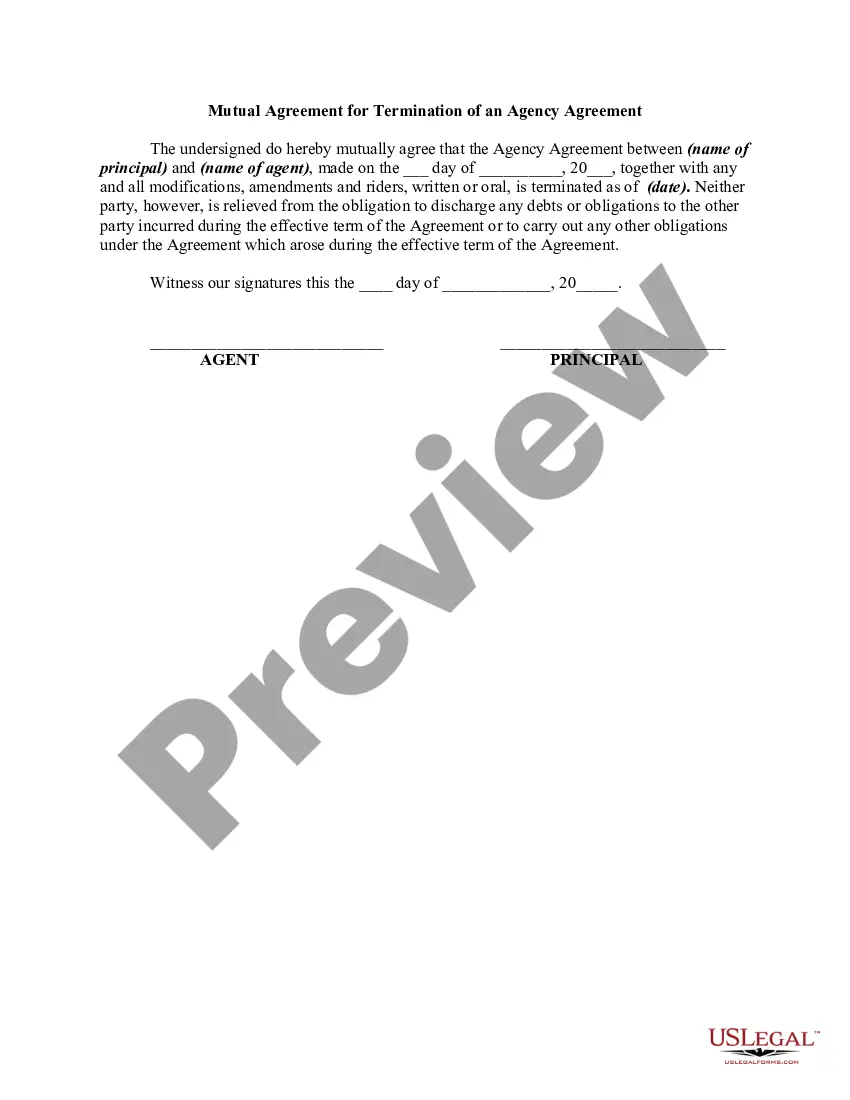
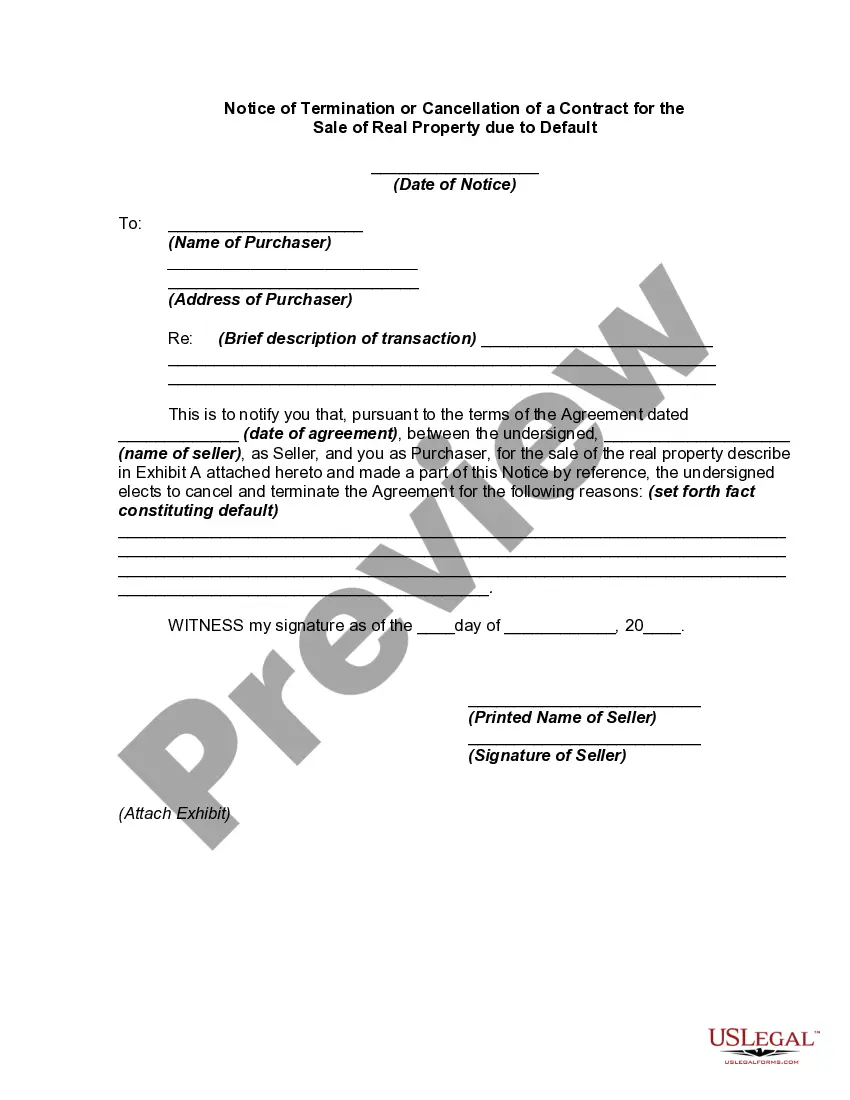

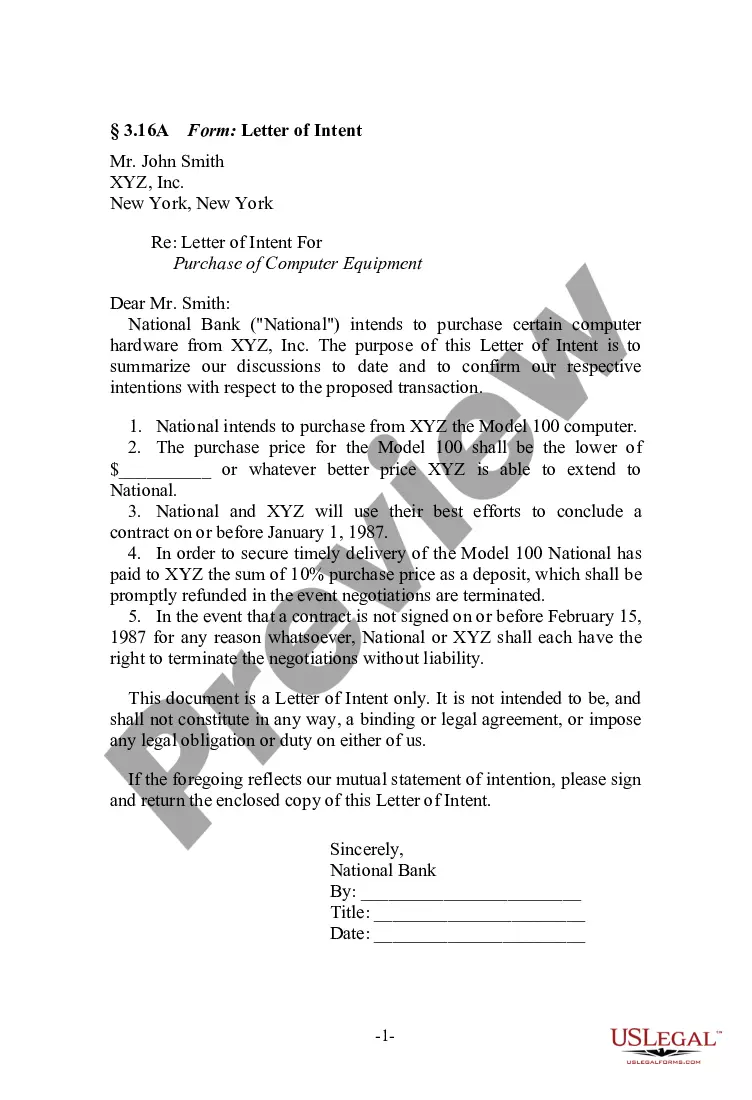
Get your form ready online
Our built-in tools help you complete, sign, share, and store your documents in one place.
Make edits, fill in missing information, and update formatting in US Legal Forms—just like you would in MS Word.
Download a copy, print it, send it by email, or mail it via USPS—whatever works best for your next step.
Sign and collect signatures with our SignNow integration. Send to multiple recipients, set reminders, and more. Go Premium to unlock E-Sign.
If this form requires notarization, complete it online through a secure video call—no need to meet a notary in person or wait for an appointment.
We protect your documents and personal data by following strict security and privacy standards.

Make edits, fill in missing information, and update formatting in US Legal Forms—just like you would in MS Word.

Download a copy, print it, send it by email, or mail it via USPS—whatever works best for your next step.

Sign and collect signatures with our SignNow integration. Send to multiple recipients, set reminders, and more. Go Premium to unlock E-Sign.

If this form requires notarization, complete it online through a secure video call—no need to meet a notary in person or wait for an appointment.

We protect your documents and personal data by following strict security and privacy standards.
Looking for another form?

Form popularity
FAQ
To vacate a tenancy-at-will situation in California, proper notice must be given by the party initiating the termination. Typically, a 30-day notice giving the date vacancy is expected is required if the tenant has lived in the property for less than a year.
The rules differ depending on which type of rental agreement exists between landlord and tenant. Under California state law, a landlord can terminate a month-to-month tenancy by serving a 30-day written notice if the tenancy has lasted less than one year, or a 60-day notice if the tenancy has lasted more than one year.
California's Labor Code contains the following provision on at-will employment: “An employment, having no specified term, may be terminated at the will of either party on notice to the other.
Potential Disadvantages of Tenancy at Will Lack of long-term security: Tenancy-at-will agreements do not provide long-term security for tenants, as either party can terminate the agreement with minimal notice.
If your tenant won't fix the problem or move out, you'll have to go through the court to get an order for them to move out. The eviction process can take 30 - 45 days, or longer. The time starts from when you have eviction court forms delivered to your tenant to the time they must move out.
The easiest way to think about it is to take the day the notice was given and count forward 30 days, then the next rental due date that is either on or after that date is the day the notice effect.
The Notice must be in writing and include: The date the tenancy will end ("be terminated") Detailed reason(s) for the eviction. That if the tenant doesn't move out within 90 days the owner may start a court case to evict them and that they can give their side of the story then.
Notice Period: The tenant has 30 days from the date the notice is delivered to vacate the property. This period is calculated based on the rental due date, not the date the notice was given.
The rules differ depending on which type of rental agreement exists between landlord and tenant. Under California state law, a landlord can terminate a month-to-month tenancy by serving a 30-day written notice if the tenancy has lasted less than one year, or a 60-day notice if the tenancy has lasted more than one year.

