Contract Termination For Convenience In Santa Clara
Description
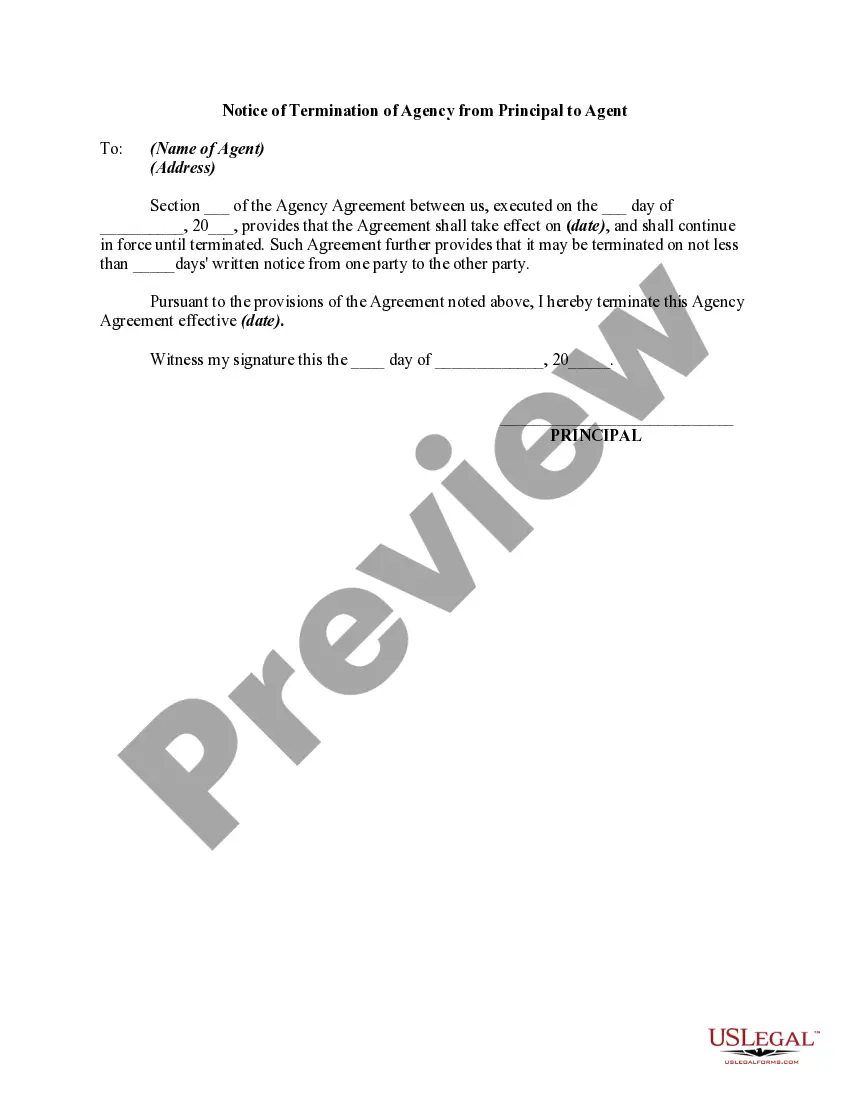
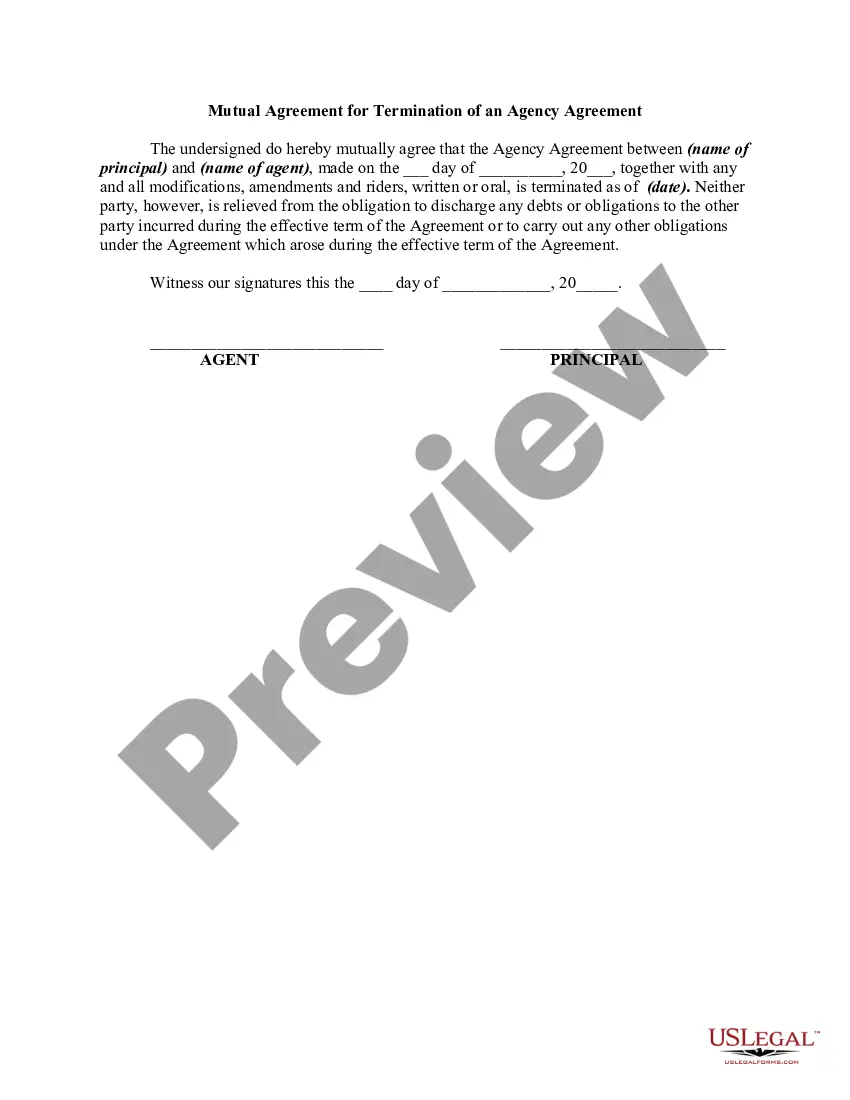
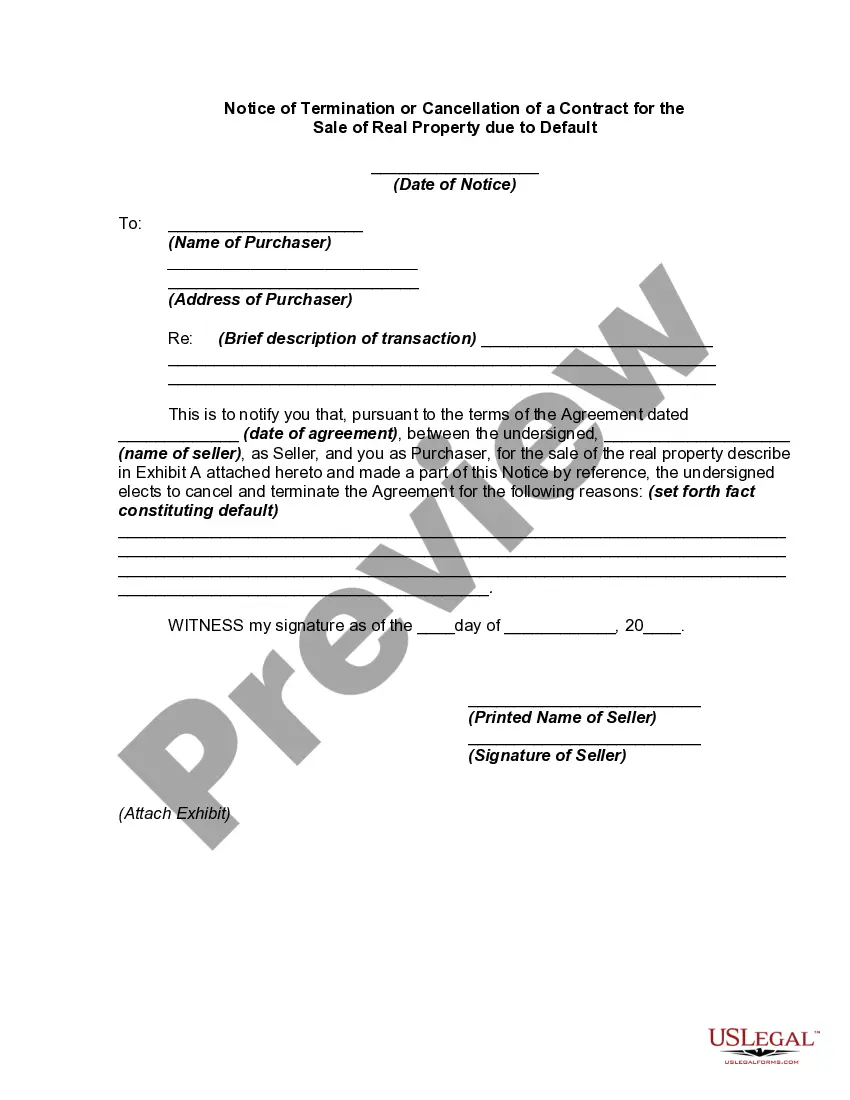
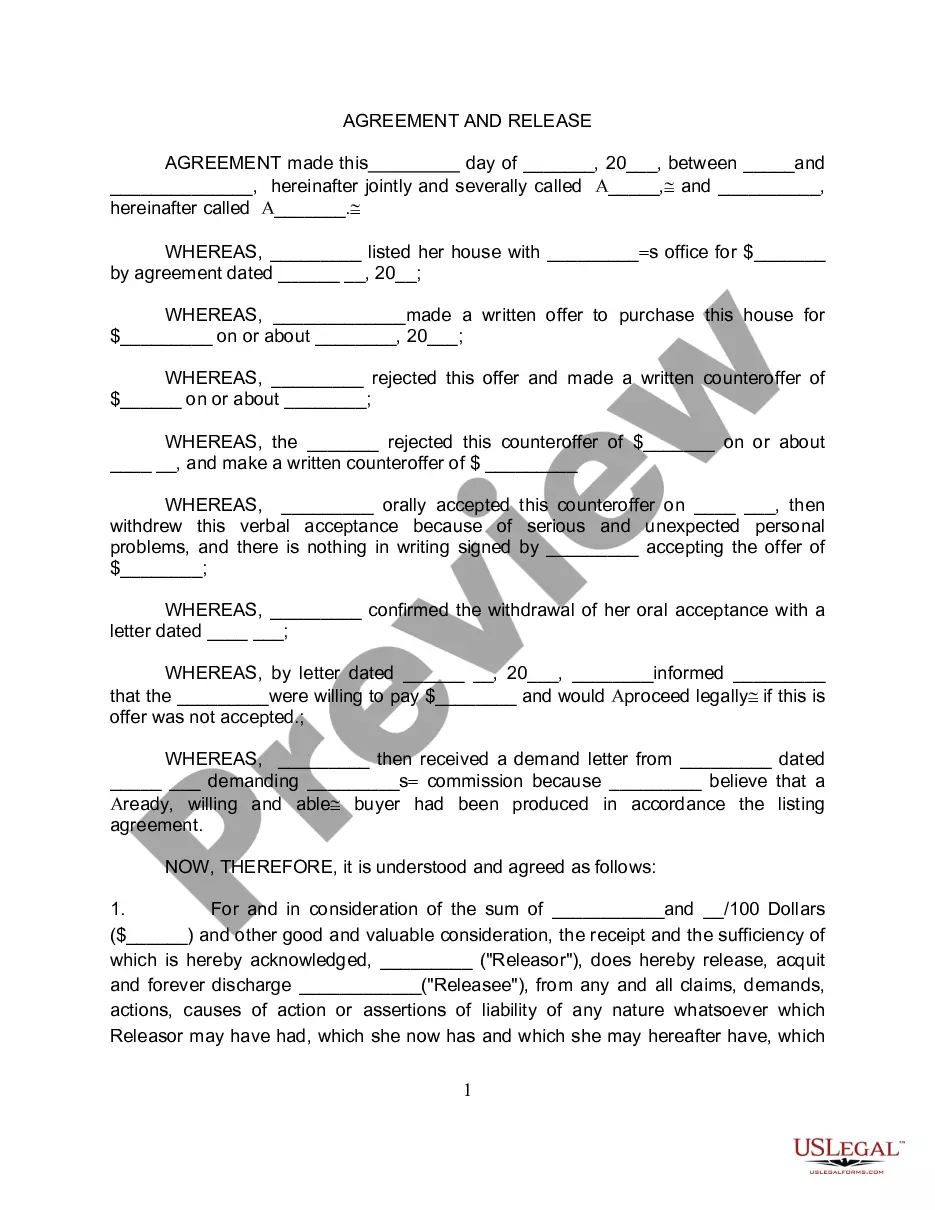
Get your form ready online
Our built-in tools help you complete, sign, share, and store your documents in one place.
Make edits, fill in missing information, and update formatting in US Legal Forms—just like you would in MS Word.
Download a copy, print it, send it by email, or mail it via USPS—whatever works best for your next step.
Sign and collect signatures with our SignNow integration. Send to multiple recipients, set reminders, and more. Go Premium to unlock E-Sign.
If this form requires notarization, complete it online through a secure video call—no need to meet a notary in person or wait for an appointment.
We protect your documents and personal data by following strict security and privacy standards.

Make edits, fill in missing information, and update formatting in US Legal Forms—just like you would in MS Word.

Download a copy, print it, send it by email, or mail it via USPS—whatever works best for your next step.

Sign and collect signatures with our SignNow integration. Send to multiple recipients, set reminders, and more. Go Premium to unlock E-Sign.

If this form requires notarization, complete it online through a secure video call—no need to meet a notary in person or wait for an appointment.

We protect your documents and personal data by following strict security and privacy standards.
Looking for another form?









Form popularity
FAQ
Termination for Convenience Clause: Example 1 A contractor may terminate an agreement for its convenience in whole or in part at any time without cause by its Notice of such termination, issued after conferring with Subcontractor and Subcontractor shall terminate the Work as instructed by Contractor.
Here is an example of a termination clause: “Party A and Party B have the right to terminate the Contract under material breach, change in circumstances, insolvency, and mutual agreement. To terminate the Contract, the terminating party must provide 30 days of written notice to the other party.
A contractual right to terminate an agreement for any reason. It may also be referred to as termination without cause. A right to terminate for convenience usually requires the terminating party to provide a certain period of notice before the termination is effective and usually in writing.
A Termination For Convenience Clause is a contractual provision that grants the right to one of the parties to end a contract without incurring a liability or penalty. This clause allows parties to terminate contracts without any particular cause or liability.
Termination for Convenience. Either party may terminate this Agreement without cause and at any time upon giving 30 days' prior written notice to the other party (each, a termination for "Convenience"). Such termination will be effective on the date stated in the notice.
How do you write a Termination Agreement? Provide the names and mailing addresses of each party involved. Provide details from the original contract. Select a termination date after which the contract will no longer be in effect. State if either party is providing compensation as part of the Termination Agreement.
Step 1: Addressing the Correct Individual or Company. Step 2: Stating the Purpose of Termination. Step 3: Including Necessary Details (Contract Number, Date, etc.) Step 4: Mentioning Outstanding Payments or Obligations. Step 5: Closing the Letter Professionally.
Mutual Agreement: Both parties may agree to terminate the contract early. This is often the simplest and least contentious method. Termination Clauses: Many contracts include specific clauses that outline the conditions under which the contract may be terminated before its natural conclusion.
Write a termination contract letter A contract termination letter allows you to give written notice of your contract's cancellation. It clearly states intent and limits your liability, which arerequired if you're looking to avoid issues while terminating a contract.
The termination for convenience clause is designed to give the terminated party a more fair and equitable result than if it were terminated for cause since the termination does not result from its wrongful conduct — a breach of the contract.
