Cancellation Form Fillable Withholding In Santa Clara
Description
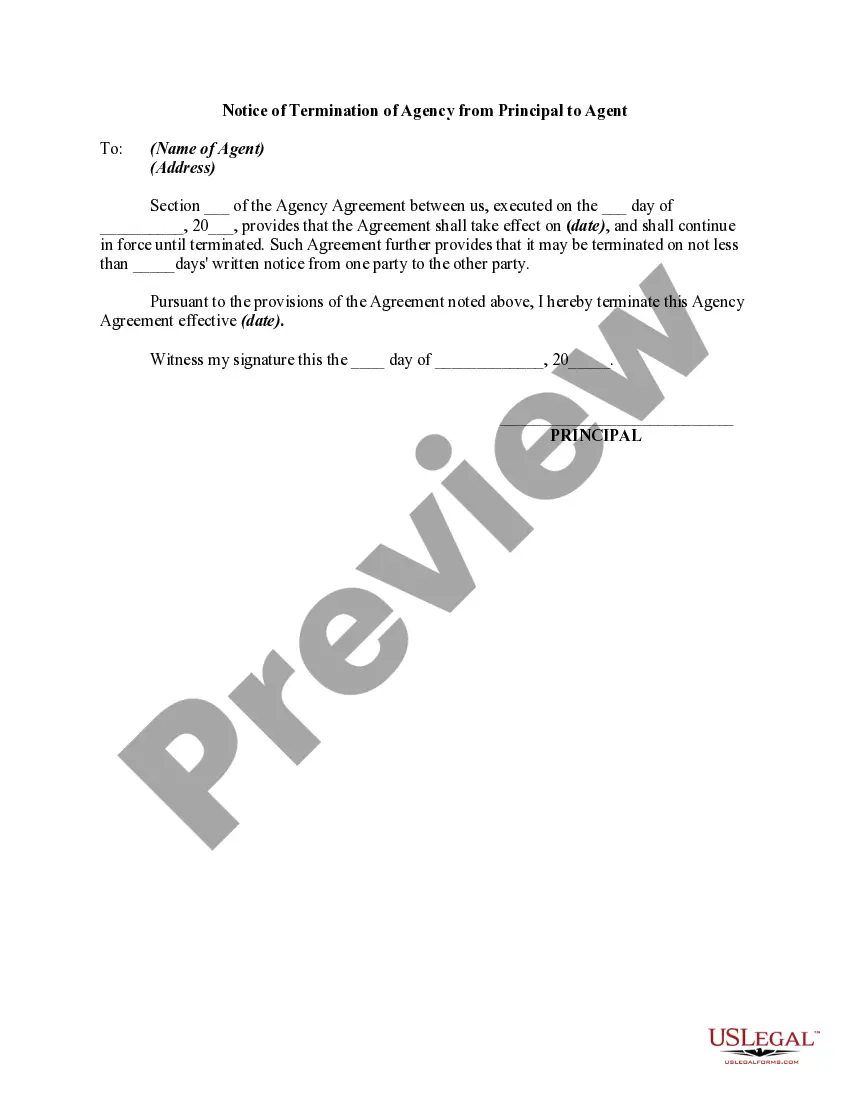
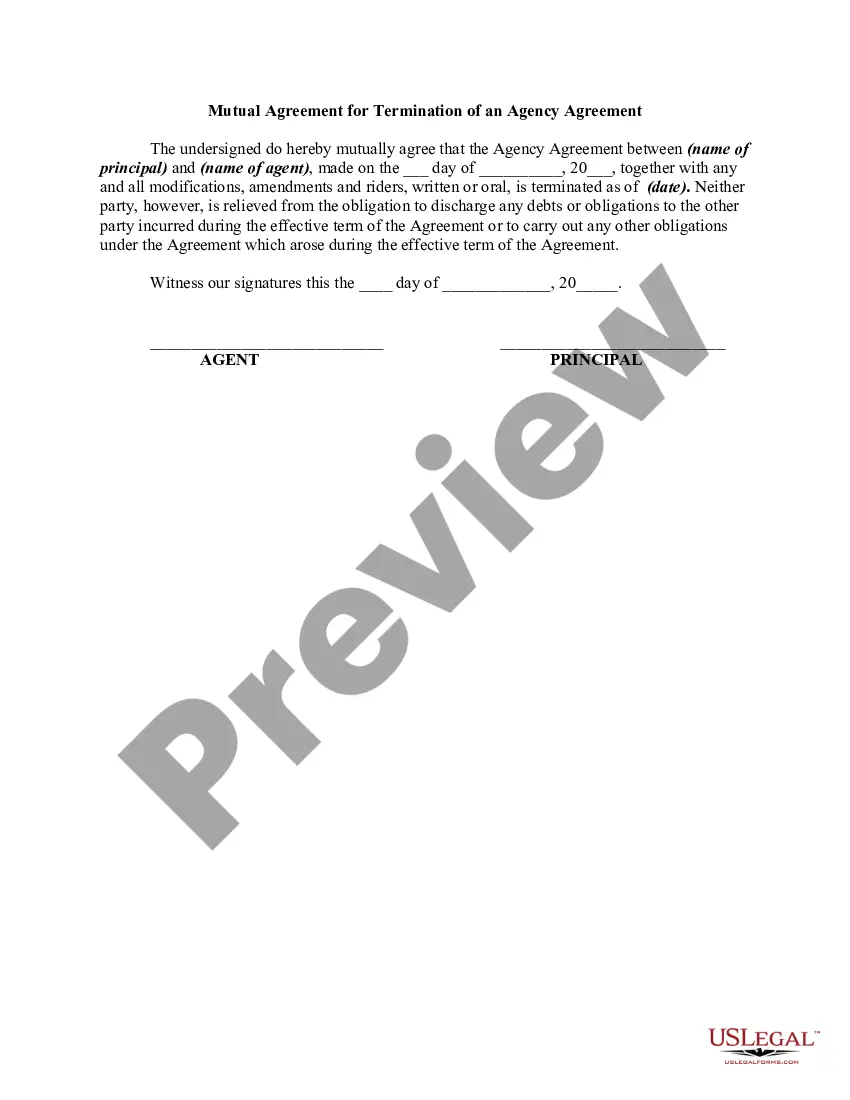
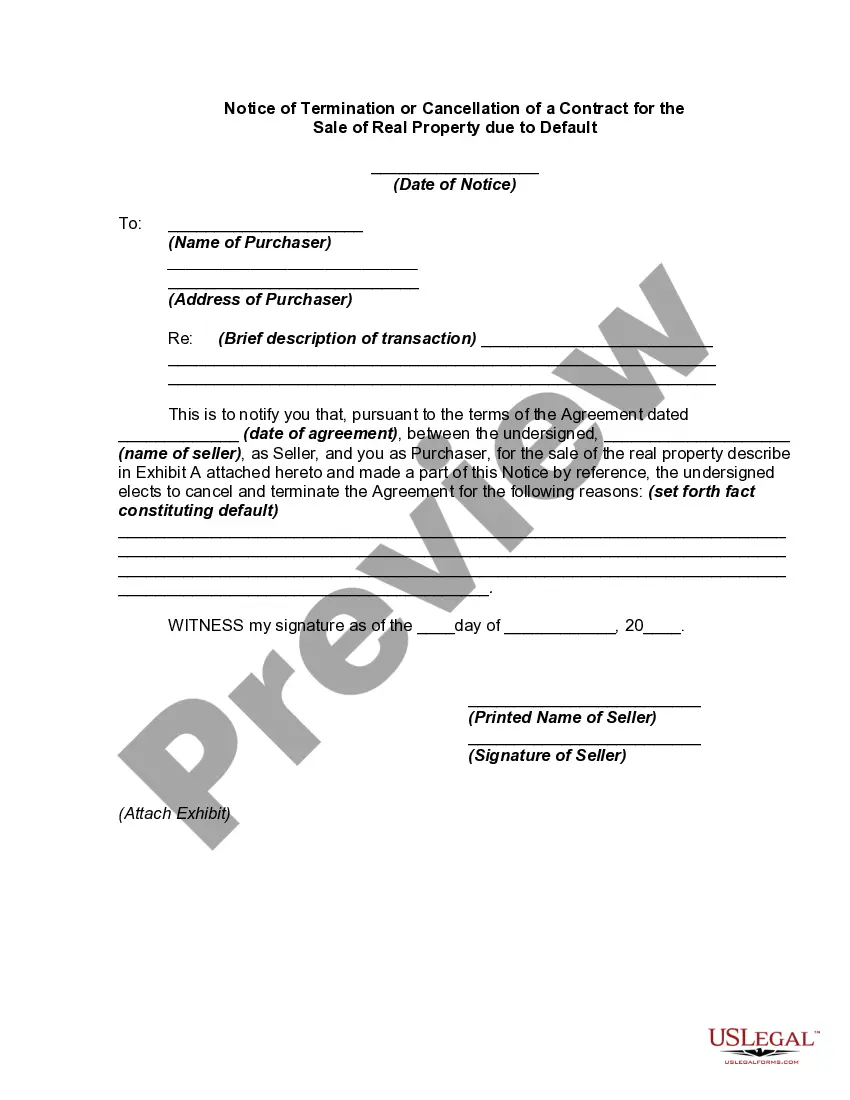

Get your form ready online
Our built-in tools help you complete, sign, share, and store your documents in one place.
Make edits, fill in missing information, and update formatting in US Legal Forms—just like you would in MS Word.
Download a copy, print it, send it by email, or mail it via USPS—whatever works best for your next step.
Sign and collect signatures with our SignNow integration. Send to multiple recipients, set reminders, and more. Go Premium to unlock E-Sign.
If this form requires notarization, complete it online through a secure video call—no need to meet a notary in person or wait for an appointment.
We protect your documents and personal data by following strict security and privacy standards.

Make edits, fill in missing information, and update formatting in US Legal Forms—just like you would in MS Word.

Download a copy, print it, send it by email, or mail it via USPS—whatever works best for your next step.

Sign and collect signatures with our SignNow integration. Send to multiple recipients, set reminders, and more. Go Premium to unlock E-Sign.

If this form requires notarization, complete it online through a secure video call—no need to meet a notary in person or wait for an appointment.

We protect your documents and personal data by following strict security and privacy standards.
Looking for another form?










Form popularity
FAQ
Time Abatement can be requested verbally or in writing. You may file FTB 2918 or call 8006894776 to request that we cancel a penalty based on onetime abatement.
To obtain the exemption for a property, you must be its owner or co-owner (or a purchaser named in a contract of sale), and you must live in the property as your principal place of residence. You must also file the appropriate exemption claim form with the Assessor.
Property owners who occupy their homes as their principal place of residence on the lien date (January 1st), and each year thereafter, are eligible for the exemption if they file a claim.
Supplemental taxes are additional secured taxes that are assessed when property undergoes a change in ownership or new construction.
The first installment is due November 1st and becomes delinquent at p.m. on December 10th. The second installment is due February 1st and becomes delinquent at p.m. on April 10th. If the delinquency date falls on a weekend, taxes are not delinquent until p.m. the next business day.
1. Senior Citizen Homeowners' Property Tax Exemption. The Senior Citizen Homeowners' Property Tax Exemption is available to homeowners who are at least 65 years old and meet certain income requirements.
A supplemental tax bill is generated whenever a property is reassessed due to a change in ownership, or the completion of new construction. The supplemental tax bill (or refund) reflects any increase (or decrease) in property assessment resulting from the supplemental event.
